Senecio Radicans (Fishhooks Senecio)
Senecio radicans, commonly known as Fishhooks Senecio, is a spectacular trailing succulent plant with unique fishhook-shaped foliage. This plant belongs to.
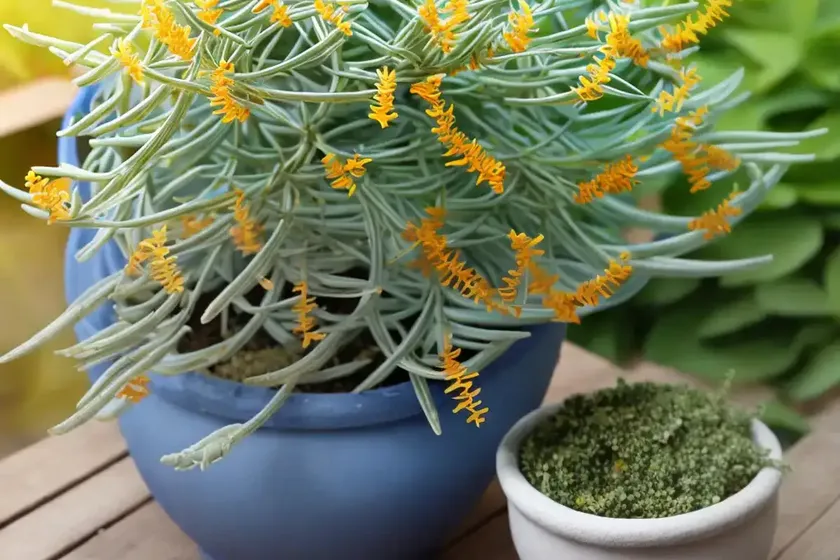
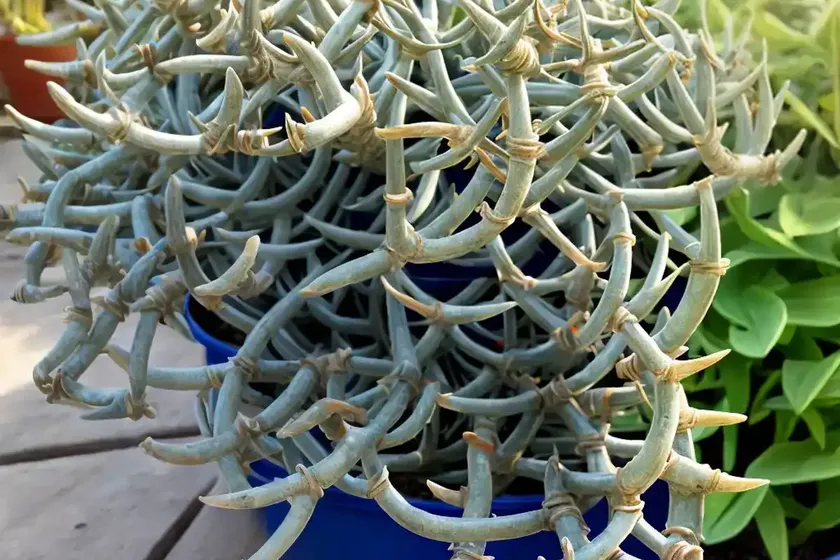
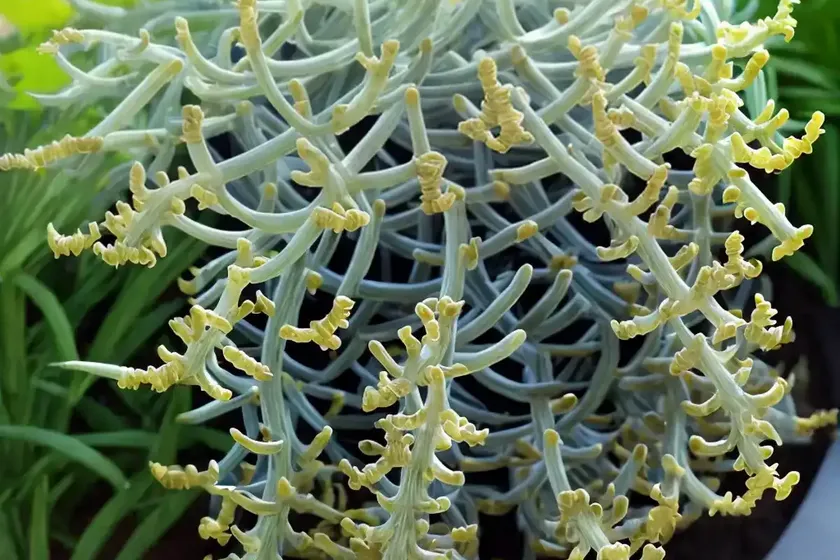
Senecio radicans, commonly known as Fishhooks Senecio, is a spectacular trailing succulent plant with unique fishhook-shaped foliage. This plant belongs to the Asteraceae family and is native to South Africa. Its intriguing appearance and low maintenance requirements make it a popular choice for indoor and outdoor gardens.
In this comprehensive guide, we will delve into the various aspects of Senecio radicans, from its cultural requirements to common diseases and pests. Whether you’re a seasoned plant enthusiast or a novice gardener, this article will provide you with valuable insights into the care and cultivation of Fishhooks Senecio.
What is Senecio Radicans (Fishhooks Senecio)?
Botanical Description
Senecio radicans is a species of evergreen succulent that features thin, cylindrical, green leaves that resemble fishhooks. The plant has a trailing habit, making it an ideal choice for hanging baskets or cascading over the edges of containers. When grown under optimal conditions, Fishhooks Senecio may produce small, yellow, daisy-like flowers that add to its ornamental appeal.
Common Names
Senecio radicans is often referred to by several common names, including Fishhooks Senecio, String of Fishhooks, and String of Bananas. These monikers aptly describe the plant’s unique appearance and growth habit.
Natural Habitat
In its native habitat of South Africa, Senecio radicans thrives in arid and semi-arid regions, where it can be found clinging to rocky slopes and cliffs. The plant has adapted to withstand periods of drought while basking in ample sunlight. Understanding its natural environment is crucial for successfully cultivating Fishhooks Senecio in home gardens.
Key Takeaways – Senecio Radicans (Fishhooks Senecio)
Before delving into the specifics of caring for Senecio radicans, let’s outline some key takeaways about this fascinating succulent.
- Botanical Name: Senecio radicans
- Common Names: Fishhooks Senecio, String of Fishhooks, String of Bananas
- Family: Asteraceae
- Type: Trailing succulent
- Native Habitat: South Africa
- Distinctive Features: Cylindrical, fishhook-shaped leaves
- Cultural Uses: Ornamental plant for indoor and outdoor gardens
- Low Maintenance: Requires minimal care and attention
As we continue, we will delve into the specific cultural requirements for growing and maintaining Senecio radicans, including its water, sunlight, soil, fertilizer, pruning, and propagation needs.
Culture
Cultivating Senecio radicans successfully involves understanding and meeting its specific cultural requirements. From soil type to water frequency, providing the ideal growing conditions is essential for the plant’s health and vitality.
Uses
Senecio radicans is primarily cultivated for its ornamental value. This trailing succulent is an excellent choice for adding visual interest to a variety of settings, including:
- Indoor plant displays
- Hanging baskets and containers
- Vertical gardens
- Rockeries and succulent gardens
- Groundcover in arid landscapes
Its cascading growth habit and unique foliage make it a versatile and aesthetically pleasing addition to any garden or interior space.
Water
Proper watering is crucial for the health of Senecio radicans. As a succulent plant, it is adapted to storing water in its leaves, allowing it to withstand periods of drought. However, it is essential to strike a balance to prevent overwatering or underwatering.
Watering Guidelines:
- Frequency: Allow the soil to dry out almost completely between waterings. Water thoroughly, and then allow excess water to drain away.
- Avoid Overwatering: Soggy or waterlogged soil can lead to root rot and other issues. Always err on the side of underwatering rather than overwatering.
- Seasonal Adjustments: In spring and summer, when the plant is actively growing, water more frequently. Reduce watering in fall and winter when growth slows down.
Sunlight
Senecio radicans thrives in bright, indirect sunlight. When grown indoors, place the plant near a south- or west-facing window where it can receive ample natural light without being exposed to direct sunlight for extended periods. Outdoors, it can be grown in partially shaded areas, especially in regions with intense summer heat.
Sunlight Requirements:
- Indoor Placement: Bright, indirect light
- Outdoor Placement: Partial shade to filtered sunlight
- Avoid Direct Sun: Protect the plant from harsh, direct sunlight, which can scorch the leaves.
Fertilizer
While Fishhooks Senecio is not heavy feeder, it can benefit from occasional fertilization during the growing season. A balanced, water-soluble fertilizer formulated for succulents can be applied at half-strength to provide the plant with essential nutrients.
Fertilizing Tips:
- Frequency: Fertilize once a month during the growing season (spring and summer).
- Dilution: Use a diluted fertilizer solution to avoid overfeeding.
- Avoid Feeding in Winter: Refrain from fertilizing during the plant’s dormancy period in fall and winter.
Soil
The choice of soil is critical for the success of Senecio radicans. A well-draining, fast-drying potting mix that mimics its natural habitat is essential for preventing waterlogged conditions that can lead to root rot.
Recommended Soil Mix:
- Succulent or Cacti Mix: Use a commercial succulent or cacti potting mix, or create a custom mix by combining regular potting soil with perlite or coarse sand.
- Aeration: Ensure the soil mix provides adequate aeration and rapid drainage to prevent water retention around the plant’s roots.
Pruning
Pruning is not frequently required for Senecio radicans, but occasional maintenance can help manage the plant’s size, shape, and overall appearance. Trimming back leggy growth and removing dead or yellowing leaves can promote a tidier and more compact growth habit.
Pruning Guidelines:
- Tools: Use sharp, clean scissors or pruning shears to make precise cuts. Disinfect tools before and after use to prevent the spread of diseases.
- Frequency: Prune as needed to maintain the desired shape and size of the plant.
- Removing Dead Material: Trim away any dead or decaying foliage to maintain the plant’s health and appearance.
Propagation
Propagating Senecio radicans is a rewarding way to expand your plant collection or share cuttings with fellow gardening enthusiasts. The plant can be easily propagated from stem cuttings, allowing you to create new plants from existing ones.
Propagation Methods:
- Stem Cuttings: Take 3-4 inch stem cuttings and allow them to callus for a few days before planting them in a well-draining potting mix. Keep the soil lightly moist and provide indirect light until roots develop.
Container Popularity
The trailing nature of Senecio radicans makes it an ideal candidate for container gardening. Whether indoors or outdoors, this succulent adds a touch of greenery and visual interest to any container display.
Indoor Containers
For indoor cultivation, consider showcasing Senecio radicans in hanging baskets or elevated planters to highlight its cascading growth habit. Its unique foliage and low-maintenance nature make it an excellent choice for adorning various living spaces, including:
- Living rooms
- Kitchens
- Bathrooms
- Offices
- Balconies
When selecting indoor containers for Fishhooks Senecio, prioritize options that provide ample drainage to prevent waterlogging.
Outdoor Containers
In outdoor settings, Senecio radicans can be incorporated into container gardens, patio displays, or vertical plantings. Pair it with other succulents, ornamental grasses, or trailing flowering plants to create visually appealing and dynamic container arrangements.
Select containers that complement the plant’s aesthetic and meet its practical needs in terms of size, drainage, and exposure to sunlight.
Common Diseases and Pests
While Senecio radicans is relatively resistant to pests and diseases, certain issues can arise if its growing conditions are not adequately met. Understanding the common problems that may affect Fishhooks Senecio is essential for prompt diagnosis and effective management.
Disease Diagnosis
Common Diseases:
- Root Rot: Caused by overwatering or waterlogged soil, leading to root damage and deteriorating plant health.
- Powdery Mildew: Fungal disease that appears as a white, powdery coating on the leaves, often resulting from poor air circulation and high humidity.
- Leaf Spot: Fungal or bacterial infection that causes dark spots or lesions on the foliage, typically due to wet or humid conditions.
Common Pests
Potential Pests:
- Spider Mites: Tiny arachnids that can infest the plant, leading to stippled, discolored foliage and fine webbing on the leaves.
- Mealybugs: Small, white, cottony insects that cluster on the stems and leaf nodes, sucking sap from the plant and causing wilting and yellowing.
Promptly addressing signs of pests or diseases is crucial for preventing widespread damage and preserving the health of Senecio radicans.
Botanist’s Tips
As a plant scientist with a passion for succulents and ornamental plants, I’ve gathered some practical tips for caring for Senecio radicans based on years of experience and research.
- Moderation is Key: Exercise caution with watering and fertilizing, as overindulgence can be more detrimental than neglect.
- Observe and Adapt: Regularly monitor the plant’s growth, appearance, and behavior to adjust care practices and address any emerging issues promptly.
- Respect its Nature: Understand the plant’s natural habitat and adapt its growing conditions to mimic its native environment as closely as possible.
Fun Facts
Let’s explore some intriguing and delightful facts about Senecio radicans that highlight its unique characteristics and appeal as an ornamental plant.
- The name “Fishhooks Senecio” is derived from the plant’s distinctively curved, fishhook-shaped leaves, which trail gracefully from hanging baskets and containers.
- Senecio radicans is a prolific grower, with stems that can reach several feet in length, creating an enchanting cascade of foliage.
- This succulent is prized for its resilience and adaptability, making it an excellent choice for beginner gardeners or those seeking low-maintenance plants.
- Despite its charming appearance, it’s important to note that Senecio radicans is toxic to pets if ingested, so it should be kept out of reach of cats, dogs, and other animals.
Links to External Resources
To further expand your knowledge and support your journey in caring for Senecio radicans, I’ve curated a selection of reputable external resources that offer valuable insights and guidance on the topics of succulent care, propagation, and disease management.
- Succulent Plant Care Guide by The Spruce
- Propagating Succulents by University of Florida IFAS Extension
- Common Problems of Succulent Plants by Royal Horticultural Society
By exploring these resources and delving further into the intricate world of succulent care, you can enhance your expertise and cultivate a thriving, thriving Senecio radicans garden.
Conclusion
Senecio radicans, or Fishhooks Senecio, captivates with its whimsical, fishhook-shaped foliage and trailing growth habit. As a resilient and visually striking succulent, it offers an array of possibilities for indoor and outdoor gardens, containers, and vertical displays. Understanding the cultural needs, propagation methods, and potential challenges associated with Senecio radicans equips you with the knowledge to foster its health and vitality.
By embracing the unique charm and low-maintenance nature of Fishhooks Senecio, you can cultivate an enchanting garden adorned with cascading greenery and imbued with the timeless allure of succulent beauty.
Based on scientific research and practical expertise, this comprehensive guide provides valuable insights into the care and cultivation of Senecio radicans (Fishhooks Senecio). Whether you’re a seasoned plant enthusiast or a novice gardener, this resource equips you with the knowledge to nurture and appreciate the unique characteristics of this captivating succulent.