Swedish Ivy (Plectranthus forsteri ‘Marginatus’): A Complete Guide
Introduction
As a plant scientist, I am thrilled to bring to you a comprehensive guide on Swedish ivy (Plectranthus forsteri ‘Marginatus’). This charming plant, with its trailing foliage and delicate flowers, has captivated indoor gardeners worldwide. In this guide, we will explore the various aspects of the Swedish ivy, including its culture, uses, care requirements, propagation, common diseases, and pest control. Whether you are a seasoned plant enthusiast or a beginner looking to add a touch of greenery to your home, this guide will equip you with the knowledge to cultivate and care for the Swedish ivy.
What is Swedish Ivy (Plectranthus forsteri ‘Marginatus’)?
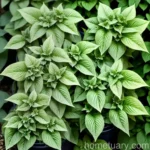
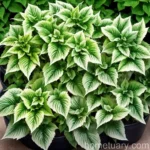
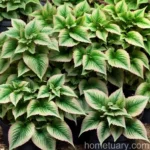
Swedish ivy, scientifically known as Plectranthus forsteri ‘Marginatus’, is a member of the Lamiaceae family. This plant is renowned for its trailing growth habit and striking variegated leaves, making it a popular choice for indoor gardens and hanging baskets. Native to South Africa and parts of southern and eastern Africa, Swedish ivy has gained widespread popularity as a versatile and low-maintenance houseplant.
Key Takeaways – Swedish Ivy (Plectranthus forsteri ‘Marginatus’)
Before delving into the specifics of growing and caring for Swedish ivy, let’s highlight some key takeaways about this plant:
- Scientific Name: Plectranthus forsteri ‘Marginatus’
- Common Name: Swedish Ivy
- Family: Lamiaceae
- Genus: Plectranthus
- Variety: ‘Marginatus’
- Growth Habit: Trailing
- Foliage: Variegated
- Origin: South Africa
- Uses: Indoor gardening, hanging baskets
- Popularity: Widely cultivated as a houseplant
Now, let’s explore the essential factors that contribute to the successful cultivation of Swedish ivy.
Culture
Cultivating Swedish ivy involves understanding its cultural preferences, including water, sunlight, fertilizer, soil, and pruning requirements. By providing the right growing conditions, you can ensure that your Swedish ivy thrives and flourishes indoors.
Water
Proper watering is crucial for the health of Swedish ivy. Here are some key considerations for watering this plant:
- Watering Frequency: Swedish ivy prefers consistently moist soil. Water the plant when the top inch of the soil feels dry to the touch.
- Drainage: Ensure that the pot or container has adequate drainage to prevent waterlogged soil, which can lead to root rot.
- Water Quality: Use room-temperature water to avoid shocking the plant with cold water.
Sunlight
Although Swedish ivy thrives in bright, indirect light, it can tolerate lower light conditions. Here are some pointers for providing the right amount of sunlight:
- Light Requirements: Place Swedish ivy in a location with bright, indirect light. Avoid exposing it to direct sunlight, especially during the hot afternoon hours.
- Low Light Adaptability: Swedish ivy can adapt to lower light conditions, making it suitable for rooms with moderate natural light.
Fertilizer
Fertilizing Swedish ivy helps promote healthy growth and vibrant foliage. Consider the following when fertilizing this plant:
- Fertilizer Type: Use a balanced, water-soluble fertilizer formulated for indoor plants. Follow the instructions on the fertilizer package for proper dilution and application.
- Frequency: During the growing season (spring and summer), fertilize Swedish ivy approximately once a month. Reduce the frequency during the fall and winter months when the plant’s growth slows down.
Soil
The right potting mix provides the necessary nutrients and drainage for Swedish ivy. Consider the following soil considerations:
- Well-Draining Mix: Use a well-draining potting mix that retains moisture without becoming waterlogged. A mixture of peat moss, perlite, and vermiculite is suitable for Swedish ivy.
- pH Level: The ideal soil pH for Swedish ivy ranges from 6.0 to 7.0, slightly acidic to neutral.
Pruning
Regular pruning helps maintain the attractive appearance of Swedish ivy and encourages bushier growth. Here are some pruning tips for this plant:
- Pinching Tips: Pinch off the growing tips of the plant to promote branching and prevent leggy growth.
- Regular Maintenance: Trim any leggy or yellowing stems to keep the plant looking lush and healthy.
Uses
Swedish ivy has a range of uses, from decorative indoor plantings to air purification. Let’s explore the various applications of this versatile plant:
Indoor Gardening
Swedish ivy is a popular choice for indoor gardens and brings a touch of greenery to living spaces, offices, and other indoor environments. Its trailing habit makes it well-suited for hanging baskets and elevated planters.
Air Purification
Like many houseplants, Swedish ivy contributes to indoor air quality by removing pollutants and enhancing air circulation. Its foliage effectively filters airborne toxins, promoting a healthier indoor environment.
Decorative Displays
The attractive trailing foliage of Swedish ivy adds visual interest to indoor arrangements and potted displays. It can be used as a standalone plant or included in mixed plantings for added texture and color contrast.
Stress Tolerance
Swedish ivy’s ability to thrive in various light conditions and adapt to different watering schedules makes it an excellent choice for beginners and busy individuals. Its resilience to occasional neglect and suboptimal growing conditions makes it a stress-tolerant houseplant.
Propagation
Propagating Swedish ivy allows you to expand your plant collection and share this lovely species with fellow gardening enthusiasts. Here are some common methods for propagating Swedish ivy:
Stem Cuttings
Propagating Swedish ivy from stem cuttings is a straightforward and effective method:
- Select a healthy, non-flowering stem with at least a few leaf nodes.
- Trim the stem just below a leaf node, ensuring that the cutting is approximately 4 to 6 inches long.
- Remove the lower leaves to expose the nodes.
- Place the cutting in a jar of water or a suitable rooting medium.
- Keep the cutting in a warm, bright location and change the water regularly if propagating in water.
Division
Dividing mature Swedish ivy plants is another propagation method:
- Carefully remove the plant from its container, taking care not to damage the roots.
- Gently separate the root ball into smaller sections, ensuring that each division has healthy roots and foliage.
- Plant the divisions in individual pots with well-draining potting mix.
- Keep the newly divided plants well-watered and in a warm, humid environment to promote root establishment.
In Conclusion
The beauty and versatility of Swedish ivy make it an excellent addition to any indoor garden. By understanding its cultural requirements, uses, propagation methods, and maintenance tips, you can confidently cultivate and care for this charming plant. Whether you are a seasoned plant enthusiast or a beginner looking to enhance your indoor space with greenery, Swedish ivy is sure to delight with its trailing foliage and low-maintenance nature.
I hope this comprehensive guide has provided valuable insights into the world of Swedish ivy and inspired you to explore the wonders of indoor gardening with this enchanting houseplant.
Thank You for reading!