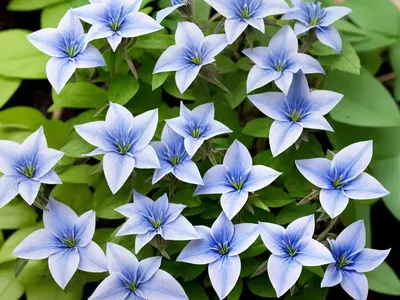
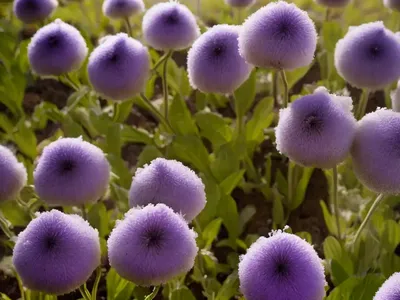
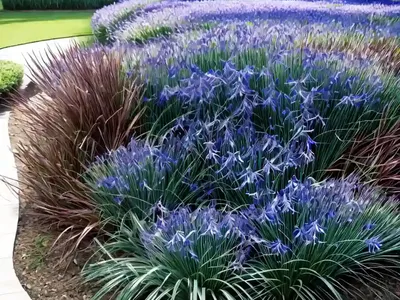
Platycodon Grandiflorus ‘Astra Pink’ (Balloon Flower)
Platycodon grandiflorus, commonly known as Balloon Flower, is a perennial plant native to East Asia, including China, Japan, and Korea. It is a member of.
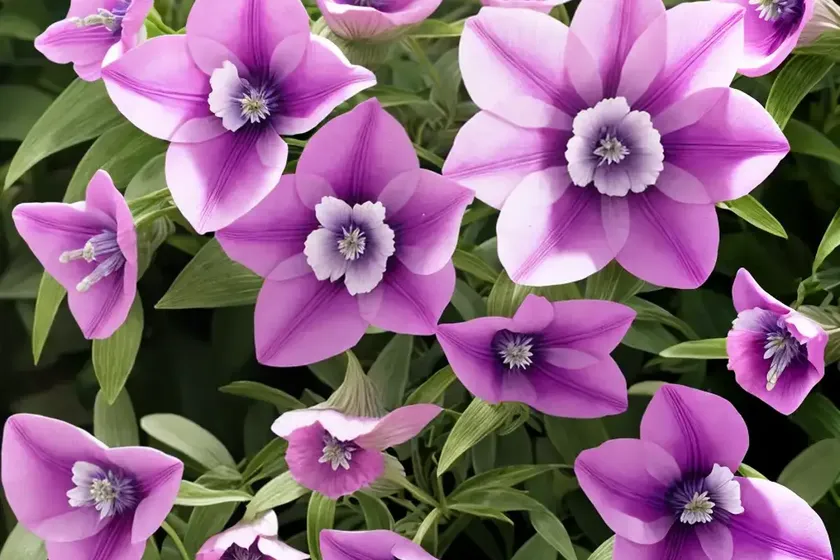
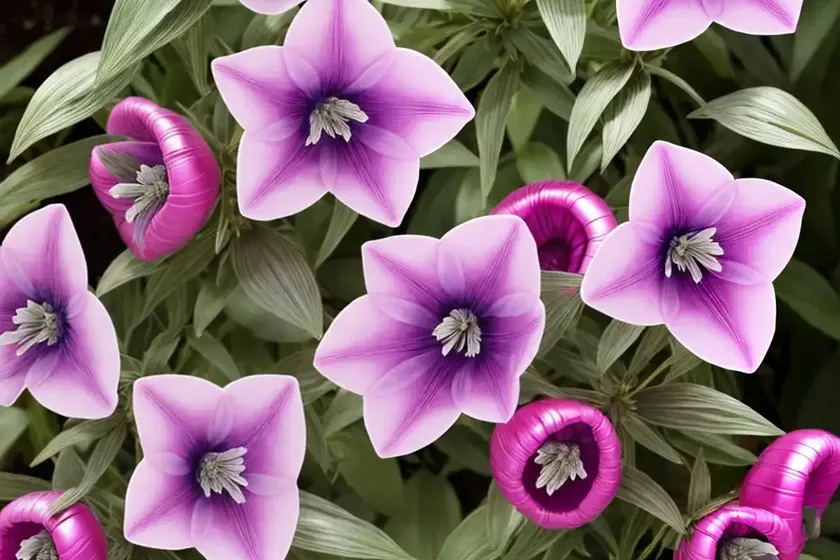
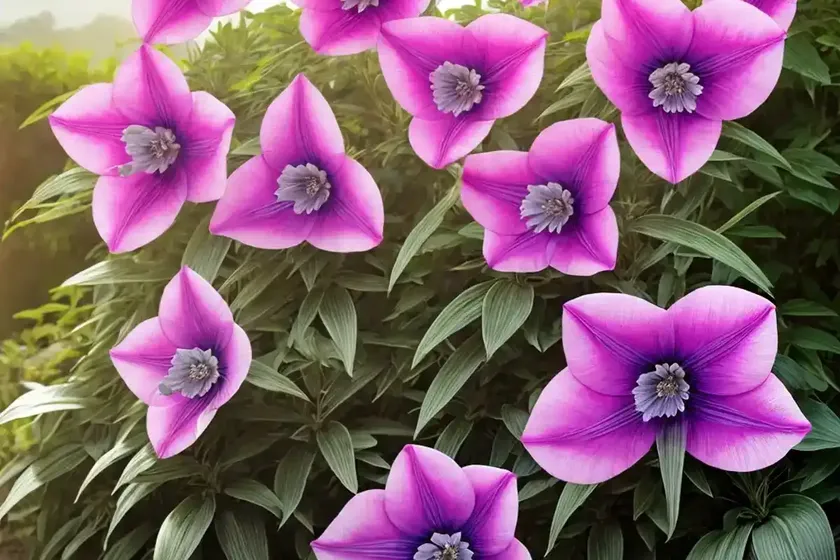
Platycodon grandiflorus, commonly known as Balloon Flower, is a perennial plant native to East Asia, including China, Japan, and Korea. It is a member of the Campanulaceae family and is known for its balloon-like buds that open to beautiful, star-shaped flowers. ‘Astra Pink’ is a specific cultivar of Platycodon grandiflorus known for its stunning pink blossoms. In this comprehensive guide, we will explore the characteristics, cultivation, and maintenance of Platycodon grandiflorus ‘Astra Pink’, providing plant enthusiasts with the knowledge and tips to successfully grow and care for this delightful perennial.
Key Takeaways – Platycodon grandiflorus ‘Astra Pink’
Before delving into the specifics of this charming plant, let’s highlight the key takeaways of Platycodon grandiflorus ‘Astra Pink’:
- Botanical Name: Platycodon grandiflorus ‘Astra Pink’
- Common Name: Balloon Flower ‘Astra Pink’
- Flower Color: Pink
- Plant Type: Perennial
- Notable Feature: Balloon-like buds that open to star-shaped flowers
- Climate: Thrives in temperate climates
With these key points in mind, let’s explore the various aspects of ‘Astra Pink’ Balloon Flower, from its cultural requirements to propagation techniques and common diseases.
Culture
Platycodon grandiflorus ‘Astra Pink’ is a versatile and low-maintenance plant, making it a delightful addition to gardens, borders, and container plantings. Understanding its cultural requirements is essential for ensuring its optimal growth and development.
Uses
- Ornamental Purposes: ‘Astra Pink’ Balloon Flower is primarily grown for its aesthetic appeal, adding a touch of elegance to gardens, borders, and mixed plantings.
- Pollinator Gardens: The nectar-rich flowers attract pollinators, making it an excellent choice for pollinator-friendly gardens.
- Cut Flowers: The long-lasting blooms are suitable for floral arrangements, adding a delicate touch to bouquets and indoor displays.
Water
Platycodon grandiflorus ‘Astra Pink’ prefers consistently moist but well-draining soil. Adequate watering is essential, especially during the establishment phase and periods of prolonged drought. However, it is important to avoid waterlogging, as excessive moisture can lead to root rot and other issues.
Sunlight
This perennial plant thrives in full sun to partial shade. Providing it with at least 6 hours of sunlight each day ensures robust growth and abundant flowering. In hotter climates, partial shade during the intense afternoon sun can be beneficial.
Fertilizer
A balanced, slow-release fertilizer applied in early spring can support the plant’s growth and flowering. Alternatively, incorporating organic matter into the soil during planting provides a nutrient-rich foundation for the ‘Astra Pink’ Balloon Flower.
Soil
Platycodon grandiflorus ‘Astra Pink’ prefers well-draining, slightly acidic soil with a pH range of 5.5 to 7.0. Loamy, fertile soils are ideal for promoting healthy root development and overall plant vitality.
Pruning
Pruning can help maintain the plant’s shape, encourage additional blooming, and remove spent flowers to prolong the flowering period. Deadheading, the removal of faded blooms, can also prevent the plant from self-seeding, particularly in areas where self-seeding may not be desired.
Propagation
‘Platycodon grandiflorus ‘Astra Pink’ can be propagated through various methods, including:
- Division: Dividing established clumps in early spring allows for the creation of new plants.
- Stem Cuttings: Taking stem cuttings in late spring or early summer and rooting them in a suitable growing medium can yield new plants.
- Seeds: Collecting and sowing seeds in a prepared seedbed or containers provides another means of propagation.
Container Popularity
Due to its compact growth habit and attractive blooms, Platycodon grandiflorus ‘Astra Pink’ is well-suited for container cultivation. It thrives in containers placed on patios, balconies, and other outdoor spaces, adding a vibrant touch to the surroundings.
Common Diseases
While ‘Astra Pink’ Balloon Flower is relatively resilient, it is susceptible to certain diseases and issues that can impact its overall health and appearance. Common diseases include:
- Powdery Mildew: This fungal disease can appear as a white, powdery coating on the leaves, often caused by poor air circulation and high humidity. Fungicidal treatments and improving air circulation can help manage this issue.
- Root Rot: Overly wet conditions can lead to root rot, causing the plant to exhibit wilting, yellowing leaves, and overall decline. Ensuring well-draining soil and proper watering practices can help prevent this issue.
Disease Diagnosis
Regular monitoring of the plant for any signs of disease or distress is crucial for early detection and intervention. Examining the foliage, stems, and overall growth pattern can provide valuable insights into the plant’s health, enabling prompt action if issues are identified.
Common Pests
Platycodon grandiflorus ‘Astra Pink’ may encounter pests that can affect its vitality and appearance. Common pests include:
- Aphids: These small, soft-bodied insects can cluster on the new growth, causing distortion and discoloration of the leaves. Insecticidal soap or neem oil can be used to control aphid infestations.
- Slugs and Snails: These mollusks can feed on the plant’s tender foliage, leaving behind ragged edges and holes. Implementing physical barriers and applying organic molluscicides can help manage slug and snail populations.
Botanist’s Tips
- Mulching: Applying a layer of organic mulch around the base of the plant helps retain soil moisture, suppresses weed growth, and enhances the overall aesthetics of the planting area.
- Support: Providing support, such as stakes or rings, for tall varieties can prevent bending and breakage, especially in windy conditions.
- Regular Inspection: Periodically inspecting the plant for any signs of distress, pest activity, or disease ensures timely intervention and promotes the plant’s long-term health.
Fun Facts
- The common name “Balloon Flower” is derived from the unique, balloon-shaped buds that precede the opening of the flowers.
- Platycodon grandiflorus has been used in traditional Asian medicine for its purported medicinal properties, with the roots often utilized in herbal preparations.
Links to External Resources
For additional information on cultivating and caring for Platycodon grandiflorus ‘Astra Pink’, explore the following resources:
- Platycodon grandiflorus ‘Astra Pink’ – Missouri Botanical Garden
- Growing Balloon Flower (Platycodon) – University of Illinois Extension
- Balloon Flower Care and Growing Guide – The Spruce
In conclusion, Platycodon grandiflorus ‘Astra Pink’ is a delightful perennial plant that captivates with its distinctive balloon-like buds and charming pink flowers. By understanding its cultural requirements, propagation techniques, and common issues, plant enthusiasts can cultivate and maintain this captivating species, creating a vibrant and enchanting display in their outdoor spaces.
Remember to enrich your garden with the alluring ‘Astra Pink’ Balloon Flower and experience the joy of nurturing this resilient and captivating plant.
Keywords: Platycodon grandiflorus ‘Astra Pink’, Balloon Flower ‘Astra Pink’, Pink Balloon Flower, Platycodon grandiflorus ‘Astra Pink’ care, Astra Pink Balloon Flower plant, Growing Platycodon grandiflorus ‘Astra Pink’, Balloon Flower varieties, Pink flowering plants, Astra Pink Balloon Flower care, Platycodon grandiflorus ‘Astra Pink’ characteristics, Pink perennials, How to grow Balloon Flower ‘Astra Pink’, Balloon Flower ‘Astra Pink’ in the garden, Platycodon grandiflorus ‘Astra Pink’ propagation, Astra Pink Balloon Flower pruning tips, Pink blooming plants, Care guide for Platycodon grandiflorus ‘Astra Pink’, Astra Pink Balloon Flower landscaping ideas, Pink-flowered perennial plants, Platycodon grandiflorus ‘Astra Pink’ planting tips, Balloon Flower ‘Astra Pink’ flowering season, Best practices for growing Platycodon grandiflorus ‘Astra Pink’, Astra Pink Balloon Flower maintenance, Pink garden flowers, Tips for cultivating Platycodon grandiflorus ‘Astra Pink’, Balloon Flower ‘Astra Pink’ as a cut flower, Pink-flowering border plants, Astra Pink Balloon Flower diseases and pests, Platycodon grandiflorus ‘Astra Pink’ companion plants, Taking care of Balloon Flower ‘Astra Pink’ in pots, Pink flowering plants for containers, Astra Pink Balloon Flower for pollinator gardens, Platycodon grandiflorus ‘Astra Pink’ soil requirements, Balloon Flower ‘Astra Pink’ as a ground cover, Pink-themed plantings with Astra Pink Balloon Flower, Growing Platycodon grandiflorus ‘Astra Pink’ from seeds, Balloon Flower ‘Astra Pink’ in a sunny location, Pink-flowered plants for shady areas, Astra Pink Balloon Flower winter care, Platycodon grandiflorus ‘Astra Pink’ in mixed borders, Balloon Flower ‘Astra Pink’ container gardening tips, Pink blooms for attracting butterflies with Astra Pink Balloon Flower, Planting techniques for Platycodon grandiflorus ‘Astra Pink’, Astra Pink Balloon Flower as a focal point plant, Pink-flowering plants for urban gardens, Companion planting with Balloon Flower ‘Astra Pink’, Using Astra Pink Balloon Flower in cottage gardens, Platycodon grandiflorus ‘Astra Pink’ water requirements, Balloon Flower ‘Astra Pink’ naturalizing in the landscape, Pink-flowered plants for rock gardens