Australian Bluebell (Wahlenbergia Stricta)
Plants have always held a special place in the hearts of people. They not only contribute to the beauty of our world but also play a significant role in.
Introduction
Plants have always held a special place in the hearts of people. They not only contribute to the beauty of our world but also play a significant role in various ecosystems. One such remarkable plant is the Australian Bluebell, scientifically known as Wahlenbergia stricta. This plant is a breathtaking sight to behold in the wild and can also enhance the beauty of gardens and landscapes. In this comprehensive guide, we will delve into every aspect of the Australian Bluebell, from its cultural significance and uses to its care requirements and ecological role. Let’s embark on a journey to unravel the wonders of this charming plant.
What is the Australian Bluebell (Wahlenbergia Stricta)?
The Australian Bluebell, or Wahlenbergia stricta, is a species of flowering plant that belongs to the genus Wahlenbergia and the family Campanulaceae. This charming plant is native to Australia and is known for its delicate, bell-shaped flowers that adorn the landscapes with their enchanting blue hues.
Key Takeaways – Australian Bluebell (Wahlenbergia Stricta)
Before we dive deeper into the world of Australian Bluebells, let’s take a quick look at the key takeaways that we will explore in this guide:
- Australian Bluebell Plant: Understanding the characteristics and morphology of the Australian Bluebell.
- Cultural Significance: Exploring the historical, ecological, and indigenous significance of this plant.
- Plant Care: Guidelines for caring and nurturing Australian Bluebells, including water, sunlight, fertilizer, soil, pruning, and propagation.
- Container Gardening: Tips for growing Australian Bluebells in containers.
- Common Diseases and Pests: Identifying and addressing the potential issues that may affect Australian Bluebells.
- Botanist’s Tips: Expert insights and recommendations for cultivating and enjoying the beauty of Australian Bluebells.
- Fun Facts: Uncovering intriguing and lesser-known facts about the Australian Bluebell.
Now, with a roadmap in place, let’s begin our exploration of the captivating Australian Bluebell (Wahlenbergia Stricta).
Australian Bluebell (Wahlenbergia Stricta) – An Overview
The Australian Bluebell, scientifically known as Wahlenbergia stricta, is a captivating species that graces the landscapes of Australia with its enchanting blue flowers. Let’s delve into a detailed understanding of this remarkable plant.
Characteristics and Morphology
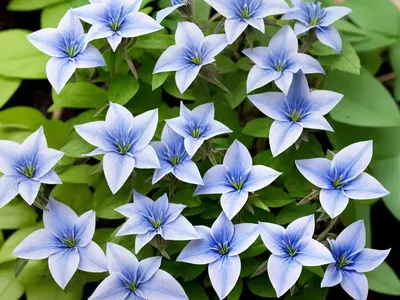
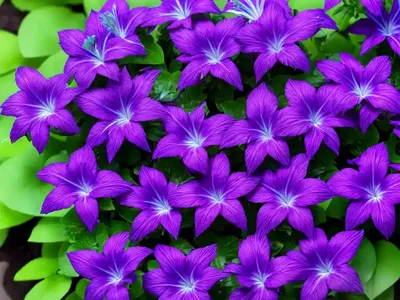
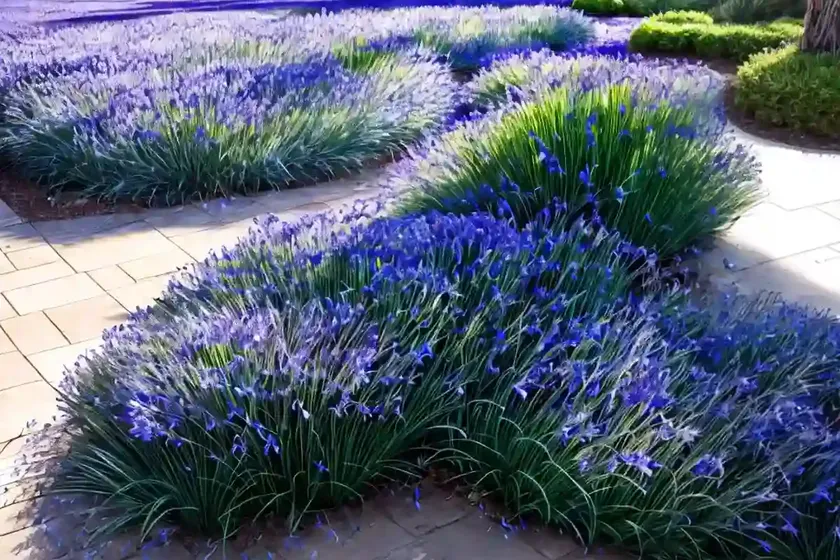
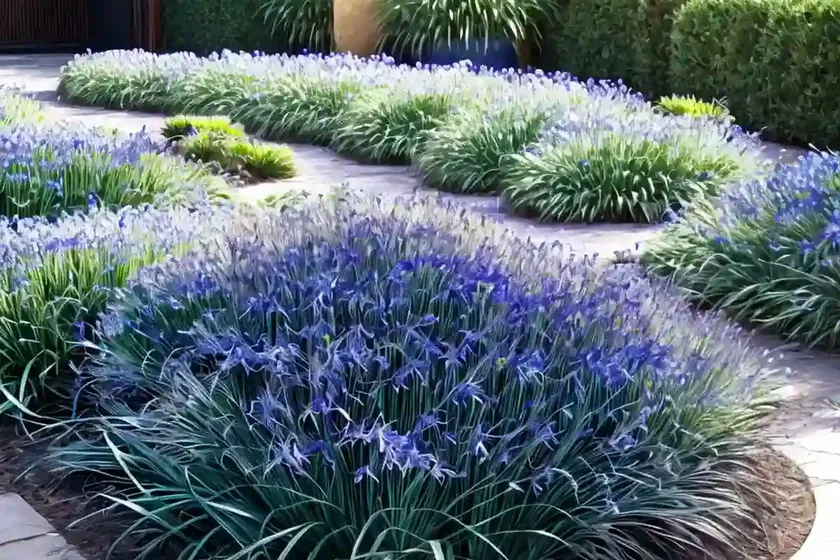
The Australian Bluebell (Wahlenbergia stricta) is characterized by its slender stems and charming, bell-shaped flowers that range in color from pale blue to deep indigo. The leaves are typically narrow and elongated, providing an elegant backdrop to the stunning blooms. This perennial plant is renowned for its ability to thrive in diverse environments, making it a valuable component of Australia’s natural ecosystems.
Natural Habitat
Australian Bluebells are indigenous to various regions of Australia, including open woodlands, grasslands, and mountain slopes. They are often found growing in well-drained soils, basking in the gentle sunlight that permeates the Australian landscapes. The plant’s ability to adapt to different habitats showcases its resilience and adaptability, making it a cherished component of Australia’s flora.
Ecological Significance
In its natural habitat, the Australian Bluebell plays a crucial role in supporting local ecosystems. The nectar-rich flowers attract a myriad of pollinators, including bees, butterflies, and birds, contributing to the intricate web of biodiversity. Additionally, the plant’s foliage provides shelter for small insects and creates favorable microenvironments for numerous species, highlighting its significance in sustaining the delicate balance of Australia’s ecosystems.
Indigenous Cultural Significance
The Australian Bluebell holds deep cultural significance in indigenous Australian communities. The plant’s vibrant blooms and sturdy yet graceful presence have been woven into indigenous folklore and traditions, symbolizing resilience, beauty, and the interconnectedness of all living beings. The cultural significance of the Australian Bluebell underscores its timeless relevance in the rich tapestry of Australia’s natural and cultural heritage.
Now that we have gained a deeper understanding of the characteristics and cultural significance of the Australian Bluebell, let’s transition into exploring the plant care essentials to ensure its thriving presence in various settings.
Plant Care: Nurturing Australian Bluebells
Caring for Australian Bluebells (Wahlenbergia Stricta) entails providing the ideal conditions for their growth, ensuring that they can flourish and grace their surroundings with their captivating presence. Let’s delve into the essential aspects of caring for Australian Bluebells, including water, sunlight, fertilizer, soil, pruning, and propagation.
Water
Australian Bluebells thrive in well-drained soil and generally prefer moderate watering. It is essential to strike a balance, allowing the soil to dry slightly between watering sessions to prevent waterlogged conditions. Adequate moisture is crucial, especially during the plant’s active growth phases and flowering periods. However, overwatering should be avoided to prevent potential root rot and other water-related issues.
Sunlight
Being native to Australia, Australian Bluebells have an affinity for sunlight. They thrive in bright, indirect light and require approximately 6-8 hours of sunlight daily to support healthy growth and prolific blooming. When cultivating Australian Bluebells in gardens or landscapes, it is advisable to position them in areas where they can receive ample sunlight while also being shielded from intense midday rays, especially during the hotter months.
Fertilizer
To support the optimal growth and blooming of Australian Bluebells, a balanced, all-purpose fertilizer can be applied during the plant’s active growth phases. It is recommended to use a diluted fertilizer solution to avoid overwhelming the plant with nutrients. Fertilization can be conducted at the beginning of the growing season, with subsequent applications at intervals as per the specific fertilization guidelines for the plant species.
Soil
The ideal soil for Australian Bluebells is well-drained and moderately fertile, facilitating the healthy development of the plant’s roots and overall growth. A well-balanced soil composition, rich in organic matter, promotes the flourishing of Australian Bluebells. Additionally, ensuring proper soil aeration and drainage helps prevent waterlogging and related issues, contributing to the plant’s vitality and resilience.
Pruning
Pruning plays a crucial role in maintaining the health and aesthetic appeal of Australian Bluebells. Removing spent blooms and trimming unruly growth not only enhances the plant’s appearance but also encourages continuous flowering. When conducting pruning activities, it is essential to use clean and sharp pruning tools to minimize stress and damage to the plant. Regular, minimal pruning can help shape the plant and promote its overall vigor.
Propagation
Propagating Australian Bluebells can be accomplished through various methods, including seed propagation and division of mature clumps. Gathering seeds from mature plants and sowing them in well-prepared soil can yield new growth, provided the conditions are conducive for germination. Additionally, dividing established clumps of Australian Bluebells can be undertaken to propagate the plant and expand its presence within a garden or landscape. Careful attention to the specific requirements of each propagation method is essential to ensure successful growth and establishment.
With a solid understanding of the vital care requirements for Australian Bluebells, including water, sunlight, fertilizer, soil, pruning, and propagation, we can set the stage for the thriving cultivation of this captivating plant. In the next section, we will explore the possibilities and nuances of growing Australian Bluebells in containers, offering insights into maximizing their charm in various settings.
Container Gardening: Growing Australian Bluebells with Elegance
Cultivating Australian Bluebells in containers presents a delightful opportunity to showcase their beauty in a versatile and portable manner. Whether adorning a patio, balcony, or indoor setting, Australian Bluebells can enchant observers with their captivating blooms and elegant foliage when grown in containers.
Popularity in Container Gardening
The enchanting allure of Australian Bluebells has made them a sought-after choice for container gardening enthusiasts. Their graceful demeanor and captivating blooms make them exquisite additions to container gardens, adding a touch of natural splendor and charm to various settings. Whether presented in standalone containers or integrated into elaborate arrangements, Australian Bluebells can captivate onlookers with their mesmerizing beauty.
Common Uses in Containers
When grown in containers, Australian Bluebells can serve as stunning focal points, accentuating outdoor spaces with their colorful blooms and verdant foliage. They can also complement diverse plant arrangements, adding a touch of elegance and natural vibrancy to container gardens. Additionally, incorporating Australian Bluebells into indoor settings can infuse living spaces with a refreshing ambiance and a connection to the bountiful beauty of nature.
Container Gardening Care Essentials
While growing Australian Bluebells in containers, it is essential to prioritize their care requirements to ensure their optimal growth and flourishing presence. Adequate watering, ample sunlight, and occasional fertilization are fundamental aspects of nurturing Australian Bluebells in containers. Furthermore, selecting the appropriate container size, ensuring proper drainage, and utilizing well-balanced potting mix are essential considerations for cultivating Australian Bluebells in containers.
Botanist’s Tips for Container Gardening
- Container Selection: When choosing containers for Australian Bluebells, opt for vessels with adequate drainage holes and sufficient space to accommodate the plant’s root system.
- Potting Mix: Utilize a well-draining potting mix, preferably enriched with organic matter, to provide an ideal growing medium for Australian Bluebells in containers.
- Watering: Monitor the moisture levels of the potting mix and ensure consistent, moderate watering to maintain optimal soil moisture for the plant.
- Sunlight Exposure: Position the containers in areas that receive ample sunlight while safeguarding the plants from intense midday rays, especially during the warmer seasons.
- Fertilization: Apply a diluted, balanced fertilizer as per the plant’s specific needs, ensuring that the nutrients support healthy growth and prolific blooming.
By embracing the nuances of container gardening, we can elevate the beauty of Australian Bluebells and create captivating visual experiences that celebrate the charm of these delightful plants. As we cherish the ethereal allure of Australian Bluebells, it is crucial to be attentive to potential challenges that may arise, including diseases and pests that can impact the plant’s vitality.
Common Diseases and Pest Management for Australian Bluebells
As with any plant, Australian Bluebells (Wahlenbergia Stricta) may be susceptible to certain diseases and pests that can hinder their growth and overall health. It is vital to be vigilant and proactive in identifying potential issues and addressing them effectively to safeguard the vitality and charm of Australian Bluebells.
Disease Diagnosis
Australian Bluebells may be prone to certain fungal diseases, including leaf spot and powdery mildew, which can manifest as spots on the foliage and affect the plant’s overall vigor. Additionally, root rot caused by overly wet conditions can pose a threat to the plant’s root system, leading to a decline in health and vitality. Diligent observation and prompt diagnosis of these potential diseases are essential for implementing targeted strategies to mitigate their impact and restore the plant’s well-being.
Common Pests
While Australian Bluebells are relatively resilient, they may still encounter pests such as aphids, snails, and slugs, which can feed on the plant’s foliage and compromise its growth. Being mindful of the early signs of pest infestations and promptly addressing them through appropriate measures can prevent significant damage and ensure the continued flourishing of Australian Bluebells in their respective environments.
Management Strategies
Employing preventive measures, including maintaining proper air circulation around the plant, providing adequate spacing, and avoiding overwatering, can mitigate the risk of fungal diseases that may affect Australian Bluebells. Additionally, utilizing organic or targeted treatments, such as neem oil for pest control, can help manage common pests while minimizing the impact on the plant and its surrounding ecosystem. Promptly removing and addressing any affected foliage can also aid in preventing the spread of diseases and pests, supporting the overall resilience of Australian Bluebells.
By understanding the potential diseases and pests that Australian Bluebells may encounter and adopting proactive management strategies, we can ensure the enduring splendor of these captivating plants. Now that we have explored the care essentials and potential challenges of nurturing Australian Bluebells, let’s delve into the intriguing realm of propagation and cultivation, uncovering the intricate processes of nurturing and expanding the presence of this remarkable species.
Propagating Australian Bluebells: Unveiling the Wonders of Growth
Propagating Australian Bluebells (Wahlenbergia Stricta) offers a fascinating journey into the realm of nurturing new growth and expanding the captivating allure of this remarkable plant. Let’s unravel the intricacies of propagation methods and explore the nurturing process to cultivate Australian Bluebells with grace and abundance.
Seed Propagation
Australian Bluebells can be propagated from seeds, offering a rewarding and enlightening experience of nurturing new growth from the earliest stages of development. Here is a general outline of the seed propagation process for Australian Bluebells:
1. Seed Collection: Gather mature seeds from established Australian Bluebells, ensuring that the seeds are fully ripe and ready for propagation.
2. Sowing Seeds: Select a well-prepared seedbed or container filled with suitable potting mix, and sow the seeds at the recommended depth, lightly covering them with soil.
3. Optimal Conditions: Provide the seeds with consistent, moderate moisture and ample sunlight to facilitate their germination and the emergence of new seedlings.
Division of Clumps
Dividing mature clumps of Australian Bluebells offers an effective method for propagating and expanding the presence of this charming plant within gardens and landscapes. Here are the essential steps for the division of clumps to propagate Australian Bluebells:
1. Established Growth: Identify mature clumps of Australian Bluebells with vigorous growth and prepare to divide them for propagation.
2. Division Process: Carefully separate the clumps into smaller sections, ensuring that each division has a sufficient number of healthy roots and shoots for successful establishment.
3. Planting Divisions: Plant the divisions in well-prepared soil or containers, ensuring that they receive adequate care and nurturing to support their initial growth and establishment.
Nurturing New Growth
Facilitating the growth of propagated Australian Bluebells involves providing consistent care, including adequate moisture, sunlight, and gentle nurturing of the emerging seedlings or divisions. Observing the growth progress and adapting the care regimen as needed are vital aspects of nurturing new growth and ensuring the successful establishment of propagated Australian Bluebells.
By embracing the rewarding journey of propagating Australian Bluebells, we can contribute to the expansion of their enchanting presence while gaining insight into the wondrous processes of growth and nurturing. As we continue to celebrate the captivating allure of Australian Bluebells, it is invaluable to appreciate some lesser-known facts and intriguing aspects of this remarkable species.
Fun Facts about Australian Bluebells: Unveiling the Charms of Nature
Exploring the world of Australian Bluebells reveals a tapestry of enchanting facts and captivating details that adorn this remarkable species with an air of intrigue and wonder. Let’s unravel some fun facts about Australian Bluebells that shed light on their unique characteristics and their captivating presence in the natural world.
Intriguing Morphological Traits
Australian Bluebells (Wahlenbergia Stricta) exhibit remarkable morphological traits, including their slender stems, delicate bell-shaped flowers, and elegant foliage. The intricate details of the blooms, such as the subtle variations in color and the graceful structure of the flowers, contribute to the overall allure of this charming plant.
Indigenous Symbolism
In indigenous Australian cultures, the Australian Bluebell holds symbolism and significance, representing resilience, interconnectedness, and the timeless beauty of nature. The plant’s presence in indigenous folklore and traditions underscores its enduring relevance and its portrayal as a symbol of profound cultural and ecological significance.
Medicinal and Folkloric Uses
While primarily admired for their visual appeal, Australian Bluebells have also been associated with traditional medicinal and folkloric uses by certain indigenous cultures. The plant’s soothing properties and historic applications in herbal remedies add a layer of depth to its multi-faceted identity, showcasing its cultural and botanical relevance throughout history.
Ecological Contribution
Australian Bluebells play a vital ecological role, supporting diverse pollinators and contributing to the intricate web of biodiversity within their natural habitats. Their nectar-rich blooms and foliage provide sustenance and shelter to various insects and wildlife, highlighting their essential contribution to the delicate balance of local ecosystems.
Gardening Trends and Popular Appeal
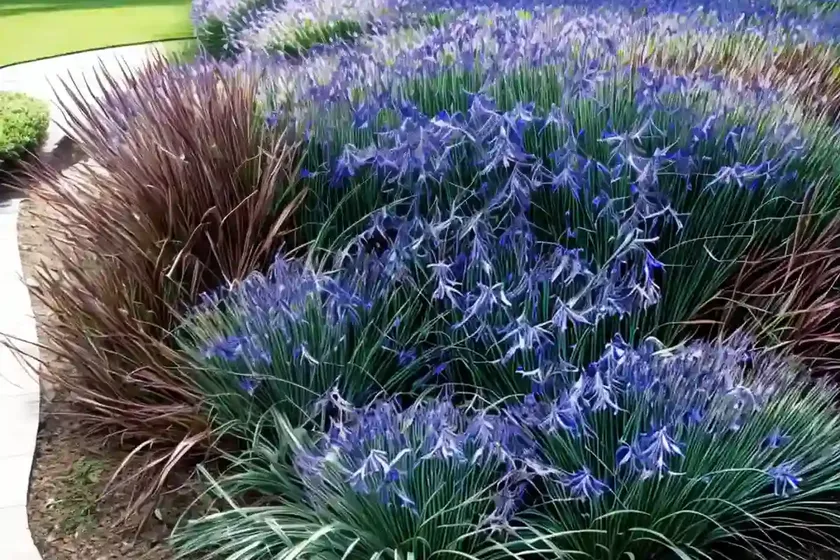
In the realm of gardening and landscaping, Australian Bluebells have garnered attention for their elegant and captivating presence, becoming favored choices for those seeking to infuse their outdoor spaces with natural splendor and tranquility. The plant’s popularity in contemporary gardening trends underscores its timeless allure and enduring appeal.
Conservation Status and Habitat Protection
Given its significance as a native Australian species and its contribution to local ecosystems, efforts to conserve and protect the natural habitats of Australian Bluebells are essential for safeguarding the plant’s enduring presence and ecological significance. Understanding the conservation status and habitat requirements of Australian Bluebells underscores the significance of preserving their natural environments.
By embracing these fun facts and captivating details, we can deepen our appreciation for the enchanting splendor of Australian Bluebells while celebrating their timeless relevance and cultural significance. Now, as we conclude our comprehensive exploration of Australian Bluebells, let’s take a moment to connect with external resources that offer valuable insights and further enrich our understanding of this remarkable species.
Links to External Resources
- Australian National Botanic Gardens – Wahlenbergia stricta
- PlantNet – Wahlenbergia stricta
- Australian Native Plants Society (Australia) – Wahlenbergia stricta
- Department of the Environment and Energy, Australian Government – Wahlenbergia stricta
- Florabank – Bluebell Wahlenbergia stricta
- Atlas of Living Australia – Wahlenbergia stricta
- Australian National Herbarium – Wahlenbergia stricta
In conclusion, the Australian Bluebell (Wahlenbergia Stricta) stands as a testament to the enchanting beauty and ecological significance of native Australian plants. Its captivating presence, cultural symbolism, and timeless charm make it an integral component of Australia’s natural heritage and a cherished presence in gardens and landscapes. By embracing the essence of Australian Bluebells and engaging with their care, propagation, and significant attributes, we can deepen our connection to the captivating world of nature and contribute to the preservation of this remarkable species.
As we continue to embark on our collective journey of discovery and appreciation for the wondrous flora that graces our world, may we find inspiration in the enduring allure of plants such as the Australian Bluebell, celebrating their significance, beauty, and essential contributions to the rich tapestry of our natural world