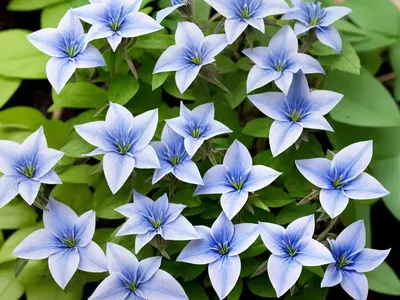
Platycodon Grandiflorus ‘Astra Double Blue’ (Balloon Flower)
Platycodon grandiflorus, commonly known as balloon flower, is a charming perennial plant that is adored for its balloon-like buds that burst open to reveal.
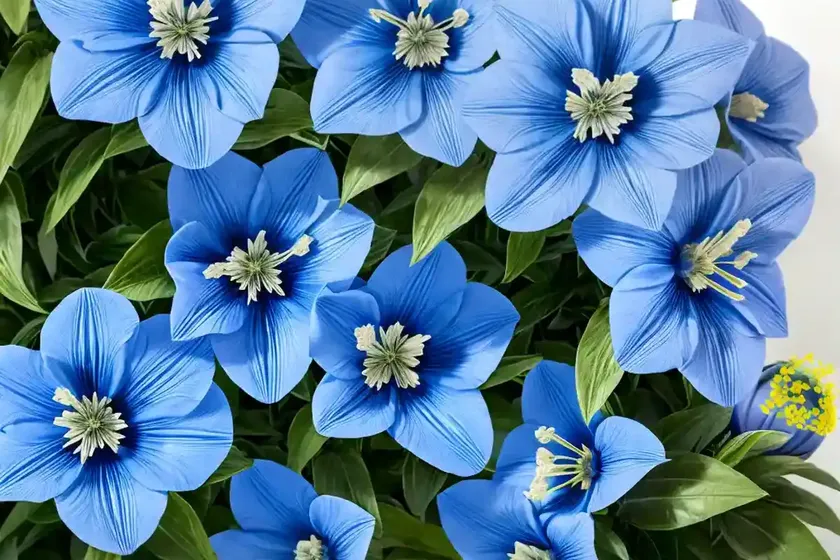
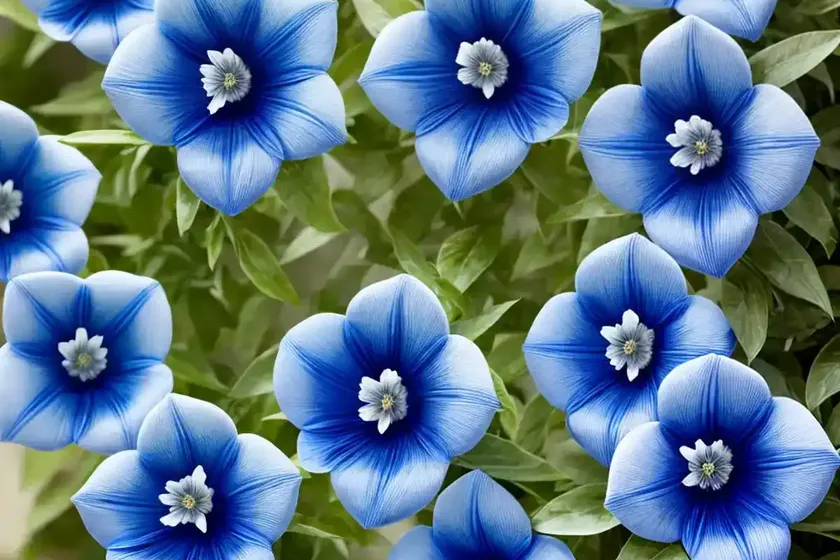
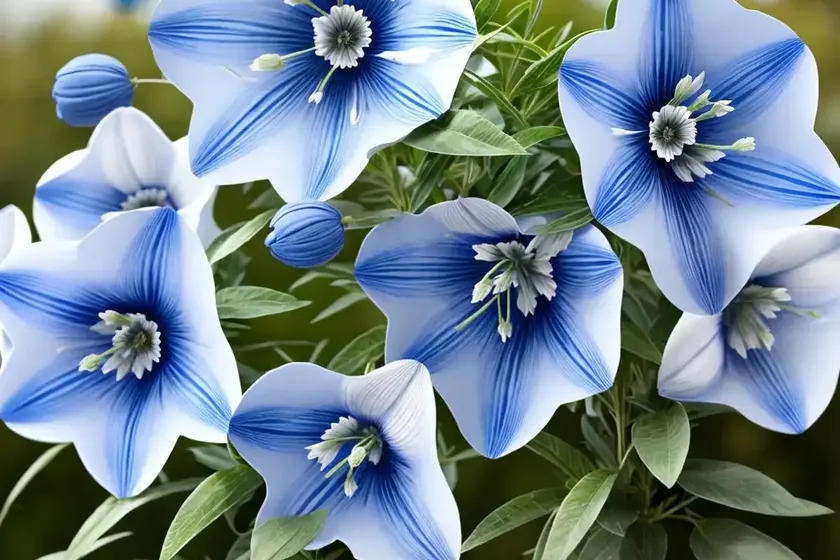
Platycodon grandiflorus, commonly known as balloon flower, is a charming perennial plant that is adored for its balloon-like buds that burst open to reveal star-shaped flowers. One exceptional variety of this plant is the ‘Astra Double Blue,’ which boasts stunning double blue flowers. In this comprehensive guide, we will explore the intricacies of Platycodon grandiflorus ‘Astra Double Blue,’ from its cultivation and care to its uses in landscaping and container gardening.
What is Platycodon grandiflorus ‘Astra Double Blue’?
Platycodon grandiflorus ‘Astra Double Blue’ is a cultivar of the Platycodon grandiflorus species. It is known for its unique double blue flowers and is a popular choice among gardeners who seek to add a touch of elegance to their outdoor spaces. This perennial plant is native to East Asia and belongs to the family Campanulaceae.
Key Takeaways
Before delving into the specifics of Platycodon grandiflorus ‘Astra Double Blue,’ let’s highlight some of the essential key takeaways about this beautiful plant:
- Scientific Name: Platycodon grandiflorus ‘Astra Double Blue’
- Common Name: Balloon Flower
- Flower Color: Double blue
- Cultivation: Perennial
- Uses: Landscaping, cut flowers, containers
- Sunlight: Full sun to partial shade
- Watering: Average watering needs
- Soil: Well-drained, loamy soil
- Hardiness Zones: 3-9
- Height: 12-24 inches
- Planting Season: Spring
- Propagation: Seeds, division
- Container Gardening: Suitable
- Pests: Slugs, snails
- Diseases: Powdery mildew, root rot
Now that we have a brief overview of Platycodon grandiflorus ‘Astra Double Blue,’ let’s dive into the details, starting with its cultivation.
Cultivation of Platycodon grandiflorus ‘Astra Double Blue’
Platycodon grandiflorus ‘Astra Double Blue’ is relatively easy to grow, making it a delightful addition to any garden or landscape. Understanding the cultural requirements of this plant is crucial for its successful cultivation. Here are some key points to consider when cultivating Platycodon grandiflorus ‘Astra Double Blue’:
Water
Balloon flowers, including the ‘Astra Double Blue’ variety, prefer consistently moist but well-drained soil. It’s important not to overwater them, as they are susceptible to root rot in waterlogged conditions. On the other hand, allowing the soil to dry out completely can hinder their growth and blooming. Strive to maintain a balanced watering routine, especially during hot and dry periods.
Sunlight
Platycodon grandiflorus ‘Astra Double Blue’ thrives in full sun to partial shade. While it can tolerate some shade, providing it with at least 6 hours of sunlight per day is ideal for promoting abundant and vibrant flowering.
Fertilizer
When it comes to fertilizing balloon flowers, a balanced, all-purpose fertilizer can be applied in spring as new growth emerges. Follow the instructions on the fertilizer package for the appropriate application rates, and avoid over-fertilizing, as this can lead to excessive foliage at the expense of flowers.
Soil
Well-drained, loamy soil is essential for the successful growth of Platycodon grandiflorus ‘Astra Double Blue.’ Amending the soil with organic matter, such as compost, can improve its texture and fertility, creating an optimal environment for the plant’s roots.
Pruning
While balloon flowers generally do not require extensive pruning, deadheading spent flowers can promote continuous blooming and prevent self-seeding. Additionally, cutting back the plant after the flowering season can help maintain its shape and vigor.
Propagation
Platycodon grandiflorus ‘Astra Double Blue’ can be propagated from seeds or by division. Seeds can be sown directly into the garden in spring, while division of mature clumps can be done in early spring or fall to create new plants.
Uses of Platycodon grandiflorus ‘Astra Double Blue’
Platycodon grandiflorus ‘Astra Double Blue’ offers a multitude of uses in various gardening and landscaping scenarios. Understanding these uses can help gardeners make the most of this versatile plant. Here are some common uses of ‘Astra Double Blue’ in different contexts:
In Landscaping
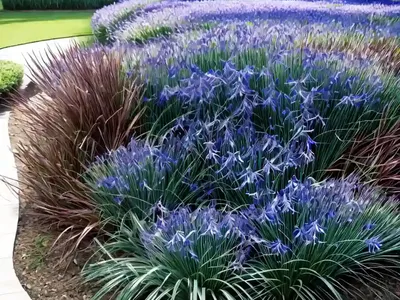
Balloon flowers, including the ‘Astra Double Blue’ variety, are valued for their ornamental beauty and make excellent additions to garden beds, borders, and rock gardens. Their compact size and eye-catching flowers can add color and texture to different areas of the landscape.
As Cut Flowers
The charming double blue flowers of Platycodon grandiflorus ‘Astra Double Blue’ make them excellent candidates for cut flower arrangements, bringing a touch of elegance indoors. The long-lasting blooms and unique appearance of the flowers make them a desirable choice for floral displays.
In Containers
Due to their compact growth habit, balloon flowers are well-suited for container gardening. Whether placed on a patios, balconies, or porches, containers of ‘Astra Double Blue’ can brighten up outdoor spaces with their colorful and long-lasting blooms.
For Pollinators
The nectar-rich flowers of Platycodon grandiflorus ‘Astra Double Blue’ attract pollinators such as butterflies and bees, making them valuable for supporting local ecosystems and promoting biodiversity in the garden.
By leveraging the diverse uses of Platycodon grandiflorus ‘Astra Double Blue,’ gardeners can incorporate this versatile plant into their landscaping and gardening endeavors for maximum visual impact and ecological benefits.
Common Diseases and Pests
Like any other plant, Platycodon grandiflorus ‘Astra Double Blue’ is susceptible to certain diseases and pests. Recognizing and addressing these issues promptly is essential for maintaining the plant’s health and vigor. Here are some common diseases and pests that may affect ‘Astra Double Blue’:
Common Diseases
-
Powdery Mildew: This fungal disease can appear as a powdery, white substance on the leaves and stems, leading to stunted growth and reduced vigor. To prevent powdery mildew, ensure proper air circulation around the plants and avoid overhead watering.
-
Root Rot: Overly wet soil conditions can result in root rot, causing the plant to wilt and decline. To prevent root rot, maintain well-drained soil and avoid overwatering.
Disease Diagnosis
When diagnosing diseases in Platycodon grandiflorus ‘Astra Double Blue,’ it is important to inspect the plant regularly for any signs of discoloration, distortion, or unusual growth patterns. Consult with local horticultural experts or diagnostic laboratories to accurately identify and address any suspected diseases.
Common Pests
-
Slugs and Snails: These mollusks can feed on the tender foliage and flowers of balloon flowers, causing unsightly damage. Employing physical barriers, such as copper tape, and utilizing organic slug and snail baits can help mitigate their presence.
-
Aphids: These tiny, sap-sucking insects can cluster on the new growth of plants, potentially causing distortion and yellowing of the leaves. Natural predators such as ladybugs and lacewings can assist in controlling aphid populations.
Botanist’s Tips for Platycodon grandiflorus ‘Astra Double Blue’
From a botanist’s perspective, understanding the unique characteristics and growth habits of Platycodon grandiflorus ‘Astra Double Blue’ can provide valuable insights for successful plant care. Here are some expert tips for cultivating and appreciating this delightful perennial:
-
Deadhead Spent Flowers: Regularly deadheading the faded blooms of ‘Astra Double Blue’ can encourage continuous flowering and prevent self-seeding in the garden.
-
Monitor Soil Moisture: Balloon flowers are sensitive to overwatering, so it’s important to monitor soil moisture levels and adjust watering practices accordingly.
-
Supporting Stems: In regions with strong winds or heavy rainfall, providing support for the tall stems of Platycodon grandiflorus ‘Astra Double Blue’ can prevent lodging and breakage.
-
Division for Renewal: Periodically dividing mature clumps of balloon flowers can rejuvenate the plants and promote healthier growth, especially if the center of the clumps becomes less productive.
-
Companion Planting: Pairing ‘Astra Double Blue’ with complementary perennials and annuals can enhance the overall aesthetic appeal of the garden and provide mutual benefits for the plants.
By incorporating these botanist’s tips into the care and cultivation of Platycodon grandiflorus ‘Astra Double Blue,’ gardeners can optimize the plant’s growth and performance, ultimately leading to a more rewarding gardening experience.
Fun Facts about Platycodon grandiflorus ‘Astra Double Blue’
Engaging with fun facts about plants can deepen our appreciation for their beauty and resilience. Here are some captivating fun facts about Platycodon grandiflorus ‘Astra Double Blue’:
-
Symbolic Meaning: In the language of flowers, balloon flowers are often associated with unchanging love and constancy, making them meaningful additions to bouquets and floral arrangements.
-
Cultural Significance: In traditional Chinese medicine, the roots of Platycodon grandiflorus, particularly the species notobellae (also known as Doraji), are used for medicinal purposes, believed to offer various health benefits.
-
Rock Garden Gem: Balloon flowers, including the ‘Astra Double Blue’ variety, are prized for their suitability in rock gardens, where their compact size and vivid blooms can create visually appealing displays.
-
Longevity: As a perennial plant, ‘Astra Double Blue’ has the potential to grace gardens with its exquisite flowers for many years, provided it receives proper care and maintenance.
-
Cut and Dried Flowers: The long-lasting nature of Platycodon grandiflorus ‘Astra Double Blue’ makes it a desirable option for cutting and drying, enabling individuals to enjoy its beauty indoors long after the flowering season.
These fun facts highlight the diverse and remarkable aspects of Platycodon grandiflorus ‘Astra Double Blue,’ shedding light on its cultural, horticultural, and ecological significance.
External Resources
For further information and in-depth resources on Platycodon grandiflorus ‘Astra Double Blue,’ consider exploring the following external links:
- Platycodon grandiflorus: Astra Double Blue – Missouri Botanical Garden
- Growing Balloon Flowers – The Spruce
- Balloon Flower: A Field Guide – Garden Design
These external resources offer valuable insights, tips, and guidance for enthusiasts and horticulturalists eager to delve deeper into the world of Platycodon grandiflorus ‘Astra Double Blue’ and its captivating characteristics.
In conclusion, Platycodon grandiflorus ‘Astra Double Blue’ stands out as a captivating and versatile plant, offering beauty, resilience, and manifold uses. By understanding its cultivation, care, uses, and unique attributes, gardeners can embrace the enchanting presence of this perennial in their outdoor spaces and appreciate its enduring charm year after year.