Piperaceae (Piperaceae)
Piperaceae, commonly known as the pepper family, is a diverse and intriguing group of plants that includes over 3,600 species. These plants are known for.
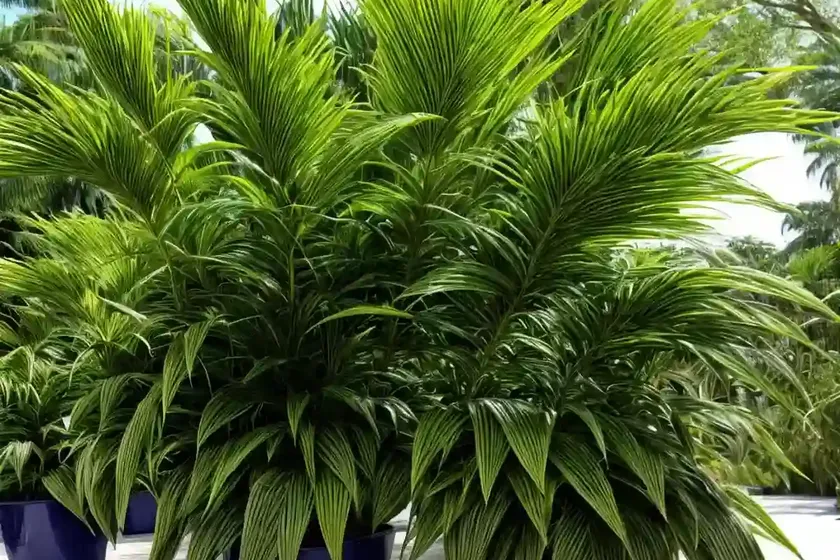
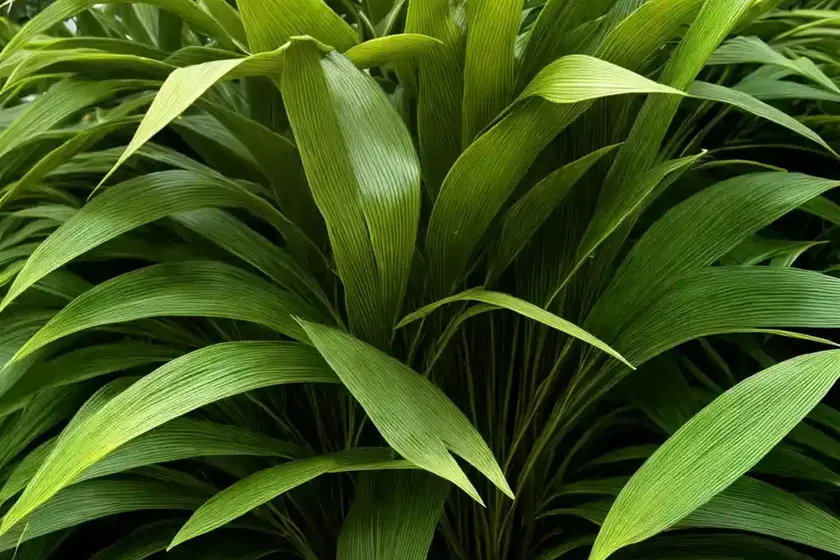

Piperaceae, commonly known as the pepper family, is a diverse and intriguing group of plants that includes over 3,600 species. These plants are known for their unique characteristics, cultural significance, and varied uses. In this comprehensive guide, we will explore the key features of Piperaceae plants, their cultivation, maintenance, and much more. Whether you are a seasoned plant enthusiast or just beginning your journey into the world of botany, this article will provide valuable insights into the captivating world of Piperaceae plants.
What is Piperaceae (Piperaceae)?
Piperaceae is a family of flowering plants that encompass a wide range of species, each with its unique traits and attributes. This diverse family is known for its economic and ecological significance, making it a subject of interest for botanists, horticulturists, and researchers worldwide. The Piperaceae family includes several well-known genera, such as Piper, Peperomia, and Manekia, each contributing to the overall diversity and allure of the family.
With a global distribution, Piperaceae plants can be found in various habitats, from tropical rainforests to subtropical regions. The distinctive characteristics of Piperaceae plants, including their reproductive structures, growth habits, and ecological adaptations, make them a fascinating subject for scientific exploration and horticultural pursuits.
In the following sections, we will delve into the key takeaways, cultivation practices, maintenance tips, and interesting facts about Piperaceae plants, offering a holistic view of these remarkable botanical wonders.
Key Takeaways – Piperaceae (Piperaceae)
Plant Characteristics
- Piperaceae family encompasses over 3,600 plant species, each with unique morphological and physiological traits.
- The plants in this family range from small herbaceous species to woody climbers, demonstrating remarkable diversity in form and structure.
- Piperaceae plants are known for their distinctive inflorescences and aromatic foliage, contributing to their cultural and ecological significance.
Taxonomy and Classification
- The Piperaceae family belongs to the order Piperales, which also includes the Saururaceae family.
- The family is further classified into multiple genera, such as Piper, Peperomia, and Manekia, each containing numerous species with distinct taxonomic characteristics.
Distribution and Habitat
- Piperaceae plants are found in various regions worldwide, with a particular emphasis on tropical and subtropical areas.
- These plants exhibit a wide ecological range, adapting to diverse habitats, including rainforests, savannas, and montane regions.
Cultural and Medicinal Significance
- Many species within the Piperaceae family are utilized for their culinary and medicinal properties, particularly in traditional healing practices.
- The cultural significance of Piperaceae plants extends to various indigenous communities, where they hold symbolic and ritualistic importance.
Conservation and Environmental Impact
- Certain Piperaceae species play a role in maintaining ecological balance and supporting local biodiversity within their native habitats.
- Conservation efforts are essential to safeguarding threatened species and preserving the genetic diversity of Piperaceae plants.
Botanical Diversity and Adaptations
- Piperaceae plants demonstrate a wide array of adaptations, including specialized reproductive structures, seed dispersal mechanisms, and physiological responses to environmental stimuli.
- The genetic diversity and evolutionary history of Piperaceae plants contribute to their resilience and ability to thrive in diverse ecosystems.
Gardening and Horticultural Relevance
- Many Piperaceae species are cultivated for ornamental purposes, contributing to indoor and outdoor gardening practices.
- Understanding the specific cultivation requirements and maintenance techniques is essential for successful growth and propagation of Piperaceae plants.
By gaining insights into these key takeaways, we can appreciate the intricate nature of Piperaceae plants and the vital role they play in our natural and cultural landscapes.
Culture
In this section, we will explore the cultural significance of Piperaceae plants and their traditional uses in various societies. From culinary applications to medicinal properties, Piperaceae plants have been an integral part of human culture for centuries.
Culinary Uses
Piperaceae plants, particularly those in the Piper genus, are renowned for their culinary significance. Black pepper (Piper nigrum) is one of the most widely used spices globally, valued for its pungent flavor and aromatic qualities. The dried fruits of Piper nigrum are used as whole peppercorns or ground into a fine powder, adding depth and richness to culinary dishes.
Additionally, other Piperaceae species, such as Piper umbellatum and Piper auritum, are utilized in traditional cuisines, contributing unique flavors and fragrances to regional dishes. The use of Piperaceae plants in culinary practices underscores their cultural and economic importance, making them coveted commodities in global spice trade.
Medicinal Properties
Beyond their culinary allure, Piperaceae plants harbor valuable medicinal properties, offering a diverse range of potential health benefits. The active compounds found in certain species have been utilized in traditional medicine for various ailments, ranging from digestive disorders to respiratory conditions.
Piper methysticum, commonly known as kava, is a prime example of a Piperaceae plant with medicinal significance. The roots of Piper methysticum are traditionally used to prepare a soothing beverage that induces relaxation and alleviates anxiety, serving as a cultural and therapeutic staple in certain Pacific island cultures.
Moreover, the aromatic and bioactive compounds present in Piperaceae plants have sparked scientific interest, leading to research on their pharmacological potential and possible applications in modern medicine. By exploring the medicinal properties of Piperaceae plants, we can gain valuable insights into their role in traditional healing practices and potential contributions to pharmaceutical advancements.
Symbolism and Rituals
Piperaceae plants hold symbolic and ritualistic significance in various cultures, often featuring in ceremonial practices, folklore, and spiritual rituals. Their aromatic foliage and unique growth habits have made them integral components of traditional ceremonies, signifying prosperity, protection, and spiritual connections.
In regions such as Southeast Asia and the Pacific Islands, Piperaceae plants are woven into symbolic offerings and decorative arrangements, symbolizing auspicious occasions and invoking positive energies. Their cultural symbolism adds an enriching layer to the multifaceted significance of Piperaceae plants, highlighting the deep-rooted connections between nature and human society.
Understanding the cultural context of Piperaceae plants provides a holistic perspective on their enduring importance in diverse traditions and customs, enriching our appreciation for these botanical treasures.
Uses
Piperaceae plants serve a multitude of purposes, from culinary and medicinal applications to ornamental and ecological functions. Their diverse uses make them indispensable components of human societies and natural ecosystems, contributing to various aspects of daily life and environmental sustainability.
Culinary Applications
- The fruits and leaves of Piperaceae plants are utilized as flavoring agents, spices, and herbal ingredients in a wide range of cuisines.
- Black pepper (Piper nigrum) and long pepper (Piper longum) are prominent examples of Piperaceae species utilized in culinary preparations, imparting distinct flavors and aromas to dishes.
Medicinal Utilization
- Piperaceae plants possess bioactive compounds with potential therapeutic properties, leading to their inclusion in traditional medicine systems.
- Various species, such as Piper methysticum and Piper auritum, are esteemed for their medicinal uses, addressing conditions like anxiety, digestive disorders, and inflammatory ailments.
Ornamental Purposes
- Certain Piperaceae species, particularly those within the Peperomia genus, are cultivated for their ornamental foliage, making them popular houseplants and decorative additions to indoor spaces.
- The diverse leaf shapes, colors, and textures of Piperaceae plants contribute to their aesthetic appeal, elevating interior design and horticultural practices.
Ecological Significance
- Piperaceae plants play a role in supporting local biodiversity, providing habitat and food sources for diverse flora and fauna within their native ecosystems.
- Their ecological contributions underscore the interconnectedness of plant species and their impact on ecosystem dynamics.
By exploring the varied uses of Piperaceae plants, we gain a comprehensive understanding of their significance in human culture, traditional healing practices, horticulture, and ecological conservation.
Water
Proper watering practices are essential for maintaining the health and vitality of Piperaceae plants. As with any plant species, understanding their specific water requirements is crucial for preventing water stress or root-related issues. Let’s delve into the optimal watering guidelines for Piperaceae plants, ensuring their sustained growth and well-being.
Water Requirements
- Piperaceae plants generally prefer consistent moisture levels in their growing medium, avoiding prolonged periods of dryness or waterlogged conditions.
- Before watering, it is advisable to perform a soil moisture assessment by gently probing the top layer of the growing medium. If the soil feels dry to the touch, it indicates the need for watering.
Watering Frequency
- The frequency of watering will largely depend on environmental factors, such as temperature, humidity, and light exposure, as well as the specific species and growth stage of the Piperaceae plant.
- During the active growing season, regular watering may be necessary, while adjustments should be made during dormancy or reduced growth periods.
Watering Techniques
- When watering Piperaceae plants, it is advisable to apply water evenly across the entire root zone, allowing the growing medium to absorb the moisture thoroughly.
- Avoid waterlogging or creating saturated conditions, as this can lead to root rot and other moisture-related maladies.
Signs of Overwatering and Underwatering
- Overwatering may manifest as yellowing or wilting foliage, accompanied by a musty odor from the soil and potential root decay.
- Underwatering, on the other hand, may cause drooping or shriveled leaves, indicating the need for prompt irrigation to rehydrate the plant.
Water Quality
- It is recommended to use room-temperature water of moderate hardness when watering Piperaceae plants, avoiding extremes in pH or mineral content.
- Rainwater or filtered water can be beneficial in regions with elevated levels of dissolved salts or minerals in the local water supply.
By adopting mindful watering practices and closely monitoring the moisture requirements of Piperaceae plants, we can foster their optimal growth and resilience, ensuring they thrive in their cultivated environment.
Sunlight
Understanding the light requirements of Piperaceae plants is crucial for achieving favorable growth and maintaining their overall health. As with most plant species, adequate light exposure plays a pivotal role in photosynthesis, energy production, and physiological processes. Let’s explore the sunlight preferences of Piperaceae plants, offering insights into their optimal light conditions.
Light Intensity
- Piperaceae plants generally prefer moderate to bright, indirect light, mimicking the dappled conditions found in their native habitats, such as tropical forests and understory environments.
- Excessive direct sunlight can lead to leaf scorch or bleaching, especially for species that are naturally accustomed to shaded conditions.
Sunlight Duration
- Providing consistent light exposure for 6 to 8 hours per day is beneficial for most Piperaceae species, ensuring they receive the necessary energy for photosynthesis and metabolic activities.
- During the dormant or resting periods, adjustments in light duration and intensity may be required to accommodate the plant’s natural growth cycles.
Supplemental Lighting
- In indoor settings, supplemental lighting, such as fluorescent or LED grow lights, can be utilized to augment natural light levels, particularly during the winter months or in spaces with limited natural light availability.
- Choosing the appropriate light spectrum and intensity is essential for promoting healthy growth and minimizing potential light-related stress.
Light Positioning
- Positioning Piperaceae plants near east or west-facing windows is generally favorable, providing gentle morning or afternoon sunlight without the harsh intensity of midday rays.
- Rotating the plant periodically ensures even light distribution across all foliage, preventing uneven growth or leaning towards a particular light source.
Indicators of Light Stress
- Insufficient light may result in leggy growth, faded or pale foliage, and reduced overall vigor, indicating the need for improved light conditions.
- Conversely, excessive light exposure can cause leaf burn, sunscald, or accelerated moisture loss, necessitating relocation to a more shaded area.
By nurturing Piperaceae plants with suitable light levels and exposures, we can optimize their growth and vitality, allowing them to thrive in their designated growing spaces.
Fertilizer
Fertilization plays a vital role in sustaining the growth and vigor of Piperaceae plants, providing essential nutrients for foliage development, flowering, and overall plant health. Understanding the appropriate fertilization practices, including the type of fertilizers, application frequency, and dosage, is crucial for fostering optimal growth and resilience in Piperaceae species.
Nutrient Requirements
- Piperaceae plants benefit from a balanced fertilizer formulation containing essential macronutrients, such as nitrogen (N), phosphorus (P), and potassium (K), as well as secondary and micronutrients.
- Nitrogen supports foliage growth, phosphorus encourages root development and flowering, and potassium contributes to overall plant vigor and stress tolerance.
Fertilizer Selection
- Choosing a well-balanced, water-soluble fertilizer with a balanced NPK ratio, such as 10-10-10 or 20-20-20, is suitable for Piperaceae plants, providing a comprehensive array of nutrients for their growth requirements.
- Alternatively, organic fertilizers, such as compost tea or liquid seaweed extracts, can offer a natural and gentle approach to fertilization, enriching the soil with organic matter and beneficial microorganisms.
Application Frequency
- During the active growing season, Piperaceae plants benefit from regular fertilization every 4 to 6 weeks, ensuring they receive a consistent supply of essential nutrients for sustained growth and vitality.
- Adjustments in the fertilization schedule may be necessary during dormancy or reduced growth periods, reducing the frequency of applications.
Dosage and Dilution
- Following the manufacturer’s instructions for dilution and application rates is essential to prevent overfertilization and potential harm to the plant’s root system.
- Diluting the fertilizer to half or quarter strength is advisable, particularly for young or newly established Piperaceae plants, gradually increasing the dosage as the plants mature.
Fertilizer Application
- Applying the fertilizer solution to moistened soil helps prevent root burn and ensures even distribution of nutrients throughout the root zone.
- Foliar feeding, while not typically recommended for Piperaceae plants, can be utilized with caution, particularly for micronutrient supplementation or addressing specific nutrient deficiencies.
By implementing a well-considered fertilization regimen and closely monitoring the nutrient requirements of Piperaceae plants, we can promote robust growth, vibrant foliage, and overall plant well-being.
Soil
Selecting the appropriate growing medium is fundamental to the successful cultivation of Piperaceae plants, providing them with the essential support, aeration, and moisture retention necessary for healthy root development and overall growth. Understanding the ideal soil requirements for Piperaceae species is paramount to creating an optimal growing environment for these plants.
Growing Medium Composition
- Piperaceae plants thrive in a well-draining, aerated growing medium that offers a balanced combination of organic matter, moisture retention, and sufficient airspace for root development.
- A standard potting mix formulated for tropical or foliage plants, enriched with perlite or coarse sand, provides the ideal substrate for Piperaceae species.
pH Considerations
- Maintaining a slightly acidic to neutral pH range, around 5.5 to 7.0, is beneficial for Piperaceae plants, fostering optimal nutrient uptake and root health.
- Periodic soil pH testing and adjustments help ensure the growing medium remains within the preferred range, avoiding potential nutrient imbalances or deficiencies.
Moisture Retention
- Piperaceae plants favor a growing medium that retains adequate moisture without becoming waterlogged, striking a balance between hydration and aeration for the root system.
- Incorporating moisture-retentive amendments, such as peat moss or coconut coir, can enhance the water-holding capacity of the soil, promoting consistent moisture levels for the plants.
Aeration and Drainage
- Providing ample airspace within the growing medium facilitates oxygen exchange for the roots and prevents the accumulation of excess moisture, reducing the risk of root rot and water-related issues.
- Coarse materials, like perlite, pumice, or orchid bark, contribute to improved soil aeration and drainage, creating a favorable environment for the root system.
Sterilization and Disease Prevention
- Utilizing sterile growing medium or pasteurizing the soil mix before potting Piperaceae plants helps mitigate the risk of soil-borne pathogens and pests, safeguarding the plants from potential diseases.
- Routine monitoring for signs of soil-borne issues, such as fungal growth, root discoloration, or pest infestations, allows for timely intervention and disease management.
By creating a well-balanced, nutrient-rich growing medium and adhering to appropriate soil management practices, we can establish an optimal foundation for the growth and flourishing of Piperaceae plants, supporting their long-term health and vitality.
Pruning
Pruning is an essential aspect of plant maintenance, shaping the growth, improving aesthetics, and fostering overall health in Piperaceae plants. Understanding the principles of pruning and the specific requirements of Piperaceae species allows for effective management of their growth and enhances their ornamental appeal.
Pruning Objectives
- Pruning aims to remove dead or damaged foliage, promote new growth, maintain plant size and shape, and improve air circulation within the foliage canopy.
- By addressing overgrown or leggy growth, pruning enhances the overall appearance and structural integrity of Piperaceae plants, contributing to their aesthetic presentation.
Tools and Equipment
- Utilizing clean, sharp pruning shears or scissors ensures precise cuts and minimizes potential damage to the plant tissue, promoting rapid healing and reduced susceptibility to pests and diseases.
- Disinfecting the pruning tools between each cut or when moving to a new plant prevents the spread of pathogens and minimizes the risk of cross-contamination.
Deadheading and Maintenance Pruning
- Removing spent flowers, yellowed leaves, or damaged foliage contributes to a tidier appearance and redirects the plant’s energy towards new growth and flower production.
- Maintenance pruning allows for the removal of errant stems, overcrowded foliage, and crossing branches, optimizing the overall form and structure of Piperaceae plants.
Size and Shape Management
- Piperaceae plants can be pruned to control their size and shape, ensuring they fit within the designated growing space and maintain a balanced growth habit.
- Trimming back excessively long or unruly stems and promoting lateral branching contributes to a compact and well-proportioned appearance.
Rejuvenation Pruning
- Periodic rejuvenation pruning, particularly for older or leggy Piperaceae plants, involves selective removal of older wood or overgrown branches, stimulating new growth and rejuvenating the plant’s vigor.
- Pruning in moderation and over multiple seasons minimizes stress on the plant and allows for gradual rejuvenation without compromising its overall health.
By implementing appropriate pruning practices and adhering to mindful techniques, we can enhance the aesthetics, health, and longevity of Piperaceae plants, ensuring they remain vibrant and well-kept components of indoor and outdoor spaces.
Propagation
Propagating Piperaceae plants is an enriching endeavor, allowing for the multiplication of beloved species and the exploration of new genetic variations. Understanding the various propagation methods, including seed propagation, division, and stem cuttings, offers opportunities for expanding the population


