Pepperomia Moonlight (Peperomia “Moonlight”)
Plants play a significant role in our environment, enriching our lives in numerous ways. They not only purify the air and add a dash of nature to our.
Introduction
Plants play a significant role in our environment, enriching our lives in numerous ways. They not only purify the air and add a dash of nature to our indoor spaces, but also offer an array of benefits in terms of aesthetics and even well-being. Among the vast variety of plants, the Pepperomia Moonlight, scientifically known as Peperomia “Moonlight,” is a fascinating species that has captured the attention of plant enthusiasts and interior decorators.
In this comprehensive guide, we will explore the captivating world of Pepperomia Moonlight, delving into aspects such as its cultural requirements, maintenance, common issues, and its potential uses. Whether you are an experienced gardener or a novice seeking to embrace the joys of plant care, this guide will furnish you with valuable insights and effective techniques for nurturing this charming plant.
What is Pepperomia Moonlight (Peperomia “Moonlight”)?
Pepperomia Moonlight, or scientifically referred to as Peperomia “Moonlight,” is a tropical perennial plant that hails from the family Piperaceae. It is native to South and Central America, thriving in the warm and humid conditions of rainforests. This delightful plant is valued for its vibrant and eye-catching foliage, making it a popular choice among indoor plant enthusiasts.
Plant Characteristics
The Peperomia “Moonlight” plant boasts several distinguishing features that contribute to its allure. Some of the key characteristics include:
-
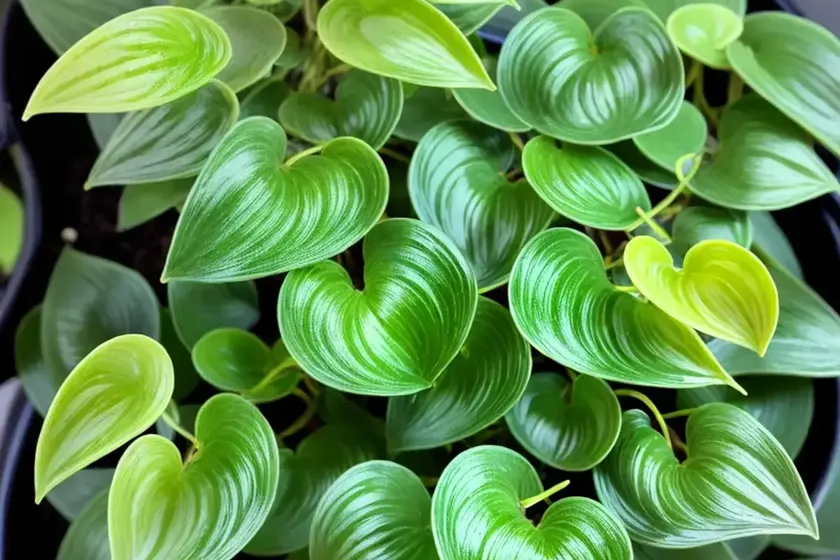
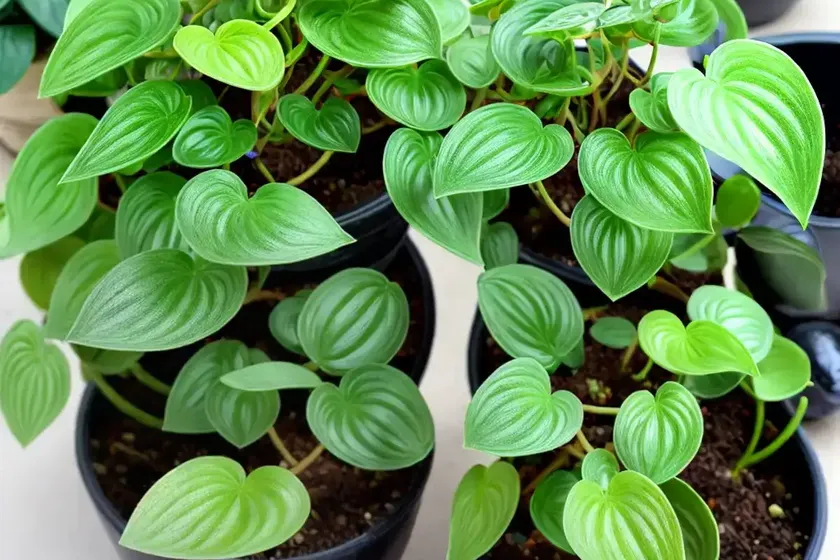
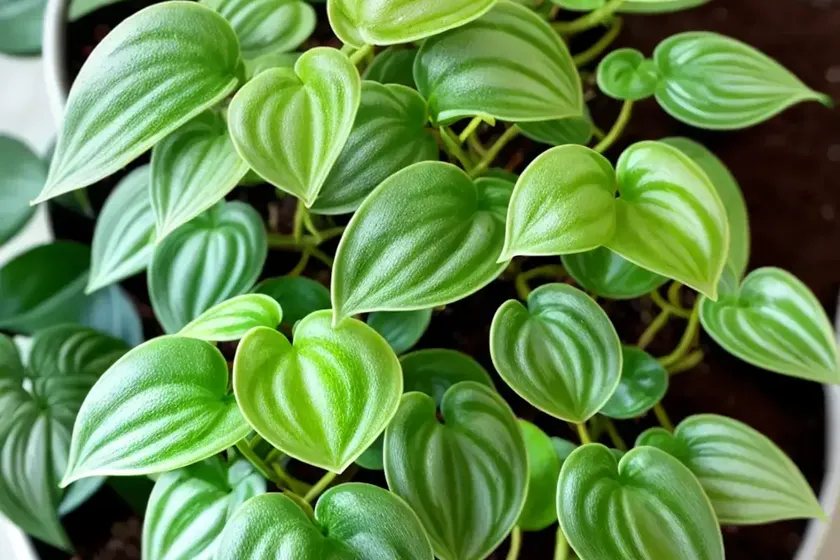
Leaves: The leaves of the Pepperomia Moonlight are its most striking feature, displaying a lovely combination of green and yellow hues. The leaves are heart-shaped with prominent veins, adding to its visual appeal.
-
Growth Habit: This plant typically grows to a compact size, making it an excellent option for small spaces and container gardens.
-
Low Maintenance: The Pepperomia Moonlight is known for its low-maintenance nature, making it a suitable choice for both experienced and novice plant enthusiasts.
With its unique leaf pattern and ease of care, Pepperomia Moonlight has become a sought-after plant for indoor and urban gardening.
Key Takeaways – Pepperomia Moonlight (Peperomia “Moonlight”)
Culture
-
Origin: Native to South and Central America, the Pepperomia Moonlight thrives in tropical climates, particularly in the lush rainforests of these regions.
-
Suitable Environments: This plant is well-suited for indoor cultivation, thriving in controlled environments with adequate light and humidity. It is an excellent choice for urban gardening due to its compact size and low maintenance requirements.
-
Aesthetic Appeal: The Pepperomia Moonlight is esteemed for its visually appealing foliage, making it an ideal ornamental plant for interior spaces.
Uses
-
Decorative Purposes: Its vibrant and patterned leaves make the Pepperomia Moonlight an attractive addition to home and office spaces, serving as an ornamental plant that can uplift the ambiance and aesthetic appeal of any environment.
-
Terrariums and Small Spaces: Its compact size and attractive foliage make it an excellent choice for terrariums and small gardens, adding a touch of greenery to these confined spaces.
Now, let’s delve into the specific care requirements to ensure the optimal health and growth of the Pepperomia Moonlight.
Water
Watering Needs
Proper watering is crucial for the health and well-being of the Pepperomia Moonlight, as it assists in maintaining its vibrant foliage and overall vitality. Here are some essential considerations regarding its water requirements:
-
Frequency: The Pepperomia Moonlight prefers moderately moist conditions. Water the plant when the top layer of the soil feels dry to the touch, ensuring that excess water drains out from the bottom of the pot. This prevents waterlogging, which can lead to root rot and other issues.
-
Water Quality: Use room-temperature water to avoid shocking the plant’s roots. Additionally, distilled or filtered water is recommended, as it eliminates the risk of mineral build-up in the soil.
-
Misting: As a tropical plant, Pepperomia Moonlight benefits from occasional misting to create a humid microclimate around the plant. This is particularly beneficial in indoor environments with dry air, as it helps mimic the plant’s natural habitat.
Overwatering and Underwatering
To maintain the optimal moisture level, it is essential to strike a balance and avoid both overwatering and underwatering. Overwatering can lead to root rot and other fungal diseases, while underwatering can cause the plant to wilt and its leaves to lose their luster.
-
Signs of Overwatering: Yellowing or browning of leaves, a soggy or foul-smelling soil, and wilting despite adequate light can indicate overwatering.
-
Signs of Underwatering: Drooping or wilting leaves, dry and brittle soil, and a lack of new growth are indicators of underwatering.
Ensuring that the Pepperomia Moonlight receives the right amount of water is fundamental in promoting its health and longevity.
Sunlight
Light Preferences
Proper sunlight exposure is essential for the Pepperomia Moonlight to thrive and display its characteristic vibrant foliage. Consider the following aspects when determining its light requirements:
-
Indirect Light: The Pepperomia Moonlight prefers bright, indirect light. Position the plant near a window or in locations that receive filtered sunlight, ensuring that it is shielded from harsh, direct sunlight.
-
Natural Rhythms: Mimic its natural habitat by providing the plant with a consistent light schedule. Avoid placing it in areas with fluctuating light conditions to prevent stress and potential damage to its leaves.
-
Adjustments for Seasons: During the summer months, when the sun’s intensity is higher, consider moving the plant slightly further from the window or using sheer curtains to filter the light. In contrast, during winter, when sunlight is scarce, ensure that the plant receives adequate illumination by positioning it closer to the window.
Light-related Issues
Improper light conditions can result in several issues for the Pepperomia Moonlight, affecting its growth and overall vitality. Understanding and addressing these issues is crucial in maintaining the plant’s health.
-
Leaf Burn: Direct exposure to intense sunlight can lead to leaf burn, causing discoloration and damage to the leaves.
-
Leggy Growth: Insufficient light can cause the plant to exhibit leggy growth, characterized by elongated stems and sparse foliage. This diminishes the plant’s aesthetic appeal and can affect its overall health.
By providing the Pepperomia Moonlight with the appropriate light conditions, you can ensure that it flourishes and showcases its stunning foliage to its fullest potential.
Fertilizer
Nutrient Requirements
Appropriate fertilization is essential for sustaining the growth and vibrancy of the Pepperomia Moonlight. However, as a relatively low-maintenance plant, it has specific fertilizer needs that should be carefully considered:
-
Frequency: Fertilize the Pepperomia Moonlight during the growing season, typically from spring to early autumn. Apply a balanced, water-soluble fertilizer diluted to half-strength every 4 to 6 weeks.
-
Nutrient Balance: The Pepperomia Moonlight benefits from a balanced fertilizer with an equal ratio of nitrogen, phosphorus, and potassium. This supports healthy foliage growth and overall plant vigor.
-
Organic Options: Consider using organic fertilizers or specialized fertilizers formulated for tropical plants to provide the Pepperomia Moonlight with essential nutrients while minimizing the risk of chemical build-up in the soil.
Fertilizer Application Tips
To ensure effective and safe fertilization, adhere to the following guidelines when applying fertilizer to the Pepperomia Moonlight:
-
Moisten the Soil: Always apply fertilizer to moist soil to prevent the risk of root damage and enhance nutrient absorption.
-
Avoid Excess Fertilizer: Over-fertilization can lead to salt build-up in the soil, causing damage to the plant’s roots. Adhere to the recommended dilution and frequency to prevent this issue.
By providing the Pepperomia Moonlight with the appropriate nutrients, you can support its growth and ensure the longevity of its stunning foliage.
Soil
Soil Composition
The right soil composition is crucial for ensuring the optimal growth and health of the Pepperomia Moonlight. Consider the following factors when selecting or preparing the soil for this plant:
-
Well-draining Mix: The Pepperomia Moonlight thrives in well-draining soil to prevent waterlogging and maintain appropriate moisture levels. A combination of peat moss, perlite, and coarse sand is ideal for promoting adequate drainage.
-
Aeration and Texture: The soil should be well-aerated and possess a light, airy texture to facilitate proper root development and prevent compaction.
-
Acidic pH: The Pepperomia Moonlight prefers slightly acidic soil, with a pH range between 6.0 to 6.6. Test the soil periodically to ensure that it maintains the appropriate pH levels.
Repotting Guidelines
Periodic repotting is necessary for the Pepperomia Moonlight to prevent root congestion and promote healthy growth. Follow these guidelines when repotting this charming plant:
-
Repotting Frequency: Repot the Pepperomia Moonlight every 2 to 3 years, or when the plant outgrows its current container.
-
Size Considerations: Choose a slightly larger pot when repotting, allowing room for the plant’s roots to spread and grow. Ensure that the new pot has adequate drainage holes to prevent waterlogging.
-
Soil Replacement: When repotting, replace the old soil with fresh, well-draining mix to refresh the nutrients and optimize the growing conditions for the plant.
By providing the Pepperomia Moonlight with a suitable soil environment and tending to its repotting needs, you can foster its health and flourishing growth.
Pruning
Pruning Techniques
Pruning is an essential aspect of Pepperomia Moonlight care, contributing to the plant’s aesthetic appeal and overall vitality. Use the following techniques to effectively prune this delightful plant:
-
Remove Damaged Foliage: Regularly inspect the plant for any damaged or yellowing leaves and trim them off using sanitized pruning shears. This not only enhances the plant’s appearance but also promotes new growth.
-
Control Long Stems: If the Pepperomia Moonlight displays leggy growth or long, straggly stems, consider trimming them back to maintain a compact and bushy appearance.
-
Propagation: Pruning also presents an opportunity for propagation, as the cuttings obtained from the Pepperomia Moonlight can be used to grow new plants.
Disease Prevention
Pruning serves as a proactive measure in preventing diseases and addressing potential issues before they escalate:
- Enhanced Air Circulation: By removing excess foliage and congested growth, pruning improves air circulation around the plant, reducing the risk of fungal diseases and promoting overall plant health.
By incorporating regular pruning into your care routine for the Pepperomia Moonlight, you can maintain its aesthetics and mitigate potential health issues.
Propagation
Propagation Methods
The Pepperomia Moonlight can be propagated through various methods, allowing you to expand your collection of these charming plants or share them with fellow enthusiasts. Consider the following propagation techniques:
-
Leaf Cuttings: Obtain healthy leaf cuttings from the mother plant and place them in a moist, well-draining propagation mix. Provide adequate warmth and humidity to encourage root development.
-
Stem Cuttings: Cut a section of the plant’s stem with multiple leaves and place it in a suitable propagation medium. Ensure that the cuttings receive consistent moisture and warmth for successful rooting.
-
Division: If the Pepperomia Moonlight has multiple stems or offshoots, gently divide the plant into smaller sections and establish them as individual plants.
Propagation Tips
Achieving successful propagation requires attention to detail and adherence to specific care guidelines:
-
Maintain Optimal Conditions: Provide the propagating cuttings or divisions with consistent warmth, humidity, and indirect light to support root development.
-
Patience and Monitoring: Allow sufficient time for the cuttings to root, periodically inspecting them for signs of new growth. Be patient and attentive during the propagation process to ensure its success.
By mastering the art of propagation, you can multiply the charm of the Pepperomia Moonlight and expand your collection of these delightful plants.
Container Popularity
Indoor Appeal
The compact size and alluring foliage of the Pepperomia Moonlight make it a popular choice for indoor cultivation and display. Consider the following factors that contribute to its widespread container popularity:
-
Size: The Pepperomia Moonlight’s modest size allows it to thrive in containers, making it an ideal choice for apartments, homes, and offices with limited space.
-
Aesthetic Value: Its vibrant and patterned leaves add an aesthetic appeal to any indoor environment, elevating the ambiance and serving as eye-catching decor.
-
Low Maintenance: The Pepperomia Moonlight’s low-maintenance nature makes it an accessible and hassle-free option for individuals seeking to introduce greenery into their indoor spaces.
Container Selection
When choosing containers for the Pepperomia Moonlight, consider the following factors to ensure the optimal growth and visual impact of the plant:
-
Drainage: Select containers with adequate drainage holes to prevent waterlogging and ensure proper moisture levels for the plant’s roots.
-
Aesthetic Complement: Choose containers that complement the plant’s foliage and contribute to the overall aesthetic of the indoor space. Consider factors such as color, texture, and material when selecting the containers.
-
Size Considerations: Opt for containers that provide ample room for the plant’s roots to grow and spread, preventing congestion and promoting healthy growth.
By embracing the Pepperomia Moonlight as an indoor container plant, you can add a touch of nature and elegance to your indoor spaces while delighting in its charming presence.
Common Diseases
Disease Diagnosis
Although the Pepperomia Moonlight is a resilient plant, it is susceptible to certain diseases and issues that can affect its health and appearance. Understanding these common diseases and their symptoms is essential for effective diagnosis and treatment:
-
Root Rot: This fungal disease occurs due to overwatering or waterlogged soil, leading to the decay of the plant’s roots. Symptoms include wilting, yellowing leaves, and a foul smell emanating from the soil.
-
Powdery Mildew: Characterized by a powdery white substance on the leaves, powdery mildew can occur in humid and stagnant air conditions. It weakens the plant and affects its overall vigor.
Disease Prevention and Treatment
Implement proactive measures to prevent diseases and address potential issues before they escalate:
-
Adequate Drainage: Ensure that the plant’s soil and its container provide proper drainage to prevent waterlogging and the onset of root rot.
-
Air Circulation: Promote air circulation around the plant by avoiding overcrowding and ensuring adequate spacing between multiple plants.
-
Fungicidal Treatment: If the Pepperomia Moonlight exhibits signs of fungal diseases, such as powdery mildew, apply appropriate fungicidal treatments to combat the issue and protect the plant.
By maintaining a vigilant approach to disease prevention and promptly addressing any symptoms that arise, you can safeguard the health and vitality of the Pepperomia Moonlight.
Common Pests
Identifying Pests
Several common pests can pose a threat to the health and aesthetic appeal of the Pepperomia Moonlight. Understanding their characteristics and the signs of infestation is key to effective pest management:
-
Spider Mites: These tiny arachnids thrive in dry and dusty conditions, often infesting indoor plants. Look for fine webbing on the leaves and stippling, which appears as small, light spots on the foliage.
-
Mealybugs: Mealybugs are white, cottony insects that congregate on the undersides of leaves and in leaf axils. They can weaken the plant and lead to mold growth on the leaves.
Pest Control Measures
Combatting pest infestations requires a multi-faceted approach that incorporates both preventive measures and targeted treatments:
-
Pruning and Isolation: Remove and isolate any affected parts of the Pepperomia Moonlight to prevent the spread of pests to healthy areas of the plant.
-
Natural Predators: Introduce natural predators, such as ladybugs or predatory mites, to control pest populations and restore the plant’s health.
-
Horticultural Oils: Consider using horticultural oils or insecticidal soaps to effectively manage pest infestations while minimizing the impact on the plant and its surrounding environment.
By deploying proactive pest management strategies and promptly addressing infestations, you can protect the Pepperomia Moonlight from the detrimental effects of common pests.
Botanist’s Tips
Expert Insights
Drawing from the expertise of botanists and experienced plant enthusiasts, consider the following tips to enhance your care for the Pepperomia Moonlight and maximize its potential:
-
Consistent Care: Provide the Pepperomia Moonlight with consistent care, including regular watering, appropriate light conditions, and periodic fertilization, to maintain its health and vitality.
-
Observation: Periodically inspect the plant for any signs of stress, disease, or pests, and take prompt action to address any issues that arise.
-
Gentle Handling: When repotting, pruning, or propagating the Pepperomia Moonlight, handle the plant with care to minimize stress and potential damage.
By integrating these botanist-approved tips into your care routine, you can facilitate the optimal growth and well-being of the Pepperomia Moonlight.
Fun Facts
Intriguing Tidbits
Delight in discovering fascinating and lesser-known facts about the Pepperomia Moonlight, enhancing your appreciation for this remarkable plant:
-
The Pepperomia Moonlight is considered an ideal plant for indoors and terrariums due to its compact size and low maintenance requirements, earning it the nickname “Moonlight Terrarium Plant.”
-
Its vibrant foliage makes it a popular choice for contemporary home decor, adding a touch of natural elegance to modern living spaces.
-
The Pepperomia Moonlight is renowned for its air-purifying abilities, effectively removing toxins from indoor environments and contributing to cleaner, fresher air.
By uncovering these captivating fun facts, you can deepen your connection to the Pepperomia Moonlight and recognize its multifaceted charm and potential.
Links to External Resources
For additional information and resources on the care and cultivation of the Pepperomia Moonlight, explore the following insightful references:
- How to Grow and Care for Pepperomia Moonlight – The Spruce
- Pepperomia Moonlight Plant Guide – Houseplant Central
- Benefits of Growing Pepperomia Moonlight – Joy Us Garden
- Peperomia Moonlight Propagation Tips – Gardening Know How
Explore these valuable resources to expand your knowledge and enhance your care practices for the Pepperomia Moonlight, enabling you to cultivate and enjoy this delightful plant to its fullest potential.
In conclusion, the Pepperomia Moonlight, or Peperomia “Moonlight,”


