Piper Peperomia (Peperomia Scandens ‘Green’)
Piper peperomia, or Peperomia scandens ‘Green’, is a popular trailing plant that belongs to the Piperaceae family. It is also commonly referred to as.
What is Piper Peperomia (Peperomia Scandens ‘Green’)?
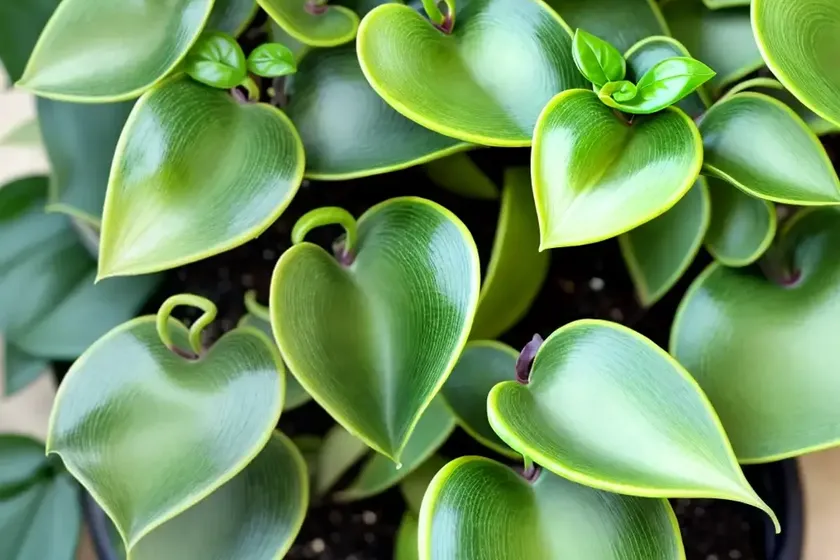
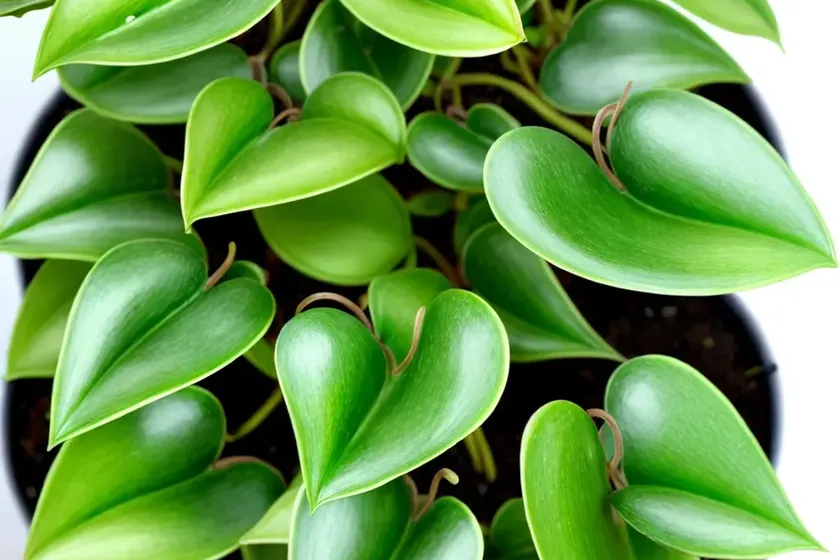
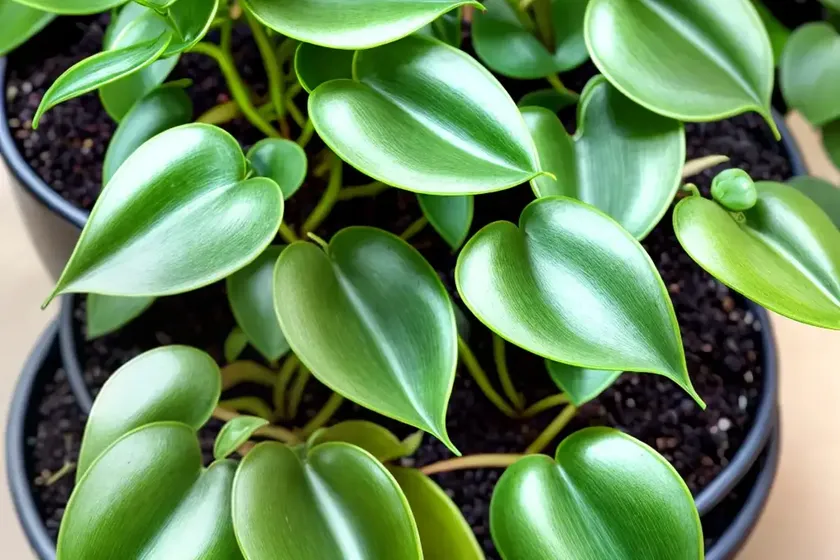
Piper peperomia, or Peperomia scandens ‘Green’, is a popular trailing plant that belongs to the Piperaceae family. It is also commonly referred to as “cupid peperomia” due to the heart-shaped leaves it produces. The Peperomia genus contains over 1,000 known species of perennial plants, mostly native to tropical and subtropical regions of the world.
Peperomia plants are highly valued for their ornamental foliage and their suitability as indoor plants, making them a favorite among plant enthusiasts and indoor gardeners. The ‘Green’ variety of Peperomia scandens is especially cherished for its vibrant green leaves and its ease of care, making it an ideal addition to any indoor plant collection.
Key Takeaways – Piper Peperomia (Peperomia Scandens ‘Green’)
Before delving into the specifics of caring for Piper Peperomia, it’s essential to understand the key takeaways associated with this beautiful plant. Here are the crucial points that we’ll be discussing in this comprehensive care guide:
- Understanding the culture and habitat of Piper Peperomia
- Practical uses and benefits of cultivating Peperomia scandens ‘Green’
- Watering requirements and essential tips for maintaining optimal soil moisture
- Sunlight preferences and tips for providing adequate light conditions
- Fertilizer application and the nutritional needs of Piper Peperomia
- Soil preferences and amendments for Peperomia scandens ‘Green’
- Pruning techniques to promote healthy growth and aesthetics
- Methods for successful propagation and expansion of your Peperomia collection
- Choosing the right container and potting considerations
- Common diseases and effective diagnosis and treatment methods
- Identification and management of pests that can affect Peperomia plants
- Botanist’s tips for maintaining a thriving Piper Peperomia
- Fun and interesting facts about this unique plant species
- Links to external resources for further information and guidance
Culture of Piper Peperomia
Understanding the natural habitat and cultural preferences of Piper Peperomia is essential for providing the optimal growing conditions for this species. Peperomia scandens ‘Green’ is native to tropical and subtropical regions and thrives in environments with warm temperatures, high humidity, and dappled sunlight. These plants are commonly found in Central and South America, where they grow as epiphytes in the wild, often clinging to trees or rock crevices.
In natural settings, Peperomia scandens can be found in lush, shaded areas with slightly acidic soils and good drainage. It can also withstand periods of dryness, but it generally prefers consistently moist conditions. Understanding these cultural requirements will help replicate the ideal environment for Piper Peperomia in a home or indoor setting.
Uses of Piper Peperomia (Peperomia Scandens ‘Green’)
Piper Peperomia serves various practical and aesthetic purposes, making it a highly versatile plant for cultivation. Some common uses of Peperomia scandens ‘Green’ include:
-
Indoor Ornamental Plant: Its attractive foliage makes it an excellent addition to indoor spaces, adding a touch of greenery and enhancing the visual appeal of any room or office.
-
Hanging Baskets and Trailing Planters: Due to its trailing nature, Piper Peperomia is well-suited for hanging baskets and planters, as its foliage cascades gracefully, adding a vertical dimension to the display.
-
Air-Purifying Qualities: Like many indoor plants, Peperomia scandens contributes to air purification by filtering out pollutants and improving indoor air quality, making it a beneficial addition to any living or working environment.
-
Low-Maintenance Greenery: With its relatively undemanding care requirements, Piper Peperomia is an excellent choice for those seeking low-maintenance plants that still offer visual impact and natural beauty.
Understanding the practical uses of this plant will help you appreciate its value and potential in various indoor settings.
Watering Piper Peperomia
Proper watering is crucial for maintaining the health and vitality of Piper Peperomia. Overwatering and waterlogged soil can lead to root rot and other issues, while underwatering can cause wilting and poor growth. Here are some essential tips for watering Peperomia scandens ‘Green’:
Watering Tips for Peperomia Scandens ‘Green’
-
Moist, Well-Draining Soil: Use a well-draining potting mix to ensure that the plant receives adequate moisture without being waterlogged.
-
Moderate Watering: Water your Piper Peperomia when the top inch of the soil feels dry to the touch. Avoid letting the soil completely dry out or become excessively wet.
-
Water Quality: Use room-temperature water to avoid shocking the plant with cold water, and consider using filtered water to remove chemicals and impurities.
-
Avoid Watering the Leaves: Direct water at the base of the plant to prevent moisture from accumulating on the leaves, which can lead to fungal issues.
By following these watering tips, you can ensure that your Piper Peperomia maintains optimal soil moisture levels, promoting healthy growth and foliage.
Sunlight Requirements for Piper Peperomia
Providing adequate light for Piper Peperomia is crucial for its overall health and appearance. While this plant prefers bright, indirect light, it can also tolerate lower light conditions, making it suitable for various indoor settings. Here are some essential considerations for meeting the sunlight requirements of Peperomia scandens ‘Green’:
Sunlight Tips for Peperomia Scandens ‘Green’
-
Indirect Sunlight: Position Piper Peperomia in a location that receives bright, indirect sunlight for several hours a day. Avoid direct exposure to intense midday sun, as it can scorch the leaves.
-
Low-Light Tolerance: If brighter light is not available, Piper Peperomia can adapt to lower light conditions, but growth may slow down, and the plant may become more compact.
-
Artificial Lighting: If natural light is limited, consider supplementing with grow lights or fluorescent lamps to provide the necessary light for healthy growth.
By ensuring that your Piper Peperomia receives the right amount of sunlight, you can help it thrive and maintain its vibrant green foliage.
Fertilizing Piper Peperomia
Fertilizing your Piper Peperomia is essential for providing the necessary nutrients to support its growth and development. Choosing the right type of fertilizer and applying it at the appropriate frequency will help ensure that your Peperomia scandens ‘Green’ remains healthy and vibrant. Here are some tips for fertilizing Piper Peperomia:
Fertilization Tips for Peperomia Scandens ‘Green’
-
Balanced Fertilizer: Use a balanced, water-soluble fertilizer with equal N-P-K (nitrogen, phosphorus, and potassium) proportions to provide essential nutrients without encouraging excessive foliage growth at the expense of root and stem development.
-
Application Frequency: Fertilize Piper Peperomia during the growing season (spring and summer) approximately every 4-6 weeks to provide a steady supply of nutrients.
-
Dilute Fertilizer: Follow the manufacturer’s recommendations for dilution and application to avoid over-fertilization, which can lead to salt buildup and damage the plant roots.
By following these fertilization tips, you can ensure that your Piper Peperomia receives the necessary nutrients for healthy and robust growth.
Soil Preferences for Piper Peperomia
Choosing the right type of soil is crucial for creating an ideal growing environment for Piper Peperomia. The soil should provide good aeration, drainage, and moisture retention to support the plant’s root system and overall health. Here are some essential considerations for selecting the right soil for Peperomia scandens ‘Green’:
Soil Tips for Peperomia Scandens ‘Green’
-
Well-Draining Potting Mix: Use a well-draining potting mix that consists of a blend of peat moss, perlite, and coarse sand to ensure proper drainage and aeration.
-
Moisture Retention: The soil should also retain some moisture without becoming waterlogged, providing a balanced environment for the roots.
-
Slightly Acidic pH: Aim for a slightly acidic soil pH between 6.0 and 6.6, which is ideal for Peperomia scandens.
Selecting the right soil for your Piper Peperomia will provide a solid foundation for healthy growth and development.
Pruning Piper Peperomia
Pruning is an essential part of Piper Peperomia care and maintenance, as it helps shape the plant, control its size, and promote healthy growth. Proper pruning can also help manage any overgrowth and improve the overall appearance of Peperomia scandens ‘Green’. Here are some essential pruning techniques and considerations for Piper Peperomia:
Pruning Tips for Peperomia Scandens ‘Green’
-
Remove Dead or Yellowing Foliage: Regularly inspect your Piper Peperomia and prune away any dead or yellowing leaves to maintain a tidy appearance.
-
Encourage Bushier Growth: Pinch off the growing tips of the plant to encourage lateral branching and create a denser, bushier appearance.
-
Control Size: Prune back any excessively long or leggy stems to manage the size and shape of the plant, particularly if it has outgrown its designated space.
By implementing these pruning tips, you can help maintain the overall health and appearance of your Peperomia scandens ‘Green’.
Propagation of Piper Peperomia
Propagation is a rewarding way to expand your collection of Piper Peperomia and share the joy of growing these beautiful plants with others. Peperomia scandens ‘Green’ can be propagated through various methods, including stem cuttings and leaf cuttings. Here are some essential tips for successfully propagating Piper Peperomia:
Propagation Tips for Peperomia Scandens ‘Green’
-
Stem Cuttings: Take 3-4 inch stem cuttings from a healthy, mature Piper Peperomia plant and root them in a well-draining potting mix to establish new plants.
-
Leaf Cuttings: Select healthy leaves with petioles and place them in a propagation medium, ensuring that the cut end of the petiole is inserted into the soil.
-
Provide Warmth and Humidity: Create a warm, humid environment for the cuttings by using a propagation dome or covering them with a clear plastic bag to retain moisture.
By following these propagation tips, you can successfully propagate new Piper Peperomia plants and expand your indoor plant collection.
Container Selection for Piper Peperomia
Choosing the right container for Piper Peperomia is essential for providing a suitable growing environment that supports the plant’s root system and overall development. Here are some essential considerations for selecting a container for Peperomia scandens ‘Green’:
Container Tips for Peperomia Scandens ‘Green’
-
Well-Draining Pots: Use pots with drainage holes to ensure good drainage and prevent waterlogging, which can lead to root rot.
-
Adequate Space: Select a container that provides ample room for the plant’s root system to spread and grow, but avoid using overly large pots that can retain excess moisture.
-
Aesthetic Appeal: Consider the visual impact of the container and choose one that complements the foliage and trailing growth habit of Piper Peperomia.
Selecting the right container will provide a stable and conducive environment for the healthy growth of your Piper Peperomia plant.
Popularity of Piper Peperomia (Peperomia Scandens ‘Green’)
Piper Peperomia, especially the ‘Green’ variety of Peperomia scandens, has gained popularity among indoor plant enthusiasts and collectors for several reasons:
-
Aesthetic Appeal: The vibrant green foliage and trailing growth habit of Piper Peperomia make it a visually appealing addition to any indoor space.
-
Low Maintenance: With relatively undemanding care requirements, Piper Peperomia is an excellent choice for those seeking low-maintenance greenery for their home or office.
-
Indoor Suitability: Peperomia scandens ‘Green’ thrives in indoor environments, making it an ideal plant for those who want to bring nature indoors without the need for an outdoor garden.
-
Propagation Ease: The ease of propagating Piper Peperomia through stem cuttings and leaf cuttings makes it an attractive choice for plant enthusiasts who enjoy expanding their collection through propagation.
The popularity of Piper Peperomia continues to grow, as more people discover its ornamental value and ease of care.
Common Diseases of Piper Peperomia and Diagnosis
While Piper Peperomia is generally resistant to many common plant diseases, it can still be affected by certain issues, particularly if its care requirements are not met. Here are some common diseases that can affect Piper Peperomia and tips for diagnosis and treatment:
Common Diseases of Piper Peperomia
-
Root Rot: Overwatering and waterlogged soil can lead to root rot, which is characterized by wilting, yellowing leaves, and a foul odor from the soil.
-
Powdery Mildew: Humid and poorly ventilated conditions can encourage powdery mildew, which appears as a powdery white substance on the foliage.
-
Leaf Spot: This fungal disease causes dark spots or lesions to develop on the leaves, often leading to leaf yellowing and drop.
Diagnosis and Treatment
-
Proper Watering: Address the root cause of diseases such as root rot by adjusting watering practices to prevent waterlogging and excess moisture.
-
Improved Air Circulation: Increase air circulation around the plant to reduce the risk of powdery mildew and leaf spot diseases.
-
Fungicidal Treatments: In severe cases, fungicidal treatments may be necessary to combat fungal diseases, but prevention through proper care practices is always the first line of defense.
By being vigilant and addressing potential disease issues promptly, you can help maintain the overall health and vigor of your Piper Peperomia plant.
Identification and Management of Common Pests
Piper Peperomia is generally resistant to pest infestations, but certain common indoor plant pests can still pose a threat. Here are some common pests that can affect Piper Peperomia and tips for identification and management:
Common Pests of Piper Peperomia
-
Spider Mites: These tiny arachnids can infest the foliage of Piper Peperomia, causing stippling and webbing on the leaves.
-
Mealybugs: Mealybugs are white, cottony pests that can cluster on the stems and leaf nodes of Piper Peperomia, sucking sap from the plant.
-
Aphids: These small, soft-bodied insects can congregate on the new growth of Piper Peperomia, causing damage by piercing and sucking sap from the plant.
Identification and Management
-
Inspect Regularly: Regularly inspect your Piper Peperomia for signs of pest activity, including stippling, webbing, or unusual growths on the foliage.
-
Natural Predators: Introduce beneficial insects such as ladybugs or predatory mites to help control pest populations through natural predation.
-
Horticultural Oils: Use horticultural oils or insecticidal soaps to treat pest infestations, ensuring thorough coverage of the affected plant parts.
By promptly identifying and managing pest issues, you can prevent significant damage and maintain the health of your Piper Peperomia.
Botanist’s Tips for Piper Peperomia Care
Now that we’ve covered essential care requirements and considerations for Piper Peperomia, let’s explore some additional tips from botanists and plant experts to help you cultivate and maintain a thriving Peperomia scandens ‘Green’:
Botanist’s Tips for Piper Peperomia Care
-
Consistent Watering Schedule: Maintain a consistent watering schedule to provide the right amount of moisture without allowing the soil to become waterlogged or bone-dry.
-
Monitor Light Conditions: Regularly monitor the plant’s light exposure and adjust its positioning as needed to ensure it receives the right balance of light and shade.
-
Rotate the Plant: Periodically rotate your Piper Peperomia to promote even growth and prevent it from leaning toward one side due to uneven light exposure.
-
Regular Feeding: During the growing season, provide regular feedings with a balanced fertilizer to support healthy growth and vigor.
-
Grooming and Maintenance: Regularly groom your Piper Peperomia by removing dead or yellowing leaves and addressing any signs of pest activity or disease.
By incorporating these tips into your care routine, you can enhance the growth and overall well-being of your Piper Peperomia plant.
Fun Facts About Piper Peperomia
As we conclude our journey into the world of Piper Peperomia care, let’s explore some fascinating and fun facts about this unique plant species:
Fun Facts About Piper Peperomia
-
Epiphytic Adaptations: Many Peperomia species, including Peperomia scandens, have evolved epiphytic adaptations, allowing them to thrive in forest canopies and rocky environments in the wild.
-
Species Diversity: The Peperomia genus is incredibly diverse, with over 1,000 known species, showcasing a wide range of leaf shapes, colors, and growth habits.
-
Air-Purifying Qualities: Piper Peperomia, like many indoor plants, contributes to air purification by removing toxins and volatile organic compounds from the surrounding environment.
-
Ornamental Value: Due to their attractive foliage and versatile growth habits, Peperomia plants are highly valued for their ornamental and decorative qualities.
-
Historical Significance: Certain species of Peperomia have historical significance, with some being utilized for traditional medicinal purposes by indigenous cultures.
Learning these fun facts about Piper Peperomia adds a layer of appreciation for its unique qualities and ecological significance.
Links to External Resources
For further information and guidance on Piper Peperomia care and cultivation, consider exploring the following external resources:
-
The Spruce: How to Grow and Care for Peperomia Plants – An informative guide for beginners on growing and caring for Peperomia plants.
-
Gardening Know How: Peperomia Scandens Care – Detailed care tips and specific guidance for Peperomia scandens.
-
University of Florida IFAS Extension: Peperomia spp. – A comprehensive resource providing in-depth information on various Peperomia species and their cultivation.
-
**[American Horticultural Society: Growing and Caring for Peperomia Plants](https://ahsgardening.org/gardening-resources/growing-caring


