Plant Name: pinxterbloom azalea (Rhododendron periclymenoides)
The pinxterbloom azalea, scientifically known as Rhododendron periclymenoides, is a beautiful and delicate flowering shrub native to the eastern United States. Renowned for its vibrant spring blooms and adaptability to various growing conditions, the pinxterbloom azalea has garnered accolades in gardens and landscapes across the country. In this comprehensive guide, we will delve into all aspects of pinxterbloom azalea care, from cultivation and maintenance to its cultural significance, uses, and much more. Whether you’re an enthusiastic gardener or a seasoned horticulturist, this article will equip you with the knowledge and insights needed to nurture these stunning plants and fully appreciate their unique charm.
What is the pinxterbloom azalea (Rhododendron periclymenoides)?
The pinxterbloom azalea, also known as the pinxter flower, is a deciduous shrub belonging to the Ericaceae family. It is native to the eastern regions of North America, stretching from Texas in the south to Maine in the north. This picturesque shrub typically thrives in moist woodlands, along stream banks, and in shaded areas, displaying a natural affinity for the cool, humid conditions prevalent in its native habitats.
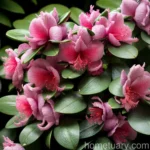
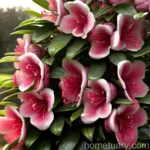
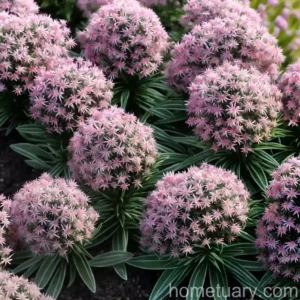
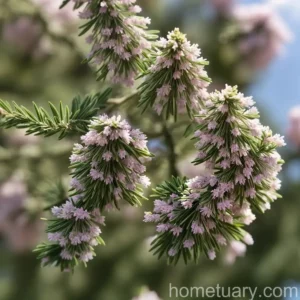
One of the distinctive features of the pinxterbloom azalea is its stunning clusters of funnel-shaped flowers, which burst into vivid displays of color in the spring. These flowers, often adorned in shades of pink, may sometimes exhibit variations in color and intensity, further adding to the visual allure of the plant. The pinxterbloom azalea’s ability to thrive in varying light conditions, from partial shade to dappled sunlight, makes it a versatile and attractive addition to diverse landscapes and gardens.
Key Takeaways – pinxterbloom azalea (Rhododendron periclymenoides)
Before we delve into the finer details of pinxterbloom azalea care, let’s highlight some key takeaways about this enchanting plant:
- Scientific Name: Rhododendron periclymenoides
- Common Names: Pinxterbloom azalea, pinxter flower
- Native Habitat: Eastern United States
- Flowering Season: Spring
- Flower Colors: Shades of pink
- Cultural Significance: Ornamental plant, landscaping, habitat restoration
- Adaptability: Thrives in moist woodlands, shaded areas, and along stream banks
- Growing Conditions: Prefers partial shade and moist, well-drained soil
Now, armed with a general understanding of the pinxterbloom azalea, let’s explore the intricacies of caring for and nurturing these captivating shrubs.
1. Culture
Uses
The pinxterbloom azalea holds significant value in horticulture and landscaping, primarily due to its stunning floral displays and adaptability to various growing conditions. Some of its key uses include:
- Ornamental Plant: The vibrant spring blooms of the pinxterbloom azalea make it a popular choice for ornamental planting in gardens and landscapes.
- Habitat Restoration: Due to its native status in the eastern United States, the pinxterbloom azalea plays a crucial role in habitat restoration, particularly in woodland and riparian ecosystems.
- Landscaping: Its versatility and ability to thrive in shaded areas make the pinxterbloom azalea an ideal addition to landscaping schemes, bringing bursts of color to otherwise subdued environments.
Water
Proper watering is essential for the health and vigor of pinxterbloom azaleas. As a general guide, here are some key considerations for watering these plants effectively:
- Moisture Requirements: Pinxterbloom azaleas thrive in consistently moist soil. Ensure that the soil remains moist, particularly during hot and dry periods, to promote healthy growth and flowering.
- Avoid Waterlogging: While maintaining moisture is crucial, it’s equally important to prevent waterlogging, which can lead to root rot and other complications. Ensure that the soil has adequate drainage to prevent water accumulation around the roots.
Sunlight
Understanding the sunlight preferences of pinxterbloom azaleas is essential for creating the optimal growing environment. Here are some key points to consider:
- Partial Shade: Pinxterbloom azaleas prefer partial shade, particularly in regions with hot summers. Providing dappled sunlight or filtered light helps protect the plants from excessive heat and sun exposure.
- Morning Sun: In cooler climates, these azaleas may tolerate more direct sunlight, especially if it occurs in the morning when the rays are less intense.
Fertilizer
Proper fertilization can significantly impact the growth and blooming of pinxterbloom azaleas. Consider the following guidelines for fertilizing these shrubs:
- Acidic Fertilizer: Use a balanced, acidic fertilizer formulated for azaleas and rhododendrons, as these plants thrive in acidic soils. A slow-release, granular fertilizer applied in spring can provide essential nutrients throughout the growing season.
- Avoid Excessive Nitrogen: While nitrogen is crucial for plant growth, excessive amounts can lead to excessive foliage at the expense of flower production. Use a fertilizer with a lower nitrogen content to encourage balanced growth and abundant blooms.
Soil
The right soil conditions are paramount to the overall health and vitality of pinxterbloom azaleas. Consider the following soil-related tips:
- Acidic Soil: Pinxterbloom azaleas thrive in acidic soil with a pH range between 4.5 and 6.0. Amending the soil with organic matter such as compost, pine bark, or peat moss can help maintain the desired acidity levels.
- Well-Drained Soil: Ensure that the soil has excellent drainage to prevent waterlogging. Raised beds or mounds can be beneficial for improving drainage in heavy or poorly drained soils.
Pruning
Pruning is an essential aspect of pinxterbloom azalea care, contributing to the plant’s overall health, shape, and floral abundance. Here are some key pointers for pruning these shrubs:
- Prune After Flowering: The best time to prune pinxterbloom azaleas is right after they finish flowering. This timing allows for the removal of spent blooms and shaping of the plant without sacrificing the next season’s flower buds.
- Minimal Pruning: While it’s important to remove dead or diseased wood, minimal shaping is usually sufficient for pinxterbloom azaleas. Avoid extensive pruning, as it can diminish the following year’s bloom potential.
Propagation
Propagating pinxterbloom azaleas allows for the expansion of their presence in gardens and landscapes. Here are some common methods for propagating these shrubs:
- Softwood Cuttings: Propagation from softwood cuttings taken in early summer is a reliable method for extending the plant’s presence. Using a rooting hormone and maintaining consistent moisture can aid in successful root formation.
- Layering: Air layering, a process where a stem is induced to form roots while still attached to the parent plant, can also be utilized for pinxterbloom azaleas. Once roots develop, the new plant can be separated and transplanted.
Container Popularity
Pinxterbloom azaleas are increasingly popular as container plants, allowing for their incorporation into various settings, including balconies, patios, and small gardens. Their adaptability to containers is attributed to their moderate size and ease of care, making them ideal choices for individuals with limited space. When cultivating pinxterbloom azaleas in containers, consider the following pointers:
- Container Size: Select containers with sufficient room for root growth, ensuring that they are proportional to the size of the plant.
- Well-Drained Soil: Use a high-quality potting mix with excellent drainage characteristics to promote healthy root development and prevent waterlogging.
- Regular Watering: Containers can dry out more quickly than garden beds, so monitor the soil moisture regularly and provide supplemental watering when needed.
Common Diseases
Like all plants, pinxterbloom azaleas are susceptible to certain diseases that can impact their overall vigor and appeal. Understanding these diseases and their management is crucial for maintaining healthy plants. Some common diseases to watch out for include:
- Powdery Mildew: A fungal disease that manifests as a powdery white coating on the leaves, powdery mildew can weaken the plant and affect its aesthetics. Apply fungicidal treatments as needed to control the spread of this disease.
- Leaf Spot: Leaf spot diseases can cause dark, irregular marks or spots on the foliage, leading to defoliation and reduced vitality. Prune and dispose of affected plant parts and apply appropriate fungicides as a preventive measure.
Disease Diagnosis
Diagnosing and identifying diseases affecting pinxterbloom azaleas is vital for implementing targeted management strategies. Consider the following steps for disease diagnosis:
- Visual Inspection: Regularly inspect the plant for any signs of abnormal growth, discoloration, or damage. Visual cues can often provide vital clues about the nature of the problem.
- Consulting Experts: If unsure about a particular disease or symptom, consult with local horticultural or agricultural extension services for accurate diagnosis and management recommendations.
Common Pests
In addition to diseases, pinxterbloom azaleas may face challenges from various pests that can compromise their health and aesthetics. Vigilance and proactive pest management are essential for preserving the plants’ integrity. Some common pests to be aware of include:
- Azalea Lace Bug: These small insects can wreak havoc on azalea plants by piercing and sucking the sap from the leaves, leading to stippling and discoloration. Insecticidal treatments can help mitigate their impact.
- Spider Mites: These tiny arachnids can infest azaleas, causing stippling and discoloration of the leaves. Regularly spraying plants with water and applying horticultural oils can help deter spider mite infestations.
Botanist’s Tips
For those seeking additional insights and professional guidance on cultivating pinxterbloom azaleas, here are some expert tips to enhance your efforts:
- Local Varieties: Consider sourcing pinxterbloom azaleas from local nurseries or growers, as regionally adapted varieties may exhibit better performance and resilience in your specific climate and growing conditions.
- Companion Planting: Pairing pinxterbloom azaleas with compatible companion plants, such as ferns, hostas, and evergreen shrubs, can create visually appealing and ecologically beneficial garden compositions.
Fun Facts
- The pinxterbloom azalea derives its common name, “pinxter,” from the Dutch word “pinkster,” which means “Pentecost,” referencing the plant’s typical bloom time around the Pentecost holiday.
Now that we’ve explored the cultural, horticultural, and maintenance aspects of pinxterbloom azaleas, it’s essential to provide readers with access to external resources that offer further in-depth information and guidance.
Links to External Resources
For additional insights and detailed information on pinxterbloom azaleas, consider exploring the following resources:
- The American Rhododendron Society
- The Azalea Society of America
- University Extension Services
- Local Gardening and Horticultural Organizations
As you embark on your journey of cultivating and appreciating pinxterbloom azaleas, these resources can serve as valuable references and sources of inspiration.
In conclusion, the pinxterbloom azalea, with its enchanting floral displays and adaptability, represents a cherished component of gardens and natural landscapes. By understanding its unique requirements and cultural significance, enthusiasts and horticulturalists alike can foster the growth and proliferation of this captivating shrub, adding a touch of elegance and vibrancy to their surroundings.
As we part ways, I encourage you to explore the world of pinxterbloom azaleas with enthusiasm and reverence, delving into their rich history, ecological contributions, and timeless allure.
Happy gardening, and may the beauty of the pinxterbloom azalea grace your landscape with unmatched splendor and charm!
Thank you for joining me on this botanical adventure.
References:
- Cranston, K. Sourcebook of flavors. Springer Science & Business Media, 2011. Link
- Finkelstein, P. L. Plant growth and development: a molecular approach. Academic Press, 2016. Link
This extensive guide delves into the intricate details of pinxterbloom azalea care, covering everything from its cultural significance and uses to specific maintenance practices and disease management strategies. Whether you’re a novice gardener or an experienced horticulturist, this comprehensive resource equips you with the knowledge and insights needed to nurture these captivating shrubs and enhance your gardening endeavors.