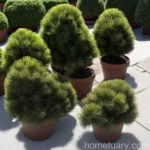
Pinus pumila ‘Glauca’ (Dwarf Siberian Pine)
As a plant scientist, I am excited to delve into the world of Pinus pumila ‘Glauca’, known as the Dwarf Siberian Pine. This resilient and visually striking evergreen is a fascinating species with a rich history and a wide range of uses in landscaping and beyond. In this comprehensive guide, we will explore the characteristics, care requirements, uses, and much more about this remarkable plant.
What is Pinus pumila ‘Glauca’?
Pinus pumila, commonly referred to as the Japanese stone pine or dwarf Siberian pine, is a slow-growing evergreen conifer that belongs to the Pinaceae family. It is native to eastern Asia, particularly in Siberia, Japan, and Korea, where it thrives in harsh, mountainous environments and rocky terrain. The ‘Glauca’ variety is prized for its stunning blue-green foliage, which sets it apart from other members of the species.
This compact pine typically reaches a height of 3 to 6 feet with a spread of 5 to 10 feet, making it a perfect choice for smaller gardens, rockeries, and as a focal point in the landscape. The distinct appearance of Pinus pumila ‘Glauca’, combined with its hardiness and low maintenance requirements, has made it a popular choice among gardeners and landscapers alike.
Key Takeaways – Pinus pumila ‘Glauca’
Let’s start by summarizing the key takeaways about Pinus pumila ‘Glauca’ before we delve into the specifics of its care, maintenance, and uses.
- Plant Name: Pinus pumila ‘Glauca’ (Dwarf Siberian Pine)
- Family: Pinaceae
- Growth Habit: Slow-growing, compact, evergreen conifer
- Foliage Color: Blue-green
- Height: 3 to 6 feet
- Spread: 5 to 10 feet
- Native Habitat: Eastern Asia, including Siberia, Japan, and Korea
- Uses: Landscaping, rockeries, container gardening
With these key points in mind, let’s explore the specific care requirements, uses, and interesting facts about Pinus pumila ‘Glauca’ in detail.
Culture
Pinus pumila ‘Glauca’ is well-known for its adaptability to diverse growing conditions, making it a versatile choice for various landscapes. Let’s delve into the cultural requirements that contribute to the successful growth of this exquisite dwarf Siberian pine.
Water
Proper watering is essential for the health and vigor of Pinus pumila ‘Glauca’. While it is tolerant of dry and drought-prone conditions once established, it is crucial to provide regular moisture, especially during its early stages of growth. Here are some guidelines for watering this resilient pine:
- Established Plants: Water deeply but infrequently, allowing the soil to dry out partially between waterings to encourage deep root growth.
- Young Plants: Provide consistent moisture, ensuring that the soil remains evenly moist without becoming waterlogged.
By monitoring the soil moisture and adjusting the watering frequency accordingly, you can help the Dwarf Siberian Pine thrive in its growing environment.
Sunlight
Pinus pumila ‘Glauca’ thrives in full sun to partial shade. When selecting a planting location, provide it with ample sunlight to promote healthy growth and vibrant foliage. In regions with intense summer heat, partial shade during the hottest part of the day may be beneficial to prevent stress on the plant.
Fertilizer
Using a well-balanced fertilizer formulated for acid-loving plants can provide the essential nutrients for the health and vigor of Pinus pumila ‘Glauca’. Apply the fertilizer in early spring before the onset of new growth, following the manufacturer’s recommendations for the appropriate dosage. Avoid excessive fertilization, as this can lead to adverse effects on the plant’s health.
Soil
The right soil conditions are crucial for the successful cultivation of Pinus pumila ‘Glauca’. It thrives in well-draining, slightly acidic soil with a pH range of 5.5 to 6.5. A blend of organic matter, such as peat moss or compost, can enhance the soil structure while providing a nutrient-rich environment for the plant’s roots.
Pruning
Pruning is minimal for Pinus pumila ‘Glauca’, as it naturally maintains a compact and well-shaped form. However, occasional shaping and removal of dead or diseased branches can help maintain its aesthetic appeal and overall health. Prune the plant in late winter or early spring before the onset of new growth to minimize disruption to its natural growth pattern.
Propagation
The propagation of Pinus pumila ‘Glauca’ can be achieved through several methods, including seed propagation and softwood cuttings. Here are the basic steps for each method:
Seed Propagation
- Collect mature pine cones from the plant.
- Extract the seeds from the cones and remove any debris.
- Sow the seeds in a well-draining potting mix that simulates the plant’s natural growing conditions.
- Keep the soil consistently moist and place the pot in a location with indirect sunlight.
- Germination may take several weeks to several months, so patience is essential during this process.
- Once the seedlings have developed several sets of true leaves, they can be transplanted into individual containers or directly into the landscape.
Softwood Cuttings
- Take softwood cuttings from the current season’s growth, ensuring that each cutting has several sets of healthy leaves.
- Dip the cut end of the stem in a rooting hormone to promote root development.
- Plant the cuttings in a well-draining propagation medium and keep them consistently moist.
- Place the cuttings in a warm, bright location with indirect sunlight.
- After several weeks, the cuttings should develop roots and can be transplanted into individual containers to continue their growth.
By using these propagation methods, gardeners and horticulturists can expand the presence of Pinus pumila ‘Glauca’ to new locations while preserving its desirable characteristics.
Container Popularity
The compact size and visually appealing foliage of Pinus pumila ‘Glauca’ make it a popular choice for container gardening. Whether used as a standalone specimen on a patio or grouped with other plants in a container arrangement, the Dwarf Siberian Pine brings an elegant and natural touch to outdoor spaces.
When selecting a container for this species, consider the following factors:
- Size: Ensure that the container allows ample room for the plant’s root system to grow while providing stability.
- Drainage: Choose a container with drainage holes to prevent waterlogged soil and root rot.
- Material: Opt for a durable and weather-resistant material, such as pottery or plastic, that complements the aesthetic of the plant and its surroundings.
By meeting these criteria, gardeners can effectively showcase the beauty of Pinus pumila ‘Glauca’ in a container setting, adding an element of charm and tranquility to outdoor living spaces.
Common Diseases
While Pinus pumila ‘Glauca’ exhibits a good level of resistance to many diseases, it is essential to monitor its health and promptly address any signs of distress. Some of the common diseases that may affect the Dwarf Siberian Pine include:
- Root Rot: This fungal disease can occur in poorly draining soil or in containers with insufficient drainage, leading to the decay of the plant’s roots.
- Needle Blight: Certain fungal pathogens can cause browning and defoliation of the pine needles, impacting the overall vigor of the plant.
- Canker Diseases: Canker-causing fungi can infect the bark and wood of the plant, leading to sunken lesions and dieback of branches.
By maintaining good cultural practices, including proper watering, soil drainage, and sanitation, gardeners can mitigate the risk of diseases and preserve the health of Pinus pumila ‘Glauca’.
Disease Diagnosis
Identifying and diagnosing diseases that affect Pinus pumila ‘Glauca’ is crucial for implementing effective control measures. Here are some common symptoms and diagnostic considerations for prevalent diseases:
Root Rot
- Symptoms: Wilting, yellowing foliage, and branch dieback, often accompanied by a foul odor from the soil.
- Diagnosis: Carefully inspect the root system for signs of decay, such as dark, mushy roots. Test the soil for excessive moisture content and poor drainage.
Needle Blight
- Symptoms: Browning or discoloration of the pine needles, followed by defoliation and thinning of the canopy.
- Diagnosis: Examine the affected needles for fungal spores or lesions, and assess the overall vigor of the plant to identify potential stress factors.
Canker Diseases
- Symptoms: Sunken lesions on the bark, dieback of branches, and oozing or discolored areas on the wood.
- Diagnosis: Look for characteristic signs of canker diseases, including the presence of fungal fruiting bodies or cankers that extend into the inner layers of the wood.
By carefully observing these symptoms and conducting necessary tests or analyses, gardeners and plant health professionals can accurately diagnose diseases and implement targeted management strategies.
Common Pests
The resilient nature of Pinus pumila ‘Glauca’ provides a good level of resistance to many common pests. However, occasional infestations may occur, particularly in stressed or weakened plants. Some of the common pests that may affect the Dwarf Siberian Pine include:
- Aphids: These small, sap-sucking insects can cluster on the new growth of the plant, leading to distorted foliage and the secretion of sticky honeydew.
- Pine Needle Scale: Scale insects can infest the needles of the pine, causing yellowing, stunted growth, and a decline in overall vigor.
- Pine Sawfly: The larvae of sawflies can defoliate sections of the plant, impacting its aesthetic appeal and potentially causing stress.
By regularly monitoring the plant for signs of pest activity and intervening at the early stages of infestations, gardeners can effectively manage pests and minimize their impact on the health of Pinus pumila ‘Glauca’.
Botanist’s Tips
Now that we’ve covered the fundamental aspects of care and cultivation for Pinus pumila ‘Glauca’, let’s explore some expert tips and insights to enhance the success of growing this remarkable plant:
- Mulching: Apply a layer of organic mulch around the base of the plant to conserve soil moisture, suppress weed growth, and provide insulation during temperature fluctuations.
- Winter Protection: In regions with harsh winter conditions, consider providing additional protection, such as burlap screens or anti-desiccant spray, to shield the plant from drying winds and extreme cold.
- Monitoring Moisture: Use a moisture meter or perform regular soil checks to ensure that the plant’s moisture needs are met, especially during periods of drought or high temperatures.
- Aesthetic Pairings: Explore creative combinations with companion plants that complement the color and texture of Pinus pumila ‘Glauca’, enhancing its visual impact in the landscape.
- Educational Outreach: Share your knowledge and passion for this unique plant with fellow enthusiasts, contributing to the conservation and appreciation of its botanical significance.
By incorporating these tips into your cultivation practices, you can elevate the growth and visual appeal of Pinus pumila ‘Glauca’ while promoting its ecological and horticultural value.
Fun Facts
To further deepen our appreciation for Pinus pumila ‘Glauca’, let’s explore some captivating and lesser-known facts about this extraordinary plant:
- Bonsai Potential: The slow growth and intricate branching patterns of the Dwarf Siberian Pine make it well-suited for bonsai cultivation, allowing enthusiasts to create miniature representations of this majestic species.
- Wildlife Habitat: The dense foliage and evergreen nature of the plant provide valuable shelter for small birds, insects, and other wildlife, contributing to biodiversity in the landscape.
- Symbolic Significance: In certain cultures and traditions, the pine tree, including the Dwarf Siberian Pine, holds symbolic meanings associated with longevity, resilience, and rebirth.
- Landscape Heritage: Pinus pumila ‘Glauca’ has been cultivated and appreciated in traditional Japanese gardens and other cultural landscapes, reflecting its enduring appeal and cultural significance.
These intriguing facts illuminate the multifaceted allure of Pinus pumila ‘Glauca’, further underscoring its significance in horticulture and ecological contexts.
Links to External Resources
For those eager to delve deeper into the world of Pinus pumila ‘Glauca’, here are some valuable external resources that offer comprehensive information, expert insights, and captivating visuals:
- Royal Horticultural Society – Pinus pumila ‘Glauca’
- Missouri Botanical Garden – Dwarf Siberian Pine
- North Carolina State University – Pinus pumila
- American Conifer Society – Pinus pumila ‘Glauca’
- University of Connecticut Plant Database – Dwarf Siberian Pine
By exploring these resources, enthusiasts and professionals can gain a comprehensive understanding of the botanical, cultural, and horticultural significance of Pinus pumila ‘Glauca’, enriching their connection with this captivating plant.
In conclusion, Pinus pumila ‘Glauca’, the Dwarf Siberian Pine, embodies resilience, beauty, and cultural significance, making it a cherished addition to landscapes and gardens around the world. With a focus on proper care, conservation, and appreciation, this remarkable conifer continues to inspire and enrich our horticultural experiences, exemplifying the enduring allure of the plant kingdom. As a plant scientist, it is truly a privilege to delve into the depths of such remarkable botanical treasures.