Pinus parviflora ‘Goldylocks’ (Japanese White Pine)
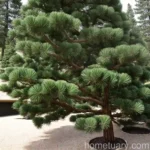
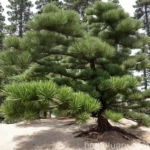
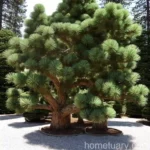
Pinus parviflora ‘Goldylocks’ is a stunning coniferous tree that belongs to the Pinaceae family. This plant, also known as the Japanese White Pine, has captured the hearts of many gardening enthusiasts worldwide. It is cherished for its beautiful, golden-yellow foliage that develops into a dazzling display of bright green in the spring.
In this comprehensive guide, we will delve into the various aspects of the Pinus parviflora ‘Goldylocks’, including its culture, uses, maintenance, and much more. Whether you are a seasoned horticulturist or a beginner in the realm of plant care, this blog post will provide you with valuable insights into nurturing and appreciating this remarkable plant.
Key Takeaways – Pinus parviflora ‘Goldylocks’ (Japanese White Pine)
Plant Name: Pinus parviflora ‘Goldylocks’ (Japanese White Pine)
Hardiness Zone: 5-8
Mature Height: 15-20 feet
Mature Width: 8-10 feet
Bloom Time: Non-flowering
Growth Rate: Slow to moderate
Growth Habit: Pyramidal
Now, let’s explore the different facets of the Pinus parviflora ‘Goldylocks’ and discover how to care for and appreciate this magnificent tree.
Culture
Water
Pinus parviflora ‘Goldylocks’ thrives in well-drained soil and prefers consistent moisture during its establishment period. However, it is essential to ensure that the soil is not waterlogged, as this can lead to root rot and other detrimental conditions. Once established, the tree exhibits moderate drought tolerance, making it a suitable choice for landscapes with varying water availability.
Sunlight
This Japanese White Pine variety requires full sun to partial shade to flourish. It is advisable to provide it with at least six hours of direct sunlight daily for optimal growth and vibrant foliage coloration.
Fertilizer
When it comes to fertilizing Pinus parviflora ‘Goldylocks’, moderation is key. A balanced, slow-release fertilizer is suitable for this tree, and it should be applied in early spring before the new growth emerges. Over-fertilization can lead to excessive foliage growth at the expense of the tree’s overall health, so it’s important to follow the recommended guidelines for application.
Soil
The Japanese White Pine ‘Goldylocks’ thrives in acidic, well-drained soil. It is crucial to avoid planting it in heavy clay soils or areas prone to waterlogging, as this can adversely affect its growth and vitality.
Pruning
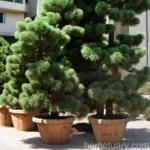
Pruning is an essential aspect of maintaining the desired shape and health of Pinus parviflora ‘Goldylocks’. It is best to carry out pruning in the late winter or early spring to minimize the risk of sap bleeds and to allow the tree to recover swiftly. This tree responds well to pruning and can be shaped into various forms, including the classic conical shape or an elegant multi-trunk specimen.
Propagation
Propagating Pinus parviflora ‘Goldylocks’ is commonly achieved through semi-hardwood cuttings. These cuttings should be taken in late summer and treated with a rooting hormone before being planted in a suitable growing medium. With proper care and attention, these cuttings will develop into healthy, vigorous young plants that inherit the appealing traits of the parent tree.
Container Popularity
The compact size and slow growth rate of Pinus parviflora ‘Goldylocks’ make it an excellent candidate for container cultivation. Its striking foliage can serve as a captivating focal point in any garden or patio setting, and the versatility of container planting allows for creative and flexible landscaping arrangements.
Common Diseases
While Pinus parviflora ‘Goldylocks’ is relatively resistant to many common pine diseases, it can be susceptible to issues such as:
-
Pine Wilt: Caused by the pinewood nematode, this disease can lead to rapid wilting and browning of the foliage, ultimately resulting in tree death. Early detection and management are crucial in combating this devastating condition.
-
Needle Blight: This fungal disease can cause browning and premature shedding of the needles. Proper sanitation and the use of disease-resistant cultivars can help prevent its occurrence.
Disease Diagnosis
Diagnosing diseases in Pinus parviflora ‘Goldylocks’ often involves careful observation of the foliage, bark, and overall tree health. Any signs of discoloration, wilting, or abnormal growth should be promptly addressed, and if necessary, professional assistance from an arborist or plant pathologist may be sought to accurately identify and treat the issue.
Common Pests
While the Japanese White Pine ‘Goldylocks’ is relatively resistant to many pests, it can be affected by certain insects, including:
-
Pine Sawfly: The larvae of this sawfly can skeletonize the needles of the tree, leading to unsightly damage. Physical removal of the larvae and the use of insecticidal soaps can help manage this pest.
-
Pine Bark Beetles: These tiny beetles can cause extensive damage by tunneling into the tree’s bark and disrupting its vascular system. Keeping the tree healthy and well-maintained is crucial in preventing infestations by these destructive pests.
Botanist’s Tips
-
Regular Monitoring: It is important to regularly monitor the health and vigor of Pinus parviflora ‘Goldylocks’ to detect any potential issues at an early stage. This proactive approach can help address problems before they escalate and cause significant damage.
-
Appropriate Pruning: When pruning this tree, it is advisable to maintain its natural form and avoid excessive removal of foliage. Strategic pruning can promote a balanced and aesthetically pleasing growth habit.
-
Soil pH Management: Ensuring that the soil pH remains within the acidic range is essential for the well-being of this tree. Periodic soil testing and appropriate amendments can help maintain an optimum growing environment for the Japanese White Pine ‘Goldylocks’.
Fun Facts
-
The stunning color transition of the foliage from golden-yellow to bright green in the spring makes Pinus parviflora ‘Goldylocks’ a captivating and dynamic addition to any landscape.
-
The unique, twisted appearance of the branches and needles adds an intriguing visual dimension to this tree, making it an excellent candidate for ornamental planting and garden focal points.
Links to External Resources
For more information on Pinus parviflora ‘Goldylocks’, the following resources can provide valuable insights and guidance:
By leveraging the knowledge and expertise shared in these resources, enthusiasts and horticulturalists can expand their understanding of the Japanese White Pine ‘Goldylocks’ and enhance their capacity to nurture and appreciate this extraordinary plant.
In conclusion, Pinus parviflora ‘Goldylocks’ possesses a remarkable blend of aesthetic appeal, hardiness, and adaptability, making it a cherished addition to diverse landscapes and gardens. By honoring its cultural preferences and implementing sound horticultural practices, individuals can savor the beauty and character of this splendid tree for years to come.
Keywords: Pinus parviflora Goldylocks, Japanese White Pine Goldylocks, Pinus parviflora Goldylocks care, Japanese White Pine Goldylocks growth, Pinus parviflora Goldylocks pruning, Japanese White Pine Goldylocks characteristics, Pinus parviflora Goldylocks landscaping, Japanese White Pine Goldylocks propagation, Pinus parviflora Goldylocks diseases, Japanese White Pine Goldylocks pests, Pinus parviflora Goldylocks varieties, Japanese White Pine Goldylocks planting, Pinus parviflora Goldylocks maintenance, Japanese White Pine Goldylocks climate, Pinus parviflora Goldylocks zone, Japanese White Pine Goldylocks bonsai, Pinus parviflora Goldylocks pruning tips, Japanese White Pine Goldylocks fertilization, Pinus parviflora Goldylocks sunlight requirements, Japanese White Pine Goldylocks soil conditions, Pinus parviflora Goldylocks water needs, Japanese White Pine Goldylocks hardiness, Pinus parviflora Goldylocks landscape uses, Japanese White Pine Goldylocks companion plants, Pinus parviflora Goldylocks growth rate, Japanese White Pine Goldylocks root system, Pinus parviflora Goldylocks seasonal interest, Japanese White Pine Goldylocks specimen tree, Pinus parviflora Goldylocks foliage color, Japanese White Pine Goldylocks evergreen tree, Pinus parviflora Goldylocks winter interest, Japanese White Pine Goldylocks drought tolerance, Pinus parviflora Goldylocks deer resistance, Japanese White Pine Goldylocks container planting, Pinus parviflora Goldylocks landscaping ideas, Japanese White Pine Goldylocks disease resistance, Pinus parviflora Goldylocks pest control, Japanese White Pine Goldylocks native habitat, Pinus parviflora Goldylocks growth habit, Japanese White Pine Goldylocks height and spread, Pinus parviflora Goldylocks leaf structure, Japanese White Pine Goldylocks winter hardiness, Pinus parviflora Goldylocks species information, Japanese White Pine Goldylocks seed germination, Pinus parviflora Goldylocks landscape design, Japanese White Pine Goldylocks ornamental tree, Pinus parviflora Goldylocks potential issues, Japanese White Pine Goldylocks unique features, Pinus parviflora Goldylocks leaf color, Japanese White Pine Goldylocks focal point.
Write a response…