Narcissus ‘Tahiti’ (Double Daffodil): A Beautiful Addition to Your Garden
Introduction
Narcissus ‘Tahiti’, commonly known as the Double Daffodil, is a stunning plant that adds vibrant color and a delightful fragrance to gardens and landscapes. This beautiful flower, with its distinctive double blooms, is a favorite among gardeners and plant enthusiasts.
In this comprehensive guide, we will explore the characteristics of Narcissus ‘Tahiti’, its cultural significance, and essential care tips for nurturing this gorgeous plant. Whether you are a seasoned gardener or a beginner, this article will provide valuable insights into the cultivation and maintenance of Narcissus ‘Tahiti’.
What is Narcissus ‘Tahiti’?
Narcissus ‘Tahiti’, a member of the Amaryllidaceae family, is a perennial bulbous plant that produces stunning yellow flowers with multiple petals. The unique double blooms of Narcissus ‘Tahiti’ set it apart from traditional daffodils, making it a sought-after variety for gardens and floral displays.

Key Takeaways – Narcissus ‘Tahiti’ (Double Daffodil)
Before delving into the specifics of cultivating and caring for Narcissus ‘Tahiti’, let’s highlight the key takeaways associated with this exquisite plant. These key points will serve as a valuable reference throughout this guide.
- Narcissus ‘Tahiti’ Characteristics
- Cultivation and Growing Conditions
- Care Tips for Maintaining Health and Vigor
- Varieties and Bloom Characteristics
- Landscape and Garden Design Incorporation
- Pest and Disease Control Measures
Now, let’s proceed to explore each of these elements in detail.
Narcissus ‘Tahiti’ Characteristics
Description
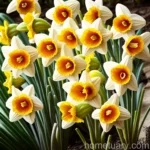
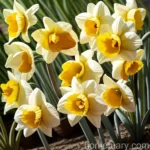
Narcissus ‘Tahiti’ is renowned for its vibrant, double flowers that boast a rich yellow hue. The densely-packed petals create a luscious and full appearance, adding a touch of elegance to any garden or landscape. The flower’s distinctive structure, coupled with a delightful fragrance, makes Narcissus ‘Tahiti’ a charming addition to floral arrangements and outdoor spaces.
Blooming Season
The blooming season of Narcissus ‘Tahiti’ typically occurs in early spring, heralding the arrival of the new season with its cheerful and radiant flowers. The captivating blooms of the Double Daffodil brighten up gardens and bring a sense of renewal and vitality to outdoor settings.
Foliage and Seasonal Changes
In addition to its captivating blooms, Narcissus ‘Tahiti’ exhibits lush, grass-like foliage that complements the flowers, adding a verdant backdrop to the overall appearance of the plant. As the seasons transition, the foliage may display seasonal changes, emphasizing the dynamic nature of this captivating plant.
Height and Spread
When fully mature, Narcissus ‘Tahiti’ typically reaches a height of about 16-18 inches, with a spread of 4-6 inches. Understanding the plant’s growth dimensions is essential for proper spacing and placement within garden borders, containers, or landscape designs.
Fragrance
One of the most enchanting features of Narcissus ‘Tahiti’ is its delightful fragrance. The sweet, aromatic scent of the Double Daffodil infuses the air with a pleasant and inviting aura, making it a favorite among those who appreciate scented flowers in their outdoor spaces.
Growing Narcissus ‘Tahiti’
Cultivating Narcissus ‘Tahiti’ involves understanding its specific cultural requirements and providing optimal growing conditions to ensure robust and prolific blooms. Let’s explore the key aspects of growing and nurturing this charming plant.
Culture
Uses
Narcissus ‘Tahiti’, with its stunning double blooms and captivating fragrance, holds several uses and applications within the realm of gardening and horticulture. Some of the primary uses of this delightful plant include:
- Garden Borders: Incorporate Narcissus ‘Tahiti’ along garden borders to add vibrant color and a fragrant ambiance.
- Floral Arrangements: The showy blooms of Narcissus ‘Tahiti’ make it a popular choice for creating stunning floral displays and cut flower arrangements.
- Landscaping Features: Utilize Narcissus ‘Tahiti’ as a focal point in landscape designs to introduce a touch of elegance and charm to outdoor settings.
Understanding the diverse uses of Narcissus ‘Tahiti’ enables gardeners and landscapers to harness the full potential of this enchanting plant within various settings.
Water
Proper watering is essential for the health and vitality of Narcissus ‘Tahiti’. Adequate moisture ensures robust growth and prolific blooming. Here are some key considerations for watering this plant:
-
Frequency: During the active growing season, ensure consistent soil moisture without waterlogging. As the plant transitions to dormancy, reduce watering to prevent excess moisture.
-
Soil Drainage: Plant Narcissus ‘Tahiti’ in well-draining soil to facilitate proper water distribution and prevent waterlogging, which can lead to root rot and other physiological issues.
Understanding the water needs of Narcissus ‘Tahiti’ is integral to maintaining optimal growing conditions and promoting the plant’s overall health.
Sunlight
Narcissus ‘Tahiti’ thrives in locations that receive ample sunlight, contributing to robust growth and prolific blooming. When considering sunlight requirements for this plant, keep the following points in mind:
-
Full Sun: Position Narcissus ‘Tahiti’ in areas that receive full sunlight for a significant portion of the day, typically 6-8 hours. Adequate sunlight is crucial for promoting flowering and ensuring overall plant vigor.
-
Shade Tolerance: While Narcissus ‘Tahiti’ favors full sun, it also exhibits a degree of tolerance towards partial shade. However, to maximize flowering and growth, prioritize sun-rich environments.
Understanding the sunlight preferences of Narcissus ‘Tahiti’ empowers gardeners to make informed decisions regarding plant placement and cultivation.
Fertilizer
To support the vigorous growth and abundant blooming of Narcissus ‘Tahiti’, it is essential to provide appropriate fertilization. Key considerations for fertilizing this plant include:
-
Bulb Nutrition: Prioritize fertilizers rich in phosphorus and potassium to support bulb development and flowering. Apply a balanced fertilizer with a higher middle number, such as a 10-20-10 formulation.
-
Application Timing: Administer fertilizer during the active growth phase, typically in spring, to bolster the plant’s nutrient reserves and encourage robust flowering.
By understanding the specific fertilizer needs of Narcissus ‘Tahiti’, gardeners can optimize nutrient availability and promote the plant’s overall vitality.
Soil
Selecting the right soil for Narcissus ‘Tahiti’ is crucial for ensuring optimal growth and blooming. Consider the following soil-related factors when cultivating this charming plant:
-
Well-Draining Soil: Plant Narcissus ‘Tahiti’ in well-draining soil that allows excess moisture to escape, preventing waterlogged conditions that can lead to root rot and other issues.
-
Soil pH: The ideal soil pH for Narcissus ‘Tahiti’ ranges from 6.0 to 7.0, representing slightly acidic to neutral conditions. Maintaining an appropriate pH level supports nutrient uptake and overall plant health.
By addressing soil considerations such as drainage and pH, gardeners can create an environment conducive to the successful growth and development of Narcissus ‘Tahiti’.
Pruning
Proper pruning practices contribute to the overall health and aesthetic appeal of Narcissus ‘Tahiti’. Key points to consider when pruning this plant include:
-
Spent Flowers: Deadhead faded and spent flowers to redirect the plant’s energy towards new growth and future blooming. Removing spent blooms also enhances the overall appearance of the plant.
-
Foliage Maintenance: Refrain from cutting back or removing the foliage until it naturally withers and turns yellow. The foliage plays a crucial role in replenishing the bulb’s energy reserves for the next growing season.
Adhering to appropriate pruning techniques ensures the continued vigor and beauty of Narcissus ‘Tahiti’ within the garden or landscape.
Propagation
Propagation techniques enable gardeners to expand their Narcissus ‘Tahiti’ collection and cultivate new plants. Effective propagation methods for this charming variety include:
-
Division: After the plant has finished blooming and the foliage begins to yellow, carefully dig up the bulbs and divide them. Replant the divided bulbs in suitable locations to establish new plantings.
-
Naturalization: Allow Narcissus ‘Tahiti’ plants to naturalize and self-seed in conducive environments to expand their presence within the landscape or natural settings.
Understanding the propagation options for Narcissus ‘Tahiti’ empowers gardeners to propagate new plants and enhance the presence of this delightful variety within their outdoor spaces.
Container Popularity
Narcissus ‘Tahiti’ enjoys popularity as a container plant, offering versatility and charm in various container gardening settings. Key factors contributing to its container popularity include:
-
Compact Growth: The manageable size of Narcissus ‘Tahiti’ makes it well-suited for container cultivation, ensuring that it thrives within the confined spaces of pots and containers.
-
Aesthetic Appeal: The vibrant blooms and delightful fragrance of Narcissus ‘Tahiti’ add a touch of beauty and elegance to container gardens, balconies, and other urban gardening spaces.
By embracing Narcissus ‘Tahiti’ in container gardening endeavors, individuals can introduce the allure of this plant into diverse settings, regardless of traditional garden spaces.
Common Diseases and Pest Control
Maintaining the health and vitality of Narcissus ‘Tahiti’ involves addressing potential disease and pest issues that may affect this charming plant. Let’s explore the common diseases and pests associated with this variety, along with effective control measures.
Disease Diagnosis
Narcissus ‘Tahiti’ may be susceptible to certain diseases that can compromise its health and appearance. Key diseases to watch for include:
-
Botrytis: This fungal disease can cause gray mold on the plant’s foliage and flowers, leading to deterioration and decay.
-
Basal Rot: A fungal infection that affects the base of the bulb, resulting in rotting and decline of the plant.
Diagnosing these diseases and implementing timely measures is essential to prevent the spread of infections and maintain the vigor of Narcissus ‘Tahiti’.
Common Pests
In addition to diseases, Narcissus ‘Tahiti’ may also encounter pests that can impact its growth and flowering. Common pests to be mindful of include:
-
Narcissus Fly: The larvae of this pest target Narcissus bulbs, potentially causing damage and weakening the plant.
-
Slugs and Snails: These nocturnal pests may feed on the foliage and flowers of Narcissus ‘Tahiti’, posing a threat to the plant’s overall health.
Employing effective pest control strategies is vital for preserving the beauty and integrity of Narcissus ‘Tahiti’ within garden and landscape settings.
Botanist’s Tips
As a plant scientist with a passion for horticulture, I would like to share some valuable tips for cultivating and caring for Narcissus ‘Tahiti’. These insights draw from my experience and expertise in the field, providing practical guidance for successful plant stewardship.
Tip 1: Bulb Planting Guide
When planting Narcissus ‘Tahiti’ bulbs, ensure that they are positioned at a depth of approximately 6-8 inches, allowing for proper root establishment and subsequent growth. Consider the spacing requirements and plant bulbs at suitable intervals to accommodate their mature dimensions.
Tip 2: Watering Needs
Monitor the moisture levels in the soil to ensure that Narcissus ‘Tahiti’ receives adequate hydration during the active growing season. However, exercise caution to prevent waterlogging, which can lead to detrimental consequences for the plant’s health.
Tip 3: Sunlight Requirements
Position Narcissus ‘Tahiti’ in locations that receive ample sunlight, providing the plant with the energy it needs for robust growth and prolific blooming. Optimal sun exposure is key to maximizing the plant’s potential within garden and landscape settings.
Tip 4: Foliage Description
Appreciate the graceful and verdant foliage of Narcissus ‘Tahiti’, which serves as a complementary element to the plant’s exquisite blooms. Avoid premature removal of the foliage, allowing it to undergo natural senescence to support the plant’s future vitality.
By integrating these botanical insights into the care and cultivation of Narcissus ‘Tahiti’, gardeners can foster the optimal growth and beauty of this charming plant.
Fun Facts
Narcissus ‘Tahiti’ is not only a captivating garden favorite but also possesses fascinating attributes and characteristics that add to its allure. Let’s explore some delightful fun facts about this charming plant:
-
Mythological Inspiration: The genus Narcissus is associated with the tale of Narcissus in Greek mythology. The captivating allure of Narcissus ‘Tahiti’ pays homage to this mythological connection.
-
Species Diversity: The Narcissus genus encompasses a diverse array of species and varieties, showcasing an impressive range of colors, forms, and fragrances.
-
Cultural Significance: Daffodils, including the Double Daffodil variety, hold cultural significance and symbolism across different cultures, often representing renewal, vitality, and the arrival of spring.
Links to External Resources
To further enrich your understanding and appreciation of Narcissus ‘Tahiti’ and its cultivation, explore the following external resources:
- Royal Horticultural Society: Narcissus ‘Tahiti’
- The American Daffodil Society
- Planting and caring for Narcissus ‘Tahiti’ – Gardener’s World
- University of California Integrated Pest Management – Narcissus Bulb Fly
Conclusion
Narcissus ‘Tahiti’, with its exquisite double blooms and captivating fragrance, stands as a beloved addition to gardens, landscapes, and floral displays. The dynamic beauty and cultural significance of this charming plant make it a cherished favorite among gardeners and plant enthusiasts.
By embracing the cultivation and care tips outlined in this comprehensive guide, individuals can foster the optimal growth and vitality of Narcissus ‘Tahiti’ within their outdoor spaces. Whether adorning garden borders or gracing container gardens, the Double Daffodil variety brings a touch of joy and elegance to any setting, heralding the arrival of spring with its vibrant and alluring blooms.
References
- Royal Horticultural Society. “Narcissus ‘Tahiti’.” Available at: https://www.rhs.org.uk/Plants/21565/Narcissus-Tahiti-(N-tazetta)-/Details
- The American Daffodil Society. Available at: https://daffodilusa.org/
- Gardener’s World. “Planting and caring for Narcissus ‘Tahiti’.” Available at: https://www.gardenersworld.com/how-to/grow-plants/narcissus-tahiti-grow-guide/
- University of California Integrated Pest Management. “Narcissus Bulb Fly.” Available at: http://ipm.ucanr.edu/PMG/PESTNOTES/pn7437.html