The Fascinating Pinus mugo ‘Carstens’ (Dwarf Mountain Pine)
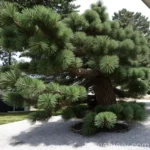
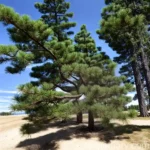
The Pinus mugo ‘Carstens’ is an exquisite and remarkable conifer, popularly known as the Dwarf Mountain Pine. With its unique characteristics, it has found its way into landscapes and gardens around the world, becoming a beloved addition to many outdoor spaces. In this comprehensive guide, we will explore the various aspects of this delightful plant, including its culture, uses, maintenance tips, and much more.
So, let’s dive into the captivating world of Pinus mugo ‘Carstens’ and unravel the secrets of this exceptional plant.
What is Pinus mugo ‘Carstens’?
The Pinus mugo ‘Carstens’ is a cultivar of the species Pinus mugo, commonly known as the mountain or mugo pine. It is a compact, dwarf evergreen shrub that belongs to the Pinaceae family. Originating from the mountains of central and southern Europe, this resilient plant has made its mark as a prized ornamental species in gardens and landscapes.
Key Characteristics of Pinus mugo ‘Carstens’
- Botanical Name: Pinus mugo ‘Carstens’
- Common Name: Dwarf Mountain Pine
- Growth Habit: Compact and dense
- Foliage: Dark green needles
- Size: Typically grows to a height of 3 to 5 feet
- Cone Structure: Small, oval-shaped cones
- Hardiness Zones: Hardy in zones 2 to 7
- Growth Rate: Slow to moderate
- Uses: Ornamental plant, landscape focal point, privacy screen
Now that we have a brief overview of what the Pinus mugo ‘Carstens’ entails, let’s delve deeper into its culture, uses, and maintenance requirements.
Culture
Understanding the cultural requirements of Pinus mugo ‘Carstens’ is essential for ensuring its optimal growth and overall well-being. From soil preferences to sunlight requirements, here’s a comprehensive look at the cultural aspects of this exceptional plant.
Soil
Pinus mugo ‘Carstens’ thrives in well-draining, slightly acidic soils. It prefers soil with good aeration and doesn’t tolerate waterlogged conditions. To enhance the soil’s drainage, incorporating organic matter such as compost or peat moss can be beneficial. Avoid heavy clay soils that tend to retain excess moisture, as this may lead to root rot and other issues.
Soil Requirements Summary
| Aspect | Details |
|---|---|
| Soil Type | Well-draining, slightly acidic |
| Soil Texture | Loamy, sandy |
| pH Level | Slightly acidic (5.5 to 6.5) |
| Drainage | Excellent |
Water
When it comes to watering, Pinus mugo ‘Carstens’ demonstrates a preference for moderate moisture levels. While it is essential to keep the soil consistently moist, it is equally important to avoid waterlogging. During the establishment phase, regular watering is crucial to promote healthy root development. Once established, the plant exhibits good drought tolerance but performs best with supplemental watering during dry periods.
Watering Guidelines
- Establishment Phase: Water regularly to maintain even moisture
- Mature Plants: Water deeply during dry spells, allowing the top inch of soil to dry out between watering sessions
Sunlight
In terms of sunlight preferences, Pinus mugo ‘Carstens’ thrives in full sun to partial shade conditions. It performs optimally when provided with at least 6 to 8 hours of direct sunlight daily. However, it can also tolerate partial shade, especially in regions with intense afternoon sun or during exceptionally hot periods.
Sunlight Preferences
- Optimal Conditions: Full sun
- Tolerated Conditions: Partial shade
Fertilizer
When it comes to fertilization, Pinus mugo ‘Carstens’ benefits from a balanced, slow-release fertilizer that provides essential nutrients for steady growth and development. Applying a suitable fertilizer in spring before new growth emerges can help support the plant’s overall vigor and health.
Fertilizer Recommendations
- Type: Balanced, slow-release fertilizer
- Application Time: Early spring
- Frequency: Annual application
Uses
The versatility of Pinus mugo ‘Carstens’ makes it a valuable addition to a wide range of landscaping and gardening scenarios. Here’s a look at some of the key uses associated with this captivating plant.
Landscape Focal Point
The compact and dense growth habit of Pinus mugo ‘Carstens’ makes it an excellent choice for creating focal points in various landscape designs. Whether used as a standalone feature or in conjunction with other plants, its unique form and striking foliage add visual interest to the outdoor environment.
Privacy Screen
Due to its compact size and dense growth, Pinus mugo ‘Carstens’ is often utilized as a natural privacy screen or hedge. When planted in groups or rows, it forms an effective barrier, providing both visual and acoustic privacy while enhancing the aesthetic appeal of the outdoor space.
Ground Cover
In certain landscaping situations, particularly on slopes or in rocky terrain, Pinus mugo ‘Carstens’ serves as an outstanding ground cover. Its low-growing, spreading nature helps in soil stabilization, erosion control, and weed suppression while contributing to the overall beauty of the area.
Rock Garden Plant
The resilient and rugged nature of Pinus mugo ‘Carstens’ makes it a perfect fit for rock gardens and alpine landscapes. Its ability to thrive in harsh conditions and add a touch of evergreen allure to rocky settings makes it an indispensable component of rock garden designs.
Pruning
Maintaining proper form and structure through regular pruning is essential for the health and aesthetics of Pinus mugo ‘Carstens’. By following the correct pruning techniques, the plant can be shaped, rejuvenated, and kept within the desired size parameters while promoting healthy growth.
Pruning Techniques
- Deadwood Removal: Periodically prune out dead, damaged, or diseased wood to maintain plant health.
- Thinning: Lightly thin out crowded or congested branches to enhance air circulation and light penetration.
- Size Control: To manage the overall size, selectively prune the new growth, keeping in mind the natural form of the plant.
Pruning Tips
- Timing: Prune in late winter or early spring before the onset of new growth.
- Avoid Excessive Pruning: While Pinus mugo ‘Carstens’ responds well to pruning, excessive or aggressive pruning should be avoided to prevent stress to the plant.
Propagation
The propagation of Pinus mugo ‘Carstens’ can be achieved through various methods, including seeds, cuttings, and grafting. Each technique offers its unique advantages and challenges, providing plant enthusiasts with different options for propagating this remarkable conifer.
Seed Propagation
Propagating Pinus mugo ‘Carstens’ from seeds is a viable method for generating new plants. However, it is essential to note that seed-grown individuals may exhibit some variation in characteristics compared to the parent plant. To ensure genetic consistency, other propagation methods are often preferred for preserving specific traits of cultivars.
Cutting Propagation
Using softwood or hardwood cuttings for propagation allows for the generation of clones that closely resemble the parent plant. While softwood cuttings are best taken in early summer, hardwood cuttings are usually collected in early spring. Proper care and attention to environmental conditions during rooting are crucial for successful propagation through this method.
Grafting
Grafting offers a reliable way to propagate and preserve the desirable traits of Pinus mugo ‘Carstens’. By grafting scions of the desired cultivar onto rootstock, the unique characteristics of the parent plant can be maintained in the offspring. Grafting also facilitates the production of plants with specific rootstock characteristics, such as improved disease resistance or adaptability to various soil types.
Popularity
The Pinus mugo ‘Carstens’ has garnered widespread popularity among gardeners, landscapers, and plant enthusiasts due to its exceptional characteristics and versatile uses. Whether as a specimen plant, hedge, or ground cover, its compact form, unique foliage, and adaptability to various growing conditions have contributed to its enduring appeal.
Landscaping Trends
In contemporary landscaping trends, the use of compact evergreens such as Pinus mugo ‘Carstens’ has witnessed a significant upsurge. With a growing emphasis on low-maintenance, sustainable landscaping practices, these plants are valued for their ability to provide year-round interest, structural appeal, and ecological benefits.
Garden Center Demand
Garden centers and nurseries frequently experience high demand for Pinus mugo ‘Carstens’, reflecting the plant’s popularity among homeowners and landscape professionals. Its availability in various container sizes and the ease of care makes it an attractive choice for individuals looking to enhance their outdoor spaces with an enduring and visually appealing plant.
Common Diseases
While Pinus mugo ‘Carstens’ is known for its resilience, it is not immune to certain diseases that can affect its overall health and vigor. Understanding these common diseases, their symptoms, and appropriate management measures is crucial for maintaining the plant in optimal condition.
Needle Blight
Needle blight, often caused by fungal pathogens, can lead to the browning and premature shedding of needles. The presence of discolored, brown, or blackened needles, along with fungal fruiting bodies, may indicate the occurrence of needle blight. Effective management includes proper sanitation, promoting good air circulation, and in severe cases, the application of fungicidal treatments.
Canker Diseases
Canker diseases, caused by various fungal pathogens, can lead to the formation of sunken, discolored lesions on the branches and stems of Pinus mugo ‘Carstens’. Pruning out infected branches and creating favorable growing conditions through appropriate cultural practices can help in preventing the spread of canker diseases.
Root Rot
Excessive moisture and poorly drained soils can predispose Pinus mugo ‘Carstens’ to root rot, a condition caused by fungal pathogens. Symptoms include wilting, yellowing foliage, and overall decline in plant health. Improving soil drainage, avoiding overwatering, and the application of appropriate fungicidal treatments can help in managing and preventing root rot.
Disease Resistance
While Pinus mugo ‘Carstens’ exhibits a good level of disease resistance, the implementation of preventive measures and proper cultural practices is essential for mitigating the risk of disease development. Regular monitoring and prompt action in response to any signs of disease can significantly contribute to maintaining the plant’s health and vitality.
Common Pests
In addition to diseases, Pinus mugo ‘Carstens’ can be susceptible to certain pests that can impact its growth and appearance. Recognizing these common pests, understanding their behavior, and implementing appropriate pest control measures is essential for safeguarding the plant against potential damage.
Pine Needle Scale
The pine needle scale, an armored scale insect, can infest the needles of Pinus mugo ‘Carstens’, leading to yellowing, wilting, and premature needle drop. The presence of small, whitish scale covers on the needles provides an indication of an infestation. Control measures may include the application of horticultural oils or insecticidal treatments, as well as the encouragement of natural predators.
Pine Sawfly
The larvae of pine sawflies can feed on the needles of Pinus mugo ‘Carstens’, potentially causing defoliation and aesthetic damage. Prudent monitoring and the early detection of sawfly activity can aid in the implementation of control measures such as handpicking the larvae, introducing beneficial insects, or applying appropriate insecticidal treatments when necessary.
Spider Mites
Spider mites, tiny arachnids that feed on plant sap, can affect the foliage of Pinus mugo ‘Carstens’, leading to discoloration, stippling, and overall decline in plant health. Regularly rinsing the foliage with water, maintaining adequate humidity levels, and, if needed, the application of horticultural oils or insecticidal soaps can help in managing spider mite infestations.
Pest Prevention
Implementing proactive pest prevention strategies, including promoting plant vigor, maintaining good cultural practices, and minimizing stress factors, can significantly reduce the likelihood of pest infestations. In instances where pest control measures are necessary, choosing environmentally friendly and targeted approaches is advisable.
Botanist’s Tips
As a plant scientist with a deep appreciation for Pinus mugo ‘Carstens’, I’d like to share some invaluable tips and insights aimed at optimizing the growth and health of this remarkable plant.
Selecting the Planting Site
When choosing a location for planting Pinus mugo ‘Carstens’, it is important to consider factors such as soil drainage, sunlight exposure, and available space for growth. Select a site with well-draining soil, ample sunlight, and sufficient space to accommodate the mature size of the plant.
Mulching Benefits
Applying a layer of organic mulch around the base of Pinus mugo ‘Carstens’ offers numerous benefits, including moisture retention, weed suppression, and the moderation of soil temperatures. Mulching also contributes to the overall aesthetics of the planting area while promoting the health and vigor of the plant.
Integrated Pest Management
Incorporating integrated pest management (IPM) practices, which emphasize preventive measures and the use of environmentally friendly control methods, can aid in managing pests and diseases while minimizing the impact on beneficial organisms and the surrounding environment.
Monitoring and Observing
Regularly monitoring the plant for any signs of stress, pest activity, or disease symptoms is crucial for early detection and timely intervention. Developing a habit of closely observing the plant’s growth and behavior can provide valuable insights into its overall well-being.
Fun Facts
Here are some fascinating and lesser-known facts about Pinus mugo ‘Carstens’ that add to its allure and appeal:
- Wildlife Habitat: The dense foliage of Pinus mugo ‘Carstens’ provides excellent shelter for birds and small mammals, contributing to the plant’s ecological value.
- Rock Garden Gem: Due to its adaptability and rugged nature, it is a favored choice for rock gardens, adding a touch of greenery and texture to these unique landscapes.
- Alpine Symbolism: In alpine regions, Pinus mugo ‘Carstens’ is often associated with resilience and enduring strength, serving as a symbol of fortitude in harsh environments.
Links to External Resources
For further information on Pinus mugo ‘Carstens’, I recommend exploring the resources provided below:
- Royal Horticultural Society – Pinus mugo ‘Carstens’
- Missouri Botanical Garden – Pinus mugo ‘Carstens’
- North Carolina State University – Pinus mugo ‘Carstens’
- University of Florida IFAS Extension – Mountain Pine
I hope that this comprehensive guide has provided you with valuable insights into the captivating world of Pinus mugo ‘Carstens’. Whether used for its ornamental appeal, ecological benefits, or landscape functionality, this remarkable plant continues to enthrall enthusiasts with its enduring charm and adaptability.
Should you have any questions or require further details on any aspect of Pinus mugo ‘Carstens’, feel free to reach out. Happy gardening!