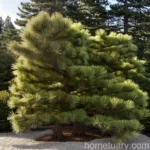
The Fascinating Stone Pine (Pinus pinea)
Introduction
The Stone Pine or scientifically known as Pinus pinea is a majestic, evergreen conifer that has captivated humans for centuries with its striking appearance, culinary uses, and ecological significance. This blog post delves deep into the various facets of this remarkable tree, from its growth requirements and landscape uses to its culinary and ecological significance.
What is the Stone Pine (Pinus pinea)?
The Stone Pine, also known as the Umbrella Pine, features a significant trunk and a broad, rounded crown. This tree is native to the Mediterranean region, including countries like Spain, Italy, Portugal, and parts of North Africa. Its distinctive dome-shaped canopy consisting of long, lustrous, dark green needles provides a picturesque silhouette against the Mediterranean landscape.
Key Takeaways
- Scientific Name: Pinus pinea
- Common Name: Stone Pine, Umbrella Pine
- Family: Pinaceae
- Genus: Pinus
- Species: P. pinea
- Type: Evergreen Tree
Culture
The Stone Pine has a rich cultural heritage in the Mediterranean region. It holds a special place in the hearts of the communities in this area and is associated with various culinary, medicinal, and symbolic uses.
Uses
Culinary Uses
- The Stone Pine’s seeds, known as pine nuts, are a widely used ingredient in Mediterranean cuisine, adding a delightful nutty flavor to dishes like pesto, salads, and desserts.
- The resin from this tree has historical and culinary significance, commonly used in traditional medicines and food preservation.
Medicinal Uses
- The resin derived from the Stone Pine has been historically used for its medicinal properties, believed to have various health benefits.
Symbolism
- The Stone Pine is closely connected to symbolism in the Mediterranean culture, representing immortality, wisdom, and fertility.
Water
The Stone Pine is noted for its tolerance to drought conditions, making it well-suited for Mediterranean and other arid climates. Once established, it is relatively resilient to periods of limited rainfall.
Sunlight
It thrives in full sun exposure, making it an excellent choice for landscapes that receive abundant sunlight.
Fertilizer
When it comes to fertilization, the Stone Pine generally thrives in nutrient-poor soils and doesn’t require heavy fertilization. In some cases, organic fertilizer can be applied in the spring to promote healthy growth.
Soil
The Stone Pine adapts well to a range of soil types, including sandy, well-drained soils. It can also tolerate alkaline soils, a common characteristic of Mediterranean terrain.
Pruning
Pruning is usually minimal for the Stone Pine, primarily for shaping purposes and to remove dead or damaged branches. It’s important to prune selectively to maintain the natural form of the tree.
Propagation
The Stone Pine is typically propagated from seeds. The seeds are best sown in well-draining soil after undergoing a stratification process to break dormancy.
Container Popularity
The Stone Pine is not only appreciated for its role in larger landscapes but has also gained popularity as a container plant, adding an elegant touch to patios and gardens.
Common Diseases
The Stone Pine is generally resistant to many diseases, but it can be susceptible to certain fungal infections.
Disease Diagnosis
Indications of fungal infections include discoloration of needles, unusual lesions on the bark, or visible signs of decay. Early detection and proper management are crucial to mitigate the impact of such diseases.
Common Pests
The most common pests that affect the Stone Pine include bark beetles, weevils, and caterpillars. Regular inspection and proper care are essential for preventing widespread infestations.
Botanist’s Tips
- When caring for Stone Pines, it’s important to maintain consistent soil moisture in the initial growth stage to promote healthy development.
- As the tree matures, attention should be given to watering practices to prevent waterlogging, particularly in heavy, clay soils.
- Properly spacing Stone Pines when planting is vital to ensure optimal growth and to prevent overcrowding.
Fun Facts
- The Stone Pine is known for its extensive root system, which contributes to its drought tolerance and stability.
- Ancient Romans and Greeks used Stone Pine seeds as a delicacy and for medicinal purposes, a tradition that is carried on to this day.
Links to External Resources
For further exploration of the Stone Pine and related topics, these resources provide valuable information:
- The Timber and Forestry Film Collection
- Royal Botanic Gardens, Kew – Pine Family
- The Foods of England – Pine Nuts
- International Union for Conservation of Nature (IUCN) Red List
As we conclude our exploration of the Stone Pine, it’s evident that this remarkable tree holds a special place in numerous aspects of human culture, from culinary traditions to ecological significance. Its adaptability, resilience, and multifaceted uses make it a tree of great importance and fascination, deserving of our appreciation and conservation efforts.
Grab your bag of pine nuts, take a walk through a Stone Pine forest, or simply admire its elegance in a garden – the Stone Pine reminds us of the profound connection between nature and human civilization.
Remember to respect and cherish the Stone Pine and the natural world around us as we continue to explore the diverse wonders of our environment.