Japanese White Pine (Pinus parviflora ‘Bergman’)
Plants, with their diverse shapes, sizes, colors, and functions, materialize as the lungs of the earth, providing life-giving oxygen and sequestering carbon dioxide in the process of photosynthesis. As a plant scientist, I find an ever-deepening appreciation for the intricate world of flora. In this article, we will delve into the captivating world of the Japanese white pine, scientifically known as Pinus parviflora ‘Bergman’.
What is Japanese White Pine?
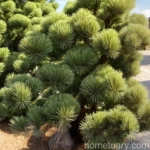
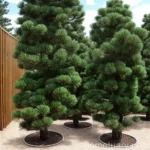
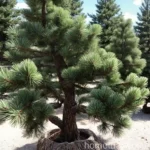
The Japanese white pine (Pinus parviflora ‘Bergman’) is an exquisite evergreen with a graceful and slightly irregular form. It is a cultivar of the Japanese white pine and is cherished for its dense, slow-growing nature, making it an excellent choice for small landscapes and gardens. This remarkable plant exhibits a combination of striking blue-green needles with contrasting white edging, contributing to its alluring visual appeal.
Pinus parviflora ‘Bergman’ Characteristics
- Botanical Name: Pinus parviflora ‘Bergman’
- Common Name: Japanese White Pine
- Plant Type: Evergreen conifer
- Mature Height: 6-10 feet
- Mature Spread: 4-6 feet
- Growth Rate: Slow
Key Takeaways – Japanese White Pine (Pinus parviflora ‘Bergman’)
Culture
The Japanese white pine has a rich cultural significance in Japanese gardens, where it is often meticulously pruned and trained to embody the essence of time and age. The art of bonsai, a Japanese tradition of cultivating miniature trees, frequently features the Pinus parviflora ‘Bergman’ due to its compact size and graceful demeanor.
Uses
This captivating plant serves various purposes, ranging from ornamental and landscaping uses to its role in immersive traditional Japanese gardens. The unique foliage and compact form make it an exceptional choice for focal points or miniature landscapes.
Water
Proper and consistent watering is crucial, especially during the establishment phase. Once the plant is well-rooted, it exhibits moderate drought tolerance, but regular watering is still necessary, especially during hot and dry periods.
Sunlight
Japanese white pine flourishes in full sun to partial shade. It benefits from receiving at least six hours of direct sunlight daily and should be positioned in a location with good air circulation to prevent diseases.
Fertilizer
Appropriate fertilization promotes healthy growth and vitality. Using a balanced slow-release fertilizer in spring can support the plant’s nutrient requirements.
Soil
A well-drained soil with a slightly acidic to neutral pH is ideal for the Pinus parviflora ‘Bergman’. Compacted or waterlogged soils should be avoided to prevent root rot and other associated issues.
Pruning
Regular and precise pruning is essential to maintain the desired form and size, especially for ornamental and bonsai purposes. Pruning should be performed during the dormant season to minimize stress to the plant.
Propagation
Propagation of Pinus parviflora ‘Bergman’ can be achieved through methods such as cuttings and grafting. Careful attention should be given to the timing and techniques involved in successful propagation.
Container Popularity
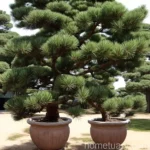
The compact nature and ornamental quality of the Japanese white pine make it a popular choice for container gardening and bonsai cultivation. Its adaptability to container growth expands the possibilities for incorporating this striking plant in various settings.
Common Diseases
Disease Diagnosis
The Japanese white pine is susceptible to certain diseases, including pine wilt disease and pine needle rust. Regular inspection and prompt diagnosis of any signs of disease are vital for implementing effective control measures.
Common Pests
Pests such as adelgids, scale insects, and caterpillars can pose a threat to the health of the Pinus parviflora ‘Bergman’. Vigilant monitoring and timely intervention are essential for managing pest infestations.
Botanist’s Tips
- Provide adequate drainage to prevent waterlogging, which can lead to root rot.
- Monitor for signs of pests and diseases to implement timely control measures.
- Proper pruning techniques can enhance the aesthetic appeal and overall health of the plant.
Fun Facts
- The Japanese white pine has been cultivated in Japan for centuries and holds a revered position in traditional Japanese gardens.
- The distinctive blue-green needles with white margins impart an ethereal beauty to the Pinus parviflora ‘Bergman’.
- The art of bonsai, with its intricate cultivation and shaping techniques, frequently features the Japanese white pine due to its unique qualities.
As we continue to explore the captivating world of the Japanese white pine, it becomes evident that this remarkable plant holds an esteemed position in the realm of ornamental horticulture and traditional Japanese gardens. Its rich cultural significance, combined with its striking visual presence, makes it a treasure to behold and cultivate.
Links to External Resources
For further information about the Japanese white pine (Pinus parviflora ‘Bergman’), refer to the following resources:
- The American Conifer Society – Pinus parviflora ‘Bergman’
- Royal Horticultural Society – Japanese White Pine
Considering the vastness of the topic, the exploration of Japanese white pine (Pinus parviflora ‘Bergman’) encompasses several facets, from its cultural significance to the intricacies of its care and maintenance. I hope this comprehensive guide provides valuable insights into the captivating world of this remarkable plant, inspiring a deeper appreciation for its unique attributes and cultural heritage.