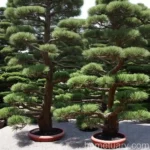
Pinus virginiana (Virginia Pine): A Comprehensive Plant Guide
The Pinus virginiana, commonly known as the Virginia Pine, is a classic evergreen conifer known for its pyramidal shape and beautiful foliage. This native North American tree has been a significant part of the landscape for centuries. In this comprehensive guide, we will explore the characteristics, growth habits, uses, cultivation, and maintenance of the Pinus virginiana, as well as its ecological importance, landscape design benefits, and much more.
Table of Contents
- Introduction to Pinus virginiana
- Pinus virginiana Characteristics
- Virginia Pine Facts
- Pinus virginiana Growth Habits
- Virginia Pine Care Tips
- Pinus virginiana Varieties
- Virginia Pine Cultivation
- Pinus virginiana Uses
- Virginia Pine Distribution
- Pinus virginiana Planting Guide
- Virginia Pine Benefits
- Pinus virginiana Lifespan
- Virginia Pine Maintenance
- Pinus virginiana Soil Requirements
- Virginia Pine Landscape Uses
- Pinus virginiana Diseases
- Virginia Pine Pruning Techniques
- Pinus virginiana Wildlife Habitat
- Virginia Pine Seed Germination
- Pinus virginiana Timber Quality
- Virginia Pine Climate Adaptation
Let’s dive into the wonderful world of Pinus virginiana.
1. Introduction to Pinus virginiana
The Pinus virginiana, or Virginia Pine, is a native, medium-sized evergreen tree that primarily grows in the southeastern United States but can also be found in some parts of the Northeast. It is known for its dense, dark green foliage, and distinctive orange-brown bark. This species is valued for its adaptability to various soil conditions and its economic and ecological importance.
Pinus virginiana Taxonomy Information:
- Kingdom: Plantae
- Clade: Tracheophytes
- Class: Pinopsida
- Order: Pinales
- Family: Pinaceae
- Genus: Pinus
- Species: Pinus virginiana
2. Pinus virginiana Characteristics
The Pinus virginiana exhibits several distinctive characteristics that set it apart from other conifer species. Understanding these features is pivotal for successful cultivation and maintenance. Here are the key characteristics of the Virginia Pine:
Pinus virginiana Characteristics at a Glance:
- Height: 30 – 40 feet
- Crown: Pyramidal when young, becoming irregular with age
- Bark: Orange-brown and scaly
- Needles: Twisted, 1.5 – 3 inches long, occurring in pairs
- Cones: Small, 1.5 – 2.5 inches long, usually remaining closed for many years
- Growth Rate: Moderate
3. Virginia Pine Facts
Understanding some interesting facts about the Virginia Pine adds to the appreciation for this remarkable tree species. Let’s delve into some engaging facts about the Pinus virginiana:
Virginia Pine Facts:
- The Virginia Pine is also referred to as Scrub Pine due to its ability to grow in poor, sandy soils.
- It is known for its early colonization of old fields and disturbed sites.
- Virginia Pine needles have a distinctive twisted appearance and are often used for craft and decorative purposes.
- The timber from Virginia Pine is used for various applications, including construction and woodworking.
- Historically, the resin from the tree was used for making turpentine.
4. Pinus virginiana Growth Habits
Understanding the natural growth habits of the Pinus virginiana is essential for effectively incorporating it into landscaping projects and ensuring its long-term health. Let’s explore the growth habits of the Virginia Pine:
Pinus virginiana Growth Habits:
The Virginia Pine exhibits the following growth habits:
- Habit: Typically pyramidal when young, becoming irregular with age
- Rate: Moderate
- Preferred Soil: Well-drained, acidic soils
- Hardiness Zones: USDA zones 6 to 9
5. Virginia Pine Care Tips
Caring for the Pinus virginiana involves providing it with the appropriate growing conditions and periodic maintenance. Here are some valuable care tips for the Virginia Pine:
Virginia Pine Care Tips:
-
Water: The Virginia Pine prefers well-drained soils and is drought-tolerant once established. Water young trees regularly to promote healthy root development.
-
Sunlight: Plant in full sun for best growth and development. Ensure it has adequate space to grow without being shaded by other trees.
-
Fertilizer: Minimal fertilizer is required for the Virginia Pine, particularly if it is growing in its preferred soil conditions. A balanced fertilizer application in early spring can benefit young trees.
-
Soil: This species thrives in well-drained, acidic soils. Amending the soil with organic matter can be beneficial, particularly if the native soil is heavy or compacted.
-
Pruning: Minimal pruning is typically required for the Virginia Pine. Remove dead or damaged branches as needed.
-
Propagation: The Virginia Pine can be propagated from seeds or through grafting. Seed collection should be done in late summer to early fall.
6. Pinus virginiana Varieties
There are several cultivars and varieties of Pinus virginiana that offer unique features, such as variegated foliage or compact growth habits. Here are a few notable Virginia Pine varieties:
Notable Pinus virginiana Varieties:
-
‘Wate’s Golden’: This variety features striking golden-yellow foliage, adding a vibrant touch to the landscape.
-
‘Sherwood Compacta’: An excellent choice for smaller landscapes, this variety features a compact, dense growth habit.
-
‘Wate’s Blue’: With bluish-green foliage, this variety offers a unique color that contrasts effectively with other evergreens.
7. Virginia Pine Cultivation
Cultivating the Pinus virginiana requires an understanding of its preferred growing conditions and establishment requirements. Here are some essential factors to consider when cultivating the Virginia Pine:
Essential Factors for Virginia Pine Cultivation:
- Planting: Choose a site with well-drained, acidic soils and full sun exposure for best growth.
- Watering: Provide regular watering, particularly during the establishment phase. Once established, the Virginia Pine is drought-tolerant.
- Spacing: Ensure adequate spacing between trees to allow for the tree’s mature size and shape.
- Mulching: Apply a layer of mulch around the base of the tree to conserve soil moisture and suppress weed growth.
- Pruning: Minimal pruning is required, primarily to remove dead or damaged branches.
8. Pinus virginiana Uses
The Pinus virginiana offers several practical and aesthetic uses, making it a valuable addition to various landscapes. Let’s explore the uses of the Virginia Pine:
Virginia Pine Uses:
- Landscaping: The Virginia Pine is commonly used in reforestation projects, windbreaks, and erosion control efforts.
- Timber: The wood from Pinus virginiana is used in construction, pulpwood, and woodworking projects.
- Wildlife Habitat: The Virginia Pine provides cover and nesting sites for various birds and small mammals.
- Aesthetics: As an evergreen tree, it offers year-round greenery and contributes to the visual appeal of landscapes.
9. Virginia Pine Distribution
The Virginia Pine is primarily distributed across the southeastern United States. Here are the key regions where the Pinus virginiana can be found:
Virginia Pine Distribution:
- Primary Range: Southeastern United States
- Specific States: Virginia, North Carolina, South Carolina, Georgia, Florida, Alabama, Tennessee, Kentucky, West Virginia, Ohio, and Pennsylvania (limited areas)
10. Pinus virginiana Planting Guide
Proper guidance for planting the Virginia Pine is crucial for ensuring successful establishment and long-term growth. Here’s a planting guide for Pinus virginiana:
Pinus virginiana Planting Guide:
- Site Selection: Choose a site with well-drained, acidic soils and full sun exposure.
- Spacing: Allow for sufficient spacing between trees to accommodate the mature size of the Virginia Pine.
- Planting Depth: Plant the tree at the same level it was grown in the nursery, ensuring the root flare is visible at the soil surface.
- Watering: Provide regular watering, particularly during the first year after planting. Once established, the Virginia Pine is drought-tolerant.
- Mulching: Apply a layer of mulch around the base of the tree to conserve soil moisture and regulate soil temperature.
11. Virginia Pine Benefits
Understanding the benefits of incorporating the Virginia Pine into landscapes and natural habitats highlights its value and importance. Let’s explore the benefits of the Pinus virginiana:
Virginia Pine Benefits:
- Erosion Control: The Virginia Pine’s extensive root system aids in stabilizing soil and preventing erosion.
- Wildlife Support: It provides cover and food for various wildlife species, promoting biodiversity in natural habitats.
- Aesthetic Value: As an evergreen species, it offers year-round greenery and contributes to the visual appeal of landscapes.
- Timber Production: The wood from Pinus virginiana is used for various practical applications, including construction and woodworking.
12. Pinus virginiana Lifespan
The lifespan of a Pinus virginiana tree can vary based on factors such as growing conditions, maintenance, and environmental stressors. Here’s an overview of the Virginia Pine’s lifespan:
Virginia Pine Lifespan:
- Average Lifespan: 60 – 100 years
- Factors Affecting Lifespan: Growing conditions, maintenance, and environmental stressors
13. Virginia Pine Maintenance
Maintaining the health and vitality of Pinus virginiana trees involves several key tasks and considerations. Here are some maintenance guidelines for the Virginia Pine:
Virginia Pine Maintenance Guidelines:
- Watering: Ensure young trees receive regular watering to promote healthy root development. Once established, the Virginia Pine is drought-tolerant.
- Mulching: Apply a layer of organic mulch around the base of the tree to conserve soil moisture and regulate soil temperature.
- Pruning: Minimal pruning is typically required, primarily to remove dead or damaged branches.
- Fertilization: Minimal fertilizer is needed, particularly if the tree is growing in its preferred well-drained, acidic soils.
14. Pinus virginiana Soil Requirements
Understanding the soil preferences of the Virginia Pine is essential for successful cultivation. Here are the key soil requirements for the Pinus virginiana:
Virginia Pine Soil Requirements:
- Type: Well-drained, acidic soils
- pH: 4.5 – 5.5
- Moisture: Avoid waterlogged or excessively dry soils
15. Virginia Pine Landscape Uses
The Virginia Pine offers several landscape uses, ranging from practical applications to aesthetic enhancements. Let’s explore the landscape uses of the Pinus virginiana:
Virginia Pine Landscape Uses:
- Reforestation: The Virginia Pine is commonly used in reforestation projects due to its adaptability and rapid growth.
- Windbreaks: It is a valuable component of windbreaks and shelterbelt plantings, providing protection from strong winds.
- Erosion Control: Its extensive root system aids in stabilizing soil and preventing erosion in disturbed sites and sloped areas.
- Aesthetic Enhancement: As an evergreen species, it provides year-round greenery and adds visual interest to landscapes.
16. Pinus virginiana Diseases
Recognizing common diseases that affect the Virginia Pine is essential for early intervention and management. Here are some common diseases that can impact the health of Pinus virginiana trees:
Common Virginia Pine Diseases:
- Pine Wilt: This fatal disease is caused by the pinewood nematode and results in rapid wilting and death of the tree.
- Annosus Root Rot: A soil-borne fungus that causes decay of the root system and can lead to tree decline and death.
- Dothistroma Needle Blight: This fungal disease affects the needles, causing browning and premature shedding.
17. Virginia Pine Pruning Techniques
While the Virginia Pine typically requires minimal pruning, understanding the proper pruning techniques is essential for maintaining its health and appearance. Here are some pruning techniques for the Pinus virginiana:
Virginia Pine Pruning Techniques:
- Prune Deceased Branches: Regularly inspect the tree for dead or dying branches and prune them as needed.
- Prune Wisely: Avoid heavy pruning of live branches, as this can disrupt the natural shape and growth habit of the Virginia Pine.
- Timing: If pruning is necessary, aim to do so during the dormant season to minimize stress on the tree.
18. Pinus virginiana Wildlife Habitat
The Virginia Pine serves as an important wildlife habitat, providing shelter, food, and nesting sites for various species. Let’s explore the wildlife habitat benefits of the Pinus virginiana:
Virginia Pine Wildlife Habitat:
- Birds: The dense foliage and branching structure of the Virginia Pine provide cover and nesting sites for several bird species.
- Small Mammals: The seeds of Pinus virginiana are a food source for squirrels and other small mammals.
- Insects: Various insects, including pollinators and beneficial predators, are attracted to the Virginia Pine, supporting biodiversity in the ecosystem.
19. Virginia Pine Seed Germination
Understanding the seed germination process of the Virginia Pine is essential for successful propagation and reforestation efforts. Here’s an overview of Virginia Pine seed germination:
Virginia Pine Seed Germination:
- Seed Collection: Collect mature cones in late summer to early fall when they have fully developed but have not yet released their seeds.
- Seed Preparation: Extract seeds from the cones and clean off any debris.
- Planting: Sow the seeds in well-drained seedling trays or directly in the prepared planting site.
20. Pinus virginiana Timber Quality
The timber quality of the Virginia Pine makes it a valuable resource in the forestry industry. Let’s explore the timber properties of the Pinus virginiana:
Virginia Pine Timber Quality:
- Wood Type: Softwood
- Uses: Construction lumber, pulpwood, woodworking
- Properties: Straight grain, light reddish-brown color, moderate strength
21. Virginia Pine Climate Adaptation
Understanding the climate adaptation of the Virginia Pine is vital for choosing suitable planting locations and ensuring its long-term health. Here’s an overview of the climate adaptation of the Pinus virginiana:
Virginia Pine Climate Adaptation:
- Hardiness Zones: USDA zones 6 to 9
- Temperature Tolerance: The Virginia Pine is adaptable to a range of temperatures and can withstand both cold winters and hot summers.
- Moisture: Drought-tolerant once established, but benefits from regular watering during dry periods.
Conclusion
The Pinus virginiana, or Virginia Pine, holds immense ecological, economic, and aesthetic significance. From its distinctive characteristics to its practical uses and wildlife habitat support, this native conifer species contributes to the biodiversity and visual appeal of natural landscapes. Whether used in reforestation projects, windbreaks, or ornamental plantings, the Virginia Pine remains a timeless symbol of resilience and natural beauty.
As a plant scientist, I have compiled extensive information on the Pinus virginiana, providing insights into its characteristics, growth habits, care tips, uses, diseases, and much more. I hope this comprehensive guide serves as a valuable resource for plant enthusiasts, landscapers, and forestry professionals.
Note: This comprehensive guide is intended for educational purposes only and is not meant to serve as professional planting or care advice. For specific plant care recommendations, it is advisable to consult with local horticulturists and plant specialists.
References:
- “Virginia Pine – Pinus virginiana” from Lady Bird Johnson Wildflower Center Link
- “Virginia Pine, Pinus virginiana” from Virginia Tech Dendrology Link
- “Pinus virginiana Mill.” from USDA Forest Service Link
- “Virginia Pine” from North Carolina State Extension Link
- “The Virginia Pine” from The Tree Center Link
- “Virginia Pine (Pinus virginiana)” by Missouri Botanical Garden Link