Pinus heldreichii ‘Smidtii’ (Bosnian Pine): A Plant Scientist’s Guide
Pinus heldreichii ‘Smidtii’ or Bosnian Pine is a stunning coniferous tree known for its graceful appearance and ornamental value. As a plant scientist, I am thrilled to delve into the world of Pinus heldreichii ‘Smidtii’ and provide a comprehensive guide for enthusiasts, horticulturists, and gardeners alike.
What is Pinus heldreichii ‘Smidtii’?
Pinus heldreichii ‘Smidtii’ is a cultivar of the Bosnian Pine, scientifically classified as Pinus heldreichii, and is native to the Balkan Peninsula in Southeast Europe. This distinctive evergreen tree belongs to the Pinaceae family and is cherished for its majestic presence in various landscapes, including gardens, parks, and arboretums.
Key Takeaways – Pinus heldreichii ‘Smidtii’ (Bosnian Pine)
Before we embark on the journey of understanding the characteristics and care requirements of Pinus heldreichii ‘Smidtii, let’s glance at the key takeaways that we will explore in this comprehensive guide:
- Description: An overview of the physical attributes and appearance of Pinus heldreichii ‘Smidtii.
- Characteristics: Key features that distinguish the Bosnian Pine, including its growth habits, foliage, and more.
- Cultivation: Insights into the optimal conditions for growing and nurturing Pinus heldreichii ‘Smidtii’.
- Uses: The cultural, ornamental, and environmental roles of Bosnian Pine in various settings.
- Maintenance: Tips on caring for and maintaining the health and vitality of Pinus heldreichii ‘Smidtii’.
- Diseases and Pests: Common issues and remedies related to the health of Bosnian Pine.
- Propagation: Techniques for propagating and expanding the presence of Pinus heldreichii ‘Smidtii’.
- Fun Facts: Intriguing and lesser-known aspects of the Bosnian Pine that add to its allure.
Now, let’s delve into each of these aspects to gain a profound understanding of Pinus heldreichii ‘Smidtii and how to best appreciate and cultivate this remarkable tree.
Pinus heldreichii ‘Smidtii’ Description
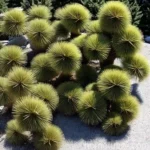
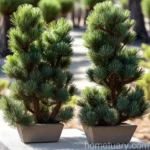
The Bosnian Pine (Pinus heldreichii ‘Smidtii’) is a striking evergreen conifer that showcases a columnar to narrowly conical silhouette, contributing to its dignified presence in landscapes. The cultivar ‘Smidtii’ is noted for its compact and dense form, making it an appealing choice for individuals seeking a refined and elegant tree for their outdoor spaces. The needles of Pinus heldreichii ‘Smidtii’ are a lustrous dark green color, creating a rich and verdant display throughout the year.
Bosnian Pine Characteristics
- Foliage: The needles of Pinus heldreichii ‘Smidtii’ are bundled in pairs, displaying a distinctive and visually pleasing arrangement along the branches. This creates a lush and textured appearance that contributes to the tree’s ornamental value.
- Growth Habits: With a moderate growth rate, the Bosnian Pine typically reaches heights of 20 to 40 feet, with an overall width of 10 to 15 feet. Its symmetrical form and dense foliage make it an ideal choice for structured hedges or as a standalone specimen.
- Bark: The bark of Pinus heldreichii ‘Smidtii’ exhibits a characteristic dark gray to black coloration, adding visual interest and contrast to its overall aesthetic.
- Root System: Although generally robust, Bosnian Pine has a non-intrusive root system, making it suitable for planting in close proximity to structures or other plants.
Growing Pinus heldreichii ‘Smidtii
Successful cultivation of Pinus heldreichii ‘Smidtii involves providing appropriate growing conditions to ensure its health and vigor. Let’s explore the essential factors necessary for nurturing this captivating conifer.
Sunlight
Pinus heldreichii ‘Smidtii thrives in full sun to partial shade, displaying its optimal growth and form when exposed to ample sunlight. It is essential to position this tree in a location that receives direct sunlight for a significant portion of the day, particularly in cooler climates, to promote robust growth and a dense, well-shaped canopy.
Water
While the Bosnian Pine is relatively drought-tolerant once established, it is crucial to provide regular watering, especially during its initial establishment phase. Adequate moisture is essential for fostering healthy root development and overall resilience. During periods of extended drought or high temperatures, supplementary watering can aid in maintaining the tree’s vitality and vigor.
Soil
Pinus heldreichii ‘Smidtii thrives in well-draining, slightly acidic to neutral soil. Soil that is rich in organic matter and provides good aeration is particularly beneficial for the tree’s growth and development. Furthermore, ensuring proper soil moisture and avoiding waterlogged conditions are imperative for mitigating the risk of root rot and other moisture-related issues.
Fertilizer
A balanced and controlled-release fertilizer formulated for evergreen trees can be applied in early spring to support the growth and vitality of Pinus heldreichii ‘Smidtii. Additionally, incorporating organic mulch around the base of the tree can aid in moisture retention and gradual nutrient release, contributing to the overall health of the tree.
Pruning
Minimal pruning is typically required for Pinus heldreichii ‘Smidtii, as its natural form and dense foliage contribute to its ornamental appeal. However, periodic removal of dead, damaged, or congested branches can promote air circulation and maintain the tree’s overall vigor. Pruning is best performed during the dormant season to minimize stress on the tree and facilitate efficient healing of pruning wounds.
Care Tips for Pinus heldreichii ‘Smidtii
In addition to the fundamental aspects of cultivation, several care tips can enhance the health and visual impact of Pinus heldreichii ‘Smidtii in both residential and public landscapes. By integrating these strategies, gardeners and enthusiasts can ensure the long-term vitality and splendor of this remarkable conifer.
Maintenance
Regular inspection of Pinus heldreichii ‘Smidtii for signs of diseases, pests, or environmental stressors is crucial for maintaining its well-being. Implementing a proactive maintenance routine, which includes monitoring soil moisture, conducting seasonal evaluations, and addressing any emerging issues promptly, can help mitigate potential challenges and preserve the tree’s health.
Winter Care
During the winter months, especially in regions experiencing harsh frosts or snowfall, it is essential to protect the foliage and branches of Pinus heldreichii ‘Smidtii from excessive weight or damage due to accumulated snow or ice. Gently brushing off snow and avoiding heavy accumulations can prevent undue stress on the tree and preserve its structure and aesthetic appeal.
Landscape Uses
Bosnian Pine enriches diverse landscapes with its stately demeanor and enduring charm. Whether employed as a solitary focal point in a garden, incorporated into mixed coniferous plantings, or utilized in formal or informal hedges, Pinus heldreichii ‘Smidtii exudes timeless elegance and contributes to the overall allure of its surroundings. Additionally, its cold hardiness and adaptability make it a versatile choice for various climates and settings.
Common Diseases and Pest Control
Despite its resilience, Pinus heldreichii ‘Smidtii may be susceptible to certain diseases and pests that can compromise its health and appearance. Understanding these potential challenges and employing proactive measures to minimize their impact are essential for safeguarding the vitality and longevity of Bosnian Pine in cultivated settings.
Common Diseases
Needle Blight
- Symptoms: Browning or discoloration of needles, often accompanied by premature needle drop.
- Cause: Fungal pathogens, such as Dothistroma and other needle blight fungi, can infect the foliage, leading to visible damage.
- Management: Implementing proper sanitation, ensuring adequate air circulation, and applying targeted fungicidal treatments can help manage and prevent needle blight in Pinus heldreichii ‘Smidtii.
Root Rot
- Symptoms: Wilted or discolored foliage, stunted growth, and overall decline in the tree’s health.
- Cause: Excessive soil moisture and poor drainage can contribute to the development of root rot, compromising the tree’s root system and vitality.
- Management: Improving soil drainage, avoiding excessive watering, and incorporating preventive fungicidal treatments can mitigate the risk of root rot and its detrimental effects on Bosnian Pine.
Pest Control
Pine Sawfly
- Symptoms: Defoliation, presence of sawfly larvae on the foliage, and visible feeding damage.
- Control: Physical removal of larvae, targeted insecticidal treatments, and encouraging natural predators can effectively manage the impact of pine sawflies on Pinus heldreichii ‘Smidtii.
Pine Shoot Beetle
- Symptoms: Boring holes in the shoots, wilting or dieback of affected branches, and signs of larval infestation.
- Control: Implementing early detection, promoting tree vigor through appropriate cultivation practices, and applying approved insecticidal treatments can aid in managing the pest population and minimizing damage to the tree.
By being vigilant about potential diseases and pests and employing integrated pest management strategies, individuals can safeguard the health and beauty of Pinus heldreichii ‘Smidtii, ensuring its continued splendor in the landscape.
Propagation
The propagation of Pinus heldreichii ‘Smidtii offers an opportunity to expand its presence and share its captivating attributes with a broader audience. While the propagation of coniferous trees, including Bosnian Pine, typically requires patience and specific techniques, the results can be immensely rewarding, contributing to the conservation and appreciation of this remarkable species.
Propagation Methods
Seed Propagation
- Process: Collecting mature cones, extracting the seeds, and subjecting them to stratification to simulate natural cold stratification. Sowing the stratified seeds in a controlled environment and providing optimal growing conditions for germination.
- Timeline: Depending on environmental conditions and seed viability, germination may occur within a few weeks to several months.
Grafting
- Technique: Utilizing grafting techniques to propagate selected cultivars of Pinus heldreichii ‘Smidtii onto compatible rootstocks, ensuring the retention of desired traits and characteristics.
- Advantages: Grafting allows for the preservation of specific attributes and accelerated growth, enabling the production of genetically identical trees with known qualities.
Given the enduring appeal and significance of Bosnian Pine, thoughtful propagation efforts can contribute to its conservation and availability, enriching landscapes with its timeless allure.
Botanist’s Tips
As accomplished horticulturists and plant enthusiasts, it is essential to understand the nuanced requirements and distinct qualities of Pinus heldreichii ‘Smidtii to ensure its successful incorporation and cultivation in diverse environments. Here are valuable tips from a botanist’s perspective to optimize the care and appreciation of this extraordinary conifer:
- Positioning: Select a well-drained and spacious location that allows for unhindered growth and ample sunlight exposure, facilitating the optimal development of Pinus heldreichii ‘Smidtii.
- Soil Preparation: Prioritize soil preparation by incorporating organic matter, ensuring adequate drainage, and maintaining a balanced pH to provide an ideal foundation for the tree’s root establishment and vitality.
- Watering Regimen: While Bosnian Pine exhibits tolerance to dry conditions, maintaining consistent moisture during its early establishment phase and prolonged periods of drought can significantly enhance its resilience and vigor.
- Pruning Considerations: Limit pruning to essential maintenance tasks, such as removing dead or damaged branches, to preserve the natural form and structural integrity of Pinus heldreichii ‘Smidtii.
- Integrated Pest Management: Embrace holistic pest management strategies that prioritize natural predators, cultural practices, and targeted treatments to mitigate pest pressures while preserving the ecological balance within the landscape.
By embodying these botanist’s tips, individuals can embark on a journey of nurturing and cherishing Pinus heldreichii ‘Smidtii, embracing its innate beauty and enduring qualities.
Fun Facts
As we celebrate the endearing appeal and cultural significance of Pinus heldreichii ‘Smidtii, let’s uncover some captivating and lesser-known facts that add to the allure of this remarkable conifer:
- Ancient Symbolism: The Bosnian Pine has historical significance, with ancient cultures regarding it as a symbol of longevity, strength, and wisdom, reflecting its enduring presence and revered status.
- Wildlife Habitat: The dense foliage and robust structure of Pinus heldreichii ‘Smidtii provide valuable habitat and nesting sites for diverse bird species and small mammals, contributing to the ecological richness of its surroundings.
- Drought Tolerance: Despite its preference for well-drained soil, Bosnian Pine exhibits impressive drought tolerance once established, showcasing its resilience in challenging environmental conditions.
These fun facts offer a glimpse into the multifaceted allure and ecological significance of Pinus heldreichii ‘Smidtii, enriching our appreciation of its intrinsic value.
Links to External Resources
For further exploration and in-depth understanding of Pinus heldreichii ‘Smidtii and its diverse aspects, I recommend delving into the following external resources:
- Royal Horticultural Society – Pinus heldreichii
- Missouri Botanical Garden – Pinus heldreichii ‘Smidtii’
- University of Florida – Institute of Food and Agricultural Sciences Extension – Pine Diseases and Insects
- North Carolina State University Extension – Propagation of Ornamental Trees, Shrubs, and Herbaceous Plants
By engaging with authoritative sources and botanical institutions, enthusiasts can enrich their knowledge and appreciation of Pinus heldreichii ‘Smidtii, fostering a deeper connection with this extraordinary conifer.
In concluding our comprehensive guide to Pinus heldreichii ‘Smidtii, I hope to have facilitated a deeper understanding and appreciation of the Bosnian Pine, empowering enthusiasts and horticulturists to cultivate, cherish, and preserve the rich legacy of this timeless and majestic conifer.
Remember, by honoring and nurturing the natural world, we become invested stewards of its timeless beauty and enduring splendor. May the elegance and resilience of Pinus heldreichii ‘Smidtii inspire and enrich our collective journey through the captivating realms of horticulture and environmental stewardship.
As a plant scientist, it is my pleasure to unveil the profound allure and cultural significance of Pinus heldreichii ‘Smidtii, celebrating its enduring presence and ecological prowess within diverse landscapes. Through this comprehensive guide, I aspire to kindle a sense of kinship and reverence for this remarkable conifer, fostering a deeper connection with the plant kingdom and the innate beauty it bestows upon our world.