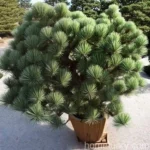
Pinus elliottii (Slash Pine): A Comprehensive Guide
As a plant scientist and enthusiast, I’m excited to delve into the world of Pinus elliottii, commonly known as the Slash Pine. In this comprehensive guide, we will explore the characteristics, cultivation, uses, and ecological significance of this fascinating species. From its native habitat to its landscaping potential and environmental impact, we will uncover the many facets of Pinus elliottii.
What is Pinus elliottii?
Pinus elliottii, or the Slash Pine, is a fast-growing, evergreen coniferous tree native to the southeastern United States. This pine species belongs to the Pinaceae family and is renowned for its economic and ecological importance. With its striking appearance and versatile applications, Pinus elliottii holds a significant place in forestry, horticulture, and conservation efforts.
Let’s embark on a journey to unravel the intricacies of Pinus elliottii, exploring its characteristics, cultivation requirements, ecosystem benefits, and much more.
Slash Pine Characteristics
Description
The Slash Pine is characterized by its tall and straight trunk, reaching heights of 100 feet or more in ideal conditions. It features long, slender needles that occur in bundles of two or three, and its cones are typically large and ovoid, ranging from 7 to 13 inches in length. The bark of mature trees is thick and deeply furrowed, providing resilience against environmental pressures.
Species
Pinus elliottii is part of the Pinus genus, which encompasses over 100 species of pines distributed across the Northern Hemisphere. Within this diverse genus, the Slash Pine stands out for its rapid growth and adaptability to various soil types and moisture conditions.
Growth Habits
This species exhibits a vigorous growth habit, particularly in its early years, making it a valuable choice for reforestation and timber production. Its rapid growth rate and straight form contribute to its commercial appeal, while its dense canopy provides habitat and shade for numerous wildlife species.
Care Tips
When cultivating Pinus elliottii, it’s essential to provide adequate space for its expansive root system and to monitor for any signs of stress or disease. Regular monitoring of environmental conditions and proactive management can enhance the health and vitality of Slash Pine stands.
Cultivation
Pinus elliottii thrives in well-drained soils and is commonly found in pine plantations, natural forests, and urban landscapes. Its resilience in various soil types and climates makes it a favored choice for timber production, windbreaks, and erosion control measures.
Planting Guide
When planting Slash Pine, it’s crucial to consider its mature size and plan for sufficient spacing between trees to accommodate their expansive crowns. Adhering to recommended planting distances and techniques can optimize growth and minimize competition among neighboring trees.
Maintenance
Regular maintenance, including pruning of lower branches and monitoring for pests and diseases, is essential to sustain healthy growth and ensure the longevity of Pinus elliottii stands.
Propagation
Propagation of Pinus elliottii is typically carried out through seed sowing, which requires careful attention to seed quality, soil conditions, and moisture levels. Successful propagation ensures the continued availability of this valuable species for forestry and conservation purposes.
Pruning Techniques
Pruning of Pinus elliottii should be conducted with care to maintain the tree’s natural form and prevent damage to the bark and foliage. Proper pruning techniques contribute to the overall health and aesthetic appeal of Slash Pine specimens.
Slash Pine Culture
Uses
The versatile applications of Pinus elliottii span multiple domains, including timber production, wildlife habitat enhancement, erosion control, and aesthetic landscaping. Its wood is sought after for construction, paper production, and furniture making, while its ecological contributions support diverse ecosystems.
Water
Pinus elliottii exhibits moderate water requirements once established, though it can withstand periodic drought conditions. Adequate moisture during its establishment phase is crucial for promoting root development and ensuring long-term resilience.
Sunlight
As a sun-loving species, Slash Pine thrives in full sunlight, which supports its vigorous growth and robust canopy development. Planting in open, sunny locations is recommended to optimize its photosynthetic capacity and overall health.
Fertilizer
While mature Pinus elliottii trees typically do not require fertilizer, young saplings benefit from a balanced fertilizer application to support initial growth and establishment.
Soil
This species shows remarkable adaptability to a wide range of soil types, including sandy, loamy, and clay soils. Well-drained soils are preferred to prevent waterlogging and support healthy root development.
Slash Pine Facts
- The Latin name “Pinus elliottii” pays homage to the American botanist Stephen Elliott, who made significant contributions to the study of southeastern flora.
- Slash Pine stands are known to enhance biodiversity by providing habitats for a variety of wildlife species, including birds, mammals, and insects.
- The resin of Pinus elliottii has been historically utilized for various medicinal purposes due to its antiseptic and anti-inflammatory properties.
Pinus elliottii Native Habitat
Pinus elliottii is native to the coastal plains of the southeastern United States, where it thrives in a variety of soil and moisture conditions. From the sandy soils of Florida to the moist woodlands of Georgia and Alabama, Slash Pine demonstrates its adaptability to the diverse landscapes of the region.
Slash Pine Ecosystem Benefits
Wildlife Support
The expansive canopies of Pinus elliottii provide vital habitat and nesting sites for numerous bird species, while its seeds and foliage offer sustenance for wildlife, including squirrels, deer, and turkeys. The presence of Slash Pine stands enriches the ecological fabric of the landscapes they inhabit.
Soil Stabilization
The extensive root systems of Pinus elliottii contribute to soil stabilization, reducing erosion and promoting the overall health of forest ecosystems. In areas susceptible to erosion, the strategic planting of Slash Pine can mitigate the adverse effects of soil degradation.
Windbreak Effectiveness
Slash Pine stands serve as effective windbreaks, shielding landscapes and agricultural fields from the erosive forces of strong winds. Their dense foliage and robust form make them valuable allies in protecting vulnerable areas from wind-related damage.
Slash Pine Climate Requirements
Coastal Area Suitability
Pinus elliottii exhibits a preference for coastal areas with their characteristic sandy soils and mild climates. It is well-suited to the environmental conditions of coastal plains, where it plays a significant role in shaping the landscapes and supporting local biodiversity.
Winter Hardiness
While tolerant of a range of temperatures, Slash Pine demonstrates resilience in the face of winter conditions, showcasing its adaptability to varying seasonal patterns.
Spring Flowering
In the spring, Pinus elliottii adorns its branches with clusters of small, yellowish male flowers and red to purple female flowers, contributing to the visual allure of the species during the spring season.
Autumn Foliage
While evergreen, Pinus elliottii may exhibit subtle changes in foliage color during the autumn months, adding a touch of seasonal variation to its visual appeal.
Pinus elliottii Soil Preferences
Soil Type
Pinus elliottii demonstrates adaptability to a diverse array of soil types, including sandy, loamy, and clay soils, exemplifying its resilience in variable soil conditions.
Moisture Levels
Well-drained soils are essential for maintaining the health and vigor of Pinus elliottii, as excessive moisture can lead to root rot and other detrimental effects.
Slash Pine Watering Needs
Drought Tolerance
Once established, Slash Pine exhibits notable tolerance to periodic drought conditions, making it a valuable species for regions prone to dry spells and water scarcity.
Establishment Phase
During its initial establishment phase, adequate watering is crucial to promote root development and ensure the successful acclimatization of young trees.
Slash Pine Uses
Timber Value
The wood of Pinus elliottii is highly valued for its strength, durability, and versatility. It is utilized in construction, fencing, pulp production, and a wide range of woodworking applications, making it a valuable economic resource.
Wildlife Habitat
The presence of Slash Pine stands contributes to the creation of diverse wildlife habitats, supporting numerous animal species and enriching the ecological fabric of their surroundings.
Soil Stabilization
Through its extensive root systems and soil-binding capabilities, Pinus elliottii plays a crucial role in stabilizing soil and mitigating erosion, particularly in vulnerable landscapes.
Pinus elliottii Landscaping Ideas
Urban Tree Benefits
In urban and suburban settings, the inclusion of Slash Pine in landscaping provides numerous benefits, including shade provision, air purification, and aesthetic enhancement of the urban environment.
Erosion Control Effects
Strategic planting of Pinus elliottii can effectively mitigate soil erosion, particularly in areas susceptible to erosion due to topographical and environmental factors.
Windbreak Utilization
As an effective windbreak species, Slash Pine offers protection to residential and agricultural areas, shielding them from the damaging effects of strong winds.
Slash Pine Wildlife Habitat
Bird Nesting Usage
The large, sturdy branches of Pinus elliottii provide secure nesting sites for various bird species, contributing to their reproductive success and population persistence.
Mammal Foraging
Wildlife species, including mammals such as deer and squirrels, forage on the seeds and foliage of Slash Pine, relying on its resources for sustenance.
Wildlife Support
The robust ecological significance of Pinus elliottii extends to its role in supporting a diverse range of wildlife, from insects and birds to larger mammalian species.
Slash Pine Common Diseases
Disease Diagnosis
While generally resistant to many diseases, Pinus elliottii may be susceptible to certain fungal pathogens and needle blights, which can be identified through careful observation and diagnostic testing if necessary.
Pest Resistance
Slash Pine exhibits resilience to various pests, though periodic monitoring is recommended to detect and address any potential pest infestations.
Slash Pine Common Pests
Pests
Pinus elliottii may encounter threats from insect pests such as pine beetles and caterpillars, which can impact tree health and vigor if left unaddressed.
Pest Management
Integrated pest management practices, including monitoring, biological control, and targeted pesticide application, can help mitigate pest pressures and sustain the health of Slash Pine stands.
Botanist’s Tips for Pinus elliottii
- When selecting sites for natural regeneration or reforestation with Pinus elliottii, consider factors such as soil type, moisture levels, and temperature ranges to optimize growth and survival.
- Regularly monitor for signs of stress, disease, or pest infestations, and implement prompt management strategies to safeguard the health of Pinus elliottii stands.
- Engage in conservation efforts to protect and restore the native habitats of Slash Pine, contributing to the preservation of its ecological importance.
Slash Pine Fun Facts
- The resin of Pinus elliottii has been traditionally used by Indigenous communities for its medicinal properties, serving as an antiseptic and anti-inflammatory agent.
- Slash Pine stands are known for their distinctive fragrance, which adds to the sensory experience of the landscapes they inhabit.
- Pinus elliottii has been the subject of extensive research and conservation efforts due to its ecological significance and economic value.
Links to External Resources
For further exploration of Pinus elliottii and related topics, consider the following external resources:
- USDA Forest Service: Pinus elliottii
- The Gymnosperm Database: Pinus elliottii
- University of Florida IFAS Extension: Slash Pine
Conclusion
In this comprehensive guide, we have embarked on a journey to uncover the multifaceted nature of Pinus elliottii, the Slash Pine. From its cultural significance and landscaping potential to its ecological contributions and conservation value, this species holds a special place in the natural world.
By understanding the characteristics, cultivation requirements, and ecological significance of Pinus elliottii, we can appreciate its role in shaping diverse landscapes and supporting a wide array of wildlife. Whether it’s the economic value of its timber, the aesthetic appeal of its evergreen form, or the ecological benefits it provides, Slash Pine stands as a testament to the inherent importance of native tree species in our environment.
As botanists, conservationists, and enthusiasts, let’s continue to champion the conservation and sustainable management of Pinus elliottii, ensuring its enduring presence and significance in the landscapes we cherish.
Remember, the next time you encounter a majestic stand of Slash Pines, take a moment to appreciate the rich tapestry of life and ecological connections that this remarkable species embodies.

Image Source: USDA Forest Service
So, as we conclude our exploration of Pinus elliottii, let’s continue to nurture and protect the natural world, ensuring that species like the Slash Pine can thrive for generations to come.
Thank you for joining me on this botanical journey!
References
- Albaugh, T. J., & Allen, H. L. (1999). Physiology of slash pine. In The future of the southern pine forests (pp. 147-186). Springer, Boston, MA.
- Goldfarb, B., & Driscoll, C. T. (2020). Fertilization of Pinus Elliottii (Slash Pine) with Nitrogen and Phosphorus: Response, Resilience, and Recovery from Hurricane Disturbance. Journal of Sustainable Forestry, 39(3), 281-295.
- Stewart, T. H., & Seymour, R. S. (1980). The natural distribution and growth habits of slash pine. Bulletin-Florida Department of Agriculture and Consumer Services, Forest Pathology, (12), 20-30.