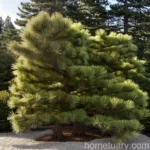
Japanese Red Pine (Pinus densiflora): A Comprehensive Guide
Welcome to our comprehensive guide to Japanese red pine, scientifically known as Pinus densiflora. In this article, we will delve into the various aspects of this beautiful and versatile tree, including its culture, uses, care requirements, and much more. Whether you are a gardening enthusiast, a professional landscaper, or simply someone interested in the natural world, you will find valuable insights into the world of Pinus densiflora in the following sections.
What is Pinus densiflora?
Pinus densiflora, commonly referred to as Japanese red pine, is a species of pine native to Japan and Korea. It is a handsome, slow-growing evergreen tree that is prized for its ornamental value, adaptability, and various practical uses. The tree features distinctive reddish-brown bark and an open, spreading crown, making it a striking addition to gardens, parks, and landscapes.
Key Takeaways – Japanese Red Pine (Pinus densiflora)
Before diving into the specifics of Japanese red pine care and cultivation, it’s essential to understand the key takeaways about this remarkable tree. Here are some of the important points to keep in mind:
- Scientific Name: Pinus densiflora
- Common Name: Japanese red pine
- Native Range: Japan, Korea
- Growth Habit: Slow-growing, evergreen tree
- Notable Features: Distinctive reddish-brown bark, long needles, ornamental value
- Uses: Ornamental tree, timber, landscaping, bonsai, medicinal purposes
- Adaptability: Tolerant of various soil types, climates, and light conditions
Now, let’s explore the various aspects of caring for and utilizing Japanese red pine in greater depth.
Culture
Understanding the cultural requirements of Pinus densiflora is crucial for ensuring its optimal growth and health. From water and sunlight needs to soil and fertilizer considerations, here’s what you need to know about the culture of Japanese red pine.
Water
Japanese red pine is known for its moderate drought tolerance once established. However, during the initial establishment period, consistent moisture is crucial for healthy root development. Here are some tips for watering Pinus densiflora:
- Establishment: Water newly planted Japanese red pine trees regularly, ensuring that the soil is consistently moist but not waterlogged.
- Mature Trees: Once established, Japanese red pine typically requires watering during dry periods, especially in the absence of rainfall.
Sunlight
Proper sunlight exposure is essential for the healthy growth of Japanese red pine. As a general guideline:
- Sun Requirements: Japanese red pine thrives in full sun to partial shade. Ensure that the tree receives at least 6-8 hours of direct sunlight daily for optimal growth.
Fertilizer
While Japanese red pine is relatively low-maintenance in terms of fertilizer requirements, supplemental feeding can benefit its overall vigor. Here’s what to consider:
- Timing: Apply a balanced, slow-release fertilizer in early spring before the onset of new growth.
- Application: Spread the fertilizer evenly within the tree’s drip line, and water thoroughly after application.
Soil
Japanese red pine exhibits a good level of adaptability to different soil types, provided they are well-draining. Here’s an overview of its soil preferences:
- Preferred Soil: Well-draining, slightly acidic to neutral soil is ideal for Japanese red pine.
- Soil Amendments: Incorporating organic matter into the soil can enhance its structure and fertility, promoting better growth.
Pruning
Pruning is an important aspect of Japanese red pine care, especially when considering its ornamental and landscaping uses. Proper pruning can help maintain the tree’s shape, remove dead or diseased branches, and encourage overall health and vigor.
Pruning Techniques
When pruning Japanese red pine, consider the following techniques:
- Deadwood Removal: Regularly inspect the tree and remove any dead, damaged, or diseased branches to prevent the spread of issues and enhance the tree’s appearance.
- Training and Shaping: For ornamental purposes, Japanese red pine can be pruned to achieve specific shapes or forms, such as the traditional “cloud pruning” style commonly seen in Japanese gardening.
Propagation
For those interested in propagating Japanese red pine, several methods can be employed to grow new trees. While seeds are the most common means of propagation, techniques such as grafting and air layering can also be utilized to preserve specific cultivars or traits.
Seed Propagation
Growing Japanese red pine from seeds involves the following steps:
- Seed Collection: Collect mature cones from healthy, disease-free trees.
- Seed Extraction: Remove the seeds from the cones and allow them to air dry for a few days.
- Sowing: Plant the seeds in well-draining, slightly acidic soil mix in containers or seed beds.
- Care: Keep the soil consistently moist and provide ample sunlight for germination and early growth.
Container Popularity
Japanese red pine’s adaptability and ornamental value make it a popular choice for container gardening. Its slow growth and distinctive appearance make it well-suited for use in various container planting scenarios, from patios and urban landscapes to traditional Japanese bonsai cultivation.
Container Uses
When growing Japanese red pine in containers, consider these key points:
- Selection: Choose a container that provides adequate drainage and room for root development as the tree grows.
- Soil: Utilize a well-draining, slightly acidic potting mix designed for coniferous plants.
- Watering: Container-grown Japanese red pine may require more frequent watering, especially during hot and dry periods.
Common Diseases
Despite its overall resilience, Japanese red pine is susceptible to certain diseases and pests that can impact its health and appearance. Recognizing common diseases and addressing them promptly is key to maintaining the tree’s well-being.
Disease Diagnosis
Keep an eye out for the following common diseases of Japanese red pine:
- Pine Wilt: This devastating disease is caused by a nematode and can lead to rapid wilting and death of affected trees.
- Needle Blight: Fungal pathogens can cause browning, dieback, or defoliation of needles in Japanese red pine.
Common Pests
Several pests can pose potential threats to Japanese red pine, requiring vigilance and proactive management to prevent significant damage.
Pest Control
Be aware of these common pests that can affect Japanese red pine:
- Pine Sawfly: The larvae of certain sawfly species can defoliate Japanese red pine trees if left unchecked.
- Pine Bark Beetles: These insects can burrow into the tree’s bark, causing damage and potential dieback.
Botanist’s Tips
To further enrich your understanding and care of Japanese red pine, consider the following tips from professional botanists and horticulturists:
- Mulching: Apply a layer of organic mulch around the base of Japanese red pine to conserve soil moisture and regulate temperature.
- Winter Protection: In regions with harsh winters, consider providing additional protection, such as burlap or anti-desiccant sprays, to shield the tree from excessive cold and wind.
Fun Facts
Explore some intriguing and lesser-known facts about Japanese red pine:
- Symbolism: In Japanese culture, the Japanese red pine symbolizes longevity, resilience, and steadfastness, often being featured in traditional gardens and artwork.
- Timber Uses: The wood of Japanese red pine is valued for its strength and versatility, commonly utilized in construction, furniture making, and woodworking.
Links to External Resources
As you continue your journey of exploring the world of Japanese red pine, we recommend tapping into reputable external resources for further information, guidance, and inspiration:
- American Conifer Society: An organization dedicated to the appreciation and conservation of coniferous plants, offering valuable insights into various pine species.
- Royal Horticultural Society: A renowned authority on gardening and horticulture, providing extensive information on plant care, cultivation, and pest management.
Conclusion
In conclusion, Japanese red pine (Pinus densiflora) stands as a captivating and versatile tree with a rich history and a wide range of practical and ornamental uses. Whether you’re looking to enhance your landscape, delve into bonsai cultivation, or simply appreciate the natural beauty of this species, understanding its culture, care requirements, and potential uses is essential for fostering success and enjoyment.
By embracing the insights and tips shared in this comprehensive guide, we hope you feel empowered to embark on your own journey with Japanese red pine, unlocking its unique benefits and contributing to its continued appreciation and conservation.
Remember, as you cultivate and care for these majestic trees, you’re not only enriching your surroundings but also becoming a steward of a timeless natural heritage that spans cultures and generations. Happy planting and nurturing!
In the next sections, we will delve into the various aspects of caring for and utilizing Japanese red pine in greater depth. Let’s get started with the cultural requirements of Pinus densiflora – from water and sunlight needs to soil and fertilizer considerations.