Korean Pine (Pinus koraiensis)
Korean pine (Pinus koraiensis) is a stunning evergreen tree known for its beauty and utility. This resilient tree is native to Korea, China, and Russia and is a prominent species in the boreal forests of Northeast Asia. Its adaptability, cultural significance, and diverse uses make it a valuable tree in both natural and cultivated landscapes.
In this comprehensive guide, we will delve into the characteristics, cultivation, uses, and maintenance of the Korean pine. Whether you are a professional botanist, an avid gardener, or someone with a general interest in plants, this article aims to provide you with a complete understanding of the Korean pine and how to care for it.
What is Korean Pine (Pinus koraiensis)?
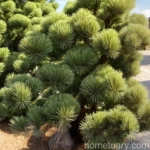
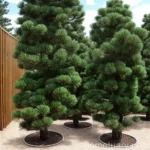
Korean pine, scientifically known as Pinus koraiensis, is a species of pine tree in the family Pinaceae. It is a slow-growing, long-lived conifer that can reach impressive heights of up to 30 meters (98 feet) in optimal conditions. The tree features dark green, needle-like leaves that create a striking contrast against its reddish-brown bark, making it a visually appealing addition to any landscape.
Key Takeaways – Korean Pine (Pinus koraiensis)
Here are some key points to remember about Korean pine:
- Scientific Name: Pinus koraiensis
- Common Names: Korean Pine, Korean Nut Pine
- Species: Pinus koraiensis
- Family: Pinaceae
- Native Habitat: Korea, China, and Russia
- Growth Habit: Slow-growing, evergreen tree
Culture
Understanding the cultural requirements of Korean pine is essential for successfully growing and maintaining this species. Let’s explore its needs in terms of water, sunlight, fertilizer, soil, and pruning.
Water
Korean pine trees require regular watering, especially during their early years of establishment. Adequate moisture is crucial for their survival and optimal growth. However, it’s important to ensure that the soil is well-draining to prevent waterlogged conditions, which can be detrimental to the tree.
Sunlight
As a sun-loving species, Korean pine thrives in full sunlight. When selecting a planting site, ensure that it receives ample sunlight throughout the day. Insufficient sunlight can lead to stunted growth and a less vibrant appearance.
Fertilizer
While Korean pine trees are relatively low-maintenance in terms of fertilizer requirements, an occasional application of a balanced, slow-release fertilizer can support their overall health and vigor. Apply the fertilizer in early spring to provide the tree with essential nutrients for the growing season.
Soil
Korean pine prefers slightly acidic to neutral, well-draining soils. It is essential to avoid waterlogged or compacted soils, as they can lead to root suffocation and other problems. Amending the soil with organic matter can improve its structure and fertility, creating a more hospitable environment for the tree.
Pruning
Pruning is generally not necessary for Korean pine trees, especially when they are grown in their natural habitat. However, in urban or suburban landscapes, occasional pruning may be required to remove dead or damaged branches and maintain the tree’s shape. It is advisable to prune the tree during its dormant season to minimize stress and promote optimal healing.
Propagation
Korean pine can be propagated through seeds or cuttings. Seeds are the most common method of propagation and can be collected from mature cones. However, germination may be a slow process, as Korean pine seeds often have a hard coating that requires scarification for successful sprouting. If utilizing cuttings for propagation, it is important to use softwood or semi-hardwood cuttings and provide them with appropriate rooting conditions.
Container Popularity
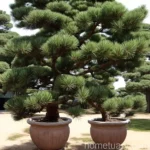
While Korean pine is typically grown in outdoor landscapes, it can also thrive in large containers when provided with adequate space, sunlight, and soil moisture. Its striking appearance and adaptability make it a popular choice for container gardening in urban and suburban settings.
Container Common Diseases
When grown in containers, Korean pine may be susceptible to certain diseases, including root rot and fungal infections. Monitoring soil moisture, ensuring proper drainage, and providing adequate air circulation around the container can help prevent these issues.
Disease Diagnosis
Diagnosing diseases in Korean pine trees requires careful observation of symptoms such as wilting, yellowing of foliage, and unusual growths. Conducting a thorough assessment of the tree’s overall health and consulting with a plant pathologist or arborist can aid in accurately diagnosing and treating any potential diseases.
Common Pests
Korean pine trees may be at risk of pest infestations, including scales, adelgids, and pine tip moths. Regular monitoring of the tree for signs of pest activity, such as unusual discoloration or damage, can aid in early detection and the implementation of appropriate pest management strategies.
Botanist’s Tips
As a plant scientist, here are some valuable tips for effectively growing and caring for Korean pine trees:
- Site Selection: Choose a well-draining site with full sunlight for optimal growth.
- Watering: Provide consistent moisture, especially during the tree’s establishment period.
- Soil Quality: Ensure well-draining, slightly acidic to neutral soil for healthy root development.
- Propagation: Explore both seed and cutting propagation methods for diversity in planting.
- Container Care: When growing in containers, prioritize proper drainage and soil quality to prevent disease.
Fun Facts
- The Korean pine tree is a significant species in the boreal forests of Northeast Asia, providing habitat and sustenance for diverse wildlife.
- The seeds of the Korean pine are a valuable food source, often harvested for culinary and nutritional purposes.
- Korean pine oil, extracted from the tree’s seeds, is utilized for its health benefits and culinary uses in various cultures.
Links to External Resources
For further in-depth information on Korean pine (Pinus koraiensis), please explore the following external resources:
- Korean Pine Tree – The Spruce
- Pinus koraiensis – Missouri Botanical Garden
- Growing Korean Pine Trees – Gardening Know How
As a plant scientist, it is crucial to stay updated with the latest research and resources to enhance understanding of plant species and their cultivation.
In conclusion, Korean pine (Pinus koraiensis) is a remarkable tree with diverse cultural, ecological, and utilitarian significance. By understanding its specific needs and characteristics, individuals can contribute to the preservation and appreciation of this valuable species in natural and cultivated settings. Whether it is thriving in the boreal forests of Northeast Asia or gracing urban gardens, the Korean pine stands as an emblem of resilience, beauty, and functionality in the world of plants.
The complex ecological web that Korean pine supports in its natural habitat is a testament to the interconnectedness of all living things.
The Korean pine holds a prominent place in the folklore and traditional medicinal practices of the regions where it is found, further highlighting its cultural and ecological significance. It stands as a symbol of resilience, sustainability, and the intricate web of life in the ecosystems it inhabits.
As we continue to study and appreciate the Korean pine, we unveil the interconnectedness of plants, animals, and humans, and the profound impact of preserving and nurturing our natural environment.
Nurturing and appreciating the Korean pine in our landscapes allows us to partake in its storied legacy and contribute to the preservation of biodiversity and ecological balance, both locally and globally. May the Korean pine continue to inspire awe and reverence, serving as a reminder of the intricate beauty and resilience of nature.