Pineberry (Fragaria WONDERFUL PINEBERRY): A Unique Strawberry Variety
Introduction
Fragaria x ananassa, commonly known as pineberry, is a remarkable and unique variety of strawberry that has captured the attention of fruit enthusiasts and horticulturists alike. With its distinct appearance and flavor, the pineberry has carved out a niche for itself in the world of horticulture and culinary arts. In this comprehensive guide, we will delve into the various aspects of pineberry cultivation, including its culture, uses, care requirements, common diseases, and propagation techniques.
What is the Pineberry (Fragaria WONDERFUL PINEBERRY)?
The pineberry, or Fragaria WONDERFUL PINEBERRY, is a white-fruited strawberry that is often referred to as a “pineberry” due to its unique flavor profile, which combines the taste of strawberries with a hint of pineapple. This hybrid variety is a cross between the Fragaria chiloensis and Fragaria virginiana species, resulting in a strawberry that is visually distinct from traditional red strawberries.
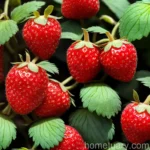
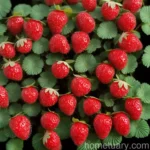
Pineberries typically feature pale, white flesh with red seeds on the surface, giving them their characteristic appearance reminiscent of a pine cone or white strawberry. The fruit also emanates a delightful fragrance that adds to its allure. While pineberries may not be as widely recognized as their red counterparts, they hold significant appeal for those seeking novel and exotic fruit varieties.
Key Takeaways – Pineberry (Fragaria WONDERFUL PINEBERRY)
Before delving into the specifics of pineberry cultivation and care, let’s explore some key takeaways about this intriguing fruit:
- The pineberry, also known as a white strawberry, is a unique strawberry variety that offers a sweet-tart flavor with subtle hints of pineapple.
- It is a hybrid species derived from the Fragaria chiloensis and Fragaria virginiana, resulting in its distinctive appearance and flavor profile.
- Pineberries are sought after for their ornamental value in landscaping and their potential culinary applications, such as in desserts, salads, and beverages.
- Cultivating pineberries requires attention to specific cultural requirements, disease management, and propagation techniques to ensure optimal plant health and fruit production.
Now that we have a brief overview of the pineberry, let’s explore the various aspects of its cultivation and care in greater detail.
Culture
Uses
The pineberry serves a variety of purposes, ranging from culinary applications to ornamental landscaping. Some common uses of pineberries include:
- Culinary Delights: Pineberries can be used in a wide array of culinary creations, including desserts, jams, sauces, and beverages. Their unique flavor and appearance make them an ideal choice for adding a distinctive touch to dishes and drinks.
- Ornamental Plantings: Due to their striking appearance, pineberry plants are often utilized as ornamental additions to gardens, borders, and containers. Their white fruits and red seeds contrast beautifully against the green foliage, making them a visually captivating choice for landscape design.
Water
Proper watering is essential for the successful cultivation of pineberries. These plants require consistent moisture levels, especially during the fruiting season. However, it is crucial to avoid waterlogged conditions, as excessive moisture can lead to the development of root rot and other detrimental conditions.
Aim to water pineberries deeply but infrequently, allowing the soil to dry out slightly between watering sessions. This practice helps promote healthy root development and minimizes the risk of water-related issues.
Sunlight
Pineberries thrive in locations with ample sunlight, preferably receiving at least 6 hours of direct sunlight per day. Adequate sunlight exposure encourages robust growth and fruit production, contributing to the overall health and vigor of the plants.
When selecting a site for planting pineberries, prioritize areas that offer full sun exposure and provide the necessary light requirements for these fruit-bearing plants.
Fertilizer
As with many fruit-bearing plants, pineberries benefit from regular fertilization to support their growth and fruiting capabilities. When selecting a fertilizer for pineberries, opt for a balanced, slow-release fertilizer formulated for fruit-bearing plants.
Apply the fertilizer according to the manufacturer’s recommendations, typically during the growing season and fruiting period. Avoid over-fertilization, as excessive nutrients can lead to imbalanced growth and reduced fruit quality.
Soil
The soil composition plays a pivotal role in the successful cultivation of pineberries. These plants thrive in well-draining, slightly acidic soil with a pH range of 5.5 to 6.5. A loamy, fertile soil type is ideal for promoting healthy root development and optimal fruit production.
Before planting pineberries, perform a soil test to assess the pH and nutrient levels of the soil. Amend the soil as necessary to achieve the desired pH range and address any deficiencies, such as incorporating organic matter or specific soil amendments to enhance soil quality.
Pruning
Pruning is an important aspect of pineberry care, contributing to plant health, fruit yield, and overall vigor. The following are key considerations for pruning pineberries:
- Runner Control: Pineberries are capable of producing runners, which are horizontal stems that enable the plant to propagate vegetatively. While runners can contribute to the expansion of pineberry patches, excessive runner production may divert energy away from fruiting. Consider removing excess runners to promote fruit development and maintain manageable plant clusters.
- Fruit-Producing Stems: Regularly inspect pineberry plants for damaged or diseased stems, as well as non-productive growth. Prune out any compromised or non-fruiting stems to redirect the plant’s resources toward healthy, fruit-bearing growth.
- Foliage Maintenance: Trimming and removing excess foliage can enhance air circulation around pineberry plants, reducing the risk of fungal diseases and promoting overall plant vitality.
Proper pruning practices contribute to the overall health and productivity of pineberries, making it essential to incorporate regular pruning into the plant care routine.
Propagation
Propagation is a key aspect of pineberry cultivation, enabling growers to expand their plantings and perpetuate desirable traits. Two primary methods of pineberry propagation include:
- Runners: Pineberries naturally produce runners, which are specialized stems that root at nodes and give rise to new plants. Growers can allow the runners to take root and establish new plants, thereby expanding their pineberry patches.
- Division: Division involves separating mature pineberry plants into smaller sections, each containing viable roots and shoots. This method allows growers to create new plants from established ones, contributing to the propagation of desirable pineberry varieties.
When propagating pineberries, ensure that the newly established plants receive adequate care and support to encourage healthy growth and establishment.
Container Popularity
Pineberries have garnered significant popularity as container plants, offering an appealing option for individuals with limited garden space, as well as those seeking to showcase these unique fruiting specimens. Some reasons for the popularity of pineberries in containers include:
- Space Efficiency: Container-grown pineberries are well-suited for small gardens, patios, balconies, and other compact spaces, allowing individuals to cultivate these fruits without extensive garden plots.
- Ornamental Value: Pineberries lend themselves well to container plantings, serving as ornamental focal points with their distinctive white fruits and red seeds. They can be showcased in decorative pots and arrangements, enhancing the aesthetic appeal of outdoor living spaces.
- Portability: Containerized pineberry plants offer the flexibility to be moved and repositioned as needed, allowing growers to optimize light exposure and environmental conditions for their plants.
The adaptability of pineberries to container culture has made them a sought-after choice for both novice and experienced growers looking to incorporate unique fruit varieties into their horticultural pursuits.
Common Diseases
Pineberries, like many fruit-bearing plants, are susceptible to certain diseases that can impact their overall health and fruit production. Understanding common diseases and their associated symptoms is crucial for effective disease management. Some common diseases that can affect pineberries include:
- Botrytis Fruit Rot: This fungal disease, commonly known as gray mold, can cause fruit decay characterized by fuzzy, gray mold growth on the surface of pineberries. Proper air circulation, adequate spacing between plants, and removal of infected fruit can help mitigate the impact of botrytis fruit rot.
- Powdery Mildew: Powdery mildew manifests as a powdery, white residue on the leaves and stems of pineberry plants, often leading to stunted growth and reduced vitality. Regular monitoring and the use of fungicidal treatments can help manage powdery mildew outbreaks.
- Anthracnose: Anthracnose can result in dark, sunken lesions on pineberry fruits and foliage, compromising plant health and fruit quality. Implementing cultural practices such as proper sanitation, pruning, and fungicidal treatments can aid in controlling anthracnose.
Disease Diagnosis
When diagnosing diseases in pineberries, it is important to closely inspect the plants for symptoms such as unusual discoloration, lesions, mold growth, or leaf deformities. Additionally, consider environmental factors, such as humidity levels, temperature, and moisture, which can influence the development and spread of diseases.
If unsure about the specific disease affecting pineberries, consider consulting with a knowledgeable horticulturist, agricultural extension service, or plant pathology expert for accurate diagnosis and tailored management recommendations.
Common Pests
Pineberries are susceptible to various pests that can compromise plant health and fruit quality if left unmanaged. Some common pests that may affect pineberries include:
- Spider Mites: These tiny pests can infest pineberry plants, causing stippled discoloration on leaves and negatively impacting plant vigor. Regular monitoring and the use of insecticidal treatments can help control spider mite infestations.
- Aphids: Aphids are small, sap-feeding insects that can congregate on the tender growth of pineberry plants, potentially causing distortion and yellowing of leaves. Employing natural predators, such as ladybugs, and utilizing insecticidal soap can aid in managing aphid populations.
Understanding the life cycles, feeding habits, and vulnerabilities of common pests is essential for implementing effective pest management strategies and safeguarding the health of pineberry plants.
Botanist’s Tips
As a plant scientist specialized in the study of berries and fruiting plants, I’ve compiled a set of tips and recommendations for successful pineberry cultivation and care:
- Site Selection: When choosing a location for planting pineberries, prioritize sites with well-draining soil, ample sunlight, and good air circulation to create optimal growing conditions for these plants.
- Pest Monitoring: Regularly monitor pineberry plants for signs of pest activity, focusing on the undersides of leaves, tender shoots, and developing fruit. Early pest detection allows for timely intervention and minimizes potential damage.
- Cultural Practices: Implement cultural practices such as proper watering, fertilization, and pruning to promote the health and productivity of pineberries while minimizing the risk of diseases and pests.
- Pollination: Pineberries, like other strawberry varieties, benefit from insect pollination to ensure fruit set and development. Encourage pollinator activity by incorporating pollinator-friendly plants in the vicinity of pineberries.
- Harvesting Techniques: Practice gentle handling and timely harvesting of ripe pineberries to preserve fruit quality and flavor. Harvesting at the peak of ripeness ensures a delightful culinary experience with these unique fruits.
Incorporating these botanist’s tips into pineberry cultivation endeavors can contribute to the overall success and satisfaction of growing these distinctive strawberry varieties.
Fun Facts
As we explore the world of pineberries, here are some captivating and intriguing facts about these remarkable strawberry hybrids:
- Historical Origins: The pineberry variety has historical roots, with a legacy dating back to the 18th century when it was documented in the botanical records of the time. Its unique appearance and flavor have made it a subject of fascination for fruit enthusiasts and horticulturists over the centuries.
- Visual Appeal: The pale, white coloration of pineberries, coupled with contrasting red seeds, creates a visually striking fruit that stands out from traditional red strawberries. This distinct appearance has garnered attention from culinary artists and gardeners seeking novel and visually captivating fruit varieties.
- Taste Sensation: Pineberries offer a delightful flavor profile that combines the sweetness of strawberries with a subtle hint of pineapple, creating a sensory experience that sets them apart from conventional strawberry varieties.
- Culinary Versatility: From delectable desserts to refreshing beverages, pineberries have found their way into various culinary creations, adding a unique touch to dishes and drinks. Their culinary versatility and visually appealing nature make them a prized ingredient in the culinary world.
- Ornamental Allure: Beyond their culinary appeal, pineberry plants contribute to the visual splendor of gardens and landscapes, enhancing the aesthetic appeal of outdoor spaces with their distinctive white fruits and lush foliage.
These fun facts shed light on the captivating allure and historical significance of pineberries, further underscoring their appeal as a unique and cherished fruit variety.
Conclusion
As we conclude this comprehensive exploration of pineberries, it is evident that these white-fruited strawberry hybrids possess a wealth of appeal, from their distinct flavor and appearance to their potential culinary and ornamental uses. By understanding the cultural requirements, care practices, disease management strategies, and propagation techniques associated with growing pineberries, enthusiasts and horticulturists can embark on a rewarding journey of cultivating these unique and captivating fruits.
Whether incorporated into culinary creations, displayed as ornamental specimens, or simply enjoyed fresh from the garden, pineberries stand as a testament to the diverse and enchanting world of fruit cultivation. By embracing the art and science of pineberry cultivation, individuals can partake in the rich heritage and sensory pleasures that these white strawberries offer.
Links to External Resources
To further expand your knowledge and exploration of pineberries, consider accessing the following external resources for valuable insights and information:
– Strawberry Planting Guide
– Pest and Disease Control in Strawberries
– Fruit Cultivation and Management
– Ornamental Strawberry Varieties
– Insect Pollinators and Their Role in Fruit Production
These resources offer valuable insights into various aspects of pineberry cultivation, including practical guidelines, pest and disease management strategies, and the ornamental appeal of strawberry varieties.
With this abundance of knowledge and appreciation for pineberries, you are well-equipped to embark on a journey of cultivating these remarkable white-fruited strawberries, whether for their culinary potential, ornamental value, or simply the joy of experiencing the unique flavors and characteristics they offer.
By incorporating a wealth of information and insights into pineberry cultivation, this comprehensive guide provides an in-depth resource for enthusiasts and horticulturists interested in exploring the captivating world of white strawberries. From cultural requirements and care practices to disease management strategies and fun facts, the guide offers a holistic view of the pineberry, showcasing its uniqueness and appeal in the realm of fruit cultivation and culinary arts.