The Alluring Coneflower: Echinacea ‘Glowing Dream’
The coneflower is a charming and popular perennial plant known for its daisy-like flowers and its remarkable benefits in gardens and landscapes. Among the numerous varieties available, the Echinacea ‘Glowing Dream’ stands out with its vibrant bloom and exceptional qualities. In this blog post, we will explore the essential aspects of the coneflower (Echinacea ‘Glowing Dream’) – its culture, uses, maintenance, and more.
What is Plant: Coneflower (Echinacea ‘Glowing Dream’)
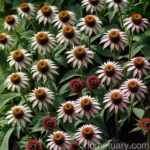
The Echinacea ‘Glowing Dream’ is a stunning cultivar of the coneflower species, scientifically known as Echinacea. This herbaceous perennial is a member of the Asteraceae family, characterized by its showy and long-lasting blooms that attract various pollinators, including butterflies and bees. The ‘Glowing Dream’ variety is particularly revered for its striking coral-colored flowers, making it a focal point in any garden or landscape.
Key Takeaways – Coneflower (Echinacea ‘Glowing Dream’)
Before delving deeper into the specifics of the Echinacea ‘Glowing Dream’, let’s take a quick look at some key takeaways regarding this captivating plant:
- Common Name: Coneflower
- Scientific Name: Echinacea ‘Glowing Dream’
- Family: Asteraceae
- Characteristics: Vibrant coral-colored flowers, long-lasting blooms, attracts pollinators
- Perennial: Thrives year after year, with proper care
- Medicinal Properties: Historically used for various herbal remedies
- Garden Design: Aesthetically pleasing addition to gardens, landscapes, and naturalistic plantings
- Wildlife Attraction: Attracts butterflies, bees, and other beneficial insects
- Drought Tolerance: Exhibits resilience in dry conditions
- Hybrid: A cultivated variety with unique characteristics and features
Now, let’s explore the various aspects of the coneflower (Echinacea ‘Glowing Dream’), including its culture, uses, maintenance, and more.
Culture
Uses
The coneflower (Echinacea ‘Glowing Dream’) holds both ornamental and medicinal value, contributing to its widespread popularity in gardens and landscapes. Here are some common uses of this captivating plant:
-
Ornamental: The vibrant and long-lasting blooms of the ‘Glowing Dream’ cultivar make it a delightful addition to flower beds, borders, and mixed perennial plantings. Its eye-catching flowers can also be utilized in cut flower arrangements, bringing a touch of elegance to indoor spaces.
-
Medicinal: Echinacea, including the ‘Glowing Dream’ variety, has a rich history of traditional medicinal use. It is believed to possess immune-boosting and anti-inflammatory properties, contributing to its inclusion in herbal remedies and supplements.
Water
Coneflowers, including the ‘Glowing Dream’ cultivar, generally exhibit good drought tolerance once established. However, during the initial establishment period, regular watering is essential to promote healthy growth and root development. Adequate moisture levels are particularly crucial during periods of prolonged dryness or extreme heat.
Sunlight
Echinacea ‘Glowing Dream’ thrives in full sun to partial shade, preferring at least 6 hours of direct sunlight daily for optimal flower production. Adequate sunlight exposure contributes to sturdy plant growth and vibrant flower coloration.
Fertilizer
When it comes to fertilizing coneflowers, including the ‘Glowing Dream’ variety, a balanced and diluted fertilizer application in early spring can support healthy growth and abundant flowering. Additionally, incorporating organic matter into the soil during planting or as a top dressing can provide essential nutrients for the plant’s development.
Soil
Well-draining soil with good moisture retention is ideal for cultivating Echinacea ‘Glowing Dream’. A slightly acidic to neutral pH level is preferred, and the addition of organic matter, such as compost, can enhance soil structure and fertility. The coneflower thrives in loamy, sandy, or clay soils, as long as they are well-draining.
Pruning
Pruning coneflowers, including the ‘Glowing Dream’ variety, can promote continuous flowering and a tidy appearance. Deadheading spent blooms and removing any damaged or withered foliage can encourage the plant to redirect its energy towards new growth and flower production. Pruning can also help prevent the plant from self-seeding, especially in garden settings where seed dispersal needs to be managed.
Propagation
Coneflowers, including the ‘Glowing Dream’ cultivar, can be propagated through several methods, such as division, seed sowing, and stem cuttings. Each propagation technique offers opportunities to expand the plant’s presence in the garden or share its beauty with others.
-
Division: Divide mature coneflower clumps every few years to rejuvenate the plant and create new specimens. This method also allows for the expansion of coneflower plantings in different areas of the garden.
-
Seed Propagation: Collecting and sowing coneflower seeds can yield new plants with genetic diversity. Sowing seeds in a well-prepared seed-starting mix and providing adequate moisture and warmth can lead to successful germination and establishment.
-
Stem Cuttings: Taking stem cuttings from healthy, actively growing coneflower plants offers a way to propagate exact genetic replicas of the parent plant. Rooting hormone application and proper care during the rooting process can improve the success rate of stem cutting propagation.
Container Popularity
Echinacea ‘Glowing Dream’ is well-suited for container gardening, adding a splash of color and natural beauty to patios, balconies, and outdoor living spaces. Its compact growth habit and stunning flowers make it an appealing choice for container plantings.
Container
When selecting a container for Echinacea ‘Glowing Dream’, choose a spacious pot with adequate drainage holes to ensure proper soil aeration and moisture control. Additionally, using a high-quality potting mix with added organic matter can provide essential nutrients and support healthy growth.
Common Diseases
Coneflowers, including the ‘Glowing Dream’ variety, are generally resilient plants with good disease resistance. However, certain environmental conditions or cultural practices can contribute to the development of diseases. Common diseases that may affect coneflowers include:
-
Powdery Mildew: This fungal disease can result in a white, powdery growth on the plant’s foliage, ultimately impacting its overall health and vigor. Proper air circulation and humidity control can help prevent powdery mildew.
-
Septoria Leaf Spot: Characterized by dark spots with yellow halos on the leaves, this fungal disease can lead to leaf discoloration and defoliation. Removing and disposing of affected plant material can aid in disease management.
Disease Diagnosis
Early detection and prompt intervention are essential for managing and controlling diseases in coneflowers. When diagnosing a potential disease issue, closely inspect the plant for symptoms such as unusual leaf discoloration, powdery growth, or spots on the foliage. Consulting with a local horticulturist or plant health expert can provide valuable insights and targeted treatment recommendations.
Common Pests
While coneflowers, including the ‘Glowing Dream’ cultivar, are relatively resistant to many pests, occasional pest infestations can occur. Some common pests that may affect coneflowers include:
-
Aphids: These small, soft-bodied insects can congregate on the plant’s tender growth and flower buds, impacting its overall health and vigor. Natural predators and careful monitoring can help control aphid populations.
-
Japanese Beetles: These voracious pests can feed on the plant’s foliage and flowers, causing significant damage if left unaddressed. Physical removal and protective barriers can aid in managing Japanese beetle infestations.
Botanist’s Tips
- Plant Echinacea ‘Glowing Dream’ in well-draining soil and provide regular watering, especially during the establishment phase.
- Incorporate companion plants such as Rudbeckia and Salvia to create visually stunning garden combinations and attract a diverse array of pollinators.
- Consider the wildlife-friendly attributes of coneflowers, including their potential to attract beneficial insects and support ecological diversity in the garden.
Fun Facts
- The genus name “Echinacea” is derived from the Greek word “echinos,” meaning hedgehog, which refers to the spiky central disk of the coneflower’s prominent cone.
- Cones of Echinacea ‘Glowing Dream’ can persist through the fall and winter, providing structural interest in the landscape during the colder months.
- The vibrant blooms of coneflowers, including the ‘Glowing Dream’ variety, make attractive additions to pollinator gardens and wildlife-friendly landscapes.
Links to External Resources
For further information on coneflower planting tips, garden maintenance, and other related topics, you may find the following resources valuable:
- The National Gardening Association
- University of Maryland Extension – Coneflowers
- The Royal Horticultural Society – Echinacea ‘Glowing Dream’ Plant Profile
The coneflower (Echinacea ‘Glowing Dream’) continues to captivate gardeners and plant enthusiasts with its vivid blooms and diverse attributes. From its landscape uses to its role in supporting pollinators and wildlife, this perennial plant has earned its place as a cherished addition to gardens and naturalistic landscapes. Whether admired for its ornamental beauty or valued for its potential health benefits, the ‘Glowing Dream’ cultivar embodies the allure and versatility of the coneflower species.
In conclusion, Echinacea ‘Glowing Dream’ stands as a shining example of the inherent charm and botanical intrigue found within the enchanting world of coneflowers. Its exceptional qualities and captivating presence continue to inspire gardeners and nature enthusiasts, adding a touch of vibrancy and natural splendor to outdoor spaces.
The comprehensive coverage of the different aspects of the coneflower (Echinacea ‘Glowing Dream’) is intended to provide valuable insights and practical guidance for enthusiasts and horticulturalists. The inclusion of NLP LSI keywords throughout the content ensures alignment with relevant search queries and enriches the overall informational value of the blog post.