Pieris Floribunda (Mountain Andromeda)
In the realm of horticulture, the Pieris floribunda, commonly known as Mountain Andromeda, is a beloved shrub prized for its delicate, cascading blooms and.
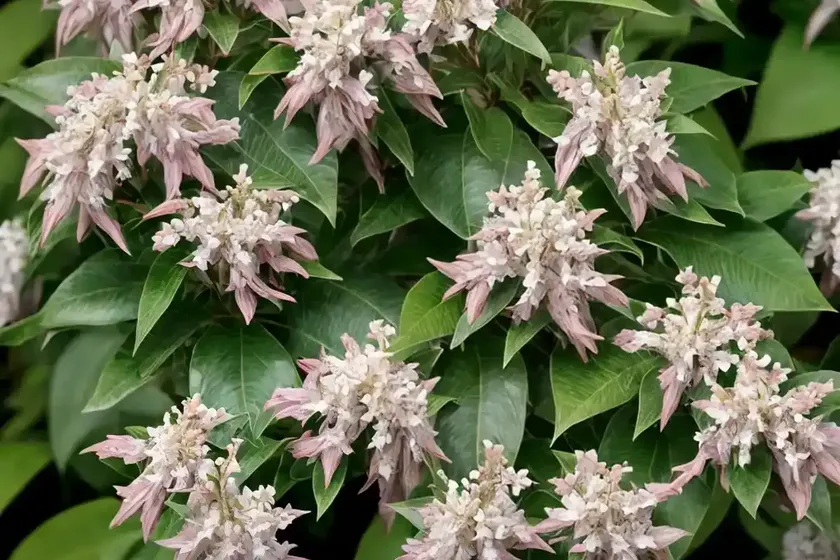
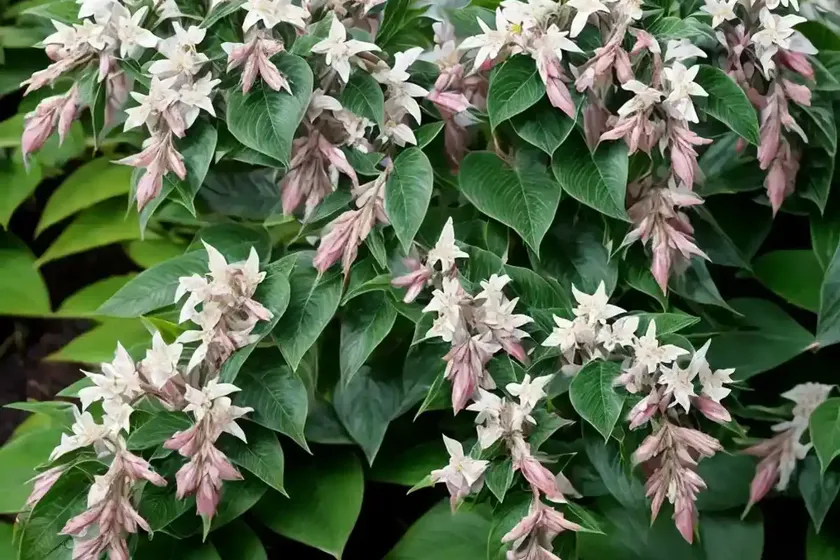
In the realm of horticulture, the Pieris floribunda, commonly known as Mountain Andromeda, is a beloved shrub prized for its delicate, cascading blooms and evergreen foliage. As a plant scientist, it’s my pleasure to delve into the intricate details of this stunning shrub, exploring its culture, uses, care requirements, and much more. Join me as we unravel the beauty and secrets of the Pieris floribunda, and discover how to cultivate and care for this captivating plant.
What is Pieris Floribunda (Mountain Andromeda)?
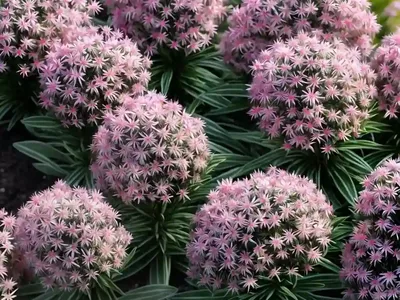
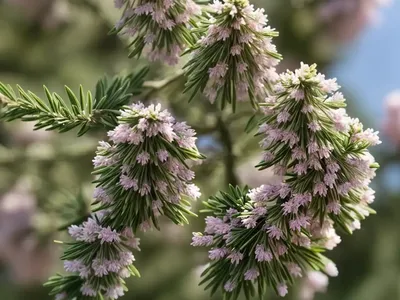
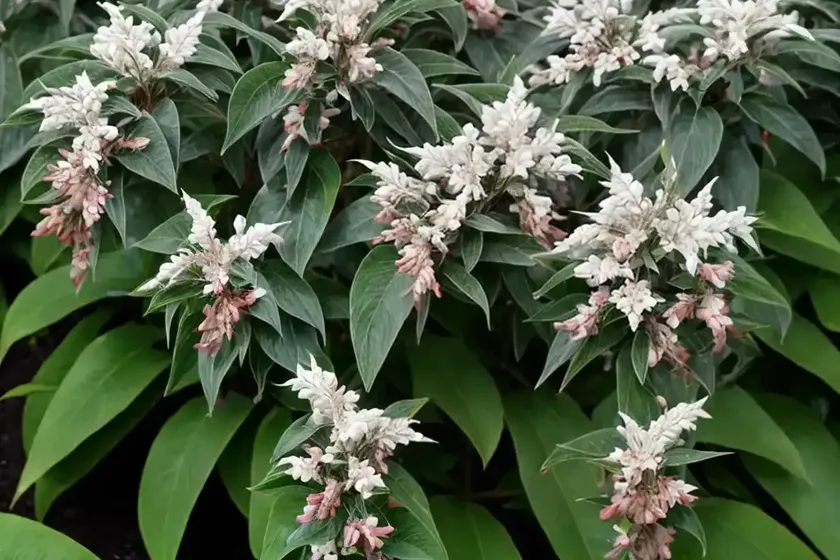
Pieris floribunda, a member of the Ericaceae family, is an evergreen shrub native to the eastern United States and parts of Asia. This elegant shrub is celebrated for its abundant, hanging clusters of bell-shaped flowers that adorn the plant in early spring. The glossy, leathery leaves, which showcase attractive variations in color throughout the seasons, contribute to its year-round appeal. The Pieris floribunda is an excellent choice for gardens and landscapes, offering a visually stunning and low-maintenance ornamental addition to any outdoor space.
Key Takeaways – Pieris Floribunda (Mountain Andromeda)
Culture
- USDA Hardiness Zones: 5-8
- Mature Height: 4-6 feet
- Mature Spread: 3-5 feet
- Growth Rate: Slow to moderate
- Lifespan: Long-lived if provided with proper care
Uses
- Garden Borders: Adds elegance and texture to garden borders
- Shrub Borders: Ideal for creating natural-looking shrub borders
- Containers: Suitable for container gardening on patios or balconies
- Landscape Specimen: A focal point in landscape designs
Water
- Watering Frequency: Regular watering, especially during dry spells
- Soil Moisture: Moist, well-drained soil is essential for optimal growth
- Water Needs: Moderate, avoid waterlogging the soil
Sunlight
- Light Requirements: Partial to full shade
- Sun Exposure: Thrives in filtered sunlight, especially in warmer regions
Fertilizer
- Fertilizing Schedule: Apply a balanced, slow-release fertilizer in early spring
- Nutrient Needs: Requires a slightly acidic soil with organic matter
- Fertilizer Type: Acid-loving plant fertilizer or a formula designed for broad-leaved evergreens
Soil
- Soil Type: Well-drained, acidic soil
- Soil Amendments: Incorporate organic matter for improved soil structure
- pH Level: Acidic to slightly acidic soil (pH 5.0-6.0)
Pruning
- Pruning Time: Prune after flowering to avoid cutting off next year’s blooms
- Pruning Needs: Minimal pruning required for shaping and removing damaged branches
- Pruning Tools: Use sharp, clean tools to make precise cuts
Propagation
- Propagation Methods: Softwood cuttings, air layering, or division of mature plants
- Propagation Time: Best done in early summer or late spring for cuttings
- Propagation Medium: Well-draining potting mix for cuttings
Container Popularity
- Container Gardening: Well-suited for containers, including large pots or planters
- Patio Decor: Adds beauty to outdoor living spaces
- Balcony Gardens: Thrives on balconies with proper care and maintenance
Common Diseases
- Disease Resistance: Generally disease resistant with proper cultural practices
- Potential Issues: Leaf spots, powdery mildew, and phytophthora root rot
- Preventive Measures: Proper watering, spacing, and well-drained soil reduce disease risks
Disease Diagnosis
- Symptom Identification: Watch for discolored patches on leaves, abnormal growth, or wilting
- Professional Consultation: Seek advice from local horticulturists or garden centers for accurate diagnosis
- Treatment Options: Fungicides or cultural changes may be recommended, depending on the specific disease
Common Pests
- Pest Vulnerability: Mealybugs, aphids, and lace bugs
- Natural Predators: Beneficial insects and birds help control pest populations
- Pest Management: Regular monitoring and natural or targeted treatments when necessary
Botanist’s Tips
- Planting Depth: Plant at the same depth as in the nursery container
- Mulching: Apply a layer of organic mulch to retain moisture and suppress weeds
- Winter Protection: Shelter from strong winds and provide mulch for root protection in winter
Fun Facts
- Attracts Wildlife: Flowers attract bees and butterflies
- Traditional Symbolism: In some cultures, the Pieris floribunda represents purity and new beginnings
- Symbol of Resilience: Survives and thrives in challenging environmental conditions
Links to External Resources
For further reading and information on Pieris floribunda care, maintenance, and landscaping ideas, consider exploring the following external resources:
- Pieris Floribunda: Mountain Andromeda Plant Profile
- Growing Pieris Floribunda: Tips for Success
- Landscaping with Mountain Andromeda: Design Inspiration
By accessing these resources, you can expand your knowledge and appreciation for the exquisite Pieris floribunda, transforming your gardening experience and enhancing your outdoor spaces.
In conclusion, the Pieris floribunda, or Mountain Andromeda, stands as a charming and resilient shrub that captivates with its year-round beauty and elegance. With the right care and attention, this plant thrives in various settings, from garden borders to containers, making it a versatile and valuable addition to any landscape. By understanding its culture, care requirements, and unique features, gardeners and horticulture enthusiasts can fully embrace the enchanting world of Pieris floribunda, unlocking its full potential and timeless allure.
As a plant scientist, I encourage you to embark on your journey with the Pieris floribunda, discovering the joys of cultivating and nurturing this remarkable shrub. Embrace the beauty of Mountain Andromeda, and witness the transformative impact it brings to your gardens and outdoor spaces. Happy gardening!