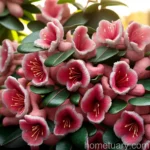
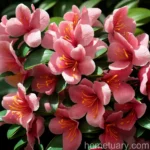
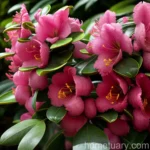
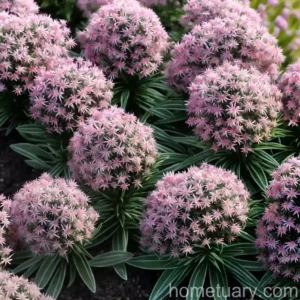
Deciduous Azalea (Rhododendron ‘Mount Saint Helens’): A Comprehensive Guide
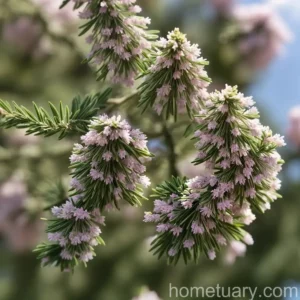
Deciduous azalea, scientifically known as Rhododendron ‘Mount Saint Helens,’ is a stunning flowering shrub known for its vibrant and fragrant blossoms. This species offers a delightful addition to any garden with its remarkable variety of flower colors, making it a favorite among gardeners. In this comprehensive guide, we will explore the essential aspects of caring for deciduous azaleas, shedding light on their cultural preferences, maintenance, propagation methods, and much more. Whether you are a novice gardener or a seasoned horticulture enthusiast, the insights shared here will assist you in ensuring that your deciduous azaleas thrive and flourish.

Key Takeaways
Before delving into the detailed aspects of caring for deciduous azaleas, let’s highlight some key takeaways regarding this delightful shrub.
- Common Name: Deciduous Azalea (Rhododendron ‘Mount Saint Helens’)
- Vibrant Flower Colors: Offers an array of vibrant flower colors, including hues of pink, orange, yellow, and white
- Fragrant Blossoms: Known for its delightful fragrance that adds a pleasing aroma to outdoor spaces
- Seasonal Beauty: Exhibits splendid fall foliage in addition to its captivating spring blooms
- Cold Hardiness: Suitable for temperate climates and prized for its ability to withstand colder temperatures
- Popular Landscaping Plant: Often used in landscaping projects due to its ornamental appeal and versatility
With these key takeaways in mind, let’s delve deeper into understanding the cultural preferences, care requirements, and propagation methods specific to deciduous azaleas.
Plant Description
Deciduous azaleas belong to the Rhododendron genus and are deciduous shrubs, meaning they shed their leaves seasonally. The ‘Mount Saint Helens’ variety of deciduous azalea is particularly renowned for its stunning appearance and resilience. It produces an abundance of trumpet-shaped flowers that are known for their varying colors and alluring fragrance. The deciduous nature of this azalea variety adds to its appeal, as it showcases brilliant fall foliage, offering a multi-seasonal aesthetic contribution to gardens and landscapes.
Below are further details regarding the aspects that are crucial for maintaining healthy and thriving deciduous azaleas.
Culture
Cultivating deciduous azaleas involves understanding and replicating their preferred natural conditions to encourage optimal growth and flowering. From soil and water requirements to sunlight exposure, getting the cultural aspects right is fundamental to the well-being of these beautiful shrubs.
Water
Deciduous azaleas typically prefer consistent moisture levels in the soil, especially during the active growing season. Adequate watering is crucial to support healthy growth and prolific flowering. During periods of dry weather, it is essential to ensure that these plants receive sufficient water, particularly when they are establishing roots or during the blooming phase. However, it is equally important to ensure proper drainage to prevent waterlogging, which can lead to root rot and other issues.
Watering Tips
- Water deeply but infrequently to promote deep root development
- Mulch around the base of the plant to retain soil moisture
- Avoid overhead watering to prevent fungal diseases
Sunlight
Deciduous azaleas thrive in locations that offer partial shade to full sun exposure. While they can tolerate some direct sunlight, providing dappled shade during the hottest part of the day is often beneficial, especially in regions with intense summer heat. Finding the right balance of sunlight is essential to promote healthy foliage and abundant flowering.
Sunlight Exposure Tips
- Morning sun and afternoon shade are often ideal for deciduous azaleas
- Monitor the plant for signs of sunburn, such as leaf scorch or discoloration
- Adjust the plant’s placement based on seasonal sunlight patterns
Soil
Well-draining, acidic soil is paramount for the successful cultivation of deciduous azaleas. These plants have specific preferences for soil pH and texture, which directly impacts their ability to absorb essential nutrients. Amending the soil to meet these requirements can significantly contribute to the overall health and vitality of deciduous azaleas.
Soil Preparation Tips
- Aim for a soil pH range of 4.5 to 6.0 for optimal growth
- Incorporate organic matter such as peat moss or compost to improve soil structure and acidity
- Perform a soil test to assess the existing pH levels and make necessary adjustments
Uses
Deciduous azaleas are prized for their ornamental value, making them a popular choice for various landscape applications. Whether utilized as focal points in garden beds, mixed border plantings, or foundation plantings, the aesthetic appeal of these shrubs is undeniable. Moreover, their delightful fragrance and seasonal color display add to their allure.
Landscape Use
- Ideal for creating vibrant spring and fall landscapes with their colorful blooms and foliage
- Suitable for naturalizing wooded areas, especially in regions with acidic soils
- Often used in mass plantings to create breathtaking visual impact during the flowering season
- Valued for their role in attracting pollinators such as bees and butterflies to garden spaces
Fertilizer
Providing nutrient supplementation to deciduous azaleas can aid in enhancing their growth and blooming capacity. However, it is essential to apply fertilizers judiciously and in accordance with the specific needs of these plants to prevent over-fertilization, which can be detrimental to their health.
Fertilization Tips
- Utilize a balanced, slow-release fertilizer formulated for acid-loving plants
- Apply fertilizer in the early spring before new growth emerges
- Refrain from fertilizing after mid-summer to avoid stimulating late-season growth
Pruning
Pruning is a vital aspect of deciduous azalea care, as it contributes to shaping the plant, promoting air circulation, and rejuvenating older specimens. Knowing when and how to prune these shrubs can have a significant impact on their overall appearance and vigor.
Pruning Guidelines
- Prune right after flowering to encourage new growth and bud formation
- Remove dead or diseased branches to maintain plant health
- Use sharp, clean pruning tools to make precise cuts and minimize damage to the plant
Propagation
The propagation of deciduous azaleas can be accomplished through various methods such as seed propagation and vegetative propagation. Understanding the different propagation techniques and their associated requirements can enable gardeners to expand their collection of these exquisite shrubs.
Propagation Methods
- Seed Propagation: Harvesting and germinating seeds to grow new plants
- Cutting Propagation: Utilizing stem cuttings to propagate genetically identical clones of the parent plant
- Layering: Encouraging stem nodes to develop roots while still attached to the parent plant
Container Popularity
Deciduous azaleas are also well-suited for container cultivation, allowing individuals with limited garden space to enjoy their captivating beauty. When grown in containers, they require specific care to ensure their well-being and long-term growth.
Container Care Tips
- Use a well-draining potting mix formulated for acid-loving plants
- Provide adequate water and attention to soil moisture levels, as containers can dry out more rapidly
- Select a container with sufficient drainage holes to prevent waterlogging
Common Diseases
Despite their ornamental appeal, deciduous azaleas are susceptible to certain diseases that can affect their overall health and vitality. Being aware of these common ailments and their associated symptoms can aid in prompt diagnosis and appropriate management strategies.
Disease Diagnosis
- Powdery Mildew: Notable by the presence of powdery white patches on leaves and stems
- Leaf Spot: Identified by the appearance of dark or discolored spots on the foliage
- Root Rot: Evident through wilting, yellowing of leaves, and overall decline in plant vigor
Common Pests
Several pest species are known to target deciduous azaleas, posing a threat to their well-being. Vigilance and proactive pest management measures are key to safeguarding these plants from potential infestations.
Common Pests
- Azalea Lace Bugs: Recognizable by the distinctive lace-like damage they cause on foliage
- Caterpillars: Feeding damage and defoliation caused by caterpillars can impact plant health
- Spider Mites: These tiny pests can cause stippling on leaves and fine webbing on the plant
Botanist’s Tips
- Companion Planting: Pair deciduous azaleas with compatible companion plants such as ferns, hellebores, and Japanese maples to create visually appealing garden compositions
- Mulching: Apply a layer of organic mulch around the base of azaleas to conserve soil moisture and suppress weed growth
- Winter Protection: Provide insulation and protection to deciduous azaleas during harsh winter conditions to prevent cold damage
Fun Facts
- The ‘Mount Saint Helens’ variety of deciduous azalea is named after the infamous Mount St. Helens volcano in Washington state, symbolizing its resilience and beauty
- Deciduous azaleas are cherished for their ability to attract hummingbirds and butterflies to garden spaces, enhancing the overall biodiversity
Links to External Resources
For additional information on deciduous azaleas and related topics, consider exploring the following reputable resources:
- American Rhododendron Society
- Royal Horticultural Society – Growing Azaleas
- University of Florida IFAS Extension – Azalea Culture for Florida
- The Azalea Society of America
In conclusion, the enchanting beauty and captivating fragrance of deciduous azaleas make them a cherished addition to any garden or landscape. By understanding their specific cultural needs, implementing appropriate care practices, and remaining attentive to their maintenance requirements, gardeners can cultivate thriving and resplendent deciduous azaleas. Whether you are considering adding these vibrant shrubs to your outdoor space or seeking to enhance your existing collection, the insights provided in this comprehensive guide serve as valuable guidance for ensuring the well-being and splendor of deciduous azaleas.
Remember, the colorful blooms and seasonal charm of deciduous azaleas are not only a joy to behold but also contribute to the rich tapestry of nature in our outdoor environments.
Happy gardening!