Picea Pungens ‘Hoopsii’ (Colorado Spruce)
The Picea pungens ‘Hoopsii,’ more commonly known as the Colorado Spruce or Hoopsii Spruce, is a stunning evergreen tree renowned for its striking blue.


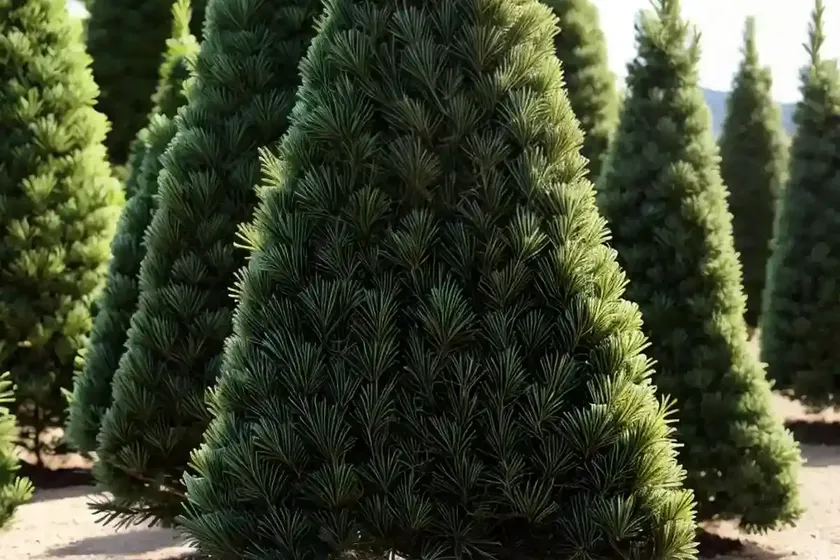
The Picea pungens ‘Hoopsii,’ more commonly known as the Colorado Spruce or Hoopsii Spruce, is a stunning evergreen tree renowned for its striking blue foliage. As a plant scientist deeply invested in understanding and promoting the growth of various plant species, I am excited to delve into the captivating world of Picea pungens ‘Hoopsii.’ This comprehensive guide will encompass all aspects of its nature, cultivation, uses, care, maintenance, and much more.
What is Picea pungens ‘Hoopsii’?
The Picea pungens ‘Hoopsii’ is a cultivar of the species Picea pungens, belonging to the Pinaceae family. With its distinct, silvery-blue needles, this coniferous tree stands out as a striking addition to any landscape. Originating from the Rocky Mountains of the United States, particularly Colorado, the ‘Hoopsii’ cultivar has captured the hearts of many horticulturists, gardeners, and nature enthusiasts due to its unparalleled beauty and versatility.
The Hoopsii Spruce is highly valued for both ornamental purposes and its adaptability to various environmental conditions. Its majestic appearance and resilience make it a popular choice for landscaping, particularly in regions with colder climates. Its captivating color and pyramid-like form make it a versatile and eye-catching addition to any garden or outdoor space.
Key Takeaways – Picea pungens ‘Hoopsii’ (Colorado Spruce)
Before delving into the specifics of the care and cultivation of the Picea pungens ‘Hoopsii,’ let’s briefly highlight some key takeaways regarding this captivating tree:
- Common Name: Colorado Spruce, Hoopsii Spruce, Colorado Blue Spruce
- Scientific Name: Picea pungens ‘Hoopsii’
- Family: Pinaceae
- Native Habitat: Rocky Mountains, Colorado, United States
- Attributes: Striking silvery-blue foliage, conical shape, cold-hardy, drought-tolerant
- Uses: Ornamental landscaping, windbreaks, privacy screens
Now, let’s explore the various aspects of cultivating and caring for the Picea pungens ‘Hoopsii’ in greater detail.
Culture
Uses
The Picea pungens ‘Hoopsii’ offers a multitude of uses due to its striking appearance and adaptability to various environmental conditions. Some of its common uses include:
- Ornamental Landscaping: The captivating silvery-blue foliage and conical form make the ‘Hoopsii’ Spruce a favored choice for ornamental landscaping, adding visual interest and elegance to gardens, parks, and estates.
- Windbreaks and Privacy Screens: Due to its dense foliage and ability to withstand harsh winds, the Colorado Spruce is often utilized to create windbreaks and privacy screens, offering both aesthetic appeal and functionality.
- Wildlife Habitat: The dense foliage provides habitat and protection for various bird species, making it an excellent addition to wildlife-friendly landscapes.
- Erosion Control: Its deep root system and hardy nature make the Hoopsii Spruce an effective choice for controlling soil erosion in landscapes with challenging terrain.
Water
When it comes to watering the Picea pungens ‘Hoopsii,’ it’s essential to strike a balance. While these trees are generally drought-tolerant once established, they still benefit from regular watering, particularly in the early stages of growth or during prolonged dry spells. Deep, infrequent watering, especially during the heat of summer, is preferred over frequent shallow watering, as it encourages the development of a robust root system.
An ideal approach to ensure adequate water penetration is to water deeply, allowing the soil to dry out slightly between waterings. This practice promotes healthier root growth and overall tree vigor. It’s important to monitor the moisture levels and adjust watering frequency based on the tree’s specific environmental conditions and water needs.
Sunlight
The Hoopsii Spruce thrives in full sun, although it can also tolerate partial shade, particularly in hot climates. Optimal sunlight exposure ensures the development of its signature blue color and promotes healthy growth. When selecting a planting location, prioritize areas with ample sunlight, preferably six to eight hours of direct sunlight daily.
In regions with intense summer heat, providing some afternoon shade can be beneficial in preventing excessive stress on the tree. However, it’s essential to strike a balance, as insufficient sunlight can result in diminished foliage color and potential issues with overall tree health.
Fertilizer
Applying a balanced fertilizer specifically formulated for evergreen trees can provide the Hoopsii Spruce with the essential nutrients necessary for growth and vibrant foliage. A slow-release fertilizer can be applied in early spring before the new growth emerges. This timing allows the nutrients to be readily available as the tree enters its active growth phase.
It’s important to adhere to the recommended application rates and to avoid excessive fertilization, which can lead to adverse effects on the tree’s health. Additionally, a layer of organic mulch around the base of the tree can contribute to soil enrichment and moisture retention, further enhancing the tree’s overall health and vigor.
Soil
The Picea pungens ‘Hoopsii’ thrives in well-draining, slightly acidic soil with good moisture retention. It is adaptable to various soil types, including sandy, loamy, or clay soils, as long as they offer good drainage. Prior to planting, it’s beneficial to amend the soil with organic matter to improve its texture and nutrient content.
When planting in heavy clay soils, incorporating organic amendments can enhance drainage and aeration, preventing waterlogged conditions detrimental to the tree’s health. Regularly testing the soil pH and making adjustments to maintain a slightly acidic environment (pH 6.0 to 7.0) can contribute to the Hoopsii Spruce’s optimal growth and performance.
Pruning
Pruning the Picea pungens ‘Hoopsii’ is generally minimal, primarily focused on removing dead, damaged, or diseased branches. It’s best to conduct pruning during the tree’s dormant season in late winter or early spring, as it allows for better visibility of the tree’s branching structure and minimizes stress on the tree.
When shaping or controlling the size of the tree, it’s advisable to prune selectively and avoid extensive branch removal, as the Hoopsii Spruce has a naturally symmetrical and appealing form. Regularly inspecting the tree for any pruning needs and promptly addressing them can contribute to maintaining its health and aesthetic appeal over time.
Propagation
Propagating the Picea pungens ‘Hoopsii’ is commonly achieved through grafting or semi-hardwood cuttings. While it is possible to propagate this cultivar from seed, it is a time-consuming process that may not ensure the preservation of its desired traits, such as color and form.
Grafting onto rootstock of the same species is a reliable method for preserving the unique characteristics of the Hoopsii Spruce. Semi-hardwood cuttings taken from the current season’s growth can also be rooted under controlled conditions to produce new plants with genetic consistency to the parent tree.
Container Popularity
The Hoopsii Spruce is increasingly popular as a container plant due to its striking appearance and adaptability to container culture. Container-grown Colorado Spruces are commonly used for accentuating outdoor spaces, patios, and landscapes with limited planting area. Their compact and conical growth habit makes them an ideal choice for container gardening, allowing individuals with smaller outdoor spaces to enjoy the visual appeal of this stunning tree.
Container Common Diseases
When growing Picea pungens ‘Hoopsii’ in containers, it is important to be mindful of potential diseases that can affect the tree. Some common container diseases that may impact the Hoopsii Spruce include:
- Root Rot: Overly wet conditions or poorly draining soil in containers can lead to root rot, causing damage to the tree’s root system and overall health.
- Needle Blight: Fungal diseases such as Rhizosphaera needle cast or Stigmina can cause browning and loss of needles, particularly in compact container environments with limited air circulation.
- Cankers: Fungal or bacterial cankers may affect the branches or trunk of container-grown Colorado Spruces, leading to dieback and compromised structural integrity.
Careful attention to watering practices, soil conditions, and overall container maintenance can help mitigate the risk of these diseases and promote the tree’s well-being in a container setting.
Disease Diagnosis
When observing signs of disease or distress in container-grown Hoopsii Spruces, prompt diagnosis and intervention are essential in addressing the issues effectively. Some common symptoms indicating potential diseases include needle discoloration, wilting foliage, or visible lesions on branches.
Consulting with a professional arborist or plant pathologist can aid in accurately identifying the specific disease affecting the tree and formulating an appropriate treatment plan. Early detection and proactive measures significantly contribute to the successful management of diseases in container-grown Colorado Spruces.
Common Pests
While the Picea pungens ‘Hoopsii’ is relatively resistant to pests, particularly when compared to other conifer species, there are certain pests that may pose a threat to its health, especially in container settings. Some common pests that may target container-grown Hoopsii Spruces include:
- Aphids: These small, sap-feeding insects can colonize the tender new growth of the tree, potentially leading to distorted foliage and honeydew accumulation.
- Spider Mites: In hot and dry conditions, spider mites may infest the foliage, causing stippling and discoloration of needles, particularly in container plants with insufficient humidity.
- Spruce Gall Adelgids: These tiny, aphid-like insects create galls on the new shoots of spruces, affecting their appearance and potentially impacting overall tree vigor.
Implementing proactive pest management strategies, such as regular monitoring, introducing beneficial insects, and utilizing horticultural oils when appropriate, can aid in preventing pest infestations and maintaining the health of container-grown Colorado Spruces.
Botanist’s Tips
As a plant scientist with a deep appreciation for the Picea pungens ‘Hoopsii,’ I would like to share some valuable tips to enhance the cultivation and care of this captivating tree:
- Soil Preparation: Prior to planting, ensure that the soil is well-draining and enriched with organic matter to provide an optimal foundation for the tree’s growth.
- Mulching: Apply a layer of organic mulch around the tree to conserve soil moisture, regulate soil temperature, and suppress weed growth.
- Regular Inspection: Periodically inspect the tree for any signs of stress, diseases, or pest activity, allowing for timely intervention and resolution of issues.
- Watering Practices: Maintain a balanced approach to watering, providing adequate moisture while avoiding waterlogged conditions, especially in container-grown Hoopsii Spruces.
- Annual Maintenance: Schedule annual maintenance tasks, such as fertilization, pruning, and disease prevention measures, to uphold the tree’s health and vitality.
Fun Facts
To further appreciate the unique characteristics and charm of the Picea pungens ‘Hoopsii,’ here are some fun facts about this captivating tree:
- The silvery-blue color of the Hoopsii Spruce’s needles intensifies in colder winter temperatures, creating a stunning visual display.
- When crushed or rubbed, the needles of the Colorado Spruce release a pleasant aroma, adding to its allure.
- The Hoopsii Spruce is known for its excellent adaptability to urban environments and is frequently utilized in urban landscaping due to its resilience and aesthetic appeal.
Links to External Resources
Plant Name: “Picea pungens ‘Hoopsii’ (Colorado Spruce)”
To further expand your knowledge and appreciation for the Picea pungens ‘Hoopsii’ (Colorado Spruce), the following external resources provide valuable insights and information:
- American Conifer Society: The American Conifer Society offers a wealth of information on conifer species, including detailed profiles and cultivation tips for the Hoopsii Spruce.
- United States Department of Agriculture (USDA) Plant Database: The USDA Plant Database provides comprehensive botanical information and distribution maps for the Picea pungens ‘Hoopsii,’ aiding in a better understanding of its native range and habitat requirements.
- Royal Horticultural Society (RHS) Plant Selector: The RHS Plant Selector tool offers guidance on suitable growing conditions and uses of the Colorado Spruce in different garden settings.
Conclusion
In conclusion, the Picea pungens ‘Hoopsii’ (Colorado Spruce) stands as a testament to the captivating beauty and resilience of coniferous trees. With its striking blue foliage, adaptability to diverse conditions, and versatile uses, the Hoopsii Spruce continues to captivate the hearts of horticulturists, gardeners, and nature enthusiasts alike. By understanding and implementing the optimal cultivation and care practices outlined in this guide, individuals can foster the success and vitality of this remarkable tree, enriching their outdoor spaces with its timeless elegance and enduring charm.
Whether adorning a picturesque landscape or thriving in a well-tended container, the Hoopsii Spruce remains a treasured presence, adding a touch of natural splendor to every setting it graces.
With a deeper insight into the world of Picea pungens ‘Hoopsii,’ may your journey of appreciation and cultivation of this remarkable tree be filled with the joys of botanical discovery and the rewards of nurturing a living masterpiece of nature.


