Plant Name: Picea abies ‘Tompa’ (Norway Spruce)
Introduction
Picea abies, commonly known as the Norway Spruce, is a species of spruce native to Northern, Central, and Eastern Europe. It has been widely planted in other temperate regions as an ornamental tree due to its graceful form and rapid growth. One particularly popular variety of Picea abies is the ‘Tompa,’ which is known for its attractive features and various uses in landscaping and gardening.
In this blog post, we will delve into the key characteristics, culture, uses, care requirements, and other important aspects of the Picea abies ‘Tompa’ (Norway Spruce).
Picea abies ‘Tompa’ (Norway Spruce) – Key Takeaways
Picea abies ‘Tompa’ Characteristics
The ‘Tompa’ variety of Picea abies exhibits the following key characteristics:
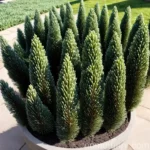
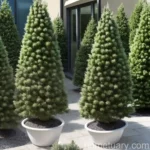
- Compact, narrow, and conical shape
- Short and dense blue-green needles
- Slow to moderate growth rate
- Tolerant of various soil types
- Cold hardy and suitable for cooler climates
Culture
Water
- Established Trees: Once established, the ‘Tompa’ Norway Spruce is relatively drought-tolerant. However, it benefits from regular watering during dry spells, especially in the first few years after planting.
Sunlight
- Full Sun to Partial Shade: The ‘Tompa’ variety thrives in full sunlight to partial shade. Ensure that it receives adequate sunlight for optimal growth and density, especially in the northern regions.
Fertilizer
- Minimal Fertilization Required: Norway Spruces are generally low-maintenance in terms of fertilization. However, for young trees or those growing in poor soil, a balanced fertilizer application in early spring can support healthy growth.
Soil
- Adaptable to Various Soil Types: Picea abies ‘Tompa’ tolerates a wide range of soil types, including acidic to neutral soils. Well-drained soil is important to prevent waterlogging, especially in clay-based soils.
Pruning
- Limited Pruning Requirements: Minimal pruning is needed for the ‘Tompa’ Norway Spruce. However, occasional removal of dead or damaged branches can help maintain its attractive shape and overall health.
Propagation
- Propagation Methods: The ‘Tompa’ variety can be propagated through seed or cutting methods. However, growing from seeds may lead to some genetic variability, while cuttings can be a more reliable method to maintain the specific characteristics of the cultivar.
Container Popularity
- Suitable for Container Planting: Picea abies ‘Tompa’ is well-suited for container planting in urban and smaller garden spaces. Its compact form and slow growth make it an ideal choice for adding greenery to patios, balconies, and other confined areas.
Common Diseases
- Resilient to Major Diseases: The ‘Tompa’ Norway Spruce exhibits a good level of disease resistance. However, it is important to monitor for common fungal diseases such as needle cast and rust, especially in damp conditions.
Disease Diagnosis
- Early Detection and Treatment: Regular inspection of the needles and branches can help in the early diagnosis of potential diseases. If symptoms of disease are observed, appropriate fungicidal treatments may be necessary.
Common Pests
- Potential Pest Issues: While relatively resilient, Norway Spruces, including the ‘Tompa’ variety, may encounter pests such as aphids, spider mites, and spruce gall adelgids. Regular monitoring and appropriate pest management methods can help prevent significant damage.
Botanist’s Tips
-
Promote Good Air Circulation: Pruning to maintain an open canopy and ensuring proper spacing between trees can promote good air circulation, reducing the risk of fungal diseases.
-
Mulching Benefits: Applying a layer of mulch around the base of the tree helps retain soil moisture, regulates soil temperature, and minimizes weed growth.
-
Winter Protection: In regions with harsh winters, providing some protection, such as burlap wraps, can shield the ‘Tompa’ Norway Spruce from desiccating winds and sunscald.
Fun Facts
-
Did you know that the Norway Spruce is considered the traditional Christmas tree in many parts of Europe? Its elegant form and dense foliage make it a popular choice for festive decorations and landscaping alike.
-
Norway Spruces, including the ‘Tompa’ variety, are known for their resinous wood, which has been historically utilized for various applications, including construction, musical instruments, and shipbuilding.
Links to External Resources
For further information on Picea abies ‘Tompa’ (Norway Spruce) and related topics, explore the following resources:
As a plant scientist, it’s fascinating to explore the diverse characteristics and practical uses of the Picea abies ‘Tompa’ (Norway Spruce). Whether it’s adding visual interest to a garden or providing a touch of evergreen beauty to urban spaces, this cultivar offers a range of benefits for gardeners and landscapers alike. Through understanding its culture, care requirements, and disease resistance, we can maximize the potential of this elegant conifer in various settings.