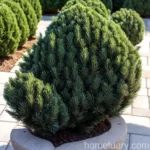
Picea glauca ‘Pendula’ (White Spruce): A Comprehensive Guide to Care and Cultivation
Picea glauca ‘Pendula’, commonly known as the White Spruce, is a stunning ornamental tree that adds elegance and charm to any landscape. This unique variety of Picea glauca, distinguished by its weeping branches and silver-blue foliage, has become a favorite among gardeners and landscapers alike.
In this guide, we’ll delve into the fascinating world of Picea glauca ‘Pendula’, exploring its characteristics, cultivation requirements, uses, and essential care tips. Whether you’re a seasoned horticulturist or an enthusiastic beginner, this comprehensive resource will equip you with the knowledge and insights to cultivate and appreciate this remarkable tree.
What is Picea glauca ‘Pendula’ (White Spruce)?
Picea glauca ‘Pendula’ belongs to the Pinaceae family and is a cultivar of Picea glauca, commonly known as the White Spruce. This elegant tree is distinctively characterized by its weeping branches, which gracefully cascade downward, creating a picturesque silhouette. The silver-blue needles of Picea glauca ‘Pendula’ further enhance its ornamental appeal, making it a prized addition to gardens, parks, and urban landscapes.
Key Takeaways – Picea glauca ‘Pendula’ (White Spruce)
Before we delve into the specifics of caring for Picea glauca ‘Pendula’, let’s highlight the key takeaways that will be covered in this comprehensive guide:
- Cultivation: Understanding the ideal growing conditions for Picea glauca ‘Pendula’.
- Uses: Exploring the versatile uses of the White Spruce in landscaping and garden design.
- Water: Determining the optimal watering regimen to ensure the tree’s health and vitality.
- Sunlight: Uncovering the sunlight requirements for Picea glauca ‘Pendula’ to thrive.
- Fertilizer: Implementing an effective fertilization strategy for promoting growth and foliage color.
- Soil: Identifying the preferred soil conditions for cultivating Picea glauca ‘Pendula’.
- Pruning: Learning the art of pruning and shaping the weeping branches for aesthetic appeal.
- Propagation: Exploring propagation methods to expand your collection of White Spruce trees.
- Container Popularity: Assessing the suitability of Picea glauca ‘Pendula’ for container gardening.
- Common Diseases: Recognizing potential diseases and implementing preventative measures.
- Common Pests: Managing common pests that may affect the health of the White Spruce.
- Botanist’s Tips: Benefiting from expert insights and recommendations for success.
- Fun Facts: Discovering intriguing and little-known facts about Picea glauca ‘Pendula’.
- Links to External Resources: Accessing additional information and resources for in-depth learning.
Now, let’s embark on a comprehensive journey into the world of Picea glauca ‘Pendula’, where you’ll gain a deep understanding of its care, cultivation, and fascinating attributes.
Culture
Uses
Picea glauca ‘Pendula’ is cherished for its ornamental value and offers a multitude of uses in landscaping and garden design. As a weeping conifer, it adds a sense of drama and elegance to any landscape, making it a superb choice for focal points, accent plantings, and even as a standalone specimen tree. The cascading branches create a captivating visual display, especially when juxtaposed against a backdrop of evergreen trees or flowering shrubs.
The White Spruce also excels as a privacy screen or windbreak, providing year-round interest with its distinctive form and foliage color. Furthermore, it can be utilized effectively in Japanese-style gardens, rockeries, and formal garden settings, where its graceful weeping habit softens the overall aesthetic and instills a sense of tranquility.
Water
When it comes to watering Picea glauca ‘Pendula’, it’s essential to strike a balance. While this tree is relatively drought-tolerant once established, adequate moisture is crucial, especially during its early years of establishment. During prolonged dry spells or in particularly arid climates, supplemental watering may be necessary to ensure the tree’s vigor and health.
Sunlight
Picea glauca ‘Pendula’ flourishes in full sunlight to partial shade. It appreciates ample sunlight to support robust growth and maintain the desirable silver-blue hue of its foliage. However, it can also tolerate partial shade, particularly in regions with intense summer heat, where some respite from direct sun exposure may be beneficial.
Fertilizer
To nourish and support the growth of Picea glauca ‘Pendula’, a balanced, slow-release fertilizer formulated for evergreen trees and shrubs can be applied in early spring. Alternatively, organic fertilizers specifically designed for conifers can also be used to provide essential nutrients without the risk of over-fertilization. It’s important to follow manufacturer recommendations and avoid applying excessive amounts of fertilizer, as this can lead to nutrient imbalances and potential damage to the tree.
Soil
Picea glauca ‘Pendula’ thrives in well-draining, slightly acidic to neutral soil. The ideal soil should provide adequate aeration and moisture retention without becoming waterlogged. While White Spruce trees exhibit adaptability to a range of soil types, they prefer loamy, sandy loam, or clay loam soils that offer a good balance of drainage and moisture retention.
Pruning
Pruning Picea glauca ‘Pendula’ is an art that involves enhancing its natural form and ensuring a visually pleasing silhouette. The weeping branches of the White Spruce lend themselves to graceful, pendulous shapes, and careful pruning can accentuate this inherent beauty while maintaining the tree’s overall health.
When pruning Picea glauca ‘Pendula’, it’s essential to adhere to the following guidelines:
- Timing: Pruning is best carried out in late winter to early spring before the onset of new growth. This timing allows the tree to heal efficiently and minimizes the risk of stress during the growing season.
- Branch Structure: Remove any dead, damaged, or diseased branches to maintain the tree’s vitality and aesthetic appeal. Additionally, selectively thinning out congested growth can improve air circulation within the canopy, reducing the risk of fungal diseases.
- Size and Shape: Carefully tailor the weeping branches to achieve an elegant, cascading form. Avoid drastic pruning that compromises the tree’s natural habit, and instead focus on fine-tuning its overall shape for a balanced and harmonious appearance.
- Sterilization: Use sharp, sterilized pruning tools to make clean cuts and minimize the risk of introducing pathogens. After each cut, disinfect the pruning tools with a solution of household bleach or rubbing alcohol to prevent the spread of diseases to healthy tissue.
When executed with precision and care, pruning enhances the aesthetic allure of Picea glauca ‘Pendula’, allowing it to showcase its unique weeping form to full advantage.
Propagation
Methods
Propagation of Picea glauca ‘Pendula’ can be achieved through various methods, including:
- Softwood Cuttings: Softwood cuttings taken in late spring to early summer can be rooted under controlled conditions to produce new White Spruce trees. Using a rooting hormone can enhance the success rate of softwood cuttings.
- Grafting: Propagation through grafting onto rootstock of Picea glauca or other compatible species is a common method employed by nurseries to mass-produce White Spruce cultivars, including ‘Pendula’.
- Seed Propagation: While less commonly used due to the variability in seedling characteristics, propagation from seeds can yield new Picea glauca ‘Pendula’ trees. Selecting seeds from a reputable source and ensuring proper stratification can enhance the chances of obtaining desirable traits in the offspring.
Container Popularity
Picea glauca ‘Pendula’ can be successfully cultivated in containers, offering a versatile option for gardeners with limited space or those seeking to create mobile garden features. When grown in containers, it’s crucial to ensure proper soil, watering, and placement to accommodate the tree’s long-term health and growth.
Common Diseases
Disease Diagnosis
Picea glauca ‘Pendula’ is generally resilient to most diseases, especially when grown in optimal conditions that promote its natural vigor. However, it can occasionally be affected by certain fungal pathogens and environmental stressors, leading to the manifestation of diseases such as:
- Needle Cast: Needle cast diseases, caused by various fungi, result in the browning and shedding of needles. Proper airflow, cultural practices, and fungicidal treatments can help manage needle cast diseases and prevent their recurrence.
- Cytospora Canker: Cytospora canker can cause dieback and resinous cankers on the branches of Picea glauca ‘Pendula’. Pruning out affected branches and promoting overall tree health through appropriate care practices can mitigate the impact of this disease.
Disease Prevention
Preventing diseases in Picea glauca ‘Pendula’ involves maintaining optimal growing conditions, implementing good cultural practices, and monitoring the tree for any signs of stress or disease. Key preventative measures include:
- Proper Watering: Avoid overwatering, which can create conditions conducive to fungal pathogens, and ensure adequate soil drainage to prevent waterlogged conditions.
- Pruning: Regularly inspect the tree for diseased or damaged branches and promptly remove them to limit the spread of pathogens.
- Air Circulation: Encourage good air circulation within the canopy by selectively thinning out branches and avoiding excessive crowding, which can reduce the risk of fungal diseases.
Implementing a holistic approach to tree care, including attentive cultural practices and early intervention, can significantly reduce the likelihood of disease development in Picea glauca ‘Pendula’.
Common Pests
Picea glauca ‘Pendula’ is relatively resistant to most pests, owing to its natural vigor and resilience. However, certain insects may pose occasional challenges, requiring vigilance and appropriate management strategies to prevent detrimental impacts on the tree’s health. Common pests that may affect White Spruce trees include:
- Spruce Budworm: The larvae of the spruce budworm can feed on the emerging buds and tender foliage of Picea glauca ‘Pendula’, leading to defoliation and diminished vigor. Timely application of targeted insecticides and regular monitoring can help manage spruce budworm infestations.
- Adelgids: Adelgids are sap-feeding insects that may cluster on the undersides of the needles, causing stress and aesthetic damage to the tree. Control measures, such as horticultural oils or insecticidal soaps, can be employed to manage adelgid populations.
Botanist’s Tips
Best Practices for Success
Based on botanical insights and expert recommendations, the following tips can enhance the success of cultivating and caring for Picea glauca ‘Pendula’:
- Selecting a Suitable Site: Choose a well-drained location with sufficient sunlight and space to accommodate the weeping form of Picea glauca ‘Pendula’, allowing it to flourish without crowding or competition from nearby plants and structures.
- Monitoring Moisture Levels: Regularly assess soil moisture to determine the need for watering, particularly during hot, dry periods. Avoid overwatering, as excessively wet conditions can compromise the tree’s root health.
- Pest Surveillance: Routinely inspect the tree for signs of pest activity, such as stippling or discoloration on the foliage, to identify potential pests early and address them effectively before significant damage occurs.
Fun Facts
Uncover intriguing and little-known facts about Picea glauca ‘Pendula’:
- The weeping form of Picea glauca ‘Pendula’ is an exceptional genetic mutation that gives rise to its graceful, cascading branches, making it a captivating addition to any landscape.
- The silver-blue needles of Picea glauca ‘Pendula’ provide year-round visual interest, adding a touch of elegance and tranquility to garden settings.
- Despite its delicate appearance, Picea glauca ‘Pendula’ is remarkably hardy and adaptable, thriving in a range of climatic conditions and soil types.
- The versatile uses of Picea glauca ‘Pendula’ extend beyond traditional landscaping, as it offers valuable contributions to urban green spaces, parks, and botanical garden collections.
Links to External Resources
For further exploration and in-depth learning, consider the following external resources:
- The American Conifer Society: An authoritative organization dedicated to the study and appreciation of conifers, offering valuable insights on Picea glauca ‘Pendula’ and related species.
- University Extension Systems: Explore university extension resources focused on horticulture, arboriculture, and plant health, providing comprehensive guidance on tree care and maintenance.
Conclusion
In closing, Picea glauca ‘Pendula’, the White Spruce, exemplifies nature’s creativity and beauty, inviting us to appreciate its weeping form and enduring charm. As we’ve journeyed through the diverse facets of this remarkable tree, from its cultural requirements to its uses and care tips, we’ve gained a deeper understanding of its significance in the realm of ornamental horticulture.
Whether adorning a residential garden, enriching a public park, or gracing the grounds of botanical gardens, Picea glauca ‘Pendula’ captivates with its ethereal allure and steadfast resilience. By embracing the principles of thoughtful cultivation and steadfast guardianship, we can ensure that this majestic tree continues to inspire and delight for generations to come.
Incorporating Picea glauca ‘Pendula’ into our green landscapes is a timeless tribute to the enduring splendor of nature, an ode to the weeping beauty that shapes and enriches the tapestry of our botanical world.
Remember, in the care and contemplation of Picea glauca ‘Pendula’, we celebrate the artistry of nature and honor the enduring legacy of the White Spruce.