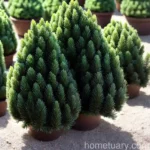
Picea abies ‘Cupressina’ (Norway Spruce): The Ultimate Guide for Cultivation and Care
The Picea abies ‘Cupressina’, commonly known as the Norway Spruce, is a distinctive evergreen tree renowned for its tall, slim, and columnar shape. Its narrow form and elegant appearance make it a popular choice for landscape designs, privacy screens, and windbreaks. In this comprehensive guide, we will delve into the diverse aspects of the Picea abies ‘Cupressina’, including its features, culture, uses, care requirements, potential issues, and much more. Whether you are an avid gardener, a landscaping enthusiast, or simply intrigued by this remarkable tree, this guide is designed to provide you with all the essential information for successfully cultivating and maintaining the beautiful Picea abies ‘Cupressina’.
What is Picea abies ‘Cupressina’ (Norway Spruce)?
The Picea abies ‘Cupressina’, also known as the Norway Spruce ‘Cupressina’, is a variety of the Picea abies species. It is native to northern and central Europe, including countries such as Norway, Sweden, and Germany. Renowned for its fast growth, striking appearance, and adaptability to various climatic conditions, this evergreen tree is highly prized for its ornamental and functional attributes.
The ‘Cupressina’ variety is characterized by its slender, columnar growth habit, reaching an impressive height of 30-60 feet (9-18 meters) while maintaining a narrow width of only 5-10 feet (1.5-3 meters) at maturity. Its tightly packed, dark green needles and gracefully ascending branches contribute to its distinctive and elegant stature, making it an ideal choice for vertical accents in landscapes.
Key Takeaways – Picea abies ‘Cupressina’ (Norway Spruce)
Let’s start by exploring the key takeaways associated with the cultivation and care of the Picea abies ‘Cupressina’, which will serve as the foundation for our in-depth discussion.
- Norway Spruce ‘Cupressina’ Description: Unraveling the distinct characteristics and visual appeal of the Picea abies ‘Cupressina’.
- Picea abies ‘Cupressina’ Features: Exploring the unique features and growth habits of the Norway Spruce ‘Cupressina’.
- Growing Picea abies ‘Cupressina’: Understanding the essential requirements and techniques for successfully cultivating the Picea abies ‘Cupressina’.
- Norway Spruce Variety ‘Cupressina’: Diving into the specific traits and variations of the ‘Cupressina’ variety within the Norway Spruce species.
- Picea abies ‘Cupressina’ Care Guide: Providing comprehensive guidance on the care and maintenance of the Picea abies ‘Cupressina’.
- ‘Cupressina’ Norway Spruce Characteristics: Highlighting the distinctive traits and attributes that set the ‘Cupressina’ variety apart.
- Tips for Cultivating Picea abies ‘Cupressina’: Offering valuable tips and insights for successful cultivation and management of the Norway Spruce ‘Cupressina’.
- Norway Spruce Cultivar ‘Cupressina’ Details: Delving into specific details and nuances associated with the ‘Cupressina’ cultivar of the Norway Spruce.
- Picea abies ‘Cupressina’ Pruning Techniques: Understanding the best practices and techniques for pruning the Picea abies ‘Cupressina’.
- ‘Cupressina’ Norway Spruce Maintenance: Exploring the essential aspects of maintenance and care required for the ‘Cupressina’ Norway Spruce.
Now that we have outlined the key takeaways, we will embark on an in-depth exploration of each aspect, providing comprehensive insights and guidelines for successfully understanding, cultivating, and caring for the Picea abies ‘Cupressina’.
Culture
Uses
The Picea abies ‘Cupressina’ holds immense value and versatility due to its exceptional attributes, opening up a multitude of applications and uses within horticulture and landscaping. Let’s explore some of the prominent uses of the Norway Spruce ‘Cupressina’:
- Landscape Design: The tall and slender form of the ‘Cupressina’ makes it an excellent choice for vertical accents in landscape designs. Whether used as a standalone specimen, a focal point, or in rows for delineating boundaries, its distinctive silhouette adds a touch of elegance to any landscape setting.
- Privacy Screening: Due to its densely packed foliage and narrow growth habit, the Norway Spruce ‘Cupressina’ is often utilized as a privacy screen to create natural barriers and shield outdoor spaces from unwanted views.
- Windbreaks: The robust and resilient nature of the Picea abies ‘Cupressina’ makes it an effective choice for windbreaks, providing protection and shelter from strong winds in open areas and gardens.
- Timber Production: While the primary focus of the ‘Cupressina’ variety lies in its ornamental appeal, it also holds significance in timber production, contributing to the forestry industry through its high-quality wood.
The diverse uses of the Picea abies ‘Cupressina’ underscore its significance in landscaping and horticulture, cementing its position as a highly sought-after tree for various applications.
Water
Proper watering is vital for the establishment and sustained health of the Picea abies ‘Cupressina’. Adequate moisture levels are crucial, especially during the initial phases of growth and in periods of prolonged drought. Here are some key considerations regarding the water requirements of the Norway Spruce ‘Cupressina’:
- Establishment: Newly planted Norway Spruce ‘Cupressina’ trees require consistent watering to facilitate root establishment and growth. It is essential to ensure that the soil remains evenly moist, without becoming waterlogged, during the first few years after planting.
- Mature Trees: Once established, the ‘Cupressina’ variety demonstrates good tolerance to dry conditions and is relatively low-maintenance in terms of watering. However, during prolonged dry spells or in regions with inadequate rainfall, supplemental watering can help maintain the tree’s vigor and vitality.
It is important to strike a balance in watering, avoiding both waterlogged conditions and extended periods of drought stress. Regular monitoring of soil moisture and adjustment of watering frequency based on environmental conditions will contribute to the optimal health and growth of the Picea abies ‘Cupressina’.
Sunlight
The Picea abies ‘Cupressina’ thrives in full sun to partial shade, displaying a high degree of adaptability to varying light conditions. Understanding its sunlight requirements is crucial for optimizing its growth and ensuring its overall well-being:
- Full Sun: Given its preference for full sun exposure, the Norway Spruce ‘Cupressina’ flourishes when planted in locations that receive at least 6-8 hours of direct sunlight per day. Adequate sunlight promotes healthy foliage development, robust growth, and the expression of its characteristic slender form.
- Partial Shade: While tolerant of partial shade, the ‘Cupressina’ variety may exhibit slightly more open growth and reduced density in such conditions. In regions with intense or prolonged periods of heat, providing some afternoon shade can help mitigate potential stress on the tree.
Careful consideration of the site’s light conditions and strategic placement of the Picea abies ‘Cupressina’ trees will contribute to their optimal growth and visual appeal.
Fertilizer
Proper nutrition is essential for the sustained vitality and vigor of the Picea abies ‘Cupressina’, supporting its growth, foliage development, and overall resilience. Fertilization practices tailored to its specific requirements can significantly enhance its performance and visual appeal:
- Balanced Fertilizer: A slow-release or granular balanced fertilizer with an NPK ratio of 10-10-10 or 20-20-20 can be applied in spring to provide essential nutrients for the Norway Spruce ‘Cupressina’. Even distribution of the fertilizer around the tree, extending beyond the drip line, facilitates uniform uptake by the roots.
- Avoid Excessive Nitrogen: While nitrogen is important for promoting healthy foliage, excessive nitrogen levels can lead to rapid growth and potentially weakened branches. It is advisable to moderate nitrogen applications to prevent overly vigorous growth and maintain the tree’s structural integrity.
Regular soil testing and observation of the tree’s growth can guide the formulation of an appropriate fertilization regimen, tailored to the specific needs and environmental conditions of the Picea abies ‘Cupressina’.
Soil
The Picea abies ‘Cupressina’ thrives in well-drained, loamy or sandy soils with a slightly acidic to neutral pH. Understanding its soil preferences and providing an optimal growing medium are critical for ensuring its long-term health and vitality:
- Moisture Retention: While well-drained soils are essential, the soil should also have adequate moisture retention to support the tree’s hydration needs, especially during the establishment phase.
- Soil pH: The Norway Spruce ‘Cupressina’ prefers slightly acidic to neutral soils, with a pH range of 5.5-7.0. Amending excessively alkaline soils with organic matter or acidifying agents can help create a more favorable growing environment for the tree.
Prior to planting, conducting a soil test and addressing any deficiencies or imbalances in the soil composition will promote the successful establishment and sustained health of the Picea abies ‘Cupressina’.
Pruning
Pruning plays a crucial role in shaping the growth, density, and overall appearance of the Picea abies ‘Cupressina’, allowing for the expression of its distinctive columnar form and maintaining its structural integrity over time. Understanding the best practices and techniques for pruning is essential for effectively managing the Norway Spruce ‘Cupressina’:
- Training Young Trees: Pruning during the early stages of growth can help shape the tree’s form and encourage a strong central leader, contributing to its characteristic columnar silhouette.
- Thinning and Maintenance: Periodic thinning of crowded or congested branches can enhance air circulation and light penetration within the canopy, promoting overall vigor and reducing the risk of disease or pest issues.
- Pruning Caution: While regular maintenance pruning is beneficial, it is important to avoid excessive or drastic pruning that may compromise the tree’s natural form and structure.
By adhering to sound pruning principles and addressing the tree’s specific growth patterns, the Picea abies ‘Cupressina’ can be maintained in a visually appealing and structurally sound manner throughout its growth stages.
Propagation
The propagation of the Picea abies ‘Cupressina’ can be achieved through various methods, allowing for the generation of new trees and the preservation of its desirable traits. Understanding the propagation techniques applicable to the Norway Spruce ‘Cupressina’ is valuable for expanding its presence and diversity within landscapes and gardens:
- Seed Propagation: Propagating the ‘Cupressina’ variety from seeds allows for the generation of genetically diverse offspring, offering the potential for new variations and adaptations.
- Cutting Propagation: Utilizing semi-hardwood cuttings from the current season’s growth can facilitate the cloning of specific individuals with desired characteristics, enabling the preservation and proliferation of favored traits.
Propagation efforts, whether through seeds or cuttings, can contribute to the preservation of genetic diversity within the Picea abies ‘Cupressina’ population and the introduction of new individuals with unique features.
Container Popularity
While the Picea abies ‘Cupressina’ is primarily known for its large-scale applications in landscapes and gardens, its popularity in container gardening has been gradually increasing. The elegant form and vertical stature of the ‘Cupressina’ variety lend themselves well to container cultivation, offering a range of possibilities for urban and small-space environments:
- Container Selection: Choosing large and sturdy containers with adequate drainage is essential for accommodating the extensive root system and ensuring stability for mature Picea abies ‘Cupressina’ trees.
- Maintenance Considerations: Regular monitoring of soil moisture, appropriate fertilization, and periodic root maintenance are crucial for sustaining the health and vigor of ‘Cupressina’ Norway Spruce trees in containers.
- Outdoor Versatility: Container-grown Picea abies ‘Cupressina’ trees can serve as versatile accents in outdoor patios, balconies, and urban landscapes, adding vertical interest and greenery to confined spaces.
The rising popularity of container gardening has expanded the reach of the Picea abies ‘Cupressina’, offering opportunities for its incorporation in diverse settings and expanding its appeal to a broader audience of gardening enthusiasts.
Common Diseases
While the Picea abies ‘Cupressina’ is generally resilient and resistant to many common diseases, it may be susceptible to certain issues under unfavorable conditions or environmental stressors. Familiarizing oneself with potential diseases and their management is valuable for safeguarding the health and longevity of the Norway Spruce ‘Cupressina’:
- Needle Cast Diseases: Various fungal pathogens, such as Rhizosphaera and Stigmina species, can cause needle cast diseases, resulting in the discoloration and premature shedding of needles. Fungal treatments and cultural practices aimed at promoting good air circulation can help mitigate these issues.
- Canker Diseases: Canker pathogens, including Cyttaria and Neonectria species, can lead to the formation of sunken lesions on the bark and branches, potentially causing dieback. Pruning and removal of affected branches can aid in disease management and prevention of further spread.
Vigilant monitoring, prompt intervention, and implementation of proper cultural practices play a pivotal role in minimizing the impact of diseases on the Picea abies ‘Cupressina’, ensuring its sustained health and vitality.
Disease Diagnosis
Diagnosing diseases affecting the Picea abies ‘Cupressina’ involves careful observation of symptoms, identification of potential causal agents, and implementation of appropriate management strategies. Understanding the diagnostic process is essential for accurately addressing and mitigating disease issues:
- Symptom Recognition: Observing symptoms such as needle discoloration, spotting, or browning, as well as bark lesions and abnormal growth patterns, can provide clues to the nature and extent of potential diseases affecting the ‘Cupressina’ trees.
- Pathogen Identification: Identifying the specific pathogens responsible for disease symptoms through visual inspection, laboratory analysis, or professional consultation allows for targeted treatment and management approaches tailored to the causal agents involved.
Accurate diagnosis, coupled with timely and effective management strategies, is integral to preserving the health and vigor of the Picea abies ‘Cupressina’, safeguarding it against the detrimental effects of diseases.
Common Pests
While the Picea abies ‘Cupressina’ is characterized by good pest resistance, it may encounter occasional pest challenges that warrant attention and intervention. Familiarity with common pests and their control measures is vital for protecting the Norway Spruce ‘Cupressina’ from potential infestations:
- Aphids: Aphid infestations can lead to distorted growth, yellowing of foliage, and the presence of honeydew. Natural predators, insecticidal soaps, and horticultural oils can aid in controlling aphid populations.
- Spider Mites: Spider mite activity may result in stippled and discolored foliage, often accompanied by fine webbing. Regular washing of foliage, predatory mites, and acaricides can help manage spider mite infestations effectively.
Devoting regular attention to scouting for pest activity, employing preventive measures, and implementing targeted control strategies will contribute to the sustained health and vitality of the Picea abies ‘Cupressina’.
Botanist’s Tips
As a plant scientist with an appreciation for the extraordinary attributes of the Picea abies ‘Cupressina’, I am delighted to share the following botanist’s tips for enthusiasts and cultivators looking to embark on a journey with this remarkable tree:
- Site Selection: When selecting a site for planting, consider the vertical design potential and space requirements of the Norway Spruce ‘Cupressina’, ensuring adequate room for its upward growth while avoiding potential obstructions or overshadowing from nearby structures or trees.
- Soil Preparation: Prior to planting, enrich the soil with organic matter to improve its texture and fertility, fostering favorable conditions for root establishment and subsequent growth of the ‘Cupressina’ variety.
- Support for Young Trees: Provide necessary support, such as stakes or guy wires, for young Picea abies ‘Cupressina’ trees to ensure stability and prevent damage from strong winds or inclement weather.
- Mulching Practices: Apply a layer of organic mulch around the base of the tree to conserve soil moisture, regulate soil temperature, and inhibit weed growth, contributing to the overall health and vigor of the ‘Cupressina’ Norway Spruce.
By incorporating these botanist’s tips into the cultivation and care of the Picea abies ‘Cupressina’, enthusiasts and horticulturalists can enhance their interactions with this exceptional tree, fostering its optimal growth and visual appeal.
Fun Facts
Exploring the intriguing and lesser-known aspects of the Picea abies ‘Cupressina’ can illuminate its unique characteristics and enrich our appreciation for this distinguished variety within the Norway Spruce species:
- Native Habitat: The Picea abies species, including the ‘Cupressina’ variety, is native to mountainous regions and coniferous forests of Europe, thriving in diverse climatic and geographical settings.
- Historical Significance: Norway Spruce trees have held historical and cultural significance, playing a role in traditional folklore, holiday celebrations, and timber utilization across various European regions.
- Carbon Sequestration: Due to its extensive root system and substantial biomass, the Picea abies ‘Cupressina’ contributes significantly to carbon sequestration, making it an environmentally beneficial species.
- Wildlife Habitat: The dense foliage and vertical structure of the ‘Cupressina’ variety provide shelter, nesting sites, and foraging opportunities for various avian species and small mammals, contributing to biodiversity.
Unveiling these fun facts about the Picea abies ‘Cupressina’ showcases its ecological, cultural, and aesthetic significance, enriching our understanding of this remarkable tree and its inherent value.
Links to External Resources
For further exploration and in-depth information on the Picea abies ‘Cupressina’, I recommend the following external resources that offer valuable insights, perspectives, and practical guidance on various aspects of cultivation and care:
- Royal Horticultural Society – Picea abies ‘Cupressina’
- University of Florida – Norway Spruce – Picea abies
- Missouri Botanical Garden – Picea abies
- The American Conifer Society
These reputable sources provide diverse perspectives, scientific knowledge, and practical insights that can enhance