Physocarpus Opulifolius (Common Ninebark)
In the realm of horticulture, the fascination of working with plants holds a timeless allure. From the luscious greens to the vibrant hues of flowering.
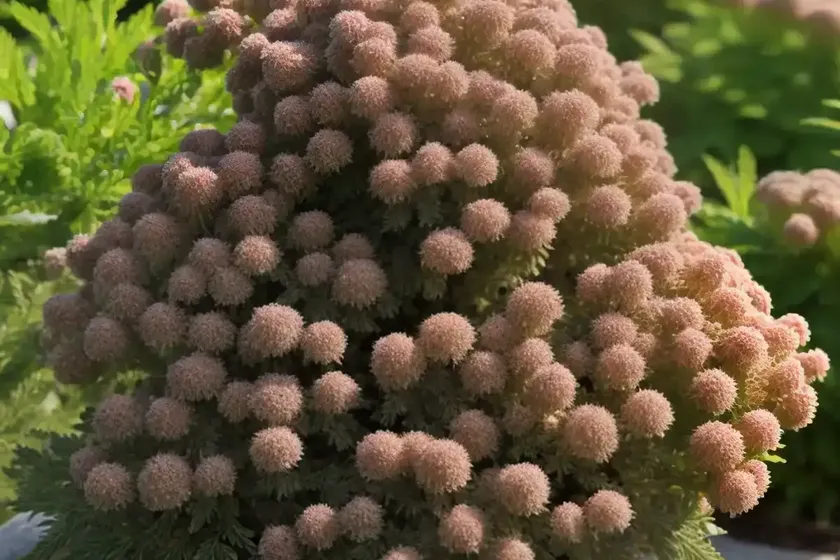
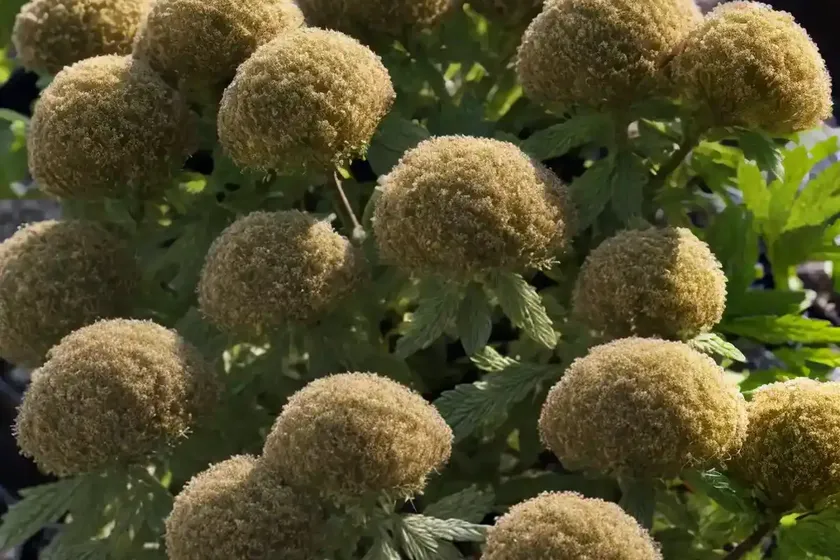
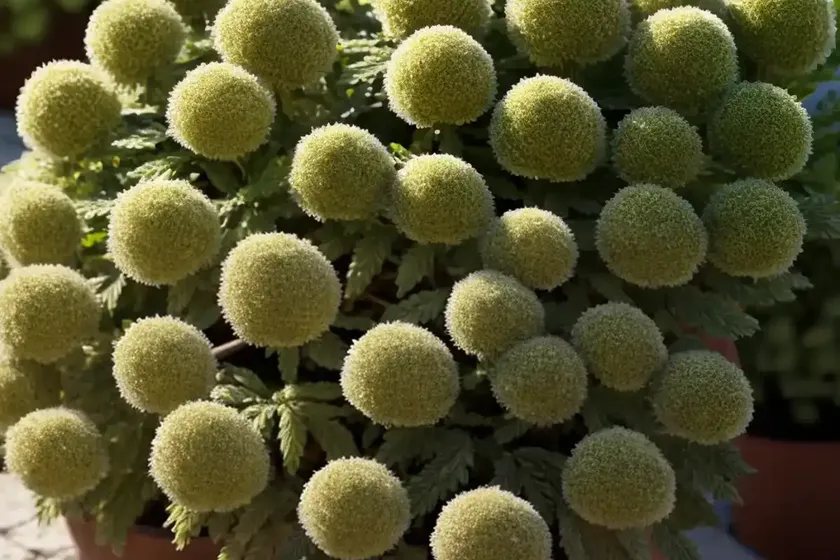
In the realm of horticulture, the fascination of working with plants holds a timeless allure. From the luscious greens to the vibrant hues of flowering shrubs, each plant species embodies its unique allure, playing a pivotal role in the environment and human society. As a plant scientist, it brings me immense joy to present a comprehensive guide on Physocarpus opulifolius, commonly known as the Common Ninebark. This ornamental shrub, with its clusters of delicate blossoms and elegant foliage, is a favorite among gardeners and landscapers alike. In this guide, we will explore the cultural significance, uses, care tips, pruning techniques, common pests and diseases, propagation methods, and much more associated with this fascinating plant.
What is Physocarpus opulifolius (Common Ninebark)?
Physocarpus opulifolius, commonly known as Common Ninebark, is a deciduous shrub native to North America. Belonging to the Rosaceae family, this plant species is renowned for its adaptability to various climates and its overall low-maintenance nature, making it a popular choice among gardeners and landscapers. The name “Ninebark” is derived from the peeling bark of mature stems, which creates an effect of nine layers, adding visual interest to the plant throughout the year.
The versatility of Common Ninebark lies in its varied cultivars, showcasing a spectrum of foliage colors, from deep burgundy to golden yellow, adding aesthetic diversity to garden landscapes. In addition to its ornamental value, this shrub serves as an ecological asset, providing habitat and forage for wildlife, including birds and beneficial insects.
Key Takeaways – Physocarpus opulifolius (Common Ninebark)
Culture
- Hardiness Zones: Physocarpus opulifolius thrives in USDA hardiness zones 2-8, making it adaptable to a wide range of climates.
- Mature Size: It typically grows to a height of 5-10 feet with a spread of 6-10 feet.
- Growth Rate: Common Ninebark exhibits a moderate to rapid growth rate, filling in garden spaces in a relatively short time.
- Landscape Uses: It is commonly utilized for hedging, mass planting, mixed borders, and natural screens, enhancing the aesthetics of landscapes.
Uses
- Ornamental Value: The striking foliage and attractive blossoms of Common Ninebark make it a popular ornamental shrub in gardens and public landscapes.
- Wildlife Habitat: The shrub’s flowers and fruits attract butterflies, bees, and birds, contributing to the biodiversity of the surrounding environment.
Water
- Watering Needs: Physocarpus opulifolius prefers consistent moisture, especially during its establishment phase. However, it exhibits good drought tolerance once established.
Sunlight
- Sun Requirements: It thrives in full sun to partial shade, with full sun generally enhancing the vibrancy of its foliage colors.
Fertilizer
- Fertilization: A balanced, slow-release fertilizer applied in spring can support the growth and blooming of Common Ninebark.
Soil
- Soil Type: Well-drained, fertile soils are preferred, although Common Ninebark demonstrates adaptability to a range of soil conditions.
- pH Level: It thrives in slightly acidic to slightly alkaline soil, with a pH range of 6.0-7.5 being ideal.
Pruning
- Pruning Time: Pruning is best done in late winter to early spring to promote new growth and maintain the shrub’s shape and size.
Propagation
- Propagation Methods: Common Ninebark can be propagated through softwood cuttings, hardwood cuttings, or division of root suckers.
Container Popularity
- Container Gardening: Physocarpus opulifolius is well-suited for container gardening, offering versatility in landscaping options for urban and suburban settings.
Common Diseases
- Disease Susceptibility: While generally resilient, Common Ninebark may be susceptible to certain fungal diseases like powdery mildew and leaf spot.
Disease diagnosis
- Identifying Diseases: Regular inspection of the foliage, branches, and stems aids in promptly identifying and addressing any signs of diseases.
- Preventive Measures: Proper plant care, including adequate spacing, good air circulation, and avoiding overhead watering, can mitigate the risk of diseases.
Common pests
- Pest Resilience: Common Ninebark exhibits resistance to many pests, but it may occasionally attract aphids, spider mites, and scale insects.
Botanist’s tips
- Native Alternatives: Exploring native alternatives to Physocarpus opulifolius can further enrich the ecological value of landscaping projects.
Fun facts
- Folklore: Ninebark has been historically used in traditional medicine by Native American tribes for various ailments, harnessing the plant’s medicinal properties.
Links to External Resources
- Physocarpus opulifolius – Missouri Botanical Garden
- Common Ninebark Planting and Care Guide – The Spruce
In the subsequent segments, we will delve deeper into each aspect of the Common Ninebark, unraveling the intricate details of its care, maintenance, propagation, and its broader ecological significance.
Common Ninebark Planting Guide
Physocarpus opulifolius Varieties
Physocarpus opulifolius is available in several captivating varieties, each showcasing distinct foliage colors and growing characteristics. Some popular cultivars include:
- ‘Diablo’: Renowned for its deep purple foliage, ‘Diablo’ adds dramatic color to landscapes.
- ‘Summer Wine’: This cultivar features bronze-purple leaves, transitioning to shades of red in fall, presenting a stunning seasonal display.
- ‘Center Glow’: With its vibrant yellow-green foliage, ‘Center Glow’ stands out amidst garden landscapes.
- ‘Coppertina’: The coppery-red foliage of ‘Coppertina’ lends an elegant touch to garden borders and containers.
Growing Common Ninebark Shrubs
Physocarpus opulifolius is relatively easy to grow, thriving in diverse environmental conditions. When planting Common Ninebark:
- Select a well-drained area with full to partial sunlight.
- Space the shrubs according to their mature spread to allow for adequate airflow and growth space.
- Consider the mature size of the chosen variety when planning its placement in the landscape.
Best Soil for Physocarpus opulifolius
- Soil Characteristics: Well-drained, loamy soils rich in organic matter are ideal for Common Ninebark.
- Soil Amendments: Incorporating organic compost during planting can enhance the soil’s fertility and structure, promoting healthy root development.
Sun Requirements for Common Ninebark
- Sunlight Exposure: Physocarpus opulifolius flourishes in full sun to partial shade, with at least 4-6 hours of direct sunlight for optimal growth and flowering.
Watering Needs for Common Ninebark
- Establishment Period: During the initial establishment phase, regular watering is essential to promote vigorous root development.
- Drought Tolerance: Once established, Common Ninebark demonstrates good tolerance to moderate drought conditions.
Landscaping with Physocarpus opulifolius
- Versatility: Common Ninebark offers diverse landscaping possibilities, serving as a focal point, accent plant, hedge, or mass-planted border.
Common Ninebark Varieties for Hedges
- Hedge Formation: Physocarpus opulifolius can be pruned to form attractive, dense hedges, providing both ornamental and functional benefits in landscaping designs.
Winter Care for Physocarpus opulifolius
- Winter Protection: Providing a layer of mulch around the shrub’s base and wrapping young or vulnerable stems with burlap can offer protection from harsh winter conditions.
Drought Tolerance of Common Ninebark
- Environmental Adaptability: Common Ninebark exhibits good tolerance to drought, making it a resilient choice for arid and semi-arid regions.
Planting Physocarpus opulifolius in Containers
- Container Gardening: Physocarpus opulifolius is well-suited for container planting, allowing for versatility in design and placement within landscapes and urban environments.
Companion Plants for Common Ninebark
- Complementary Pairings: Pairing Physocarpus opulifolius with ornamental grasses, conifers, or flowering perennials can create visually appealing and ecologically supportive combinations.
Soil pH Requirements for Physocarpus opulifolius
- Optimal pH Range: This shrub thrives in slightly acidic to slightly alkaline soils, with a pH range of 6.0-7.5 being conducive to its growth.
Physocarpus opulifolius for Privacy Screens
- Privacy Planting: The dense foliage and moderate height of Common Ninebark make it well-suited for creating natural privacy screens and windbreaks.
Attracting Wildlife with Common Ninebark
- Wildlife Benefits: The flowers and fruits of Physocarpus opulifolius attract pollinators and birds, contributing to the ecological balance of the garden and surrounding areas.
Physocarpus opulifolius Disease Prevention
- Proactive Measures: Creating optimal growing conditions, including proper spacing, adequate air circulation, and routine inspection, can mitigate the risk of diseases in Common Ninebark.
Common Ninebark Growth Rate
- Vigorous Growth: Common Ninebark typically exhibits a moderate to rapid growth rate, filling in landscape areas effectively.
Physocarpus opulifolius for Natural Screens
- Natural Screening: This shrub’s dense growth habit and foliage texture make it a valuable component in creating natural screens to define garden spaces or block unwanted views.
Common Ninebark in Mixed Borders
- Landscaping Dynamics: Including Physocarpus opulifolius in mixed borders alongside perennials, grasses, and other shrubs adds visual interest and seasonal diversity to the landscape.
In the subsequent sections, we will unravel the pruning techniques, disease management, and propagation methods for Common Ninebark, providing holistic guidance for plant enthusiasts and gardeners.
Physocarpus opulifolius Care Tips
Best Pruning Time for Common Ninebark
- Pruning Schedule: Late winter to early spring, before the onset of new growth, is the optimal time for pruning Physocarpus opulifolius.
Physocarpus opulifolius Pruning Techniques
- Pruning Goals: The primary pruning objectives for Common Ninebark include maintaining its shape, removing dead or damaged wood, and rejuvenating older shrubs through selective cutting.
Pruning Tools for Physocarpus opulifolius
- Essential Tools: Pruning shears, loppers, and a pruning saw are essential for effectively managing the growth and form of Common Ninebark.
Physocarpus opulifolius Maintenance Tips
- Regular Care: Routine inspection for pests, diseases, and proper watering and fertilization are crucial for maintaining the health and vigor of Common Ninebark.
Best Fertilizer for Common Ninebark
- Fertilization Strategy: Applying a balanced, slow-release fertilizer in early spring can support the growth, blooming, and overall vigor of Physocarpus opulifolius.
Physocarpus opulifolius for Wildlife Habitats
- Ecological Significance: Beyond its ornamental value, Common Ninebark contributes to the ecosystem by providing food and shelter for diverse wildlife.
Planting Physocarpus opulifolius in Containers
- Container Requirements: Choosing well-draining, appropriately sized containers and utilizing high-quality potting mix are key considerations for successful container planting.
Common Ninebark Fall Color
- Seasonal Transformation: As autumn approaches, the foliage of Common Ninebark undergoes a captivating transition, displaying shades of red, orange, and yellow.
Common Ninebark Flower Characteristics
- Blossom Display: Common Ninebark produces delicate clusters of small white or pink flowers, adding a charming touch to garden landscapes.
Common Ninebark Leaf Characteristics
- Foliage Diversity: The foliage of Physocarpus opulifolius varies across its cultivars, presenting an array of colors, shapes, and textures.
Physocarpus opulifolius Root System
- Root Structure: Common Ninebark develops a fibrous root system, providing stability and efficient water and nutrient absorption.
Physocarpus opulifolius Leaf Spot Prevention
- Maintaining Foliage Health: Proper air circulation, avoiding overhead watering, and routine inspection contribute to reducing the risk of leaf spot diseases.
Pruning Techniques for Physocarpus opulifolius Shrubs
- Guided Pruning: Selective pruning, including the removal of dead, damaged, or crossing branches, is essential for maintaining the health and aesthetics of Common Ninebark.
In the subsequent segments, we will delve deeper into the pest management, disease prevention, and propagation methods associated with Common Ninebark, unraveling the intricacies of maintaining this captivating shrub.
Common Ninebark Pests and Diseases
Common Ninebark Resistance to Deer
- Deer Tolerance: Common Ninebark is generally resistant to browsing by deer, adding to its appeal for garden landscapes in deer-populated areas.
Common Ninebark Leaf Spot Prevention
- Disease Management: Maintaining good air circulation, avoiding overhead watering, and promptly removing any diseased foliage can help prevent leaf spot diseases.
Common Ninebark Foliage Colors
- Foliage Diversity: Physocarpus opulifolius cultivars exhibit a range of foliage colors, from deep purples to vibrant golds, offering diverse visual appeal in garden settings.
Physocarpus opulifolius Disease Prevention
- Proactive Measures: Creating optimal growing conditions, including proper spacing, adequate air circulation, and routine inspection, can mitigate the risk of diseases in Common Ninebark.
Common Ninebark Pest Resilience
- Pest Susceptibility: While generally resistant to many pests, Common Ninebark may attract aphids, scale insects, and spider mites under certain conditions.
Physocarpus opulifolius Pruning Techniques
- Guided Pruning: Selective pruning, including the removal of dead, damaged, or crossing branches, is essential for maintaining the health and aesthetics of Common Ninebark.
Physocarpus opulifolius for Erosion Control
- Soil Stabilization: The robust root system and dense growth habit of Common Ninebark make it valuable for preventing soil erosion on slopes and embankments.
Physocarpus opulifolius in Rain Gardens
- Water Management: Common Ninebark can be utilized in rain gardens, aiding in the absorption and filtration of excess water during rainy periods.
Physocarpus opulifolius for Slope Stabilization
- Slope Management: The vigorous growth and fibrous root system of Physocarpus opulifolius contribute to stabilizing slopes and preventing soil erosion.
Physocarpus opulifolius for Wildlife Habitats
- Ecological Significance: Beyond its ornamental value, Common Ninebark contributes to the ecosystem by providing food and shelter for diverse wildlife.
Physocarpus opulifolius as a Windbreak
- Wind Protection: Common Ninebark’s dense foliage and moderate height make it effective as a natural windbreak, providing protection for garden and landscape areas.
Shade Tolerance of Common Ninebark
- Partial Shade Adaptability: While thriving in full sun, Common Ninebark also exhibits good tolerance to partial shade, broadening its adaptability in diverse environments.
Pollinator-Friendly Physocarpus opulifolius
- Ecological Significance: The flowers of Common Ninebark attract various pollinators, contributing to the biodiversity and ecological balance of garden landscapes.
Pruning Techniques for Physocarpus opulifolius Shrubs
- Guided Pruning: Selective pruning, including the removal of dead, damaged, or crossing branches, is essential for maintaining the health and aesthetics of Common Ninebark.
Container Gardening with Physocarpus opulifolius
- Container Suitability: Physocarpus opulifolius is an excellent choice for container gardening, offering versatility in design and placement options.
Companion Plants for Common Ninebark
- Plant Pairing Dynamics: Pairing Physocarpus opulifolius with complementary plants, such as ornamental grasses and flowering perennials, can enhance the visual appeal of garden landscapes.
Common Ninebark as a Windbreak
- Environmental Influence: Common Ninebark’s dense growth habit and foliage structure make it an effective natural windbreak, aiding in protecting garden and landscape areas.
Popular Cultivars of Physocarpus opulifolius
- Varietal Diversity: The varied cultivars of Common Ninebark offer a wide palette of foliage colors and growth habits, catering to diverse landscaping preferences.
Physocarpus opulifolius for Privacy Screens
- Privacy Planting: The dense growth habit and moderate height of Common Ninebark make it an ideal choice for creating natural privacy screens within garden settings.
Container Gardening with Physocarpus opulifolius
- Container Suitability: Physocarpus opulifolius is an excellent choice for container gardening, offering versatility in design and placement options.
Best Pruning Time for Common Ninebark
- Timely Maintenance: Pruning Physocarpus opulifolius in late winter to early spring ensures the promotion of new growth and restoration of the shrub’s form.
Common Ninebark in Coastal Gardens
- Adaptation to Coastal Environments: Common Ninebark demonstrates good resilience in coastal gardens, withstanding salt spray and mild coastal conditions effectively.
Common Ninebark Maintenance Tips
- Proactive Care: Regular maintenance, including watering, fertilization, and pest and disease monitoring, supports the long-term health and vigor of Common Ninebark.
Native Alternatives to Physocarpus opulifolius
- Ecological Considerations: Exploring native plant alternatives enhances the ecological value of landscaping designs, fostering regional biodiversity.
Physocarpus opulifolius Growth Rate
- Vigorous Development: Common Ninebark typically exhibits a moderate to rapid growth rate, establishing well in various landscape settings.
Physocarpus opulifolius in Mixed Borders
- Mixed Planting Dynamics: Including Common Ninebark in mixed borders elevates


