Ninebark (Physocarpus Opulifolius ‘Seward’ SUMMER WINE)
As a plant scientist, I am always fascinated by the diverse and magnificent world of plants. Among the plethora of flora that adorns our planet, the.
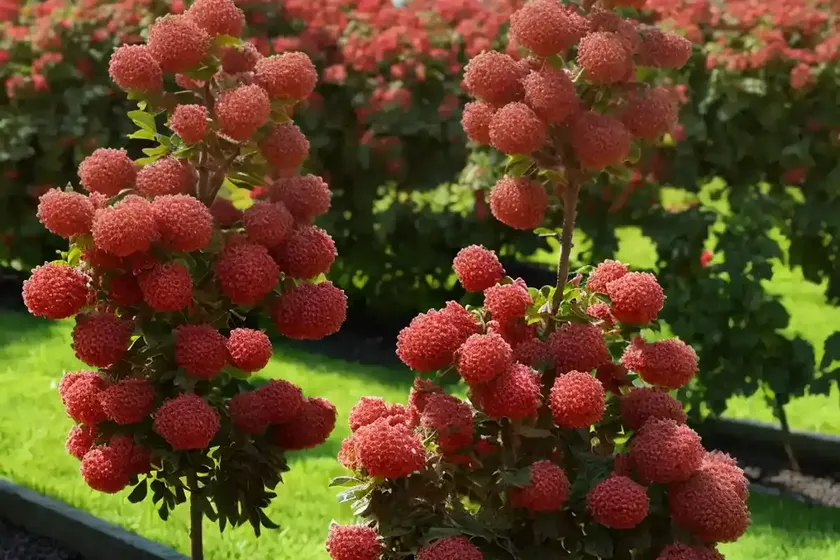
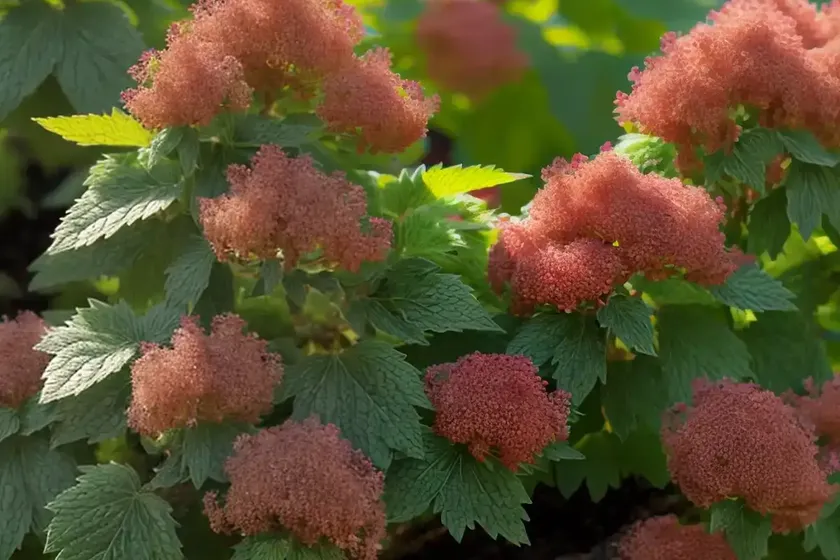
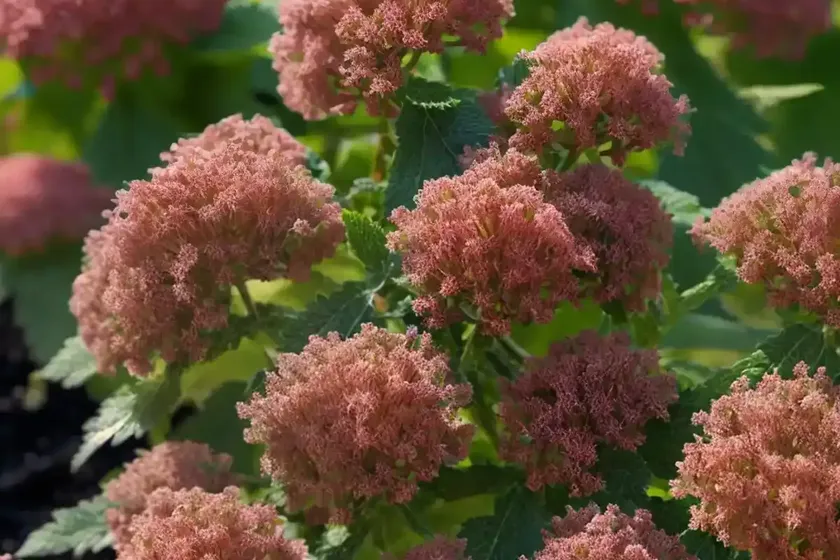
As a plant scientist, I am always fascinated by the diverse and magnificent world of plants. Among the plethora of flora that adorns our planet, the ninebark (Physocarpus opulifolius ‘Seward’ SUMMER WINE) stands out as an exceptional species due to its striking appearance and versatile nature. In this comprehensive guide, we will delve into the various aspects of the ninebark plant, exploring its culture, uses, care requirements, and much more.
What is the ninebark (Physocarpus opulifolius ‘Seward’ SUMMER WINE)?
The ninebark, scientifically known as Physocarpus opulifolius ‘Seward’ SUMMER WINE, is a deciduous flowering shrub that belongs to the Rosaceae family. It is esteemed for its vibrant wine-colored foliage, making it a popular choice for landscaping and ornamental purposes. This cultivar is also referred to as the Summer Wine shrub, Redleaf Ninebark, or Summer Wine Ninebark, reflecting its rich and visually appealing characteristics.
Key Takeaways – ninebark (Physocarpus opulifolius ‘Seward’ SUMMER WINE)
Before we delve into the intricacies of cultivating and caring for the ninebark, let’s grasp some key takeaways about this remarkable plant:
- Exceptionally colorful and striking foliage, making it an eye-catching addition to any garden or landscape.
- Versatile in its uses, serving as an ornamental shrub and contributing to vibrant and diverse garden designs.
- Low-maintenance and disease-resistant, making it an ideal choice for both experienced and novice gardeners.
- Adaptable to various soil and sunlight conditions, thriving in different environments and climates.
With these key points in mind, let’s explore the culture, uses, care requirements, and other essential facets of the ninebark plant in detail.
Culture
Understanding the cultural requirements of the ninebark plant is crucial for ensuring its optimal growth and development. From its water needs to sunlight preferences, each aspect contributes to the overall well-being of this captivating shrub.
Water
The ninebark plant exhibits moderate water needs, and while it is adaptable to different moisture levels, it thrives in well-drained soil. During the initial establishment period, regular watering is essential to promote root growth and ensure the plant’s vitality. However, once established, the ninebark demonstrates good drought tolerance, thereby necessitating less frequent watering. It is important to strike a balance, avoiding both water-logging and prolonged periods of drought to maintain the plant’s health and vigor.
Sunlight
In terms of sunlight requirements, the ninebark plant flourishes in full sun to partial shade. While it can tolerate partial shade, providing ample sunlight ensures the vibrant and intense coloration of its foliage. When planted in shadier locations, the foliage may become less vibrant, and the overall growth and flowering may be somewhat reduced. Therefore, selecting a well-lit spot for the ninebark is pivotal for harnessing its full ornamental potential.
Fertilizer
Proper fertilization plays a pivotal role in nurturing the ninebark plant and promoting its growth and vibrancy. Utilizing a balanced, slow-release fertilizer in spring or early summer enhances the plant’s overall health and vigor. It is advisable to refrain from excessive fertilization, as this may lead to lush foliage at the expense of flowering. Instead, a controlled and moderate approach to fertilization ensures a harmonious balance between foliage and flowering, accentuating the ninebark’s ornamental appeal.
Soil
The ninebark thrives in well-drained, loamy soil with a slightly acidic to neutral pH. Ensuring good soil drainage is imperative, as water-logged conditions can lead to root rot and other detrimental effects on the plant’s health. Additionally, incorporating organic matter into the soil enhances its structure and fertility, providing an excellent growing medium for the ninebark shrub.
Pruning
Pruning is an essential aspect of maintaining the ninebark plant’s shape, controlling its size, and promoting healthy growth. Pruning should ideally be conducted in late winter or early spring when the plant is dormant. This allows for the removal of dead or damaged branches and the shaping of the plant to achieve the desired form. Additionally, selective pruning can encourage new growth and enhance the plant’s flowering potential, contributing to a lush and abundant display of foliage and blossoms.
Propagation
The ninebark plant can be propagated through various methods, including softwood cuttings, hardwood cuttings, and division. Softwood cuttings, taken in late spring to early summer, have shown to be an effective means of propagating this species. Employing a rooting hormone and providing optimal conditions for root development can yield successful propagation results. Hardwood cuttings, taken during the dormant period, also offer a viable means of propagating the ninebark plant. Furthermore, division can be employed to propagate mature plants, providing an avenue for expanding the presence of this captivating shrub in a garden or landscape.
Container Popularity
While the ninebark is often planted directly in the ground, it is also well-suited for container cultivation. Its vibrant foliage and compact growth habit make it an excellent choice for container gardening, adding a splash of color and ornamental appeal to patios, decks, and outdoor living spaces. The ability to thrive in containers expands the versatility of the ninebark, allowing it to adorn various settings and environments with its captivating presence.
Container Common Diseases
When grown in containers, the ninebark may be susceptible to certain diseases, including powdery mildew and leaf spot. Powdery mildew can manifest as powdery, white fungal growth on the leaves, compromising the plant’s aesthetic appeal and potentially affecting its overall health. Leaf spot, characterized by the appearance of dark spots on the foliage, can also arise in container-grown ninebark plants, necessitating appropriate measures to mitigate its impact.
Disease Diagnosis
Understanding the symptoms and characteristics of common diseases affecting the ninebark plant is key to prompt diagnosis and effective management. Regular inspection of the plant’s foliage, stems, and overall appearance facilitates early detection of potential issues, enabling timely intervention to safeguard the plant’s well-being.
Common Pests
While the ninebark plant is generally resilient to pests, certain insects may pose a threat to its vitality. Aphids, spider mites, and scale insects are among the potential pests that may target the ninebark, requiring vigilance and proactive pest management measures. The presence of these pests can result in leaf damage, reduced vigor, and overall diminished ornamental value, underscoring the importance of pest monitoring and control.
Botanist’s Tips
As a dedicated botanist, I offer the following tips to ensure the successful cultivation and care of ninebark (Physocarpus opulifolius ‘Seward’ SUMMER WINE) shrubs:
-
Regular monitoring and maintenance are essential for preserving the plant’s health and ornamental appeal. Vigilance in observing for signs of disease, pest infestations, and nutrient deficiencies empowers timely intervention to address any issues that may arise.
-
When selecting a site for planting the ninebark, consider its sunlight requirements and the potential for providing ample light to promote vibrant foliage coloration and abundant flowering.
-
Proper pruning and shaping of the shrub contribute to its overall aesthetic, as well as its health and vitality. Adhering to recommended pruning practices ensures the maintenance of an attractive and well-structured plant.
-
Adequate soil preparation, incorporating organic matter, and ensuring good drainage lay the foundation for the ninebark’s successful establishment and sustained growth.
Fun Facts
To further appreciate the unique allure of the ninebark plant, here are some fun and fascinating facts about this captivating species:
-
The name “ninebark” is derived from the appearance of the plant’s bark, which peels away in numerous layers, resembling the number nine.
-
The ninebark’s striking wine-colored foliage intensifies in the cooler temperatures of fall, adding a captivating dimension to autumn landscapes.
-
This cultivar, known as ‘Seward’ SUMMER WINE, is prized for its compact growth habit and eye-catching burgundy foliage, making it an ideal choice for diverse garden designs and ornamental displays.
-
In addition to its ornamental appeal, the ninebark plant holds ecological significance, providing habitat and nectar sources for various pollinators and contributing to the biodiversity of natural ecosystems.
Links to External Resources
For further exploration of the ninebark plant and related topics, the following resources offer valuable insights and information:
-
American Horticultural Society – A comprehensive source of horticultural knowledge, providing insights into diverse plant species, including the ninebark (Physocarpus opulifolius).
-
Missouri Botanical Garden – A renowned botanical institution offering extensive botanical information and resources, including details about the cultivation and care of ninebark shrubs.
-
Royal Horticultural Society – A leading authority on gardening and horticulture, featuring valuable guidance on plant selection, cultivation, and ornamental attributes, including those of the ninebark (Physocarpus opulifolius ‘Seward’ SUMMER WINE).
-
University Extension Services – Various university extension services provide research-based information on gardening, plant care, and pest management, offering practical advice for cultivating and maintaining ninebark shrubs.
As we conclude this guide, the versatile nature, striking beauty, and low-maintenance qualities of the ninebark (Physocarpus opulifolius ‘Seward’ SUMMER WINE) make it a standout choice for enhancing landscapes, gardens, and outdoor spaces. Its captivating foliage, vibrant flowering, and adaptability to diverse conditions underscore its appeal as an ornamental shrub, enriching outdoor environments with its visual charm and ecological contributions. Whether adorning gardens, container plantings, or naturalized landscapes, the ninebark shines as a compelling and captivating presence, embodying the inherent splendor of the plant kingdom.


