Phygelius x rectus ‘African Queen’ (Cape Fuchsia): A Complete Guide
Phygelius x rectus ‘African Queen’, commonly known as Cape Fuchsia, is a stunning perennial plant that has become a favorite among gardeners and landscapers. With its vibrant flowers and easy-to-care-for nature, this plant has become a popular choice for adding color and beauty to gardens, borders, and containers. In this comprehensive guide, we will explore the key characteristics, care requirements, uses, and much more about the Phygelius x rectus ‘African Queen’ plant.
What is Phygelius x rectus ‘African Queen’ (Cape Fuchsia)?
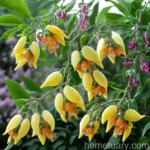
Phygelius x rectus ‘African Queen’ is a hybrid plant that belongs to the family Scrophulariaceae. It is a cross between Phygelius capensis and Phygelius aequalis, resulting in a plant with an attractive and distinctive appearance. The common name “Cape Fuchsia” is derived from the resemblance of its tubular flowers to those of the true fuchsia plants. The ‘African Queen’ variety is particularly prized for its striking clusters of tubular, orange flowers that bloom profusely during the summer and fall.
Key Takeaways – Phygelius x rectus ‘African Queen’ (Cape Fuchsia)
Before diving into the specifics of caring for the Phygelius x rectus ‘African Queen’, let’s take a quick look at the key takeaways for this remarkable plant.
- Scientific Name: Phygelius x rectus ‘African Queen’
- Common Name: Cape Fuchsia
- Family: Scrophulariaceae
- Characteristics: Clusters of tubular, orange flowers; evergreen foliage
- Uses: Borders, containers, landscaping, pollinator gardens
- Water: Regular watering, well-draining soil
- Sunlight: Full sun to partial shade
- Fertilizer: Balanced, slow-release fertilizer
- Soil: Rich, fertile, well-draining
- Pruning: Prune to maintain shape and encourage new growth
- Propagation: Stem cuttings, division
- Common Pests: Aphids, spider mites
- Common Diseases: Powdery mildew
- Popularity: Increasing popularity in gardens and landscapes
- Container: Well-suited for container gardening
- Botanist’s Tips: Provide regular moisture, deadhead spent flowers for prolonged blooms
Now that we have a snapshot of the plant’s key attributes, let’s delve into each aspect in more detail to understand how to care for and make the most of Phygelius x rectus ‘African Queen’ in various settings.
Culture
The culture of Phygelius x rectus ‘African Queen’ encompasses the growing conditions and environment that are vital for its health and overall development. Understanding its cultural requirements is essential for successfully nurturing this plant in gardens and landscapes.
Water
Proper watering is crucial for the well-being of Phygelius x rectus ‘African Queen’. As with many other perennial plants, maintaining adequate moisture levels in the soil is key to supporting healthy growth and abundant blooms. While Cape Fuchsia is relatively tolerant of dry conditions, it prefers consistent and regular watering, especially during hot and dry spells. However, it is important to ensure that the soil has good drainage to prevent waterlogging, which can lead to root rot and other issues.
Sunlight
In terms of sunlight requirements, Phygelius x rectus ‘African Queen’ thrives in full sun to partial shade. Providing it with at least 6 hours of direct sunlight per day generally results in vigorous growth and profuse flowering. In warmer climates, some afternoon shade can be beneficial to protect the plant from excessive heat, especially during the peak of summer.
Fertilizer
Applying a balanced, slow-release fertilizer in the spring can greatly benefit the growth and blooming potential of Phygelius x rectus ‘African Queen’. A fertilizer with equal proportions of nitrogen, phosphorus, and potassium, along with micronutrients, can provide the necessary nutrients for healthy foliage and robust flowering. It is advisable to follow the manufacturer’s instructions regarding the application and dosage of the fertilizer to prevent overfeeding, which can have detrimental effects on the plant.
Soil
Phygelius x rectus ‘African Queen’ thrives in rich, fertile soil that offers good drainage. Amending the soil with organic matter, such as compost or well-rotted manure, can improve its structure and nutrient content, creating an ideal growing medium for this plant. Additionally, ensuring proper drainage is essential to prevent waterlogged conditions, which can lead to root rot and other issues.
Pruning
Pruning is an important aspect of Phygelius x rectus ‘African Queen’ care that helps maintain the plant’s shape, promote new growth, and encourage a longer flowering period. Deadheading, which involves removing spent flowers, is particularly beneficial for prolonging the blooming season of Cape Fuchsia. By eliminating faded blooms, the plant directs its energy towards producing new flower buds, resulting in continued color and beauty in the garden or landscape.
Propagation
Phygelius x rectus ‘African Queen’ can be propagated through various methods, including stem cuttings and division. Both approaches can be effective in obtaining new plants for expanding existing garden beds, starting new containers, or sharing with fellow gardening enthusiasts.
Stem Cuttings
Taking stem cuttings from healthy, actively growing shoots is a reliable method of propagating Phygelius x rectus ‘African Queen’. The best time to take cuttings is in the spring or early summer when the plant is actively growing. The cutting should be around 4-6 inches long and taken from a non-flowering stem. Removing the lower leaves and planting the cutting in a well-draining potting mix can encourage the development of roots. Providing the cuttings with consistent moisture and warmth promotes successful root formation, leading to new plants that can be transplanted into the garden or larger containers.
Division
Division is another effective method for propagating Phygelius x rectus ‘African Queen’, particularly for older plants. This can be done during the early spring before new growth begins or in the fall after the flowering season. Carefully lifting the plant from the ground and dividing the root ball into sections with healthy shoots can yield multiple new plants. The divided sections can then be replanted in suitable locations, ensuring adequate watering and care to facilitate their establishment.
Container Popularity
The versatility and ornamental appeal of Phygelius x rectus ‘African Queen’ make it well-suited for container gardening. Whether showcased individually or as part of a mixed container arrangement, Cape Fuchsia can add color, texture, and visual interest to patios, balconies, and other outdoor living spaces. When selecting a container for this plant, it is essential to choose one with adequate drainage holes to prevent waterlogging. Additionally, using a high-quality potting mix that offers good aeration and moisture retention can promote healthy growth and blooming.
Common Diseases and Pests
Like all plants, Phygelius x rectus ‘African Queen’ is susceptible to certain diseases and pests that can impact its health and appearance. Being aware of these potential issues and taking preventive measures can help maintain the plant’s vitality and beauty.
Disease Diagnosis
One of the common diseases that can affect Phygelius x rectus ‘African Queen’ is powdery mildew. This fungal disease can manifest as a powdery, white coating on the foliage, diminishing the plant’s aesthetic appeal and potentially impacting its growth. Providing proper air circulation, avoiding overhead watering, and promptly removing and disposing of affected plant parts can help prevent the onset and spread of powdery mildew. In cases of severe infestation, using appropriate fungicidal treatments according to the manufacturer’s recommendations can help manage the issue.
Common Pests
Aphids and spider mites are among the common pests that can trouble Phygelius x rectus ‘African Queen’. These tiny insects can cause damage to the plant by feeding on its sap, leading to wilting, yellowing of leaves, and overall decline in health. Regularly inspecting the plant for signs of pest infestation and taking timely action, such as using insecticidal soaps or horticultural oils, can help keep these pests at bay. Additionally, practicing good garden hygiene, including keeping the area free of debris and weeds, can contribute to reducing pest populations.
Botanist’s Tips
As a plant scientist, I have some valuable tips for successfully caring for Phygelius x rectus ‘African Queen’ and maximizing its aesthetic and horticultural potential. These insights are based on scientific knowledge and practical experience, offering guidance for cultivating this beautiful plant in various settings.
- Regular Moisture: Providing consistent moisture through proper watering and mulching is beneficial for the overall health and blooming performance of Phygelius x rectus ‘African Queen’.
- Deadheading: Engaging in regular deadheading to remove spent flowers promotes continuous blooming, prolonging the visual impact of the plant in the garden.
- Mulching: Applying a layer of organic mulch around the base of the plant can help conserve soil moisture, suppress weed growth, and enhance the overall appearance of the planting area.
Fun Facts
Uncovering interesting and captivating facts about plants adds depth to the gardening experience and fosters a deeper appreciation for the natural world. Here are some fun facts about Phygelius x rectus ‘African Queen’ that showcase its unique qualities and contributions to horticulture and ecosystems.
- The tubular flowers of Phygelius x rectus ‘African Queen’ are particularly attractive to hummingbirds, making it a desirable choice for wildlife-friendly gardens and landscapes.
- The common name “Cape Fuchsia” alludes to the plant’s resemblance to true fuchsias, despite not being botanically related to them.
Links to External Resources
To further expand your knowledge and understanding of Phygelius x rectus ‘African Queen’ and its care, uses, and attributes, I have compiled a list of relevant external resources. These reputable sources offer reliable information and insights to support your journey in cultivating and enjoying this remarkable plant.
- Royal Horticultural Society (RHS): Phygelius x rectus ‘African Queen’ Plant Profile
- Missouri Botanical Garden: Cape Fuchsia – Phygelius x rectus ‘African Queen’
- Gardenia: Phygelius x rectus ‘African Queen’ Care and Growing Guide
- University of Florida IFAS Extension: Cape Fuchsia – Phygelius x rectus
In conclusion, Phygelius x rectus ‘African Queen’ (Cape Fuchsia) is a captivating plant with a myriad of attributes that make it a valuable addition to gardens, landscapes, and containers. By understanding its cultural requirements, uses, and potential challenges, gardeners and enthusiasts can cultivate this plant with confidence, knowing they are fostering beauty and ecological significance in their surroundings. Whether attracting pollinators, enhancing visual appeal, or contributing to a thriving ecosystem, Phygelius x rectus ‘African Queen’ enriches the horticultural world with its charm and resilience.