Nymphaea Mexicana (Yellow Water Lily)
Nymphaea mexicana, commonly known as the Yellow Water Lily, is a captivating aquatic plant that belongs to the genus Nymphaea. This beautiful species is.
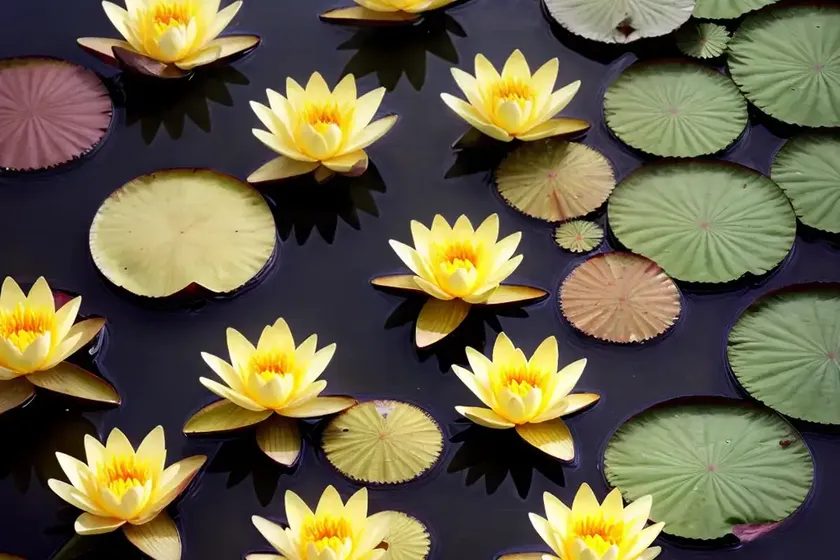
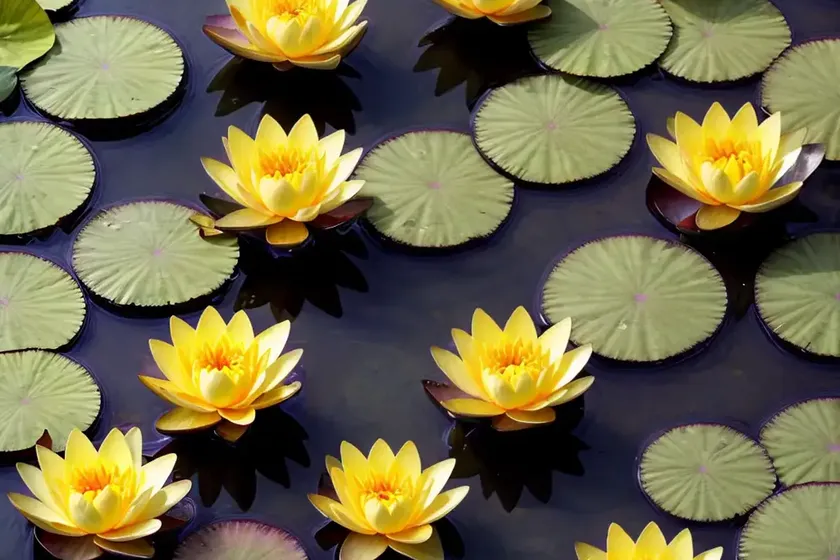
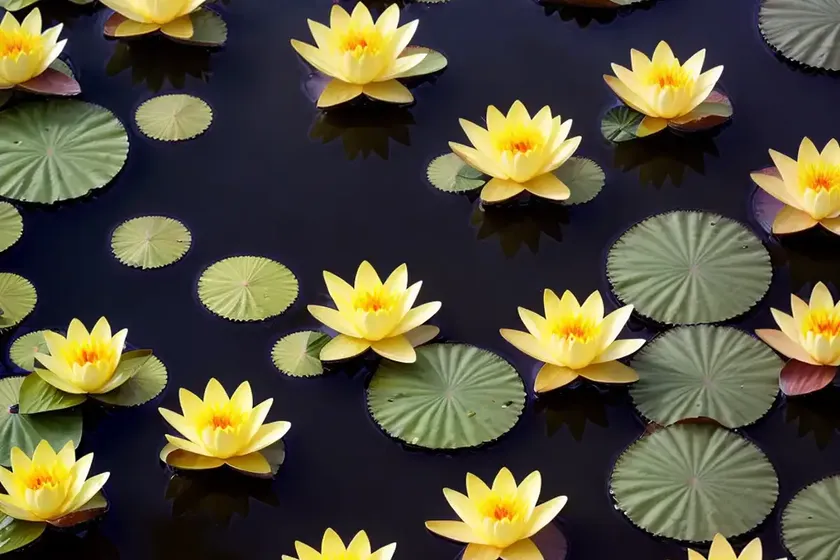
Nymphaea mexicana, commonly known as the Yellow Water Lily, is a captivating aquatic plant that belongs to the genus Nymphaea. This beautiful species is native to the Americas and is cherished for both its ornamental value and cultural significance. In this comprehensive guide, we will delve into the various aspects of Nymphaea mexicana, including its culture, uses, care tips, and much more.
What is Nymphaea mexicana?
Nymphaea mexicana, also known as the Mexican Yellow Water Lily, is a perennial water plant with striking yellow flowers. It is characterized by its lily pads and elegant blooms, making it a popular choice for garden ponds and water features. This aquatic plant is part of the Nymphaeaceae family and is widely distributed across the aquatic habitats of North and Central America.
Key Takeaways – Nymphaea mexicana (Yellow Water Lily)
Before we delve into the specifics of Nymphaea mexicana, let’s take a quick look at the essential facets of this captivating water lily:
- Plant Name: Nymphaea mexicana (Yellow Water Lily)
- Family: Nymphaeaceae
- Common Names: Mexican Yellow Water Lily, Yellow Water Lily
- Flower Color: Yellow
- Habitat: Aquatic environments in North and Central America
- Cultural Significance: Used for ornamental purposes and in traditional medicine
Now, let’s explore the various aspects of Nymphaea mexicana in detail.
Culture of Nymphaea mexicana
Uses
Nymphaea mexicana holds immense cultural, ornamental, and ecological significance. Here are some of its primary uses:
-
Ornamental Purposes: The stunning yellow flowers and lily pads make Nymphaea mexicana a popular choice for ornamental water gardens, ponds, and aquatic landscapes.
-
Cultural and Symbolic Significance: In various cultures, water lilies hold symbolic significance, often representing purity, enlightenment, and tranquility. Nymphaea mexicana’s vibrant yellow blooms add a touch of radiance to water features, making it a symbol of joy and positivity.
-
Traditional Medicine: In certain indigenous cultures, parts of the Nymphaea mexicana plant are used for their purported medicinal properties. From poultices to herbal infusions, traditional practitioners believe in its therapeutic value.
Water
Water plays a crucial role in the successful cultivation of Nymphaea mexicana. When growing this water lily, it’s essential to consider the following water-related factors:
-
Water Quality: Nymphaea mexicana thrives in clean, still or slow-flowing water. Ensure that the water in the pond or container is free from pollutants and excessive nutrient runoff.
-
Depth: The ideal water depth for Nymphaea mexicana is typically around 1 to 5 feet. Providing the appropriate depth allows the plant to establish its roots and thrive in the aquatic environment.
Sunlight
As a water lily, Nymphaea mexicana requires ample sunlight to fuel its growth and blooming cycle. When it comes to sunlight requirements, consider the following:
-
Full Sun: For optimal growth and blooming, ensure that Nymphaea mexicana receives at least 6 to 8 hours of direct sunlight each day. Place the plant in a location where it can bask in the sun’s warmth.
-
Shade Tolerance: While Nymphaea mexicana thrives in full sun, it can tolerate some shade, especially in hot climates where intense sunlight may cause excessive heat stress.
Fertilizer
Applying the right fertilizers is crucial for promoting healthy growth and vibrant blooms in Nymphaea mexicana. Here are some fertilizer-related considerations:
-
Fertilizer Type: Use a specialized aquatic plant fertilizer or a balanced, slow-release fertilizer to provide Nymphaea mexicana with essential nutrients. Avoid using fertilizers high in phosphorus, as they may contribute to water pollution.
-
Application Frequency: Depending on the size of the water body and the existing nutrient levels, fertilize Nymphaea mexicana every 4 to 6 weeks during the growing season. Over-fertilization should be avoided to prevent nutrient imbalances in the water.
Soil
While Nymphaea mexicana is an aquatic plant, it relies on the surrounding substrate and soil for anchorage and nutrient uptake. Consider the following soil-related factors:
-
Aquatic Planting Mix: When planting Nymphaea mexicana in a pond or container, utilize an aquatic planting mix specifically designed for water lilies and other aquatic plants. This specialized mix provides the right balance of nutrients and aeration for the plant’s roots.
-
Soil-Less Growing Medium: In some cases, Nymphaea mexicana can also be grown using a soil-less growing medium, such as aquatic planting baskets filled with gravel or clay pellets. This method facilitates nutrient uptake and prevents soil from clouding the water.
Pruning and Maintenance
Pruning
Proper pruning is essential for maintaining the health and aesthetics of Nymphaea mexicana. Follow these guidelines for effective pruning:
-
Removing Spent Blooms: Regularly remove spent blooms and fading flowers to encourage continuous blooming and prevent the formation of seed pods, which can divert the plant’s energy.
-
Pruning Dead Leaves: Trim away any dead or decaying leaves to maintain the plant’s overall health and appearance. Additionally, removing decaying foliage helps prevent water contamination and decay.
Maintenance
Regular maintenance is key to ensuring the continued vitality of Nymphaea mexicana. Consider the following maintenance tasks:
-
Leaf Grooming: Periodically clean and groom the lily pads to remove debris, algae, and any accumulated organic matter. This practice helps to uphold water clarity and prevents potential pest and disease issues.
-
Water Quality Monitoring: Keep a close eye on the water quality, pH levels, and nutrient concentrations within the aquatic environment. Regular water testing and monitoring can help detect and address any imbalances that may affect Nymphaea mexicana’s health.
-
Container Maintenance: If growing Nymphaea mexicana in containers, inspect and maintain the containers to ensure they remain structurally sound and properly contain the plant and growing medium.
Propagation of Nymphaea mexicana
Propagation of Nymphaea mexicana can be accomplished through various methods, including division, seed propagation, and tissue culture. Here’s a detailed look at these propagation techniques:
Division
Dividing mature Nymphaea mexicana plants is a popular and effective method of propagation. Follow these steps for successful division:
-
Spring Propagation: In the spring, as the plant regains vigor, carefully divide the mature rhizomes and tubers of Nymphaea mexicana. Each division should have a portion of the rhizome, tuber, and healthy new growth.
-
Planting Divisions: Plant the divided sections in suitable aquatic planting mix or containers, ensuring that the roots are adequately submerged in the growing medium.
Seed Propagation
While Nymphaea mexicana can produce seeds, this propagation method requires more time and attention to achieve successful germination. Consider the following steps for seed propagation:
-
Seed Harvesting: Collect ripe seeds from Nymphaea mexicana flowers as they mature and develop. The seeds are typically enclosed in a prominent seed pod, which should be carefully collected and dried.
-
Seed Germination: To encourage germination, scarify the seeds by gently nicking or scratching the seed coat before sowing. Provide warm, consistently moist conditions to facilitate seed sprouting.
Tissue Culture: Tissue culture is a more advanced propagation technique that involves the growth of plant cells in an artificial medium under sterile conditions. While it requires specialized equipment and expertise, tissue culture can yield a large number of uniform plantlets.
Container Popularity
Nymphaea mexicana’s popularity as a container plant stems from its ability to thrive in confined aquatic environments, making it an excellent choice for water gardens, patio containers, and small ponds. Its enchanting yellow blooms and lustrous lily pads add a touch of elegance to container gardens, attracting admirers and pollinators alike.
Common Diseases and Pests
Disease Diagnosis
Nymphaea mexicana may be susceptible to certain diseases and environmental stressors. Here are some common issues and their potential causes:
-
Fungal Diseases: Leaf spot, powdery mildew, and root rot can affect Nymphaea mexicana, especially in conditions of poor air circulation, excessive moisture, or high humidity.
-
Nutrient Deficiencies: Inadequate nutrient availability can manifest as yellowing leaves, stunted growth, and diminished flowering. Conduct regular water and soil tests to assess nutrient levels and address any deficiencies.
Common Pests
While Nymphaea mexicana is generally resilient to pests, certain insects and aquatic organisms may pose a threat. Common pests include:
-
Aphids: These small, sap-sucking insects can infest young plant growth, causing distorted leaves and reduced vitality. Use insecticidal soaps or natural predators to control aphid populations.
-
Leaf Miners: The larvae of certain flies can create winding, discolored trails within the leaves of Nymphaea mexicana. Prune and dispose of affected foliage to prevent further infestation.
-
Snails and Slugs: These mollusks are known to feed on water lily leaves and can cause conspicuous damage. Physical barriers, such as copper tape, and organic control methods can help deter snails and slugs.
Botanist’s Tips for Growing Nymphaea mexicana
Growing Nymphaea mexicana successfully involves understanding its specific requirements and providing the right care. To ensure optimal growth and blooming, consider the following botanist’s tips:
-
Adequate Sunlight: Position Nymphaea mexicana in a location that receives ample sunlight, ensuring that it gets the light it needs to fuel photosynthesis and bloom production.
-
Water Quality: Monitor the water quality regularly, especially in enclosed containers. Consider using a filtration system or beneficial aquatic organisms to maintain water clarity and health.
-
Fertilization: Apply a balanced aquatic plant fertilizer as needed, following the manufacturer’s recommendations. Avoid over-fertilizing to prevent water contamination and algal blooms.
-
Pruning and Grooming: Regularly prune spent blooms and groom the lily pads to prevent the buildup of debris and maintain the plant’s aesthetic appeal.
-
Pest Management: Keep an eye out for signs of pest infestation and address any issues promptly using environmentally friendly pest control methods.
Fun Facts about Nymphaea mexicana
To appreciate the allure and significance of Nymphaea mexicana, here are some intriguing fun facts about this captivating water lily:
-
Historical Significance: Water lilies have been depicted in art and literature for centuries, carrying various cultural and symbolic meanings.
-
Ecological Importance: Nymphaea mexicana plays a vital role in aquatic ecosystems, providing habitat and sustenance for various aquatic organisms such as fish, insects, and amphibians.
-
Pollinator Attraction: The fragrant and visually appealing blooms of Nymphaea mexicana attract pollinators such as bees and butterflies, contributing to the overall biodiversity of the habitat.
-
Landscape Design: In landscape architecture, water lilies are often incorporated into pond and water feature designs, adding elegance and natural beauty to the scenery.
Links to External Resources
To further explore the world of Nymphaea mexicana and expand your knowledge of aquatic plants, here are some valuable resources:
- Royal Horticultural Society – Growing Water Lilies
- University of Florida – Water Gardens and Water Lilies
- Missouri Botanical Garden – Aquatic Plants for the Home Garden
In conclusion, Nymphaea mexicana, the Yellow Water Lily, is a plant of extraordinary beauty and significance. From its cultural symbolism to its role in aquatic ecosystems, this enchanting water lily continues to captivate and inspire. Whether adorning a garden pond or serving as a symbol of purity and enlightenment, Nymphaea mexicana leaves an indelible impression on all who encounter its radiant blooms and graceful presence. By understanding and embracing the allure of Nymphaea mexicana, we can cultivate a deeper appreciation for the wonders of aquatic flora and the delicate balance of nature.


