Phlox Subulata ‘Purple Beauty’ (Creeping Phlox)
Phlox subulata ‘Purple Beauty’, also known as Creeping Phlox, is a stunning groundcover plant that has become a favorite in gardens and landscapes for its.
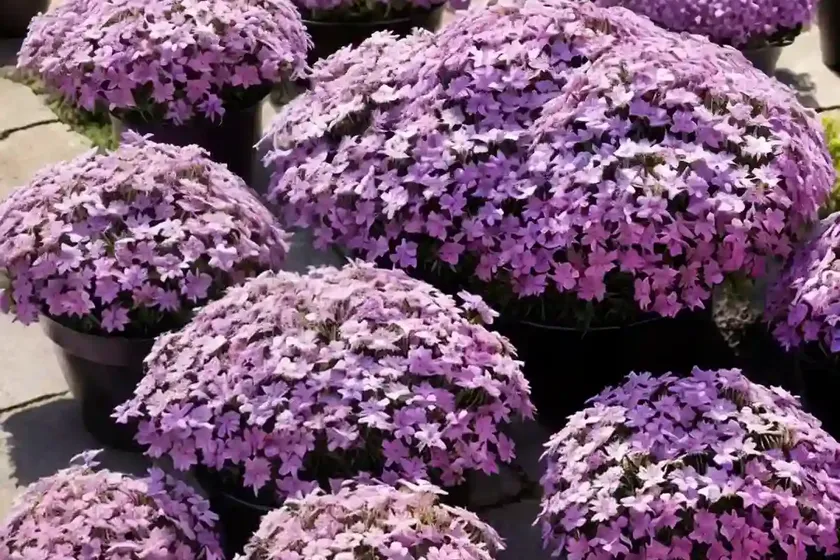
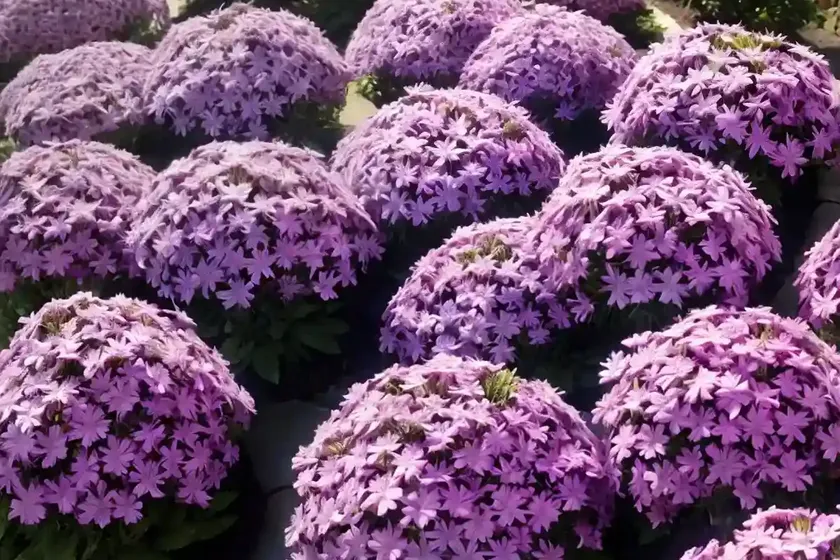
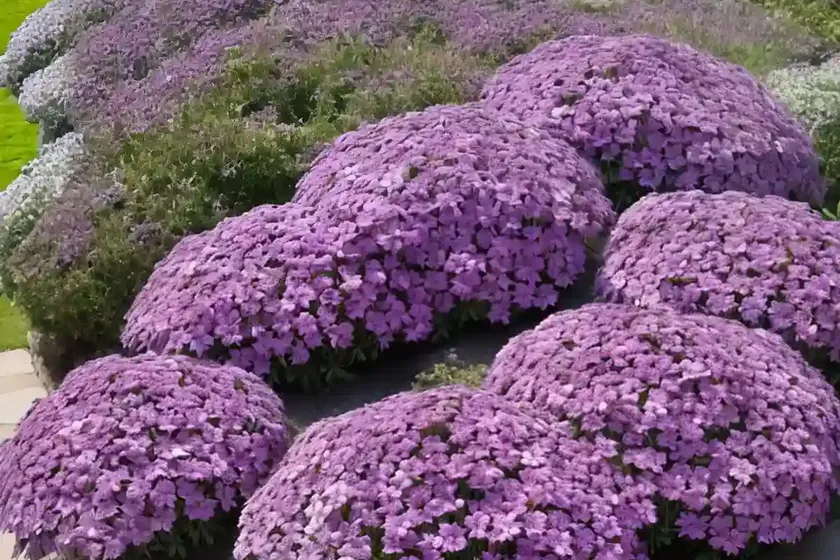
Phlox subulata ‘Purple Beauty’, also known as Creeping Phlox, is a stunning groundcover plant that has become a favorite in gardens and landscapes for its vibrant purple flowers and ease of maintenance. This beautiful perennial phlox variety belongs to the Polemoniaceae family and is highly regarded for its ability to create a carpet of colorful blooms that adds a touch of elegance to garden settings.
Throughout this comprehensive guide, we will explore the key characteristics, ideal growing conditions, care tips, and other essential aspects related to Phlox subulata ‘Purple Beauty’ (Creeping Phlox), including its cultural significance, uses in landscaping, preferred watering and sunlight requirements, fertilizer and soil needs, pruning guidelines, propagation methods, common pests and diseases, and much more.
What is Phlox subulata ‘Purple Beauty’ (Creeping Phlox)?
Phlox subulata ‘Purple Beauty’ is a low-growing perennial plant that is native to the eastern regions of the United States and Canada. This beautiful flowering plant is recognized for its sprawling, mat-forming growth habit, which makes it an excellent choice for groundcover and ornamental purposes. Its abundance of small, star-shaped flowers creates a unique visual appeal when in full bloom, making it a popular choice for gardeners and landscapers alike.
Key Takeaways – Phlox subulata ‘Purple Beauty’ (Creeping Phlox)
Here are the key takeaways for Phlox subulata ‘Purple Beauty’ (Creeping Phlox):
- Common Name: Creeping Phlox
- Scientific Name: Phlox subulata ‘Purple Beauty’
- Family: Polemoniaceae
- Type: Perennial
- Flower Color: Purple
- Bloom Time: Spring
- Mature Height: 4-6 inches
- Mature Spread: 12-18 inches
- Hardiness Zones: 2 to 9
Now, let’s delve deeper into the specific aspects of this beautiful groundcover plant.
Culture
Understanding the cultural requirements of Phlox subulata ‘Purple Beauty’ is essential for its successful growth and development. Here, we will explore the essential cultural aspects, including its uses, water requirements, sunlight preferences, fertilizer needs, soil preferences, pruning guidelines, propagation methods, and its popularity as a container plant.
Uses
Phlox subulata ‘Purple Beauty’ is widely used in landscaping and gardening for various purposes, owing to its unique attributes and beautiful appearance. Here are some common uses of Creeping Phlox:
- Groundcover: The sprawling and mat-forming growth habit of Creeping Phlox makes it an excellent choice for groundcover, where it can create a dense carpet of colorful blooms.
- Rock Gardens: Its low-growing nature and cascading blooms make it suitable for rock gardens, where it adds a vibrant and picturesque touch to the landscape.
- Borders and Edging: Due to its compact growth and eye-catching flowers, Creeping Phlox is often employed as a border plant or for edging garden beds, creating a charming visual appeal.
- Container Planting: This phlox variety is also popularly grown in containers, where it can cascade over the edges, providing a stunning display of flowers.
Water
Proper watering is crucial for the health and vitality of Phlox subulata ‘Purple Beauty’. While it is relatively drought-tolerant once established, it still requires regular watering, especially during dry spells and hot weather. Here are some essential watering guidelines for Creeping Phlox:
- Establishment: After planting, it is essential to provide adequate water to help the plant establish its root system. Therefore, regular watering is required during the initial few weeks.
- Subsequent Watering: Once established, Creeping Phlox generally requires around 1 inch of water per week, either from rainfall or irrigation.
- Avoid Overwatering: While it requires regular moisture, it is essential to avoid overwatering, as this can lead to root rot and other water-related issues.
Sunlight
Creeping Phlox thrives in full sunlight, making it an excellent choice for sunny locations in the garden. Here are some key points regarding its sunlight preferences:
- Full Sun: It is best to plant Creeping Phlox in a location that receives full sunlight for the majority of the day, as this promotes healthy growth and profuse blooming.
- Partial Shade: While it prefers full sun, it can also tolerate partial shade, especially in hotter climates, where some protection from intense afternoon sun can be beneficial.
Fertilizer
Appropriate fertilization plays a significant role in supporting the growth and blooming of Phlox subulata ‘Purple Beauty’. Here are some essential guidelines for fertilizing this groundcover plant:
- Spring Fertilization: In early spring, a balanced, all-purpose fertilizer can be applied around the base of the plant to provide essential nutrients for the upcoming growing season.
- Avoid Overfertilization: It is crucial to avoid overfertilizing, as excessive nutrients can lead to excessive foliage growth at the expense of flowers, and may cause other imbalances in the plant’s growth.
Soil
The soil conditions directly impact the health and performance of Creeping Phlox, making it crucial to understand its soil preferences. Here are the essential soil considerations for growing Phlox subulata ‘Purple Beauty’:
- Well-Draining Soil: It thrives in well-draining, loamy soil with a slightly acidic to neutral pH level, which provides optimal growing conditions and prevents waterlogging.
- Soil Amendments: Incorporating organic matter such as compost or well-rotted manure into the soil can improve its structure and fertility, promoting healthy growth of the plant.
Pruning
Pruning is an essential aspect of maintaining the health, appearance, and longevity of Phlox subulata ‘Purple Beauty’. Here are important pruning guidelines for Creeping Phlox:
- Deadheading: Removing spent flowers through deadheading not only maintains a tidy appearance but also encourages the plant to produce more blooms.
- Shearing: After the blooming period, a light shearing of the foliage can help stimulate new growth and promote a compact, bushy habit.
Propagation
Propagating Creeping Phlox can be an excellent way to expand its presence in the garden or to share its beauty with others. Here are some common methods for propagating Phlox subulata ‘Purple Beauty’:
- Division: In early spring or late summer, the plant can be divided by carefully separating the clumps and replanting them in suitable locations.
- Softwood Cuttings: Taking softwood cuttings in late spring to early summer and rooting them in a suitable growing medium can also be a successful method of propagation.
Container Popularity
Creeping Phlox is widely popular as a container plant, where its charming trailing habit and colorful blooms make it a delight to behold. Here are some key points highlighting its popularity as a container plant:
- Container Size: It is well-suited for hanging baskets, window boxes, and other containers with good drainage, allowing it to cascade over the edges and create a visually appealing display of flowers.
- Versatility: In containers, it can be used as a standalone plant or combined with other annuals or perennials to create stunning mixed plantings.
Now that we have explored the cultural aspects of Phlox subulata ‘Purple Beauty’, let’s delve into its significance in various horticultural practices and its preferred conditions for growth.
Common Diseases
Despite its resilience and relatively low susceptibility to diseases, Creeping Phlox can still be affected by certain fungal and bacterial issues. Here are some common diseases that may impact Phlox subulata ‘Purple Beauty’:
Powdery Mildew
Powdery mildew can be a potential issue for Creeping Phlox, especially in humid and poorly ventilated conditions. It is characterized by the development of white, powdery patches on the leaves and stems, which can affect the overall health and appearance of the plant.
Leaf Spot
Fungal leaf spot diseases can occasionally affect the foliage of Phlox subulata ‘Purple Beauty’, causing the formation of dark, often circular spots on the leaves. These spots may lead to the yellowing and premature dropping of the affected leaves.
Prevention and Management
To prevent and manage these diseases, it is essential to implement good cultural practices, including proper spacing between plants to promote air circulation, avoiding overhead watering, and promptly removing and disposing of any infected plant material. Additionally, using disease-resistant varieties and applying fungicidal treatments when necessary can help in controlling these issues.
Disease Diagnosis
Diagnosing diseases in Creeping Phlox can be crucial in implementing effective management strategies. Visual symptoms, such as abnormal leaf spots, discoloration, wilting, or the presence of powdery growth, can indicate potential disease issues. In such cases, it is advisable to consult with a horticulturist or plant health specialist for accurate diagnosis and appropriate treatment recommendations.
Common Pests
While generally resistant to most pest infestations, Creeping Phlox can still encounter certain pests that may impact its growth and appearance. Here are some common pests to be mindful of when cultivating Phlox subulata ‘Purple Beauty’:
Spider Mites
Spider mites are tiny arachnids that can infest the foliage of Creeping Phlox, causing stippling and discoloration of the leaves. Their presence is often accompanied by fine webbing on the plant, indicating their activity.
Aphids
Aphids are small, soft-bodied insects that may feed on the sap of the plant, causing distortion of the new growth and the potential transmission of viral diseases.
Prevention and Management
In most cases, natural predators such as ladybugs, lacewings, and predatory mites can help keep pest populations under control. However, if pest infestations become significant, targeted insecticidal treatments or the use of horticultural oils can be employed to manage these issues.
Botanist’s Tips
For plant enthusiasts and horticulturists looking to cultivate Phlox subulata ‘Purple Beauty’ with success, here are some expert tips to consider:
- Healthy Start: Ensure that the plant is sourced from a reputable nursery or supplier, and that it is free from any signs of diseases or pest damage.
- Proper Spacing: When planting Creeping Phlox, provide adequate spacing between individual plants to allow for proper airflow and prevent overcrowding.
- Regular Monitoring: Keep a close eye on the plant for any signs of diseases, pests, or nutrient deficiencies, and take prompt action if any issues are noticed.
- Appropriate Pruning: Regular deadheading and light shearing after the blooming period can help maintain the plant’s vigor and encourage a fuller, bushier habit.
- Soil Preparation: Prior to planting, ensure that the soil is well-draining and enriched with organic matter to provide a conducive growing environment for Creeping Phlox.
Fun Facts
Asides from its ornamental value and cultural significance, Creeping Phlox comes with some intriguing and delightful facts that further enhance its appeal. Here are a few fun facts about Phlox subulata ‘Purple Beauty’:
- Butterfly Magnet: The vibrant blooms of Creeping Phlox are highly attractive to butterflies, making it a valuable addition to butterfly gardens and wildlife-friendly landscapes.
- Pollinator Support: In addition to butterflies, the flowers of Creeping Phlox also draw in various pollinators, including bees and hummingbirds, contributing to ecological diversity in the garden.
- Rocky Terrain Plant: Creeping Phlox is well-suited for rocky terrains and slopes, where its trailing habit and ability to cascade over rocks add a natural and picturesque element to the landscape.
Links to External Resources
For further information and resources related to Phlox subulata ‘Purple Beauty’ (Creeping Phlox), please refer to the following:
- The American Phlox Society: The official website of The American Phlox Society offers valuable insights, resources, and expert guidance on various phlox species, including Creeping Phlox.
- The Royal Horticultural Society: The RHS website provides a wealth of information on growing and caring for ornamental plants, including detailed guidance on the cultivation of Creeping Phlox.
- University Extension Services: Many university extension services offer comprehensive guides and fact sheets on growing and maintaining ornamental plants, including Creeping Phlox, with region-specific recommendations.
Conclusion
Phlox subulata ‘Purple Beauty’ (Creeping Phlox) is a captivating and versatile perennial plant that has established its place as a favored groundcover in gardens and landscapes. Its stunning purple flowers, low-maintenance nature, and adaptability to various growing conditions make it an excellent choice for adding color, texture, and visual interest to garden settings.
By understanding its cultural requirements, including its water and sunlight preferences, soil and fertilizer needs, pruning guidelines, as well as its susceptibility to certain pests and diseases, gardeners and plant enthusiasts can cultivate and enjoy the beauty of Creeping Phlox with great success. Whether used as groundcover, in rock gardens, borders, or containers, Phlox subulata ‘Purple Beauty’ continues to captivate with its charm, making it a prized addition to horticultural endeavors.
Through the exploration of its key characteristics, uses, cultural significance, and botanist’s tips, this comprehensive guide aims to provide valuable insights into the world of Creeping Phlox, underscoring its significance in ornamental horticulture and the delight it brings to gardening enthusiasts.
Creeping Phlox serves as a testament to the beauty and diversity of the plant kingdom, enriching landscapes and fostering appreciation for the natural world.
References:
- “Phlox subulata ‘Purple Beauty’.” University of Florida Center for Landscape Conservation and Ecology, UF/IFAS Extension. https://gardeningsolutions.ifas.ufl.edu/plants/ornamentals/phlox.html
- “Phlox subulata ‘Purple Beauty’ | Creeping Phlox.” Missouri Botanical Garden, Plant Finder. https://www.missouribotanicalgarden.org/PlantFinder/PlantFinderDetails.aspx?kempercode=d190
- “Creeping Phlox.” Extension Gardener, North Carolina State University. https://content.ces.ncsu.edu/creeping-phlox


