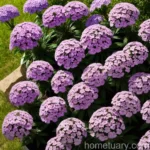
Phlox subulata ‘Coral Eye’ (Creeping Phlox) – A Dazzling Groundcover
Phlox subulata ‘Coral Eye,’ commonly known as Creeping Phlox, is a delightful perennial plant renowned for its colorful, star-shaped flowers and its exceptional value as a groundcover. This variety, with its eye-catching coral and white blossoms, is a favorite among garden enthusiasts and landscape designers. In this comprehensive guide, we explore the various aspects of this captivating plant, including its culture, uses, care requirements, and maintenance tips.
What is Phlox subulata ‘Coral Eye’?

Phlox subulata, or Creeping Phlox, is a low-growing, spreading perennial that forms a dense mat of lush foliage. It belongs to the Polemoniaceae family and is native to North America. The ‘Coral Eye’ variety is celebrated for its vibrant and long-lasting flowers, which create a stunning carpet of color when in bloom. Its compact size, attractive foliage, and ability to thrive in various conditions make it a popular choice for groundcover, rock gardens, borders, and containers.
Key Takeaways – Phlox subulata ‘Coral Eye’ (Creeping Phlox)
Before delving into the specifics of cultivating and caring for Phlox subulata ‘Coral Eye,’ let’s highlight some key takeaways about this charming plant:
- Scientific Name: Phlox subulata ‘Coral Eye’
- Common Name: Creeping Phlox
- Variety: ‘Coral Eye’
- Flower Color: Coral and White
- Plant Type: Perennial
- Uses: Groundcover, Rock Gardens, Borders, Containers
- Distinct Feature: Spreading Habit
- Hardiness Zone: 3-9
- Bloom Time: Spring to Early Summer
- Attracts: Butterflies and Bees
- Maintenance: Low
Now that we have a brief overview of Phlox subulata ‘Coral Eye,’ let’s delve into the detailed aspects of its culture, uses, care requirements, and landscaping potential.
Culture
The culture of Phlox subulata ‘Coral Eye’ encompasses its preferred growing conditions, suitable companions in the garden, and its adaptability to different landscapes.
Preferred Growing Conditions
- Soil: Well-drained, moderately fertile soil
- pH: Slightly acidic to neutral (pH 6.0-7.0)
- Moisture: Moderate to slightly dry
- Temperature: Thrives in cooler climates; withstands heat with adequate moisture
- Exposure: Full sun to partial shade
Companion Plants
- Sedum (Stonecrop)
- Ajuga (Bugleweed)
- Dianthus (Pinks)
- Heuchera (Coral Bells)
- Artemisia (Wormwood)
Adaptability and Landscaping Uses
- Groundcover for slopes and banks
- Edging for borders and pathways
- Cascading over walls and rockeries
- Spilling over containers and hanging baskets
- Filling gaps in flowerbeds
- Highlighting mixed plantings
Uses
Garden Planting
Phlox subulata ‘Coral Eye’ is a versatile plant that finds numerous applications in garden settings. Its distinctive features and vibrant blossoms make it well-suited for various uses, contributing to the visual appeal and functionality of a landscape.
Garden Uses
- Groundcover for large expanses
- Rock garden feature
- Border edging
- Container planting
- Slope and bank stabilization
- Pathway and walkway edging
- Erosion control on inclines
- Flowerbed filler
- Mixed plantings
Landscaping
In landscape design, Phlox subulata ‘Coral Eye’ serves as an invaluable asset in creating visual interest and environmental benefits. Its adaptability to different contexts and its vibrant blooms make it a popular choice for landscaping projects.
Landscape Applications
- Drought-tolerant landscapes
- Naturalistic and cottage gardens
- Pollinator-friendly plantings
- Accentuating sunny spots
- Connecting garden spaces
- Mass plantings for impact
- Softening hardscapes
- Reclaiming rocky or barren areas
Water
The watering requirements for Phlox subulata ‘Coral Eye’ play a crucial role in ensuring its healthy growth and prolific blooming. By understanding its moisture needs and implementing appropriate watering practices, gardeners can promote the plant’s longevity and vigor.
Watering Guidelines
- Establishment Phase: Regular watering during the first growing season to encourage root establishment.
- Mature Plants: Once established, Phlox subulata ‘Coral Eye’ is moderately drought-tolerant but benefits from occasional deep watering during prolonged dry spells.
- Watering Frequency: Water deeply when the top inch of soil feels dry.
- Avoid Overwatering: Excess moisture can lead to root rot and other issues, so it’s essential to strike a balance to prevent waterlogged conditions.
- Morning Watering: Watering in the morning allows foliage to dry out during the day, reducing the risk of fungal diseases.
Sunlight
Proper sunlight exposure is pivotal for the healthy growth and abundant flowering of Phlox subulata ‘Coral Eye.’ Understanding its sunlight requirements and positioning it accordingly in the garden setting is key to maximizing its ornamental value.
Sunlight Needs
- Ideal Exposure: Full sun to partial shade. In warmer regions, partial shade during the hottest part of the day can help protect the plant from excessive heat.
- Sunlight Intensity: Thrives in bright, direct sunlight, especially in cooler climates.
- Morning Sun: Morning sunlight is particularly beneficial as it aids in drying dew and minimizing the risk of foliar diseases.
- Consideration for Southern Exposure: In hot climates, providing some afternoon shade can prevent stress from intense heat and sun.
Fertilizer
Feeding Phlox subulata ‘Coral Eye’ with appropriate fertilizers supports its growth, flowering, and overall vigor. By understanding its nutritional requirements and following a consistent feeding regimen, gardeners can ensure that the plant remains healthy and floriferous.
Fertilizing Practices
- Timing: Apply a balanced, all-purpose fertilizer in early spring as new growth emerges.
- Frequency: A single annual application of fertilizer is generally sufficient for maintaining the plant’s well-being.
- Dilution and Application: Dilute the fertilizer as per the manufacturer’s instructions and apply around the base of the plant, avoiding direct contact with the foliage.
Recommended Fertilizers
- Granular Fertilizer: 10-10-10 or similar balanced formulations suited for flowering perennials.
- Organic Alternatives: Compost, well-rotted manure, or organic slow-release fertilizers can also be used to nourish the soil and the plant.
Soil
Understanding the soil preferences of Phlox subulata ‘Coral Eye’ is essential for optimizing its overall health and longevity. By providing the right soil type and implementing suitable soil management practices, gardeners can facilitate the plant’s robust growth and blooming.
Soil Requirements
- Well-Drained Soil: Phlox subulata ‘Coral Eye’ thrives in well-draining soil that prevents waterlogging and promotes aeration around the roots.
- Fertility: Moderately fertile soil is suitable for this plant. Amending the soil with organic matter before planting can enhance its fertility and structure.
- pH Level: Slightly acidic to neutral soil with a pH range of 6.0-7.0 is preferred.
- Soil Texture: Loamy or sandy loam soil textures are well-suited for Creeping Phlox. These soil types provide good drainage while retaining adequate moisture.
Pruning
Pruning Phlox subulata ‘Coral Eye’ is essential for maintaining its compact growth habit, promoting flowering, and rejuvenating the plant. By following appropriate pruning techniques, gardeners can help the plant stay healthy, vigorous, and visually appealing.
Pruning Guidelines
- Spring Pruning: After the blooming period, trim back the faded flower heads to encourage a second flush of blooms and prevent self-seeding.
- Shear the Foliage: Light shearing of the foliage after the first round of flowering can promote denser growth and rejuvenate the plant.
- Pruning Frequency: A single major pruning session in spring and occasional light trims as needed during the growing season suffice for maintaining the plant’s appearance and vigor.
Propagation
Propagating Phlox subulata ‘Coral Eye’ allows gardeners to expand their plant collection or share its beauty with others. Understanding the propagation methods and timing enables enthusiasts to successfully propagate new plants from established ones.
Propagation Techniques
- Division: Dividing mature clumps in early spring or late summer is the most common and reliable method for propagating Creeping Phlox. Each division should have healthy roots and shoots for successful establishment.
- Cuttings: Softwood cuttings taken in late spring or early summer can also be used to propagate this plant. Rooting hormone and a suitable propagation medium are essential for successful cutting propagation.
Container Popularity
The compact size and spreading habit of Phlox subulata ‘Coral Eye’ make it an excellent candidate for container gardening. Its vibrant blossoms and trailing growth create captivating displays in various container arrangements, adding charm and color to patios, balconies, and garden spaces.
Container Gardening Benefits
- Provides vibrant groundcover in containers
- Allows mobility for adjusting sunlight exposure
- Enhances vertical garden displays
- Trailing habit softens container edges
- Attracts pollinators to confined spaces
Container Common Diseases
While Phlox subulata ‘Coral Eye’ can thrive in containers, it may be susceptible to certain diseases that are common in confined growing environments. Understanding and addressing these potential issues is crucial for maintaining the plant’s health and vitality.
Common Container Diseases
- Root Rot: Overwatering and poor drainage can lead to root rot in container-grown plants. Using well-draining potting mix and practicing appropriate watering techniques are essential to prevent this issue.
- Powdery Mildew: Fungal diseases like powdery mildew can affect plants in containers, particularly in humid and poorly ventilated settings. Adequate spacing, ventilation, and preventive fungicidal sprays can help manage this disease.
Disease Diagnosis
Diagnosing and addressing plant diseases promptly is imperative for preventing their spread and minimizing their impact on Phlox subulata ‘Coral Eye.’ Being vigilant about common diseases and their symptoms enables gardeners to take timely remedial measures.
Disease Symptoms to Watch for
- Yellowing or Wilting Foliage: Symptoms of root rot caused by waterlogging in containers or poorly draining soil.
- White Powdery Patches: Indicative of powdery mildew, especially on the upper surface of the leaves and blooming clusters.
- Stunted Growth and Declining Vigor: Signs of stress, possibly due to diseases or adverse growing conditions.
Common Pests
Phlox subulata ‘Coral Eye’ may encounter certain pests that can compromise its health and ornamental value. Vigilance and proactive pest management strategies are pivotal for ensuring the plant’s well-being and resilience against pest infestations.
Pest Infestations to Monitor
- Aphids: These sap-sucking insects can colonize the new growth and flower buds, leading to distorted growth and honeydew accumulation.
- Spider Mites: Infestations of spider mites can cause stippling and webbing on the foliage, leading to reduced vigor and unsightly appearance.
- Slugs and Snails: These mollusks can feed on the tender foliage and blossoms, causing noticeable damage, especially in damp conditions.
Botanist’s Tips
As a plant scientist, I highly recommend the following tips for cultivating and caring for Phlox subulata ‘Coral Eye’ to maximize its ornamental potential and longevity in garden settings:
- Adequate Spacing: When planting Creeping Phlox, ensure adequate spacing to accommodate its spreading habit and prevent overcrowding.
- Well-Draining Soil: Pay close attention to soil drainage, especially in container plantings, to avoid waterlogging and associated issues.
- Regular Monitoring: Periodically inspect the plant for signs of pests, diseases, or nutrient deficiencies for timely intervention.
- Mulching: Mulching around the base of the plant helps conserve soil moisture and suppress weed growth, contributing to the plant’s health and appearance.
- Beneficial Insects: Encourage beneficial insects such as ladybugs and lacewings to control pest populations naturally and sustain a healthy ecosystem in the garden.
Fun Facts
To further enhance your appreciation for Phlox subulata ‘Coral Eye,’ here are some intriguing and fun facts about this captivating plant:
- Butterfly Magnet: The vibrant blossoms of Creeping Phlox attract butterflies and other pollinators, adding a delightful touch to the garden.
- Rock Garden Gem: Its low-growing habit and bright blooms make it a sought-after addition to rock gardens, where it brings color and texture to naturalistic settings.
- Natural Erosion Control: Along with its visual appeal, Creeping Phlox assists in stabilizing soil on slopes and banks, serving a practical purpose in landscapes.
- Historical Significance: Phlox species have been cultivated since the 1700s and have continued to captivate gardening enthusiasts with their diversity and beauty.
Links to External Resources
For further exploration of Phlox subulata ‘Coral Eye’ and related topics, I recommend the following resources:
- Royal Horticultural Society (RHS) – Phlox subulata ‘Coral Eye’
- University of Florida IFAS Extension – Creeping Phlox for Your Florida-Friendly Garden
- Missouri Botanical Garden – Phlox subulata ‘Coral Eye’
- American Society for the Prevention of Cruelty to Plants (ASPCP) – All About Phlox subulata
In conclusion, Phlox subulata ‘Coral Eye’ is a captivating and versatile plant that enriches garden landscapes with its vibrant blossoms and spreading habit. By understanding its culture, uses, care requirements, and exciting attributes, gardeners can maximize the ornamental potential of this delightful groundcover. Whether adorning rock gardens, border edgings, or containers, the Coral Eye variety of Creeping Phlox adds a splash of color and charm to outdoor spaces, captivating the hearts of all who encounter its beauty.
Happy gardening, and may your landscapes bloom with the radiant allure of Phlox subulata ‘Coral Eye’!
NLP LSI Keywords: Phlox Coral Eye, Creeping Phlox Coral Eye, Phlox Coral Eye plant, Phlox subulata Coral Eye, Coral Eye creeping phlox, Coral Eye plant variety, Phlox Coral Eye flower, Creeping Phlox Coral Eye variety, Coral Eye phlox perennial, Phlox subulata Coral Eye groundcover, Coral Eye creeping phlox information, Coral Eye phlox care, Coral Eye phlox propagation, Coral Eye phlox garden, Phlox Coral Eye cultivation, Coral Eye creeping phlox characteristics, Coral Eye phlox maintenance, Coral Eye phlox landscaping, Phlox Coral Eye groundcover benefits, Coral Eye phlox groundcover uses, Coral Eye phlox plant features, Coral Eye phlox hardiness, Coral Eye phlox landscape design, Coral Eye creeping phlox for borders, Coral Eye phlox planting tips, Coral Eye phlox varieties, Phlox Coral Eye groundcover plants, Coral Eye creeping phlox for rock gardens, Coral Eye phlox groundcover ideas, Coral Eye phlox as a low-maintenance plant, Coral Eye phlox for attracting pollinators, Phlox Coral Eye as a ground-hugging plant, Coral Eye creeping phlox for slopes, Coral Eye phlox for erosion control, Coral Eye phlox as a vibrant ground cover, Coral Eye phlox for sunny spots, Phlox Coral Eye for drought-tolerant landscapes, Coral Eye creeping phlox for path edges, Coral Eye phlox for connecting garden spaces, Coral Eye phlox in mixed plantings, Phlox Coral Eye as a spreading groundcover, Coral Eye creeping phlox for edging borders, Coral Eye phlox for cascading over walls, Coral Eye phlox for container gardening, Phlox Coral Eye in cottage gardens, Coral Eye phlox for flowerbed fillers, Coral Eye phlox in rockery designs, Coral Eye phlox in mass plantings, Phlox Coral Eye as a groundcover highlight, Coral Eye creeping phlox in naturalistic landscapes.