Pennisetum Alopecuroides ‘Red Head’ (Fountain Grass)
Fountain grasses are a popular choice for landscapes, gardens, and containers due to their graceful and elegant appearance. One particularly striking.
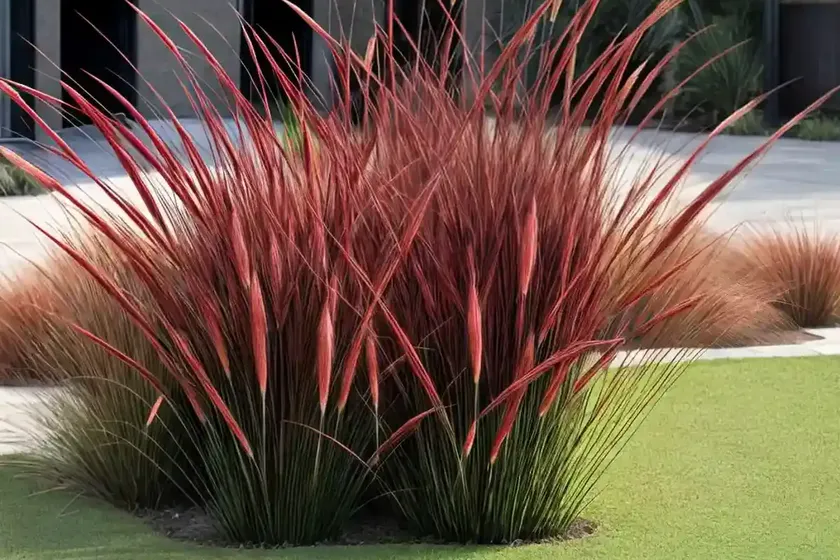
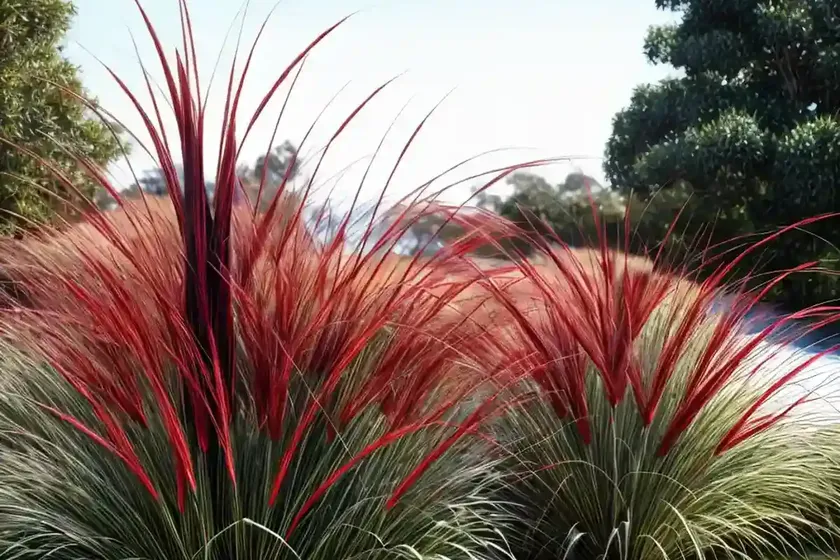
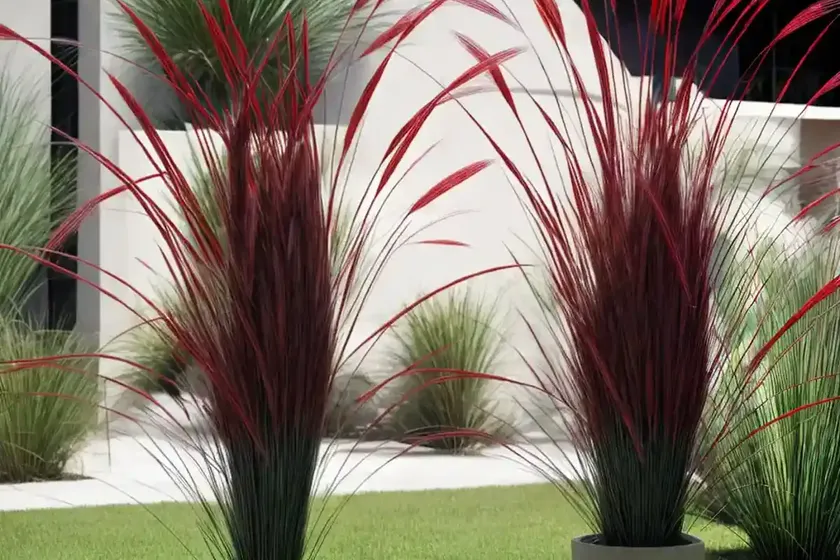
Fountain grasses are a popular choice for landscapes, gardens, and containers due to their graceful and elegant appearance. One particularly striking variety is the Pennisetum alopecuroides ‘Red Head’, commonly known as Fountain Grass ‘Red Head’. This cultivar is celebrated for its vibrant red-purple plumes that stand out in any setting, adding a touch of drama and allure to the landscape.
In this comprehensive guide, we will explore the key characteristics, growing requirements, maintenance tips, and landscape uses of Pennisetum alopecuroides ‘Red Head’. Whether you are a seasoned gardener or a novice enthusiast, this article aims to equip you with the knowledge and insights to cultivate and appreciate this stunning grass variety.
What is Pennisetum alopecuroides ‘Red Head’?
Pennisetum alopecuroides ‘Red Head’ is a deciduous perennial grass known for its attractive foliage and distinctive plumes. This ornamental grass belongs to the Poaceae family and is native to Asia and Australia.
This variety is characterized by its dense, arching clumps that produce striking bottlebrush-like inflorescences in late summer. The flower heads, which can reach a height of 8 to 12 inches, emerge with a rich green color before transitioning to a deep, eye-catching red-purple hue, hence the name ‘Red Head’.
Fountain Grass ‘Red Head’ offers a dynamic display throughout the seasons, with its foliage initially emerging as green with red highlights in spring and gradually maturing to a deeper green as the season progresses. Its fiery plumes, which reach an overall height of 3 to 4 feet, add an impressive vertical element to the landscape, making it a favored choice for garden designers and homeowners alike.
Key Takeaways – Pennisetum alopecuroides ‘Red Head’ (Fountain Grass)
At the heart of understanding and successfully cultivating Pennisetum alopecuroides ‘Red Head’ is gaining insights into its specific requirements and characteristics. Let’s delve into the key takeaways for this captivating variety.
Culture
- Cultivar Name: Pennisetum alopecuroides ‘Red Head’
- Common Name: Fountain Grass ‘Red Head’
- Plant Type: Ornamental Grass
- USDA Hardiness Zone: 5-9
- Mature Height: 3-4 feet
- Mature Spread: 2-3 feet
- Bloom Time: Late Summer to Early Fall
- Deciduous/Evergreen: Deciduous
Uses
- Landscape: Borders, Mass Plantings, Focal Points, Erosion Control, Ground Cover, Edging
- Garden: Mixed Plantings, Wildlife-Friendly Landscapes, Native Plant Gardens, Pollinator Gardens
- Container: Container Gardens
Water
- Watering Needs: Average water needs, consistently moist soil
- Drought Tolerance: Moderate
Sunlight
- Sun Requirements: Full sun to partial shade
- Tolerance to Heat and Cold: Heat-tolerant, Cold-hardy
Fertilizer
- Fertilization: Generally low maintenance, occasional fertilization in spring
Soil
- Soil Preferences: Well-draining, Loamy soil, Tolerant of a range of soil types
Pruning
- Maintenance: Low maintenance, Cut back in late winter or early spring to encourage new growth
- Pruning Tips: Remove dead foliage and flower heads, Trim to ground level if desired
Propagation
- Propagation Techniques: Division, Seed propagation
Container
- Container Placement: Suitable for containers, requires well-draining soil
- Container Care: Regular watering and occasional fertilization
Popularity
- Landscape Design: Popular choice for landscapes and garden design
- Garden Centers: Widely available at nurseries and garden centers
- Home Gardens: Favored for its ornamental value
Common Diseases
- Disease Prevention: Proper air circulation, Avoid overhead watering
- Disease Susceptibility: Generally resistant to diseases
Disease Diagnosis
- Signs of Disease: Yellowing foliage, Wilting, Rust or powdery mildew on leaves
- Treatment: Prune affected areas, Provide appropriate cultural care
Common Pests
- Pest Resilience: Generally resistant to pests
- Potential Pests: Aphids, Spider Mites
Botanist’s Tips
- Plant Pennisetum alopecuroides ‘Red Head’ in mass plantings for a captivating visual impact in the landscape.
- Pair this variety with complementary plants such as asters, sedums, or coneflowers to create a diverse and visually appealing garden bed.
- Incorporate Fountain Grass ‘Red Head’ in containers to bring its vibrant colors and unique texture to patios and balconies.
- Ensure well-draining soil and adequate sunlight to promote healthy growth and prolific flowering.
- Deadhead the spent blooms to encourage continuous flowering and maintain a neat appearance.
Fun Facts
- Fountain Grass ‘Red Head’ is a great choice for creating naturalistic landscapes and wildlife-friendly gardens due to its attractive plumes that provide food and habitat for birds and beneficial insects.
- This variety can also be used in cut flower arrangements, adding an exotic and playful element to floral displays.
- Pennisetum alopecuroides ‘Red Head’ exhibits wonderful color variations throughout the season, adding dynamic interest to the garden.
Links to External Resources
For further information on Pennisetum alopecuroides ‘Red Head’ and to explore its diverse uses and cultivations tips, consider the following resources:
- Missouri Botanical Garden – Pennisetum alopecuroides ‘Red Head’
- The Spruce – Fountain Grass (Pennisetum)
- Royal Horticultural Society – Pennisetum alopecuroides ‘Red Head’
- North Carolina State University – Fountain Grasses: Pennisetum spp.
By exploring these resources, you can gain a deeper understanding of the characteristics of Fountain Grass ‘Red Head’ and how to incorporate it effectively into your landscape or garden design.
In the following sections, we will delve into greater detail on the various aspects of caring for Pennisetum alopecuroides ‘Red Head’, as well as its potential challenges and how to address them effectively.
Plant Characteristics
Fountain Grass ‘Red Head’ Description
Pennisetum alopecuroides ‘Red Head’, commonly known as Fountain Grass ‘Red Head’, is a perennial ornamental grass that belongs to the Poaceae family. This cultivar is prized for its striking appearance and graceful form, making it a popular choice for landscaping and garden design.
The distinguishing features of Pennisetum alopecuroides ‘Red Head’ include its dense clumps of arching foliage and its unique inflorescences. The foliage initially emerges in spring with a green color tinged with red, gradually maturing into a deeper green hue as the season progresses. The real showstopper, however, is the emergence of the striking red-purple bottlebrush-like plumes in late summer, which soar to a height of 8 to 12 inches, creating a visual spectacle in the garden or landscape.
Pennisetum alopecuroides Red Head Variety Guide
Foliage and Plumes
- Foliage Color: Green with red highlights (spring), Deep green (summer)
- Inflorescence Color: Red-purple
- Foliage Height: 2-3 feet
- Inflorescence Height: 3-4 feet
Growth Habits
- Growth Rate: Moderate
- Clump Forming: Yes
- Dense Foliage: Yes
- Vertical Element: Yes
Year-Round Interest
- Ornamental Foliage: Yes
- Seasonal Plumes: Yes
- Winter Interest: Dried plumes add aesthetic interest in winter
Landscape Uses
Pennisetum alopecuroides ‘Red Head’ offers a range of landscape and garden uses, making it a versatile and valuable addition to outdoor spaces. The distinctive features of this variety lend themselves to various design concepts and horticultural applications.
Borders, Mass Plantings, and Edging
- Create defined borders and edges in the landscape with the dense and graceful foliage of Fountain Grass ‘Red Head’.
- Mass plantings of this variety produce a captivating visual impact, particularly when the rich red-purple plumes emerge in late summer and early fall.
Focal Points and Mixed Plantings
- Use Pennisetum alopecuroides ‘Red Head’ as a standout feature, drawing attention as a focal point in garden beds or containers.
- Integrate this variety into mixed plantings to add texture, movement, and seasonal interest.
Erosion Control and Ground Cover
- The stable clumping habit of Fountain Grass ‘Red Head’ makes it an effective choice for controlling erosion in sloped landscapes.
- When planted in drifts, this variety can also serve as an attractive ground cover, providing visual interest and soil stabilization.
Container Gardens and Cut Flowers
- The vibrant coloration and elegant form of Pennisetum alopecuroides ‘Red Head’ make it an ideal candidate for container gardens on patios, balconies, or entryways.
- Additionally, the striking plumes can be utilized as cut flowers, adding a playful and exotic touch to floral arrangements.
Wildlife-Friendly Landscapes
- The plumes of Fountain Grass ‘Red Head’ provide food and habitat for birds, making it a valuable addition to wildlife-friendly landscapes.
- It also attracts beneficial insects, contributing to the ecological diversity of the garden.
Climate Adaptability
Pennisetum alopecuroides ‘Red Head’ thrives in a range of climatic conditions and exhibits notable adaptability to both heat and cold. Its resilience to varying temperatures makes it a suitable option for gardeners in diverse geographic regions.
Sun Requirements and Water-Wise Landscaping
- This variety prefers full sun to partial shade, making it versatile in its placement within the landscape.
- The moderate drought tolerance of Fountain Grass ‘Red Head’ contributes to water-wise landscaping practices, particularly in regions with limited water availability.
Summer Care and Winter Maintenance
- During the summer months, ensure that the soil remains consistently moist for optimal growth and flowering.
- In winter, the dried plumes of Pennisetum alopecuroides ‘Red Head’ add aesthetic interest to the landscape, contributing to its year-round appeal.
Growing Pennisetum alopecuroides ‘Red Head’
Sunlight Requirements
Fountain Grass ‘Red Head’ thrives in sun-drenched locations, making it an excellent candidate for sunny borders, open garden beds, or container gardens. When cultivated in partial shade, it can still perform admirably, though its flowering potential may be slightly reduced.
Landscape Design Ideas
- Utilize the sun-loving nature of Pennisetum alopecuroides ‘Red Head’ to brighten up garden beds, borders, and open landscapes.
- Position it strategically to capture the sunlight and showcase its vibrant plumes in the most visually impactful manner.
Watering Needs and Soil Preferences
To promote healthy growth and prolific flowering, ensure that Fountain Grass ‘Red Head’ receives adequate moisture. While it exhibits moderate drought tolerance, consistent watering is essential, particularly during periods of intense heat or prolonged dry spells.
- Watering Frequency: Regular, to maintain moist but not waterlogged soil
- Soil Drainage: Well-draining soil is paramount to prevent waterlogging, which can lead to root rot and other moisture-related issues.
Fertilization and Maintenance
Pennisetum alopecuroides ‘Red Head’ is generally low maintenance and does not require frequent fertilization. However, an occasional application of a balanced fertilizer in spring can provide a nutrient boost, supporting healthy foliage and abundant flowering.
- Fertilizer Application: Apply a slow-release balanced fertilizer in early spring, following the manufacturer’s recommendations for application rates.
Pruning Tips and Winter Care
As the winter season transitions into spring, consider pruning Fountain Grass ‘Red Head’ to rejuvenate its growth and maintain its appealing appearance. Pruning also serves to remove any dead foliage and spent flower heads, promoting new growth and ensuring a tidy and well-kept landscape.
- Pruning Time: Late winter to early spring, before new growth emerges
- Pruning Technique: Trim back the foliage and plumes, cutting them to ground level if desired
Propagation Techniques
Division
Dividing Pennisetum alopecuroides ‘Red Head’ is an effective means of propagation, allowing gardeners to expand their plantings and introduce this captivating variety to new areas of the landscape.
- Timing: Early spring, before new growth begins
- Method: Carefully dig up mature clumps, ensuring that each division has adequate roots, and replant them in suitable locations.
Seed Propagation
While less commonly utilized than division, seed propagation can also be employed to propagate Fountain Grass ‘Red Head’. Recognize that this method may require more time to establish mature and flourishing plants.
- Seed Collection: Allow the plumes to mature and dry on the plant, then collect the seeds for sowing.
- Sowing: Sow the seeds in well-prepared soil in the desired planting location.
Disease Prevention and Pest Management
Disease Prevention
To ensure the long-term health and vitality of Fountain Grass ‘Red Head’, proactive disease prevention measures are essential. Be attentive to any signs of disease and take appropriate actions to mitigate potential issues.
- Proper Air Circulation: Maintain adequate spacing between plants to promote air circulation, reducing the risk of fungal diseases.
- Avoid Overhead Watering: Water at the base of the plant to minimize moisture on the foliage, which can contribute to fungal infections.
Common Diseases and Diagnosis
Signs of Disease
- Yellowing Foliage: May indicate nutrient deficiencies, watering issues, or disease
- Wilting: Can be caused by root rot, overwatering, or fungal infections
- Rust or Powdery Mildew on Leaves: Fungal infections that can affect the overall health of the plant
Treatment
- Pruning: Remove any affected foliage or plumes to prevent the spread of diseases.
- Cultural Care: Provide optimal growing conditions, including adequate sunlight and moisture, to promote the plant’s natural defenses against diseases.
Pest Resilience and Potential Pests
Fountain Grass ‘Red Head’ exhibits a level of resilience to common plant pests, though occasional vigilance may be necessary to address potential pest infestations and maintain the plant’s health and vigor.
Potential Pests
- Aphids: Keep a lookout for clusters of small, soft-bodied insects on the foliage, particularly in warmer weather.
- Spider Mites: Monitor the undersides of the leaves for signs of fine webbing and stippled discoloration, indicative of spider mite activity.
Red Head Fountain Grass Care Instructions and Tips
Watering and Sunlight
- Provide consistent moisture, ensuring that the soil remains evenly moist without becoming waterlogged.
- Position Pennisetum alopecuroides ‘Red Head’ in locations that receive full sun for optimal growth and flowering potential.
Soil and Fertilizer
- Utilize well-draining, loamy soil to support healthy root development and prevent waterlogged conditions.
- Apply a slow-release balanced fertilizer in spring to supply essential nutrients for robust growth and vibrant plumes.
Pruning and Maintenance
- Prune back the foliage and plumes in late winter or early spring to rejuvenate the plant and promote new growth.
- Remove any dead or diseased foliage throughout the growing season to maintain the plant’s health and aesthetic appeal.
Propagation and Landscape Design
- Consider propagating Pennisetum alopecuroides ‘Red Head’ through division or seed propagation to expand your plantings or share this striking variety with fellow gardeners.
- Explore the diverse landscape uses of Fountain Grass ‘Red Head’, incorporating it into borders, mass plantings, container gardens, and wildlife-friendly landscapes.
Disease Prevention and Pest Management
- Proactively monitor the plant for signs of disease, taking preventive measures to promote its vigor and resilience.
- Keep a vigilant eye on potential pest activity, addressing any infestations promptly to safeguard the plant’s health.
Conclusion
Pennisetum alopecuroides ‘Red Head’, or Fountain Grass ‘Red Head’, is an enchanting and versatile ornamental grass that adds depth, texture, and color to landscapes, gardens, and containers. Its striking red-purple plumes and graceful foliage make it an alluring choice for gardeners and landscape designers seeking to introduce dynamic interest and visual impact to outdoor spaces.
By adhering to the specific care and cultivation instructions, as well as incorporating the Botanist’s Tips and practical insights from this comprehensive guide, you can successfully nurture and showcase the distinctive beauty of Pennisetum alopecuroides ‘Red Head’ in your outdoor environment.
Owning a garden with Pennisetum alopecuroides ‘Red Head’ can be a serene, beautiful hobby, so consider this informative guide as a valuable resource on your journey to cultivating and appreciating the captivating allure of Fountain Grass ‘Red Head’.
The information provided in this article aims to equip plant enthusiasts and gardeners with detailed insights into the characteristics, growing requirements, maintenance tips, and landscape uses of the Pennisetum alopecuroides ‘Red Head’ (Fountain Grass). This comprehensive guide offers valuable insights and practical recommendations for cultivating and appreciating the distinctive appeal of this striking ornamental grass variety. For additional information on specific cultivation practices, disease management, and landscape design, readers are encouraged to explore the referenced external resources for further exploration and guidance.


