Phlox Paniculata Flame Purple Eye (Garden Phlox)
Phlox paniculata ‘Flame Purple Eye’, commonly known as Garden Phlox, is a beautiful and vibrant perennial plant that adds color and charm to any garden..
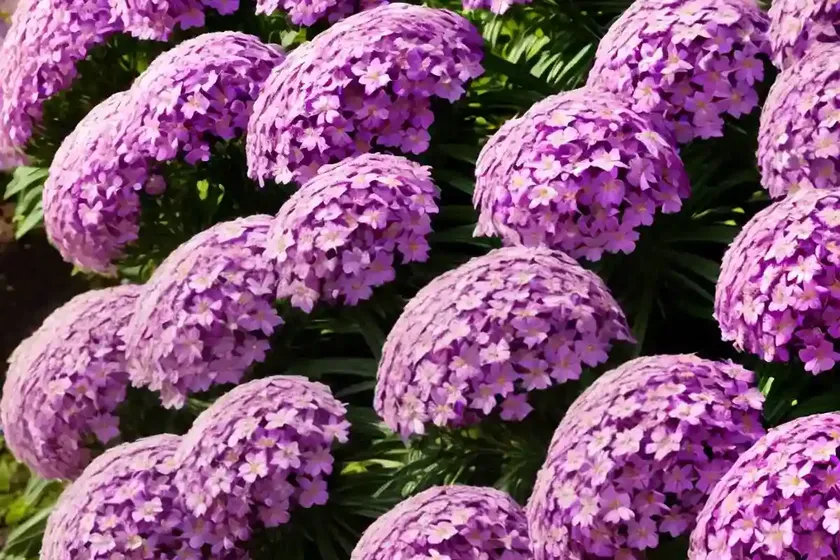
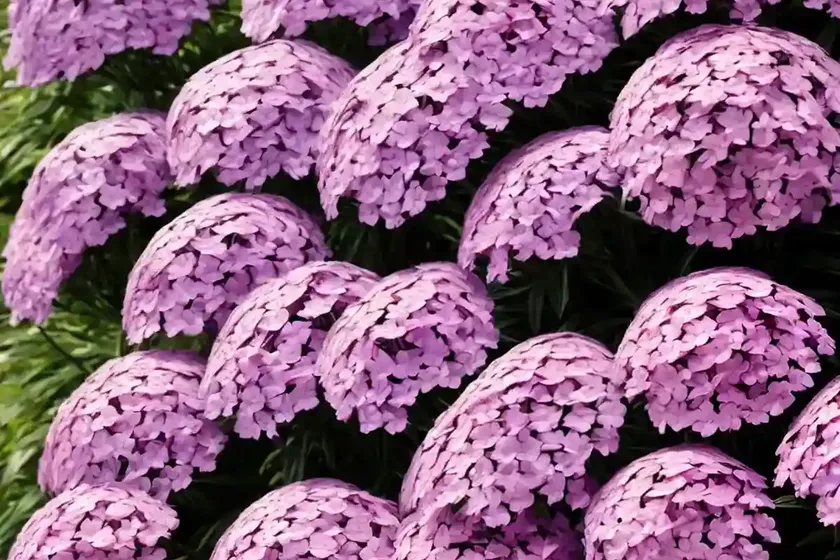
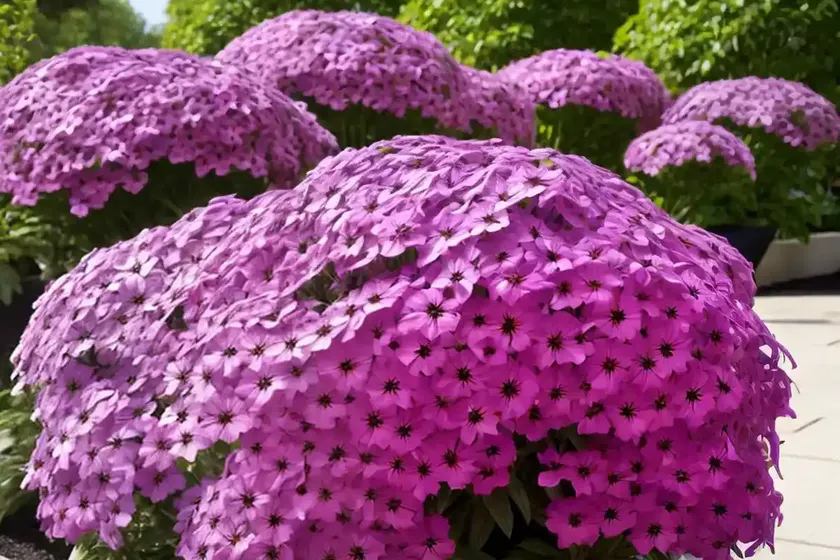
Phlox paniculata ‘Flame Purple Eye’, commonly known as Garden Phlox, is a beautiful and vibrant perennial plant that adds color and charm to any garden. With its stunning blooms and ease of care, it is a favorite among many gardeners. In this comprehensive guide, we will delve into the various aspects of this plant, including its culture, uses, maintenance, and much more. Whether you are a novice gardener or an experienced botanist, this guide will provide you with valuable insights into the world of Phlox paniculata ‘Flame Purple Eye’.
What is Phlox Paniculata ‘Flame Purple Eye’?
Phlox paniculata ‘Flame Purple Eye’ is a member of the Polemoniaceae family, native to North America. It is a herbaceous perennial that typically grows in upright clumps, reaching a height of 2-4 feet and a spread of 1-3 feet. This cultivar is characterized by its striking clusters of fragrant, vibrant flowers, which bloom in summer, attracting butterflies and hummingbirds to the garden. The ‘Flame Purple Eye’ variety specifically features lovely lavender-pink petals with a contrasting dark purple eye at the center of each flower, creating a visually captivating display.
Key Takeaways – Phlox Paniculata ‘Flame Purple Eye’
Before we delve into the detailed aspects of caring for Phlox paniculata ‘Flame Purple Eye’, let’s overview the key takeaways:
– Culture: Understanding the plant’s cultural requirements, including its preferred growing conditions and maintenance practices.
– Uses: Exploring the versatile uses of Garden Phlox in landscaping and its potential benefits for pollinators.
– Water: Learning about the ideal watering practices to ensure the plant’s vitality and longevity.
– Sunlight: Identifying the optimal sunlight conditions essential for the plant’s growth and flower production.
– Fertilizer: Knowing the appropriate fertilization strategies to support the plant’s nutritional needs.
– Soil: Exploring the soil preferences and requirements for Phlox paniculata ‘Flame Purple Eye’ to thrive.
– Pruning: Understanding the significance of pruning and the techniques for promoting healthy growth and bloom production.
– Propagation: Exploring the methods of propagating Garden Phlox to expand your garden or share with others.
– Container Popularity: Recognizing the suitability of growing Phlox paniculata ‘Flame Purple Eye’ in containers.
– Common Diseases: Identifying potential diseases and their management to safeguard the plant’s health.
– Common Pests: Understanding the common pests that may affect Garden Phlox and effective pest control measures.
– Botanist’s Tips: Gaining insights and tips from experienced botanists on cultivating and caring for this plant.
– Fun Facts: Discovering interesting and lesser-known facts about Phlox paniculata ‘Flame Purple Eye’.
– Links to External Resources: Accessing additional references and resources for further exploration and knowledge enhancement.
Now, let’s explore each aspect in detail to gain a comprehensive understanding of Phlox paniculata ‘Flame Purple Eye’.
Culture
Understanding the cultural requirements of a plant is crucial for its successful growth and development. Here are the essential cultural aspects to consider when cultivating Phlox paniculata ‘Flame Purple Eye’.
Water
Proper watering is essential for the health and vitality of Garden Phlox. While it is important to keep the soil consistently moist, it is equally crucial to ensure good drainage to prevent waterlogged conditions. Inadequate drainage can lead to root rot and other issues. A balance between moist soil and good drainage is the key to thriving Phlox paniculata ‘Flame Purple Eye’.
Watering Tips:
– Water consistently to keep the soil evenly moist, especially during dry spells and hot weather.
– Avoid overwatering, as it can lead to root rot and other water-related issues.
– Water at the base of the plant to minimize moisture on the foliage, which can contribute to disease development.
Sunlight
Garden Phlox thrives in full sun to partial shade conditions. However, it tends to produce the most prolific blooms when grown in full sun. Adequate sunlight exposure is essential for the plant’s energy production and overall vigor. In regions with intense summer heat, providing some afternoon shade can be beneficial.
Sunlight Requirements:
– Ideally, provide 6-8 hours of direct sunlight daily for optimal growth and flower production.
– In hot climates, provide partial shade during the hottest part of the day to prevent stress on the plant.
Fertilizer
Appropriate fertilization can significantly impact the growth and flowering of Phlox paniculata ‘Flame Purple Eye’. A balanced, slow-release fertilizer can provide the necessary nutrients to support the plant’s overall health and vigor. Choose a fertilizer with a higher middle number (phosphorus) to promote flower production.
Fertilization Guidelines:
– Apply a balanced, slow-release fertilizer in early spring before new growth emerges.
– Reapply fertilizer in midsummer to provide an additional nutrient boost for continued growth and blooming.
Soil
The soil quality and composition play a crucial role in the successful cultivation of Garden Phlox. Well-draining, fertile soil with a slightly acidic to neutral pH is ideal for this plant. Amending the soil with organic matter can improve its structure and nutrient-holding capacity.
Soil Preferences:
– Choose well-draining, loamy soil with a pH range of 6.5 to 7.0 for optimal growth.
– Incorporate organic matter such as compost or well-rotted manure to enhance soil fertility and texture.
Pruning
Pruning is an essential maintenance practice that can promote healthier growth, prolong flowering, and prevent the plant from becoming crowded and susceptible to diseases. Regular deadheading of spent blooms can encourage the production of new flowers and prevent self-seeding.
Pruning Techniques:
– Deadhead spent blooms regularly to stimulate the development of new flower buds.
– Cut back the stems to the basal foliage in late fall or early spring to renew the plant and maintain its vigor.
Uses
Garden Phlox, with its vibrant blooms and easy-to-care-for nature, holds several valuable uses in landscaping and garden design. Understanding its versatile applications can help gardeners make the most of this beautiful perennial plant.
Landscaping
Phlox paniculata ‘Flame Purple Eye’ is a stunning addition to flower beds, borders, and cottage gardens. Its tall, upright growth habit and prolific blooms make it a standout feature in mixed perennial plantings. When mass-planted, it can create visually striking displays of color, attracting various pollinators to the garden.
Landscaping Tips:
– Plant in groups or clusters to create a bold visual impact in the garden.
– Combine with other sun-loving perennials and annuals for vibrant mixed borders and beds.
Pollinator Support
The nectar-rich flowers of Garden Phlox are highly attractive to butterflies, hummingbirds, and other beneficial pollinators. By incorporating this plant into garden designs, gardeners can contribute to the support and conservation of pollinator populations.
Pollinator Gardening:
– Include Phlox paniculata ‘Flame Purple Eye’ in pollinator-friendly garden designs to attract and support butterflies and hummingbirds.
– Create a diverse range of nectar-rich plants to provide food sources for various pollinators throughout the growing season.
To be continued…
References:
1. American Phlox Society, Garden Phlox. Link
2. Missouri Botanical Garden, Phlox paniculata. Link
3. Colorado State University Extension, Attracting Butterflies to the Garden. Link


