Phlox paniculata ‘David’ (Garden Phlox): A Comprehensive Guide
Phlox paniculata ‘David,’ commonly known as Garden Phlox, is a stunning perennial plant that is treasured by gardeners for its delicate, fragrant flowers and ease of cultivation. In this comprehensive guide, we will delve into the various aspects of caring for and cultivating Phlox paniculata ‘David,’ including its cultural requirements, uses, maintenance, and common diseases and pests. Whether you are a beginner or a seasoned gardener, this guide will provide you with valuable insights into growing and maintaining Garden Phlox ‘David’ to ensure its flourishing presence in your garden.
What is Phlox paniculata ‘David’ (Garden Phlox)?
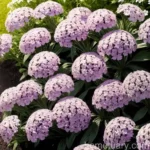
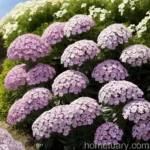
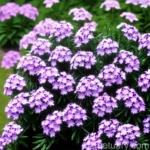
Garden Phlox, scientifically known as Phlox paniculata ‘David,’ is a herbaceous perennial belonging to the Polemoniaceae family. Native to North America, this plant is renowned for its prolific clusters of fragrant flowers that bloom in an array of colors, including white, pink, red, and lavender. With its captivating floral display and easy-to-care-for nature, Garden Phlox has earned its status as a cherished addition to gardens and landscapes.
Key Takeaways – Phlox paniculata ‘David’ (Garden Phlox)
Before delving into the specifics of cultivating and caring for Phlox paniculata ‘David,’ let’s outline the key takeaways that will guide our exploration of this captivating plant:
- Culture
- Uses
- Water
- Sunlight
- Fertilizer
- Soil
- Pruning
- Propagation
- Container Popularity
- Common Diseases
- Disease Diagnosis
- Common Pests
- Botanist’s Tips
- Fun Facts
- Links to External Resources
Now, let’s delve into each of these aspects to gain a deeper understanding of this remarkable plant and how to best nurture it in your garden.
Culture
Uses
Garden Phlox ‘David’ has a multitude of uses in garden and landscape settings. It can be utilized in various ways, including:
- Borders: Garden Phlox is commonly used to create vibrant borders in gardens due to its abundant and colorful blooms.
- Cut Flowers: The fragrant and long-lasting flowers of Phlox paniculata ‘David’ make it an excellent choice for fresh floral arrangements.
- Pollinator Garden: It attracts pollinators such as butterflies and hummingbirds, making it a valuable addition to pollinator-friendly gardens.
Water
Proper watering is essential for the health and vigor of Garden Phlox ‘David.’ Here are some key points to consider in watering this plant:
- Regular Watering: Maintain consistent soil moisture, especially during hot and dry periods, to support optimal growth and flowering.
- Avoid Overwatering: While sufficient moisture is crucial, overwatering can lead to root rot and other water-related issues. Ensure proper drainage to prevent waterlogging.
Sunlight
Light is a critical factor in the cultivation of Phlox paniculata ‘David.’ Here are the sunlight requirements for this plant:
- Full Sun to Part Shade: Garden Phlox thrives in full sun to partial shade conditions. Provide at least 6 hours of direct sunlight for abundant flowering.
- Shade Tolerance: It can tolerate some shade, but the flowering may be less prolific in shadier locations.
Fertilizer
Fertilizing Garden Phlox ‘David’ can enhance its growth and flowering. Consider the following tips for fertilizing this plant:
- Balanced Fertilizer: Use a balanced, slow-release fertilizer to provide essential nutrients without promoting excessive foliage growth at the expense of flowers.
- Spring Feeding: Apply a balanced fertilizer in spring as new growth emerges to support the upcoming blooming season.
Soil
The right soil conditions are crucial for the health and vitality of Phlox paniculata ‘David.’ Here are some soil considerations for this plant:
- Well-Draining Soil: Garden Phlox prefers well-draining soil to prevent waterlogging and root rot.
- pH Level: It thrives in slightly acidic to neutral soil with a pH range of 6.0 to 7.0.
Pruning
Pruning plays a significant role in promoting the health and longevity of Garden Phlox ‘David.’ Consider the following pruning techniques for this plant:
- Deadheading: Remove spent blooms to encourage continuous flowering and prevent the plant from expending energy on seed production.
- Trimming: Trim back any damaged or leggy growth to maintain a neat and compact appearance.
Propagation
Garden Phlox ‘David’ can be propagated through various methods, including division and seed propagation. Here’s an overview of the propagation techniques for this plant:
- Division: Divide mature clumps of Phlox paniculata ‘David’ in early spring or fall to create new plants and rejuvenate established ones.
- Seed Propagation: Collect and sow seeds in the garden or containers in spring, and provide the appropriate conditions for germination.
Container Popularity
Garden Phlox ‘David’ is well-suited for container cultivation, allowing it to grace patios, balconies, and other outdoor spaces with its vibrant blooms. Consider the following points when growing Phlox paniculata ‘David’ in containers:
- Container Size: Use a sufficiently large container to accommodate the plant’s root system and provide ample space for growth.
- Well-Draining Soil: Select a high-quality potting mix that ensures good drainage, as excessive moisture retention can lead to root issues in containers.
- Sunlight: Place the container in a location that receives an adequate amount of sunlight to support healthy growth and flowering.
Common Diseases
Despite its resilience, Garden Phlox ‘David’ is susceptible to certain diseases that can impact its health and appearance. Here are some common diseases that may affect Phlox paniculata ‘David,’ along with measures for prevention and management:
Disease Diagnosis
Accurately identifying diseases is crucial for implementing effective control measures. Here are some common diseases of Garden Phlox ‘David’ and techniques for diagnosis:
- Powdery Mildew: Characterized by a powdery white coating on leaves and stems. It thrives in humid conditions and can be diagnosed visually.
- Botrytis Blight: Causes brown spots and mold on flowers and foliage. Diagnosis involves observing the characteristic symptoms and environmental conditions favoring the disease.
Disease Prevention
Preventive measures can help mitigate the risk of diseases affecting Phlox paniculata ‘David.’ Consider the following strategies to prevent common diseases:
- Good Air Circulation: Ensure adequate air movement around the plants to reduce humidity and minimize conditions favorable for disease development.
- Avoid Overhead Watering: Water at the base of the plant to minimize moisture on the foliage, which can contribute to disease.
Common Pests
In addition to diseases, Garden Phlox ‘David’ may be affected by various pests that can weaken the plant and diminish its ornamental value. Here are some common pests that may infest Phlox paniculata ‘David’ and strategies for pest management:
Botanist’s Tips
As a botanist specializing in perennials, including Phlox paniculata ‘David,’ I’ve gathered some invaluable tips for cultivating and caring for this plant. Consider these expert insights to ensure the optimal health and beauty of Garden Phlox ‘David’ in your garden:
- Mulching: Apply a layer of organic mulch around the base of the plant to conserve moisture, suppress weeds, and insulate the roots from temperature extremes.
- Supporting Tall Cultivars: Install stakes or other support structures for taller varieties to prevent the stems from flopping and ensure an upright growth habit.
- Companion Planting: Pair Garden Phlox ‘David’ with complementary plants, such as Echinacea and Rudbeckia, to create visually appealing and ecologically beneficial plant combinations.
Fun Facts
To further appreciate the allure of Phlox paniculata ‘David,’ here are some intriguing and delightful facts about this beloved perennial:
- Historical Significance: Phlox has been cultivated for centuries and holds historical significance, with Native American tribes using certain species for medicinal and ceremonial purposes.
- Fragrant Varieties: Some cultivars of Garden Phlox, including ‘David,’ boast delightfully fragrant flowers that perfume the garden with their sweet scent.
- Butterfly Magnet: Garden Phlox ‘David’ is a favorite nectar source for butterflies, adding to its appeal as a pollinator-friendly plant.
Links to External Resources
For further information and insights into the care and cultivation of Garden Phlox ‘David,’ I recommend exploring the following reputable resources:
- The American Phlox Society: A valuable source of information on Phlox species, including tips for growing and caring for Garden Phlox varieties.
- University Extension Resources: Many university extension websites offer comprehensive guides to growing perennials, which may include specific information on Garden Phlox ‘David.’
In conclusion, Phlox paniculata ‘David’ (Garden Phlox) is a captivating and versatile perennial that enriches gardens with its profusion of fragrant blooms and ease of care. By following the guidelines and recommendations outlined in this comprehensive guide, you can cultivate and maintain thriving specimens of Garden Phlox ‘David’ in your own garden, reveling in their beauty and welcoming their presence as a beloved perennial favorite.
Happy Gardening with Phlox paniculata ‘David’!