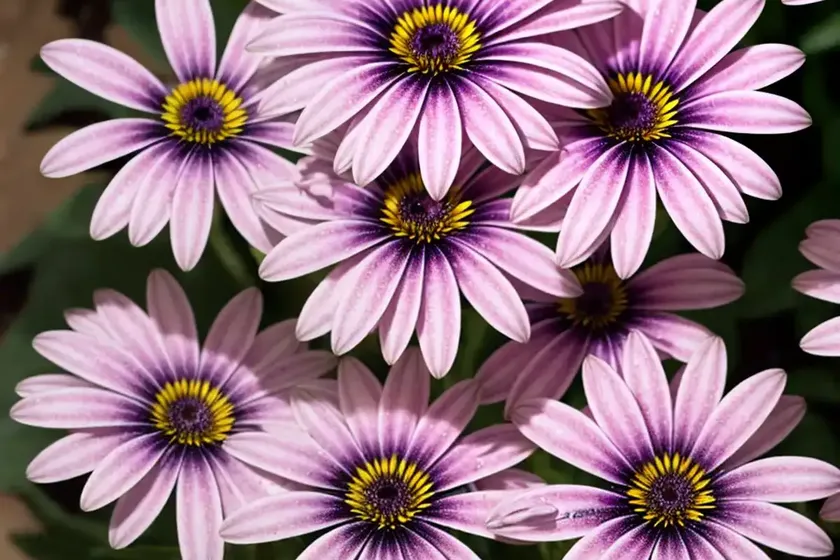
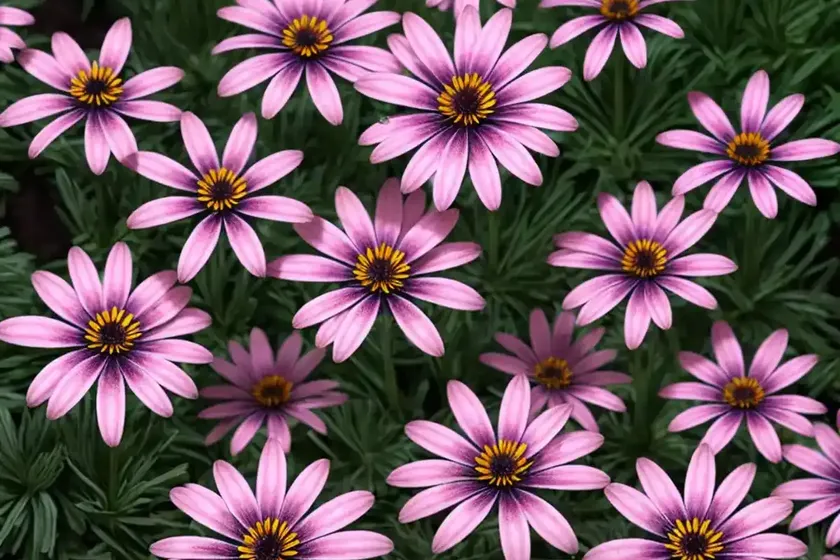
Osteospermum ‘Serenity Pink Magic’ (African Daisy)
Plants play a crucial role in enhancing the beauty of our surroundings while also providing various benefits, such as improving air quality and supporting.
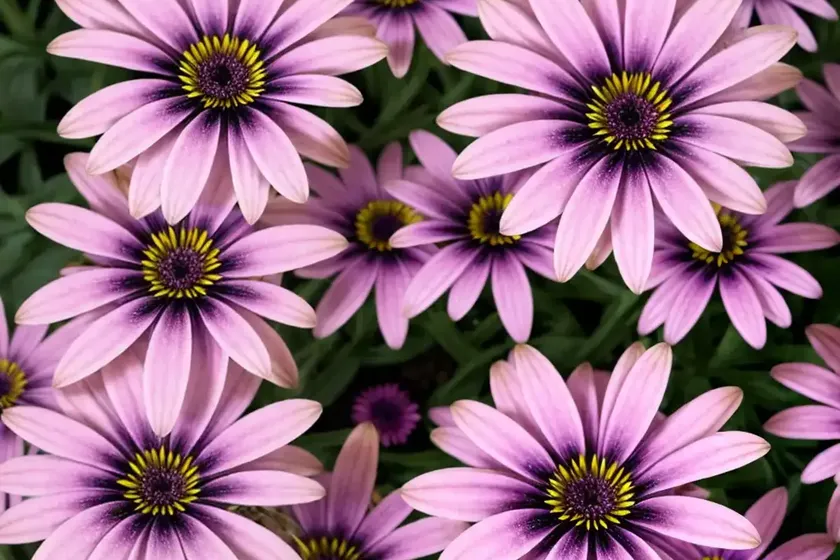
Plants play a crucial role in enhancing the beauty of our surroundings while also providing various benefits, such as improving air quality and supporting wildlife. Among the wide array of plant species, the Osteospermum ‘Serenity Pink Magic’, commonly known as African Daisy, stands out with its captivating flowers and low maintenance requirements. In this comprehensive guide, we will delve into the key aspects of this stunning plant, including its cultural requirements, uses, care instructions, common diseases, and much more. Whether you are an experienced gardener or just beginning your journey in horticulture, this article aims to equip you with the knowledge and tips needed to cultivate and care for the Osteospermum ‘Serenity Pink Magic’ successfully.
Key Takeaways – Osteospermum ‘Serenity Pink Magic’ (African Daisy)
Before we delve into the specifics of caring for the Osteospermum ‘Serenity Pink Magic’, let’s briefly highlight the key takeaways that will be covered in this guide:
-
Cultural Requirements: Understanding the optimal conditions for cultivating Osteospermum ‘Serenity Pink Magic’.
-
Uses: Exploring the versatile uses of African Daisy in garden landscapes.
-
Watering: Guidelines for providing the appropriate water requirements to support healthy growth.
-
Sunlight: Determining the ideal sunlight conditions for the plant’s thriving.
-
Fertilizer: Recommended fertilization practices to promote robust flowering and overall health.
-
Soil: Understanding the soil preferences that can support the plant’s growth.
-
Pruning: Techniques for maintaining the plant’s shape and promoting abundant blooming.
-
Propagation: Exploring various methods for propagating Osteospermum ‘Serenity Pink Magic’.
-
Container: Insights into the suitability of containers for growing African Daisies.
-
Popularity: Understanding the widespread appeal and popularity of the plant.
-
Common Diseases: Recognizing and addressing potential diseases that may affect African Daisies.
-
Common Pests: Identifying and managing common pests that may infest the plant.
-
Botanist’s Tips: Expert advice and recommendations for cultivating Osteospermum ‘Serenity Pink Magic’.
-
Fun Facts: Interesting and lesser-known facts about African Daisy.
-
Links to External Resources: Accessing additional information and resources for further exploration.
Now that we have outlined the key takeaways, let’s embark on a detailed exploration of the Osteospermum ‘Serenity Pink Magic’ (African Daisy) to gain a comprehensive understanding of this enchanting plant.
What is Osteospermum ‘Serenity Pink Magic’ (African Daisy)?
Osteospermum ‘Serenity Pink Magic’ is a captivating perennial plant that is renowned for its striking daisy-like flowers and delicate, fern-like foliage. Belonging to the family Asteraceae, this species originates from South Africa and thrives in a variety of climates, making it a versatile and adaptable addition to garden landscapes.
The Osteospermum genus encompasses a diverse range of flowering plants, commonly known as African Daisies, which are celebrated for their vibrant blooms and impressive resilience. ‘Serenity Pink Magic’ is a specific cultivar within the Osteospermum species, cherished for its unique blend of pink hues and the ability to thrive in various growing conditions.
African Daisies are favored for their extended blooming period, adorning gardens with a profusion of flowers from early spring to autumn, depending on the specific climatic conditions. The charming blooms of Osteospermum ‘Serenity Pink Magic’ can significantly enhance the visual appeal of garden beds, containers, and borders, adding a delightful touch of color and elegance to any outdoor space.
Now that we have introduced the basic characteristics of Osteospermum ‘Serenity Pink Magic’, let’s proceed to explore various aspects of its care and cultivation, providing essential insights for both seasoned gardeners and enthusiastic beginners.
Osteospermum ‘Serenity Pink Magic’ (African Daisy) Care Guide
Cultural Requirements
Uses
The Osteospermum ‘Serenity Pink Magic’ (African Daisy) holds versatile uses in garden landscapes, adding aesthetic appeal and vitality to various settings. Some common applications and uses of African Daisy include:
-
Garden Beds and Borders: The vibrant blooms of ‘Serenity Pink Magic’ Osteospermum serve as eye-catching additions to garden beds and borders, creating a captivating display of color and texture.
-
Container Gardening: Due to its compact growth habit, Osteospermum ‘Serenity Pink Magic’ is well-suited for container gardening, allowing individuals to adorn patios, balconies, and outdoor spaces with its charming flowers.
-
Pollinator Gardens: African Daisies attract pollinators such as bees and butterflies, making them valuable additions to pollinator-friendly gardens and supporting biodiversity.
-
Groundcover: Certain varieties of Osteospermum species, including ‘Serenity Pink Magic’, can be utilized as groundcover plants to fill in bare areas and provide a carpet of vivid blooms.
These various uses highlight the adaptability and decorative functionality of Osteospermum ‘Serenity Pink Magic’ in diverse garden settings, making it a popular choice among gardeners seeking to introduce vibrant floral displays and support local ecosystems.
Water
Establishing an appropriate watering regimen is essential for nurturing healthy and resilient African Daisies. While Osteospermum ‘Serenity Pink Magic’ exhibits good tolerance to dry conditions, it thrives when provided with consistent moisture, particularly during the active growing season. Here are some key considerations for watering Osteospermum ‘Serenity Pink Magic’:
-
Moderation: Avoid overwatering to prevent waterlogged soil, which can lead to root rot and other moisture-related issues. Ensure that the soil is well-draining to prevent water accumulation around the plant’s roots.
-
Consistent Moisture: Aim to achieve consistent, moderate moisture levels, particularly during periods of prolonged heat or drought. Regularly monitor the moisture content of the soil and adjust watering frequency based on environmental conditions.
-
Morning Watering: It is beneficial to water African Daisies in the morning to allow excess moisture on the foliage to evaporate under the sun, reducing the risk of fungal diseases.
By following these watering guidelines, gardeners can create an optimal moisture environment to support the vigorous growth and blooming of Osteospermum ‘Serenity Pink Magic’, contributing to the overall health and vitality of the plant.
Sunlight
Adequate sunlight is crucial for the healthy growth and abundant flowering of Osteospermum ‘Serenity Pink Magic’. As a sun-loving plant, African Daisies thrive in full sunlight and require a minimum of 6-8 hours of direct sunlight each day to flourish. Here are some key points to consider regarding sunlight requirements:
-
Optimal Exposure : Position African Daisies in areas that receive ample sunlight, such as south-facing or west-facing locations, to ensure they receive the necessary light exposure for robust growth and prolific blooming.
-
Shelter from Intense Heat: While Osteospermum ‘Serenity Pink Magic’ favors sunlight, it may benefit from some protection during periods of extreme heat, particularly in regions with intense summer temperatures. Providing shade during the hottest part of the day can help prevent stress and sun damage.
By securing the appropriate sunlight conditions, gardeners can promote the development of vibrant blooms and lush foliage in Osteospermum ‘Serenity Pink Magic’, contributing to the plant’s visual appeal and overall well-being.
Fertilizer
Fertilization plays a pivotal role in nurturing Osteospermum ‘Serenity Pink Magic’, supporting its nutritional needs and promoting robust flowering. When selecting fertilizers for African Daisies, it is important to opt for formulations that are well-suited to the plant’s requirements and to apply them judiciously to prevent over-fertilization. Here are some fertilizer-related pointers to consider:
-
Balanced Formulation: Choose a balanced, water-soluble fertilizer with a formulation such as 10-10-10 or 20-20-20 to provide a diverse array of essential nutrients without excessively promoting excessive vegetative growth over flowering.
-
Application Frequency: Apply a diluted fertilizer solution to Osteospermum ‘Serenity Pink Magic’ every 4-6 weeks during the active growing season, typically from early spring through summer, to ensure a sustained supply of nutrients for healthy development.
-
Soil Incorporation: Prior to planting or during the early stages of growth, incorporate a slow-release, granular fertilizer into the soil to provide a steady and prolonged nutrient release for the plant.
By adhering to these fertilizer guidelines, gardeners can optimize the nutritional support provided to Osteospermum ‘Serenity Pink Magic’, fostering vigorous growth and enhancing the plant’s ornamental value.
Soil
The selection of suitable soil conditions is crucial for cultivating thriving Osteospermum ‘Serenity Pink Magic’ plants. African Daisies demonstrate a preference for well-draining, fertile soil that facilitates healthy root development and prevents waterlogging. Here are some key considerations pertaining to soil requirements:
-
Well-Draining Medium: Ensure that the soil possesses good drainage properties to prevent water accumulation around the plant’s root system, which can lead to root rot and related issues.
-
Fertility: Opt for a soil medium that is rich in organic matter and nutrients, supporting the plant’s nutritional needs and promoting robust growth and flowering.
-
pH Range: Osteospermum ‘Serenity Pink Magic’ thrives in slightly acidic to slightly alkaline soil with a pH range of 6.0-7.5. Conduct a soil test to gauge the pH levels and make any necessary amendments to achieve the optimal range.
By addressing these soil-related considerations, gardeners can establish an ideal growing medium for Osteospermum ‘Serenity Pink Magic’, providing the necessary support for the plant’s health and vitality.
Pruning
Pruning plays a vital role in maintaining the shape, vigor, and blooming potential of Osteospermum ‘Serenity Pink Magic’. By implementing appropriate pruning techniques, gardeners can promote a compact growth habit and encourage continuous flowering. Here are some essential pruning tips for African Daisies:
-
Deadheading: Regularly remove spent blooms to prevent seed formation and encourage the production of new flowers, promoting prolonged flowering and enhancing the visual appeal of the plant.
-
Pinching: Periodically pinch back the growing tips of the stems to stimulate branching and create a fuller, bushier growth habit, resulting in a more abundant floral display.
-
Overall Maintenance: As the plant matures, perform light pruning to remove any leggy or overcrowded growth, maintaining an attractive and balanced appearance.
By conscientiously applying these pruning practices, gardeners can effectively manage the growth and flowering patterns of Osteospermum ‘Serenity Pink Magic’, ensuring a consistent display of vibrant blooms throughout the growing season.
Propagation
The propagation of Osteospermum ‘Serenity Pink Magic’ can be accomplished through various methods, enabling gardeners to multiply their plant collection and share the beauty of African Daisies with others. Here are some common propagation techniques for this captivating plant:
-
Division: Divide mature Osteospermum ‘Serenity Pink Magic’ plants by separating the root system and crown into smaller sections, each containing viable shoots and roots. Replant these divisions to establish new individual plants.
-
Stem Cuttings: Collect stem cuttings from healthy, actively growing stems of the plant, and propagate them in a suitable rooting medium to encourage the development of new roots and shoots.
-
Seed Sowing: Harvest mature seeds from Osteospermum ‘Serenity Pink Magic’ and sow them in seed-starting trays or a prepared garden bed to initiate germination and cultivate new plants.
By employing these propagation methods, gardeners can expand their collection of Osteospermum ‘Serenity Pink Magic’ and propagate the plant with confidence, thereby enhancing the presence of this charming species in their garden spaces.
Container
The versatility of Osteospermum ‘Serenity Pink Magic’ extends to its compatibility with container gardening, presenting an excellent option for individuals seeking to introduce vibrant floral displays to their patios, balconies, or outdoor settings with limited space. Here are some insights into the cultivation of African Daisies in containers:
-
Container Selection: Choose spacious containers with adequate drainage holes to accommodate the plant’s root system and facilitate proper drainage, promoting healthy growth.
-
Potting Mix: Utilize a well-draining potting mix enriched with organic matter to support the growth and development of Osteospermum ‘Serenity Pink Magic’ in containers.
-
Placement: Position the containers in locations that receive ample sunlight, ensuring that the plant has access to the necessary light for robust growth and abundant flowering.
-
Watering: Monitor the moisture levels of the potting mix and provide regular, consistent watering to sustain the health and vitality of African Daisies growing in containers.
By leveraging the suitability of containers for cultivating Osteospermum ‘Serenity Pink Magic’, individuals can amplify the aesthetic appeal of their outdoor spaces and introduce the captivating beauty of this species in a manageable and space-efficient manner.
Popularity
The enduring popularity of Osteospermum ‘Serenity Pink Magic’ (African Daisy) is attributed to its captivating blooms, ease of care, and versatile uses, making it a cherished addition to garden landscapes. As a result, this particular cultivar has garnered widespread appreciation and recognition among gardeners and horticulture enthusiasts across various regions.
The distinctive appeal of ‘Serenity Pink Magic’ Osteospermum, characterized by its enchanting pink-hued flowers and resilient nature, has solidified its position as a favored choice for enhancing garden beds, containers, and borders. Its adaptability to various conditions and its ability to attract pollinators further contribute to its desirability, making it a valuable asset in supporting biodiversity and ecosystem health.
Overall, the enduring charm and practicality of Osteospermum ‘Serenity Pink Magic’ have propelled its popularity, positioning it as a sought-after perennial plant that enriches outdoor spaces and gratifies the senses with its alluring blossoms.
Common Diseases
While Osteospermum ‘Serenity Pink Magic’ exhibits good resilience and disease resistance, it is essential for gardeners to remain vigilant and proactive in identifying and addressing any potential diseases that may affect the plant. Some common diseases that may afflict African Daisies include:
-
Powdery Mildew: This fungal disease manifests as a powdery, white coating on the foliage, typically occurring in conditions of high humidity and poor air circulation.
-
Botrytis Blight: Also known as gray mold, this fungal disease causes brown lesions on the plant’s foliage and flowers, often under conditions of excessive moisture and poor ventilation.
-
Root Rot: Waterlogged soil and overwatering can lead to root rot, causing the plant to exhibit symptoms such as wilting, yellowing foliage, and overall decline in health.
By remaining observant and promptly addressing any signs of disease through appropriate cultural practices and, if necessary, targeted treatments, gardeners can safeguard the health and vigor of Osteospermum ‘Serenity Pink Magic’, ensuring its longevity and ornamental value in garden settings.
Disease Diagnosis
Diagnosing diseases in Osteospermum ‘Serenity Pink Magic’ involves careful observation of the plant’s appearance and symptoms, coupled with an understanding of the prevailing environmental conditions. Gardeners can effectively diagnose diseases by considering the following factors:
-
Visual Symptoms: Look for visual cues such as discolored or distorted foliage, unusual growth patterns, presence of mold or fungal coatings, and any other anomalies in the plant’s appearance.
-
Environmental Conditions: Assess the prevailing environmental factors, including moisture levels, humidity, temperature, and sunlight exposure, to gauge their potential impact on the plant’s susceptibility to diseases.
-
Pest Examination: In some cases, symptoms of disease may be linked to pest infestations. Conduct a thorough inspection of the plant for any signs of pest activity that may contribute to disease development.
By conducting a methodical assessment of these factors and seeking guidance from local extension services or experienced horticulturists, gardeners can effectively diagnose diseases in Osteospermum ‘Serenity Pink Magic’, facilitating the implementation of targeted remedial measures to restore the plant’s health.
Common Pests
Osteospermum ‘Serenity Pink Magic’ may occasionally encounter pest infestations that can compromise its vitality and ornamental appeal. Recognizing common pests that may affect African Daisies empowers gardeners to implement proactive measures to mitigate pest pressure and safeguard the plant’s well-being. Some common pests that may target Osteospermum ‘Serenity Pink Magic’ include:
-
Aphids: These small, sap-sucking insects can congregate on the foliage and stems of African Daisies, leading to distorted growth and yellowing of the leaves.
-
Spider Mites: Spider mites are microscopic pests that feed on the plant’s sap, causing stippling and discoloration of the foliage, particularly in dry and warm conditions.
-
Whiteflies: Whiteflies can infest Osteospermum ‘Serenity Pink Magic’, leading to the weakening of the plant and the transmission of viral diseases through their feeding activities.
By remaining vigilant and integrating integrated pest management (IPM) strategies, such as regular monitoring, cultural controls, and, if necessary, targeted treatment with horticulturally-approved insecticides, gardeners can effectively manage pest populations and protect the health and vigor of Osteospermum ‘Serenity Pink Magic’.
Botanist’s Tips
Gleaned from the insights and experiences of botanists, horticulturists, and gardening professionals, the following tips offer valuable guidance for cultivating and caring for Osteospermum ‘Serenity Pink Magic’:
-
Maintenance Pruning: Regular deadheading and light pruning can promote prolonged flowering and maintain a compact growth habit in Osteospermum ‘Serenity Pink Magic’.
-
Mulching: Apply a layer of organic mulch around the base of the plant to conserve soil moisture, suppress weed growth, and provide insulation against temperature fluctuations.
-
Regular Inspection: Routinely inspect the plant for any signs of disease, pest infestation, or cultural deficiencies, and address any issues promptly to prevent escalation.
-
Pollinator Support: As a pollinator-friendly plant, Osteospermum ‘Serenity Pink Magic’ benefits from the presence of pollinators in the garden, contributing to ecosystem health and biodiversity.
By incorporating these insights into their gardening practices, enthusiasts can elevate their care for Osteospermum ‘Serenity Pink Magic’, garnering enhanced success and satisfaction in nurturing this captivating species.
Fun Facts
Let’s delve into some intriguing and lesser-known facts about Osteospermum ‘Serenity Pink Magic’ (African Daisy) that showcase its unique attributes and cultural significance:
-
Cultural Significance: In certain regions, African Daisies hold cultural significance and are incorporated into traditional ceremonies and rituals, symbolizing attributes such as purity and resilience.
-
Medicinal Uses: Some cultures utilize various parts of the Osteospermum plant for medicinal purposes, harnessing its properties