Polemonium Caeruleum Brise D’Anjou (Jacob’s Ladder)
Polemonium caeruleum Brise d’Anjou, commonly known as Jacob’s Ladder, is an enchanting and versatile perennial plant that captivates with its delicate.
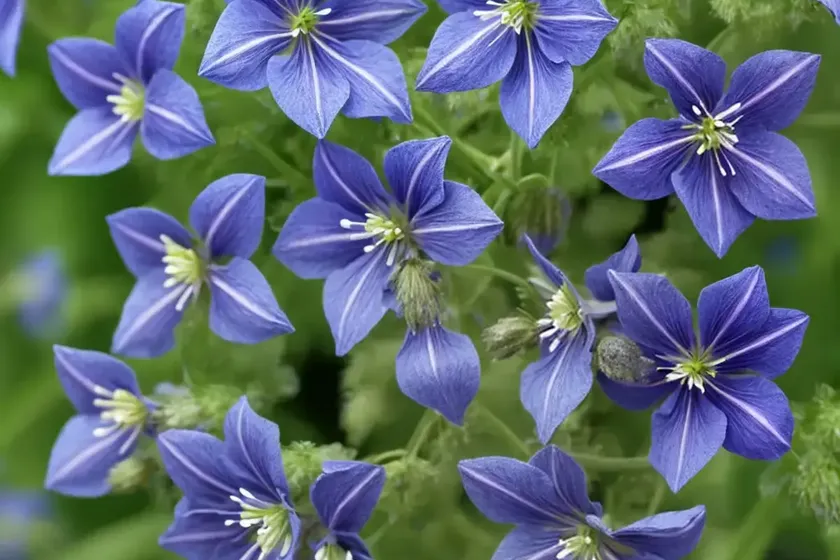

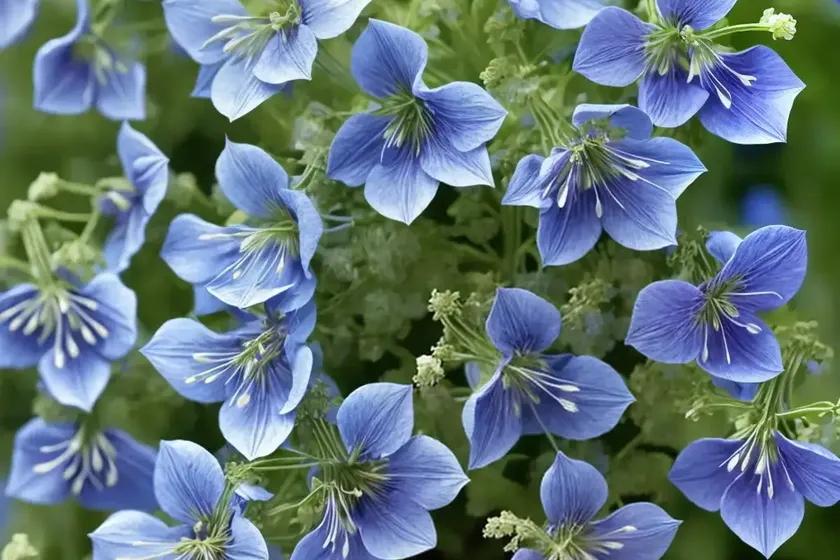
Polemonium caeruleum Brise d’Anjou, commonly known as Jacob’s Ladder, is an enchanting and versatile perennial plant that captivates with its delicate, fern-like foliage and clusters of colorful, bell-shaped flowers. This species is well-loved by gardeners for its graceful appearance, low maintenance, and adaptability to various growing conditions. In this comprehensive guide, we will delve into the various aspects of caring for Polemonium caeruleum Brise d’Anjou, from its cultural requirements to its propagation and pest management. Whether you are a seasoned gardener or a beginner, you will find valuable insights and tips for cultivating and enjoying the beauty of this remarkable plant in your garden.
Plant Name: Polemonium caeruleum Brise d’Anjou (Jacob’s Ladder)
Polemonium caeruleum Brise d’Anjou, a member of the Polemoniaceae family, is a particularly charming variety of Jacob’s Ladder. This perennial plant is native to Europe and is recognized for its intricate and distinctive foliage, which forms dense mounds of lush greenery. The species name “caeruleum” refers to the vibrant blue color of its flowers, adding to the allure of this delightful plant.
Key Takeaways – Polemonium caeruleum Brise d’Anjou (Jacob’s Ladder)
Before we embark on exploring the intricacies of cultivating and caring for Polemonium caeruleum Brise d’Anjou, let’s highlight some key takeaways about this captivating plant:
- Scientific Name: Polemonium caeruleum Brise d’Anjou
- Common Name: Jacob’s Ladder
- Variety: Brise d’Anjou
- Plant Type: Perennial
- Flower Color: Blue, Pink, White
- Foliage: Fern-like, Lush Green
- Sunlight: Full sun to partial shade
- Watering: Moderate
- Soil Type: Well-draining, Moist
- Growth Habit: Clumping
- Height: 12-18 inches
- Spread: 12-24 inches
- Hardiness Zones: 3-8
- Landscape Uses: Borders, Containers, Ground Covers
- Special Features: Attracts Pollinators, Low Maintenance
Now that we have a brief overview of Polemonium caeruleum Brise d’Anjou, let’s delve into the detailed care and cultivation practices that will help you nurture this elegant plant into a thriving and beautiful addition to your garden.
Culture
Uses
Polemonium caeruleum Brise d’Anjou can be employed in various landscape design settings, adding charm and visual interest to gardens, borders, and containers. The delicate foliage and exquisite flowers of Jacob’s Ladder make it an excellent choice for the following uses:
- Borders: Create stunning borders with the compact and clumping nature of Jacob’s Ladder varieties, infusing a touch of elegance and color to the edges of your garden beds.
- Containers: Cultivate Polemonium caeruleum Brise d’Anjou in containers and pots, allowing its graceful appearance to adorn patios, balconies, and other outdoor spaces with its enchanting beauty.
- Ground Covers: Utilize the spreading and low-growing habit of certain Jacob’s Ladder varieties to create attractive ground covers that blanket the ground with lush foliage and delightful blooms.
These diverse uses make Polemonium caeruleum Brise d’Anjou a versatile and valuable addition to any garden or landscape.
Water
Proper watering is crucial for the well-being of Polemonium caeruleum Brise d’Anjou. While this plant appreciates consistent moisture, it is essential to ensure that the soil is well-draining to prevent waterlogging, which can lead to root rot and other moisture-related issues. Here are some essential watering tips for Jacob’s Ladder:
- Moderate Watering: Provide regular watering to keep the soil evenly moist but not waterlogged. During dry spells, vigilant monitoring of soil moisture is essential to prevent drought stress.
- Avoid Overhead Watering: To minimize the risk of foliar diseases, consider watering at the base of the plant, avoiding wetting the foliage excessively.
By adhering to these watering practices, you can maintain optimal soil moisture levels for the health and vigor of Polemonium caeruleum Brise d’Anjou.
Sunlight
Polemonium caeruleum Brise d’Anjou exhibits adaptability to different light conditions, making it suitable for various settings within the garden. Understanding its sunlight requirements is crucial for ensuring robust growth and abundant flowering. Here’s a closer look at its sunlight preferences:
- Full Sun: While Polemonium caeruleum Brise d’Anjou can thrive in full sun, especially in cooler climates, it generally appreciates some protection from intense midday sun in hotter regions.
- Partial Shade: In warmer climates, providing afternoon shade or dappled sunlight can help prevent excessive stress on the plant and maintain the vibrant coloration of its foliage.
By offering the appropriate balance of sunlight, you can ensure that Polemonium caeruleum Brise d’Anjou flourishes and showcases its enchanting blooms against a backdrop of lush greenery.
Fertilizer
Fertilizing Jacob’s Ladder can contribute to healthy growth and prolific flowering, especially when applied judiciously and in accordance with the plant’s specific nutritional requirements. Here’s how you can effectively fertilize Polemonium caeruleum Brise d’Anjou:
- Organic Matter: Incorporate well-rotted compost or organic matter into the soil during planting to enrich the soil structure and provide essential nutrients.
- Balanced Fertilizer: During the growing season, apply a balanced, slow-release fertilizer to provide a steady supply of nutrients to the plant without the risk of over-fertilization.
Adhering to these fertilizer recommendations can support the vigorous growth and abundant blooms of Polemonium caeruleum Brise d’Anjou, enhancing its ornamental value in the garden.
Soil
The soil composition and quality significantly influence the health and vitality of Polemonium caeruleum Brise d’Anjou. By understanding its soil preferences and providing suitable growing conditions, you can create an optimal environment for this charming perennial plant. Consider the following soil requirements for Jacob’s Ladder:
- Well-Draining Soil: Ensure that the soil is well-draining to prevent waterlogging, which can lead to root rot and other moisture-related issues.
- Moisture-Retentive: While well-draining, the soil should also retain sufficient moisture to support the plant’s growth and vitality. Regularly monitor and maintain consistent soil moisture levels.
By cultivating Polemonium caeruleum Brise d’Anjou in well-structured, moisture-retentive, and well-draining soil, you can lay the foundation for its thriving and flourishing in your garden.
Pruning
Effectively managing the pruning and maintenance of Polemonium caeruleum Brise d’Anjou is pivotal for promoting healthy growth, prolonging flowering, and shaping the plant’s appearance. By following prudent pruning practices, you can ensure that Jacob’s Ladder retains its elegance and vigor. Consider the following tips for pruning Polemonium caeruleum Brise d’Anjou:
- Deadheading: Remove spent flowers to encourage the plant to produce new blooms and maintain a neat and tidy appearance.
- Cutting Back: In late summer or early fall, consider cutting back the foliage and spent flowering stems to rejuvenate the plant and promote fresh growth.
Adhering to these pruning guidelines can help you preserve the charm and grace of Polemonium caeruleum Brise d’Anjou while fostering its overall health and vitality.
Propagation
Propagating Polemonium caeruleum Brise d’Anjou offers an opportunity to multiply and share the beauty of this captivating plant. By employing the appropriate propagation methods, you can successfully propagate new plants and expand the presence of Jacob’s Ladder in your garden. Here are some common propagation techniques for Polemonium caeruleum Brise d’Anjou:
- Division: Divide mature plants in early spring or fall, ensuring that each division has a good root system and sufficient foliage to support its growth.
- Seed Propagation: Collect and sow seeds in a well-prepared seedbed or containers, providing the ideal conditions for germination and subsequent growth.
By embracing these propagation methods, you can propagate Polemonium caeruleum Brise d’Anjou with confidence, nurturing new plants and sharing the enchanting beauty of Jacob’s Ladder with fellow gardening enthusiasts.
Container Popularity
The compact size and graceful appearance of Polemonium caeruleum Brise d’Anjou make it a popular choice for container gardening. Whether showcased individually or combined with other compatible plants, Jacob’s Ladder can lend elegance and visual appeal to container gardens, patios, and outdoor living spaces. The following are some key considerations for cultivating Jacob’s Ladder in containers:
- Well-Draining Soil: Use a quality potting mix that offers excellent drainage to prevent waterlogging and promote healthy root growth.
- Appropriate Size: Select a container that provides ample space for the plant’s root system and accommodates its growth potential.
- Watering: Regularly water container-grown Polemonium caeruleum Brise d’Anjou to maintain optimal soil moisture levels, especially during the warmer months.
By leveraging the suitability of Polemonium caeruleum Brise d’Anjou for container gardening, you can introduce its captivating beauty to various outdoor settings and embrace its ornamental charm in smaller-scale gardening environments.
Common Diseases
As with many plants, Polemonium caeruleum Brise d’Anjou is susceptible to certain diseases that can affect its health and appearance if not addressed promptly and effectively. Awareness of potential diseases is crucial for implementing preventive measures and mitigating their impact on the plant. Here are some common diseases that can affect Jacob’s Ladder:
- Powdery Mildew: This fungal disease can manifest as a powdery, white coating on the foliage, potentially leading to stunted growth and reduced vitality.
- Leaf Spot: Characterized by the development of dark spots on the leaves, leaf spot diseases can compromise the overall health and appearance of the plant if left unchecked.
Vigilant monitoring, proper cultural practices, and, when necessary, timely application of suitable remedies can help manage and prevent these common diseases, safeguarding the well-being of Polemonium caeruleum Brise d’Anjou.
Disease Diagnosis
Early detection and accurate diagnosis of diseases impacting Polemonium caeruleum Brise d’Anjou are vital for instituting effective treatment and preventing the further spread of pathogens. Here are some key steps to diagnose diseases affecting Jacob’s Ladder:
- Symptom Recognition: Regularly inspect the foliage and overall health of the plant to identify any unusual discoloration, deformation, or abnormalities.
- Consultation with Experts: Seek guidance from knowledgeable professionals, such as local horticulturists or plant pathologists, to accurately diagnose any suspected diseases and devise an appropriate course of action.
By promptly identifying and diagnosing diseases affecting Polemonium caeruleum Brise d’Anjou, you can initiate targeted interventions to protect the plant’s health and preserve its ornamental value in the garden.
Common Pests
Pests can pose a threat to the well-being of Polemonium caeruleum Brise d’Anjou, necessitating proactive measures to mitigate their impact and prevent damage to the plant. By familiarizing yourself with common pests that may afflict Jacob’s Ladder, you can implement pest management strategies to safeguard the plant’s vitality. Here are some common pests to watch out for:
- Aphids: These small, sap-sucking insects can cluster on the foliage, causing distortion and damage to the plant’s growth and vigor.
- Slugs and Snails: These voracious pests can feed on the foliage of Polemonium caeruleum Brise d’Anjou, leading to unsightly damage and reduced aesthetic appeal.
Effective pest monitoring and targeted pest control measures, such as natural predators or botanical repellents, can help you protect Polemonium caeruleum Brise d’Anjou from the detrimental effects of pests, preserving its beauty and health.
Botanist’s Tips
Drawing upon expert insights and best practices can greatly enhance your success in cultivating Polemonium caeruleum Brise d’Anjou. Thus, we have compiled a set of valuable tips from botanists and seasoned gardeners to guide you in nurturing this captivating plant and maximizing its ornamental potential. Here are some botanist’s tips for Polemonium caeruleum Brise d’Anjou care:
- Site Selection: Choose a planting site that offers well-draining soil, suitable sunlight, and adequate air circulation to promote the plant’s health and vigor.
- Mulching: Apply a layer of organic mulch around the base of Polemonium caeruleum Brise d’Anjou to conserve soil moisture, suppress weed growth, and insulate the root zone.
- Regular Monitoring: Routinely inspect the plant for signs of diseases, pests, and nutrient deficiencies, taking proactive measures to address any issues promptly.
- Companion Planting: Consider pairing Jacob’s Ladder with companion plants that complement its growth habits and cultural requirements, fostering a harmonious and thriving garden ecosystem.
By embracing these botanist’s tips, you can cultivate Polemonium caeruleum Brise d’Anjou with confidence and expertise, instilling vigor and beauty in your garden.
Fun Facts
Uncover the intriguing and delightful aspects of Polemonium caeruleum Brise d’Anjou with these fun facts that celebrate the charm and allure of Jacob’s Ladder:
- Jacob’s Ladder’s name is derived from the ladder-like arrangement of its leaflets along the stem, evoking biblical imagery and symbolism.
- Some varieties of Polemonium caeruleum Brise d’Anjou exhibit a delightful color-changing phenomenon in their foliage, transitioning from green to hues of bronze and red in the autumn, adding seasonal interest to the garden.
- The lively and delicate flowers of Jacob’s Ladder attract a diverse array of pollinators, including bees, butterflies, and hummingbirds, contributing to the biodiversity and ecological value of the garden.
These fun facts offer a glimpse into the captivating qualities and ecological contributions of Polemonium caeruleum Brise d’Anjou, enriching your appreciation of this enchanting plant.
Links to External Resources
For further exploration and in-depth information about Polemonium caeruleum Brise d’Anjou, refer to the following external resources:
- Royal Horticultural Society – Polemonium caeruleum
- Missouri Botanical Garden – Polemonium caeruleum
- University of Maryland Extension – Jacob’s Ladder (Polemonium caeruleum)
These reputable and authoritative sources can offer comprehensive insights, cultivation guidelines, and botanical details to support your journey in mastering the care and cultivation of Polemonium caeruleum Brise d’Anjou in your garden.
In conclusion, Polemonium caeruleum Brise d’Anjou, with its captivating foliage and charming flowers, stands as a testament to the enchanting beauty and ornamental potential of perennial plants. By understanding and embracing its cultural requirements, employing effective care practices, and celebrating its distinctive characteristics, you can cultivate a thriving and visually captivating display of Jacob’s Ladder in your garden. Whether adorning borders, containers, or ground covers, Polemonium caeruleum Brise d’Anjou offers endless possibilities for ornamental enhancement, ecological benefits, and horticultural enjoyment, enriching your garden with its enduring allure and graceful presence.


