Phlox maculata (Meadow Phlox): A Comprehensive Guide to Cultivation and Care
Introduction
Phlox maculata, commonly known as Meadow Phlox, is a delightful perennial plant that displays clusters of fragrant, colorful flowers. This North American native plant is a favorite among gardeners due to its beauty, versatility, and low maintenance requirements. In this comprehensive guide, we will delve into the various aspects of cultivating and caring for Phlox maculata, including its cultural significance, propagation, diseases, pests, and much more.
What is Phlox maculata?
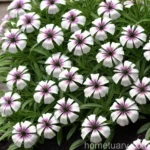
Phlox maculata, a member of the Polemoniaceae family, is native to the eastern United States and Canada, where it thrives in moist meadows, open woodlands, and along stream banks. The plant is characterized by its erect stems, lance-shaped leaves, and abundant clusters of fragrant, showy flowers. The flowers, which come in shades of pink, purple, and white, attract pollinators such as butterflies and hummingbirds, adding lively charm to any garden or landscape.
Key Takeaways – Phlox maculata (Meadow Phlox)
Culture
Cultivating Phlox maculata requires attention to its specific cultural needs. Understanding the plant’s requirements for water, sunlight, soil, and fertilizer is crucial for its healthy growth and abundant flowering.
-
Water: Meadow Phlox thrives in moist soil and benefits from regular watering, especially during dry spells. However, it is essential to ensure that the soil is well-drained to prevent waterlogging, which could lead to root rot.
-
Sunlight: While Phlox maculata prefers full sun, it can also tolerate partial shade. In regions with intense summer heat, providing some afternoon shade can help prevent stress on the plant.
-
Fertilizer: Applying a balanced, slow-release fertilizer in the spring can support the plant’s growth and flowering. However, excessive fertilizer application should be avoided, as it can lead to lush foliage at the expense of blooms.
-
Soil: Meadow Phlox thrives in moist, humus-rich, and well-drained soil with a slightly acidic to neutral pH. Amending the soil with organic matter, such as compost, can improve its texture and fertility.
Uses
Phlox maculata offers versatile uses in gardens and landscapes, making it a valuable addition for various purposes.
-
Garden Borders: The vibrant flowers of Meadow Phlox are ideal for creating colorful borders that attract pollinators and add visual appeal to garden landscapes.
-
Naturalized Areas: Due to its native origin and ability to thrive in moist habitats, Phlox maculata is well-suited for naturalized areas, providing a touch of wild beauty to the landscape.
-
Cut Flower Arrangements: The long-lasting, fragrant flowers of Meadow Phlox make it an excellent choice for fresh-cut flower arrangements, bringing a delightful touch of nature indoors.
-
Pollinator Gardens: With its nectar-rich blooms, Meadow Phlox serves as a valuable nectar source for pollinators, making it a desirable addition to pollinator-friendly gardens.
Water
Proper watering practices are crucial for maintaining the health and vigor of Meadow Phlox. Understanding the water requirements and potential issues related to over or under-watering is essential for successful cultivation.
-
Watering Frequency: Meadow Phlox benefits from consistent moisture, especially during the growing season and dry spells. However, it is important to allow the soil to dry slightly between watering to prevent waterlogged conditions.
-
Signs of Over-Watering: Excessive moisture can lead to root rot and other fungal diseases. Symptoms of over-watering include yellowing foliage, wilting, and a musty odor emanating from the soil.
-
Signs of Under-Watering: Insufficient moisture can cause the plant to wilt and suffer from stunted growth. Thin, dry soil that cracks and pulls away from the pot’s edges is an indication that the plant requires watering.
Sunlight
Understanding Meadow Phlox’s sunlight requirements and its adaptability to different light conditions is essential for its successful cultivation.
-
Full Sun: Phlox maculata thrives in full sun, where it can produce abundant blooms and maintain a compact, healthy growth habit.
-
Partial Shade: In regions with intense summer heat, providing afternoon shade can help protect the plant from stress and sunburn, improving its overall health and flowering performance.
-
Adaptability: Meadow Phlox demonstrates good adaptability to varying light conditions, making it suitable for gardens with different levels of sun exposure.
Fertilizer
Proper fertilization is crucial for supporting the growth and flowering of Phlox maculata. Understanding the type, timing, and application of fertilizer is essential for promoting the plant’s overall health and blooming performance.
-
Balanced Fertilizer: Application of a balanced, slow-release fertilizer in the spring can provide the necessary nutrients for the plant’s growth and flowering.
-
Avoiding Excesses: Excessive fertilizer application can lead to excessive foliage growth at the expense of blooms, compromising the plant’s overall aesthetic appeal.
-
Organic Amendments: Incorporating organic matter, such as compost, into the soil can enhance its fertility and improve the overall growing conditions for Meadow Phlox.
Soil
The soil composition and quality play a crucial role in the successful cultivation of Meadow Phlox. Understanding the ideal soil conditions and the potential issues related to poor soil quality is essential for the plant’s health and vigor.
-
Well-Drained Soil: Meadow Phlox thrives in moist, well-drained soil that prevents waterlogging and supports healthy root development.
-
pH Requirements: Phlox maculata prefers a slightly acidic to neutral soil pH, with a range of 6.0 to 7.0. Testing the soil pH and amending it as necessary can create optimal growing conditions for the plant.
-
Organic Matter: Adding organic matter, such as compost or well-rotted manure, can improve soil structure and fertility, providing a conducive environment for Meadow Phlox to thrive.
Pruning
Pruning is an essential practice for maintaining the health, shape, and flowering performance of Phlox maculata. Understanding the timing and techniques for pruning can help promote vigorous growth and abundant blooms.
-
Deadheading: Removing spent flowers promotes continuous blooming and prevents the plant from expending energy on seed production.
-
Thinning: Periodically thinning out crowded or weak stems can improve air circulation and light penetration, reducing the risk of diseases and promoting better growth habits.
-
Spring Pruning: Trimming back the stems in early spring can encourage branching and result in a bushier, more compact growth habit, enhancing the overall appearance of the plant.
Propagation
Propagating Phlox maculata allows gardeners to expand their plant collection and share the beauty of Meadow Phlox with others. Understanding the various propagation methods and their implementation is essential for successful reproduction of the plant.
-
Division: Dividing mature clumps of Meadow Phlox in early spring or fall is a simple and effective method for propagation. Each division should include healthy roots and shoots to ensure successful establishment.
-
Cuttings: Taking softwood or semi-ripe stem cuttings in the summer and rooting them in a moist, well-draining medium can yield new plants with characteristics identical to the parent plant.
-
Seed Propagation: Growing Phlox maculata from seeds allows for genetic diversity and the development of new varieties. Collecting ripe seeds and sowing them in a prepared seedbed can result in the germination of seedlings.
Container Popularity
The versatility and beauty of Phlox maculata make it a popular choice for container gardening. Understanding the specific considerations for growing Meadow Phlox in containers is essential for ensuring its health and vigor.
-
Container Size: Selecting a spacious container with adequate drainage holes allows for optimal root development and prevents waterlogged conditions.
-
Well-Draining Soil: Using a well-draining potting mix enriched with organic matter encourages healthy growth and prevents water stagnation around the plant’s roots.
-
Watering Considerations: Container-grown Meadow Phlox may require more frequent watering, especially during hot, dry periods, to maintain adequate moisture levels.
Common Diseases
Meadow Phlox is susceptible to certain diseases that can affect its overall health and flowering performance. Understanding the common diseases and their management is crucial for preventing and addressing potential issues.
-
Powdery Mildew: A fungal disease that appears as a white, powdery coating on the leaves, powdery mildew can weaken the plant and compromise its aesthetic value. Pruning to improve air circulation and applying fungicidal sprays can help manage the disease.
-
Septoria Leaf Spot: This disease manifests as dark, water-soaked spots on the leaves, eventually leading to defoliation and reduced plant vigor. Removing and disposing of affected plant parts and applying appropriate fungicides can aid in disease control.
-
Botrytis Blight: Also known as gray mold, botrytis blight can affect the flowers and foliage of Meadow Phlox, causing damp, brown lesions. Proper air circulation and avoiding overhead watering can help prevent the development of this disease.
Disease Diagnosis
Recognizing the symptoms and identifying the causes of diseases affecting Meadow Phlox is essential for implementing effective control measures and preserving the plant’s health.
-
Symptom Recognition: Common signs of diseases, such as powdery mildew and leaf spot, include the presence of unusual coatings, spots, or lesions on the leaves and stems.
-
Causal Factors: Understanding the environmental conditions that favor disease development, such as prolonged leaf wetness and poor air circulation, can aid in diagnosing and addressing disease issues.
-
Consulting Experts: Seeking the advice of local extension services or plant pathology professionals can provide valuable insights into diagnosing and managing diseases affecting Phlox maculata.
Common Pests
While Meadow Phlox is relatively resilient, it can be susceptible to certain pests that may affect its growth and overall health. Understanding the common pests and their management is essential for preventing infestations and minimizing damage.
-
Spider Mites: These tiny arachnids can infest Meadow Phlox, causing stippling, discoloration, and webbing on the leaves. Introducing natural predators and using insecticidal soaps can help control spider mite populations.
-
Aphids: These soft-bodied insects can cluster on the tender shoots and flower buds of Phlox maculata, feeding on plant sap and excreting honeydew. Strong blasts of water and the introduction of beneficial insects can aid in aphid control.
-
Caterpillars: Certain caterpillar species, such as the tobacco hornworm, may feed on the foliage of Meadow Phlox, causing visible damage. Handpicking caterpillars and applying Bacillus thuringiensis (Bt) can help manage caterpillar infestations.
Botanist’s Tips
As a plant scientist, it is essential to offer practical and science-based tips to aid gardeners in successfully cultivating and caring for Phlox maculata.
-
Site Selection: When selecting a planting site for Meadow Phlox, prioritize well-drained, slightly acidic to neutral soil and a location with adequate sunlight or partial shade.
-
Watering Practices: Monitor soil moisture and adjust the frequency of watering based on the plant’s needs and prevailing weather conditions, aiming to maintain consistent, adequate moisture levels.
-
Mulching Benefits: Applying a layer of organic mulch around the base of Meadow Phlox helps conserve soil moisture, regulate temperature, and suppress weed growth, contributing to the plant’s overall health.
-
Integrated Pest Management: Implementing a holistic approach to pest management, including the use of beneficial insects, cultural practices, and selective pesticide applications, promotes a balanced, environmentally friendly control strategy.
-
Pruning Guidelines: Regularly inspect Meadow Phlox for dead or diseased stems, and utilize proper pruning techniques to promote a tidy growth habit and encourage continuous blooming.
Fun Facts
Phlox maculata exhibits several intriguing characteristics and historical tidbits that add to its allure and significance in gardens and natural habitats.
-
Native Heritage: Meadow Phlox is indigenous to eastern North America, where it contributes to the biodiversity and ecological richness of its native habitats.
-
Fragrance: The flowers of Phlox maculata emit a delightful, sweet fragrance, attracting pollinators and adding a sensory dimension to the garden.
-
Historical Uses: Indigenous peoples in North America historically used Phlox species for various medicinal and cultural purposes, highlighting the plant’s historical significance.
-
Wildlife Attraction: Meadow Phlox serves as a valuable nectar source for butterflies, hummingbirds, and beneficial insects, enriching the garden ecosystem.
-
Ornamental Value: The vibrant, cheerful blooms of Phlox maculata have made it a popular choice for floral arrangements, landscaping, and as a focal point in garden designs.
Links to External Resources
For more in-depth information on Phlox maculata and related topics, the following external resources offer valuable insights and practical guidance:
- The American Phlox Society: www.phlox.org
- University Extension Services: Check your local university extension services for region-specific recommendations and gardening advice.
- Botanical Gardens and Arboretums: Visit botanical gardens and arboretums featuring native plant collections to observe Phlox maculata in its natural and cultivated environments.
In conclusion, Phlox maculata, or Meadow Phlox, embodies a blend of beauty, resilience, and ecological value, making it a cherished addition to gardens, landscapes, and naturalized areas. By understanding its specific cultural needs, propagation methods, potential issues, and management strategies, gardeners can cultivate and enjoy the vibrant blooms and ecological benefits of this delightful native perennial.
References
- Armstrong, W.P. (n.d.). Phlox maculata ‘Omega’. University of California Botanical Garden at Berkeley. Link
- Dirr, M. (2009). Manual of Woody Landscape Plants. University of Georgia.
- Jones, M. (2015). Gardening with Native Plants of the South. Timber Press.
- Ohio State University Extension. (n.d.). Powdery Mildew of Phlox. Plant Pathology. Link
- Sinclair, W.A., & Lyon, H.H. (2005). Diseases of Trees and Shrubs (2nd ed.). Comstock Publishing Associates.
- University of Minnesota Extension. (2021). White Mold (Sclerotinia Stem Rot) of Phlox. Link
- Wildflower Center. (n.d.). Phlox maculata. Lady Bird Johnson Wildflower Center. Link