Nymphaea ‘Gloire Du Temple-sur-Lot’ (Hardy Water Lily)
Nymphaea ‘Gloire du Temple-sur-Lot’ is a stunning and popular hardy water lily that adds beauty and tranquility to garden ponds and water features. As a.
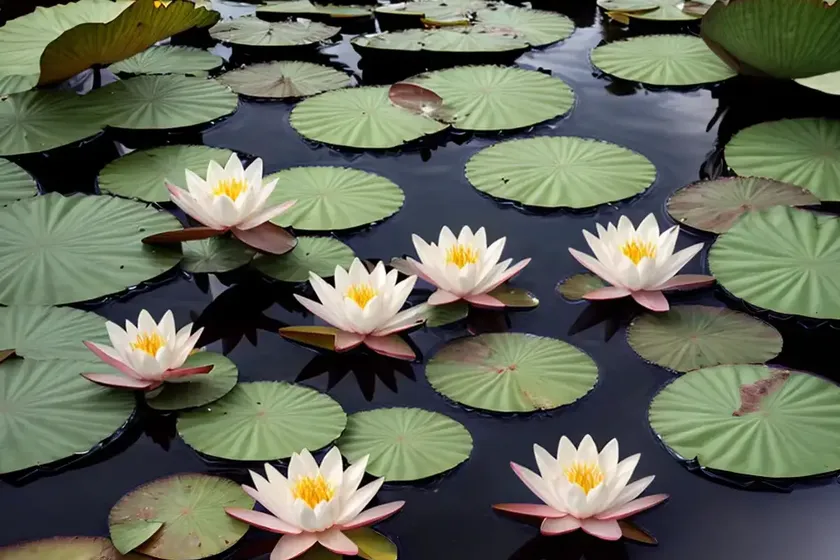
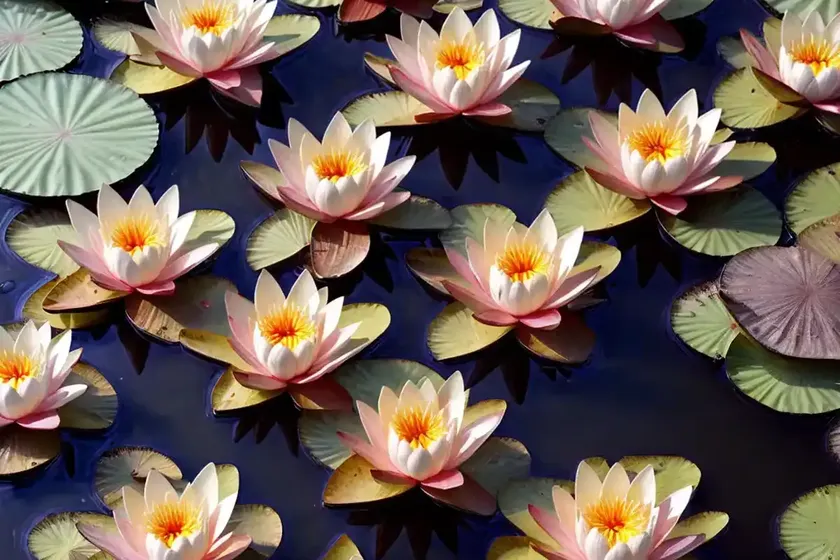
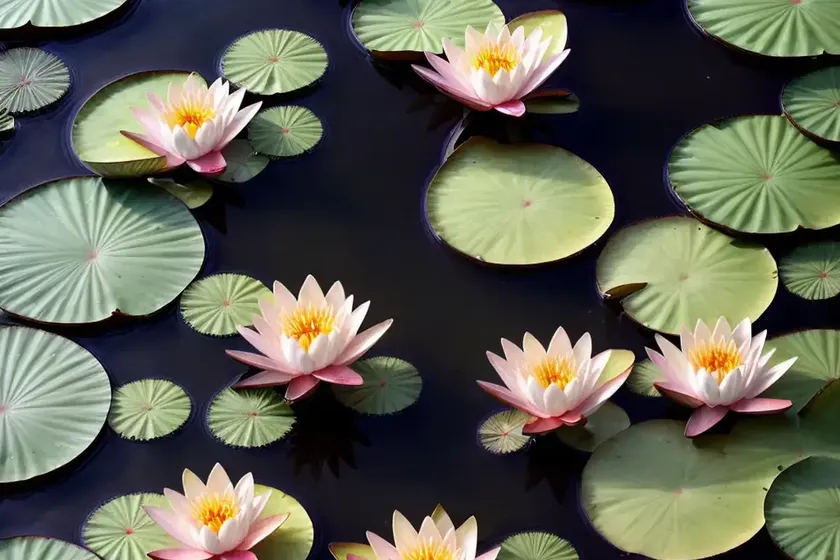
Nymphaea ‘Gloire du Temple-sur-Lot’ is a stunning and popular hardy water lily that adds beauty and tranquility to garden ponds and water features. As a plant scientist with a passion for aquatic plants, I am thrilled to share an in-depth exploration of this remarkable water lily, including its culture, uses, maintenance, and much more. By the end of this comprehensive guide, you will have the knowledge and confidence to successfully care for and enjoy Nymphaea ‘Gloire du Temple-sur-Lot’ in your own garden or aquatic landscape.
What Is Nymphaea ‘Gloire du Temple-sur-Lot’?
Nymphaea ‘Gloire du Temple-sur-Lot’ is a hardy water lily, belonging to the Nymphaeaceae family. This aquatic plant is renowned for its enchanting blooms and striking foliage, making it a popular choice for both amateur and experienced gardeners. As a hardy variety, Nymphaea ‘Gloire du Temple-sur-Lot’ is well-suited for a range of climates and can thrive in various water garden settings.
Key Takeaways
Before delving into the specific details of Nymphaea ‘Gloire du Temple-sur-Lot’, let’s take a moment to highlight the key takeaways that we will be exploring in this comprehensive guide.
- Nymphaea ‘Gloire du Temple-sur-Lot’ is a hardy water lily known for its captivating blooms and resilient nature.
- This variety of water lily has specific cultural and care requirements, including considerations for water, sunlight, fertilizer, and soil.
- Nymphaea ‘Gloire du Temple-sur-Lot’ can be efficiently propagated and maintained in containers, adding versatility to its use in various garden settings.
- While admired for its beauty, Nymphaea ‘Gloire du Temple-sur-Lot’ may be susceptible to common diseases and pests, necessitating vigilance and proper care.
- As a plant scientist, I will share valuable insights, tips, and fun facts about Nymphaea ‘Gloire du Temple-sur-Lot’ that will enable you to foster a thriving and vibrant water lily garden space.
Now, let’s embark on an exciting journey into the world of Nymphaea ‘Gloire du Temple-sur-Lot’, exploring its culture, uses, maintenance, and engaging with valuable botanical tips and insights.
Culture of Nymphaea ‘Gloire du Temple-sur-Lot’
Understanding the cultural requirements of Nymphaea ‘Gloire du Temple-sur-Lot’ is essential for fostering a healthy and vibrant water lily environment. From water and sunlight needs to fertilization and soil considerations, here’s an in-depth exploration of the cultural aspects of this extraordinary hardy water lily.
Water
Water is a fundamental element for the successful cultivation of Nymphaea ‘Gloire du Temple-sur-Lot’. As a water lily, this plant thrives in aquatic environments, requiring a specific depth of water to support its growth and development. The ideal water depth for Nymphaea ‘Gloire du Temple-sur-Lot’ ranges from 12 to 24 inches. This range is crucial for ensuring that the plant’s rhizomes – its thick, horizontal stems – are submerged at an appropriate depth, promoting healthy growth and bloom production.
In natural pond settings, Nymphaea ‘Gloire du Temple-sur-Lot’ should be positioned at the recommended depth, facilitating its ability to flourish and bloom gracefully. In container-based cultivation, it’s essential to select spacious containers that not only accommodate the plant’s growth but also provide the necessary water depth for its submerged rhizomes.
Sunlight
Proper sunlight exposure is pivotal for the optimal growth and blooming of Nymphaea ‘Gloire du Temple-sur-Lot’. This hardy water lily fares exceptionally well in full sun to partial shade conditions, where it receives approximately 6 to 8 hours of direct sunlight per day. Adequate sunlight exposure is essential for robust photosynthesis, which ultimately fuels the plant’s growth, bloom production, and overall health.
In cultivating Nymphaea ‘Gloire du Temple-sur-Lot’, it is crucial to select garden pond or container locations that offer the recommended sunlight levels. Ensuring proper exposure to sunlight will contribute to the plant’s resilience and its ability to showcase its captivating blooms throughout the growing season.
Fertilizer
The fertilization of Nymphaea ‘Gloire du Temple-sur-Lot’ plays a significant role in promoting vigorous growth and prolific blooming. As a water lily, this plant benefits from regular fertilization to ensure that it receives essential nutrients for its overall development.
When selecting a fertilizer for Nymphaea ‘Gloire du Temple-sur-Lot’, it is advisable to choose a specialized aquatic plant fertilizer that is rich in essential nutrients and specifically formulated for water lilies. These fertilizers are designed to release nutrients gradually, providing a consistent and balanced supply to the plant without causing water pollution or harm to aquatic life.
Regular fertilization, typically every 3 to 4 weeks during the growing season, is recommended for Nymphaea ‘Gloire du Temple-sur-Lot’, ensuring that the plant receives the necessary nourishment to support its vibrant foliage and prolific blooming. It’s important to follow the specific application instructions provided with the chosen fertilizer to achieve optimal results while safeguarding the aquatic environment.
Soil
Although water lilies like Nymphaea ‘Gloire du Temple-sur-Lot’ are primarily aquatic plants, they do not grow in soil in the traditional sense. Instead, these plants rely on their rhizomes to anchor themselves in the substrate at the bottom of ponds or containers, drawing nutrients directly from the water. Therefore, the quality of the pond or container substrate and its ability to facilitate rhizome anchorage and growth are critical factors for the successful cultivation of Nymphaea ‘Gloire du Temple-sur-Lot’.
In natural pond settings, the substrate should be relatively loose and nutrient-rich, allowing the rhizomes to anchor securely while providing access to essential nutrients. When growing Nymphaea ‘Gloire du Temple-sur-Lot’ in containers, a specialized aquatic planting media or a mixture of clay soil and loam can be used to create an optimal substrate environment for the plant’s rhizomes.
By focusing on the specific water, sunlight, fertilizer, and substrate requirements of Nymphaea ‘Gloire du Temple-sur-Lot’, gardeners can create an ideal cultural environment that fosters the plant’s health and vigor, ultimately leading to spectacular and long-lasting blooms.
Uses of Nymphaea ‘Gloire du Temple-sur-Lot’
Nymphaea ‘Gloire du Temple-sur-Lot’ offers a range of uses that make it a captivating and versatile addition to garden landscapes and aquatic environments. From its aesthetic appeal as a centerpiece plant to its functional role in supporting wildlife, this hardy water lily brings numerous benefits and delights to gardens and water features.
Ornamental Beauty
One of the primary uses of Nymphaea ‘Gloire du Temple-sur-Lot’ is its ornamental value as a captivating and alluring aquatic plant. The plant’s enchanting blooms, which emerge in various colors and delicate shapes, add a touch of elegance and tranquility to garden ponds, water features, and natural aquatic environments.
As an ornamental water lily, Nymphaea ‘Gloire du Temple-sur-Lot’ serves as a focal point, drawing attention and admiration with its striking presence. Whether cultivated in large garden ponds or smaller aquatic containers, this hardy water lily elevates the visual appeal of its surroundings, creating enchanting and serene landscapes.
Habitat Enhancement
In addition to its visual allure, Nymphaea ‘Gloire du Temple-sur-Lot’ contributes to habitat enhancement by providing shelter and sustenance for aquatic fauna. The plant’s broad, floating leaves offer shade and protection for fish, amphibians, and invertebrates, creating a more hospitable and ecologically diverse environment within garden ponds and natural water bodies.
Furthermore, water lilies like Nymphaea ‘Gloire du Temple-sur-Lot’ play a crucial role in maintaining the balance of pond ecosystems by absorbing excess nutrients and helping to control algae growth. This ecological function supports overall pond health and contributes to the preservation of water quality, benefitting both aquatic life and the aesthetic appeal of the water garden.
Artistic Inspiration
The captivating nature of Nymphaea ‘Gloire du Temple-sur-Lot’ has long served as an inspiration for artists, poets, and garden enthusiasts. The water lily’s graceful form, radiant blooms, and serene presence have been immortalized in paintings, literature, and garden designs, capturing the imagination and stimulating creative expression.
From Monet’s iconic water lily paintings to contemporary landscape designs and floral compositions, Nymphaea ‘Gloire du Temple-sur-Lot’ continues to inspire artistic endeavors and evoke a sense of tranquility and natural beauty. Whether depicted on canvas or integrated into garden landscapes, the water lily’s enchanting charm remains an enduring muse for artistic exploration and garden aesthetics.
Educational Value
As an aquatic plant with a rich botanical and cultural history, Nymphaea ‘Gloire du Temple-sur-Lot’ offers educational value in horticultural and ecological contexts. Through its cultivation and study, students, gardeners, and enthusiasts gain insights into plant physiology, aquatic ecology, and the intricate relationships between plants and their environment.
By observing the growth, blooming patterns, and ecological interactions of Nymphaea ‘Gloire du Temple-sur-Lot’, individuals have the opportunity to deepen their understanding of plant biology and the dynamics of aquatic ecosystems. Additionally, the plant’s historical significance and cultural symbolism provide avenues for exploring diverse botanical traditions and narratives.
From enhancing the aesthetic appeal of garden ponds to contributing to ecological balance and inspiring artistic expressions, Nymphaea ‘Gloire du Temple-sur-Lot’ offers multifaceted uses that enrich and enliven garden environments and aquatic landscapes.
Maintenance of Nymphaea ‘Gloire du Temple-sur-Lot’
Maintaining the health and vitality of Nymphaea ‘Gloire du Temple-sur-Lot’ is essential for ensuring continuous blooms and the long-term well-being of this captivating water lily. From pruning and propagation to disease prevention and pest management, effective maintenance practices are integral to fostering a thriving and vibrant water lily garden space.
Pruning
Pruning is a vital aspect of Nymphaea ‘Gloire du Temple-sur-Lot’ maintenance, allowing gardeners to manage the growth and vigor of the plant while promoting abundant and eye-catching blooms. Pruning primarily involves the removal of spent or fading blooms and older foliage, prevent the accumulation of decaying plant material, and maintaining the overall health and appearance of the water lily.
To prune Nymphaea ‘Gloire du Temple-sur-Lot’, gardeners can use sharp, clean pruners to carefully snip off spent blossoms and any deteriorating leaves, ensuring that the cuts are made just above the water’s surface to avoid unnecessary stress on the plant. Regular removal of old foliage and spent blooms encourages the plant to allocate more energy towards producing new flowers and sustaining healthy foliage, resulting in a more abundant and enchanting display throughout the growing season.
Propagation
The propagation of Nymphaea ‘Gloire du Temple-sur-Lot’ enables gardeners to expand their water lily collection and share the beauty of this hardy variety with others. Propagation methods for water lilies include division of rhizomes, which allows gardeners to create new plants from established specimens, maintaining the genetic characteristics of the parent plant.
To propagate Nymphaea ‘Gloire du Temple-sur-Lot’ through rhizome division, gardeners can carefully lift the plant from its container or pond substrate, gently separate healthy and robust rhizome sections, and replant them in suitable containers or pond areas. Providing adequate water depth and regular fertilization to newly propagated rhizomes will foster their establishment and support their development into vigorous and blooming water lilies.
Effective propagation practices not only contribute to the expansion of water lily populations but also ensure the preservation and dissemination of unique and prized varieties such as Nymphaea ‘Gloire du Temple-sur-Lot’, enriching aquatic landscapes and garden collections with their captivating presence.
Container Popularity
The use of containers for cultivating Nymphaea ‘Gloire du Temple-sur-Lot’ has gained popularity among gardeners, offering a versatile and manageable approach to water lily cultivation. By growing this hardy water lily in containers, enthusiasts can create stunning aquatic displays on patios, balconies, and small garden spaces, extending the beauty and charm of Nymphaea ‘Gloire du Temple-sur-Lot’ to diverse outdoor settings.
Container cultivation provides the flexibility to adjust water depth, sunlight exposure, and fertilization to suit the specific requirements of Nymphaea ‘Gloire du Temple-sur-Lot’, enabling gardeners to create optimal growing conditions for the plant within the constraints of limited space. Additionally, the use of containers allows for easy maintenance, transplantation, and seasonal relocation, enhancing the accessibility and enjoyment of cultivating this remarkable water lily.
Common Diseases and Disease Diagnosis
Despite their resilience, water lilies like Nymphaea ‘Gloire du Temple-sur-Lot’ may be susceptible to certain diseases that can impact their growth and vigor. Understanding common water lily diseases and being able to diagnose and address them is crucial for maintaining the health and beauty of these aquatic plants.
-
Powdery Mildew: Powdery mildew may affect Nymphaea ‘Gloire du Temple-sur-Lot’, causing a white, powdery growth on the leaves and stems. This fungal disease thrives in humid conditions and can hinder the plant’s photosynthetic capacity, leading to weakened growth and decreased blooming. To address powdery mildew, gardeners can employ horticultural oils or fungicidal sprays, promoting better air circulation around the plant and avoiding overhead watering.
-
Rust: Rust is another common water lily disease that manifests as reddish-brown or orange pustules on the leaves of Nymphaea ‘Gloire du Temple-sur-Lot’. This fungal infection can weaken the plant and reduce its aesthetic appeal. Gardeners can manage rust by promptly removing infected plant parts, maintaining adequate air circulation, and ensuring proper sanitation to limit the spread of the disease.
-
Bacterial Blight: Bacterial blight can affect water lilies, leading to the development of dark brown or black blotches on the foliage of Nymphaea ‘Gloire du Temple-sur-Lot’. This bacterial disease thrives in moist conditions and can cause rapid foliage deterioration. To combat bacterial blight, gardeners should promptly remove and dispose of infected leaves, avoid overhead watering, and apply bactericidal treatments to limit the spread of the disease.
By promptly recognizing and addressing common water lily diseases such as powdery mildew, rust, and bacterial blight, gardeners can effectively preserve the health and vibrancy of Nymphaea ‘Gloire du Temple-sur-Lot’, ensuring that it continues to thrive and delight with its alluring blooms.
Common Pests
Pest management is an essential aspect of Nymphaea ‘Gloire du Temple-sur-Lot’ maintenance, as certain pests can pose a threat to the plant’s foliage, blooms, and overall vitality. By identifying common water lily pests and employing effective control measures, gardeners can safeguard the health and aesthetic appeal of their Nymphaea ‘Gloire du Temple-sur-Lot’ plants.
-
Aphids: Aphids are small, sap-sucking insects that may infest the leaves and stems of Nymphaea ‘Gloire du Temple-sur-Lot’, causing stunted growth and distorted foliage. To deter aphids, gardeners can introduce natural predators such as ladybugs, employ horticultural oils, or use insecticidal soaps to effectively manage infestations.
-
Water Lily Beetles: Water lily beetles are voracious pests that may consume the leaves and blooms of Nymphaea ‘Gloire du Temple-sur-Lot’, leading to unsightly damage and reduced plant vigor. Regular inspection and manual removal of water lily beetles, along with the use of organic or botanical insecticides, are effective means of controlling these destructive pests.
-
Snails and Slugs: Snails and slugs can pose a threat to the foliage and blooms of Nymphaea ‘Gloire du Temple-sur-Lot’, leaving behind visible feeding damage and diminishing the plant’s aesthetic appeal. Creating physical barriers, such as copper tape or diatomaceous earth, can deter snails and slugs from reaching the water lily, while handpicking and removing these pests can help minimize their impact on the plant.
By actively monitoring and managing common water lily pests such as aphids, water lily beetles, and snails, gardeners can protect the health and beauty of Nymphaea ‘Gloire du Temple-sur-Lot’ and sustain its captivating presence in their aquatic landscapes.
Botanist’s Tips for Growing Nymphaea ‘Gloire du Temple-sur-Lot’
Drawing upon my expertise as a plant scientist and water lily enthusiast, I am pleased to offer valuable tips and insights for successfully growing Nymphaea ‘Gloire du Temple-sur-Lot’ and creating a vibrant and flourishing water lily garden space.
-
Selecting the Ideal Planting Site: When integrating Nymphaea ‘Gloire du Temple-sur-Lot’ into garden ponds, ensure that the planting site offers the recommended water depth and sunlight exposure for the plant to thrive. In container cultivation, choose spacious containers that accommodate the plant’s growth and provide the necessary water depth for submerged rhizomes.
-
Appropriate Water Lily Fertilization: Use specialized aquatic plant fertilizers to nourish Nymphaea ‘Gloire du Temple-sur-Lot’, ensuring a balanced and consistent supply of essential nutrients. Follow the recommended fertilization schedule and application rates to support the plant’s vigorous growth and prolific blooming.
-
Regular Pruning and Maintenance: Engage in regular pruning of spent blooms and older foliage to promote continuous blooming and sustain the plant’s overall health. Proper maintenance practices will contribute to a vibrant and robust display of Nymphaea ‘Gloire du Temple-sur-Lot’ blooms throughout the growing season.
-
Vigilance Against Diseases and Pests: Monitor Nymphaea ‘Gloire du Temple-sur-Lot’ for common water lily diseases and pests, promptly addressing any signs of powdery mildew, rust, aphids, water lily beetles, or other potential threats. Effective disease prevention and pest management will safeguard the plant’s well-being and visual appeal.
-
Consider Container Cultivation: Explore the versatility of growing Nymphaea ‘Gloire du Temple-sur-Lot’ in containers to create captivating water lily displays in limited outdoor spaces. With the right container and cultural considerations, this hardy water lily can thrive and bloom gracefully, enhancing balconies, patios, and small garden environments.
By implementing these botanist’s tips for growing Nymphaea ‘Gloire du Temple-sur-Lot’, gardeners can elevate their water lily cultivation practices and enjoy the abundant beauty and charm of this


