Phlomis Lanata (Woolly Jerusalem Sage)
Phlomis lanata, commonly known as Woolly Jerusalem Sage or simply Woolly Sage, is a stunning perennial plant that belongs to the family Lamiaceae. This.
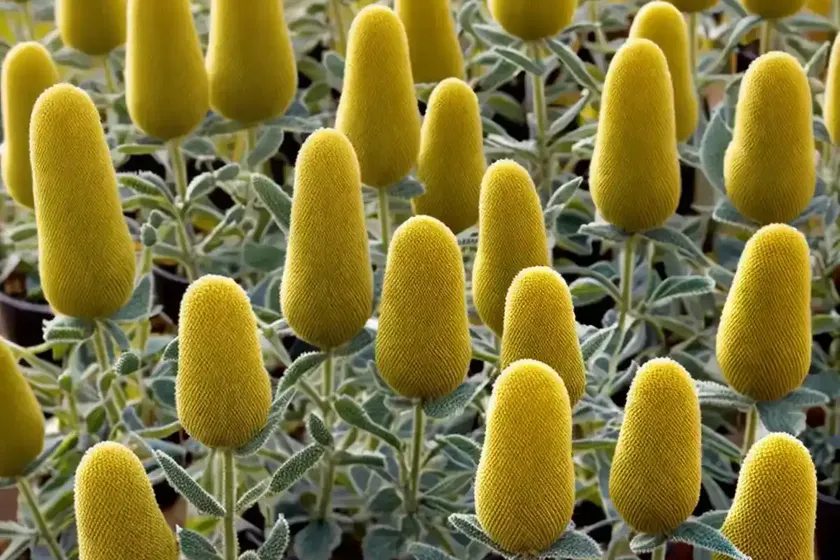
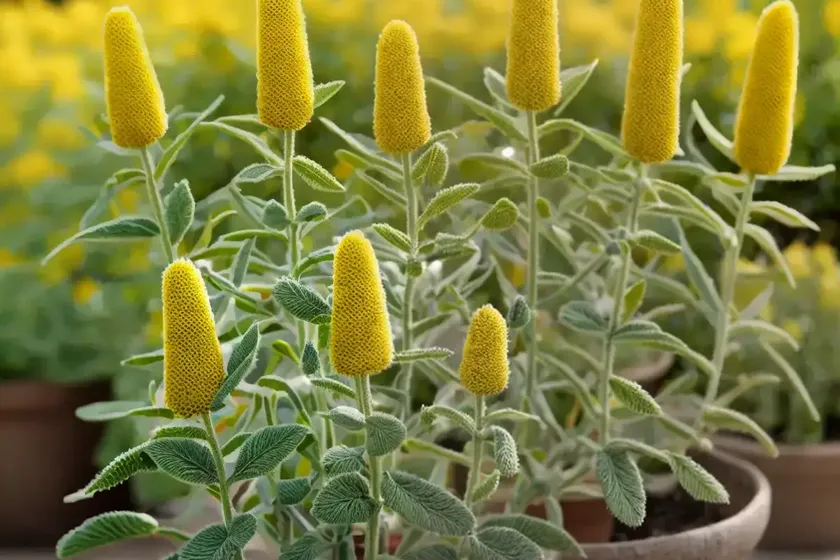
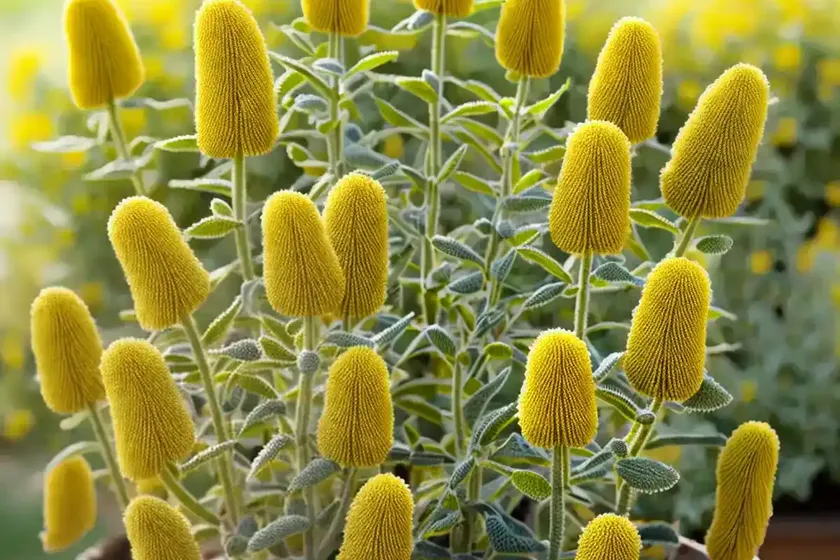
Phlomis lanata, commonly known as Woolly Jerusalem Sage or simply Woolly Sage, is a stunning perennial plant that belongs to the family Lamiaceae. This shrubby, evergreen plant is native to the Mediterranean region, particularly found in countries like Greece, Turkey, and Cyprus. The plant is admired for its attractive woolly foliage and unique architectural structure, making it a popular choice for landscape and garden designs.
Phlomis lanata has gained popularity not only for its ornamental value but also for its cultural and medicinal uses. Its resilience to drought and tolerance to poor soil conditions make it a versatile and low-maintenance plant, suitable for various gardening settings. In this comprehensive guide, we will delve into the cultivation, care, and uses of Phlomis lanata, providing valuable insights for both novice and experienced gardeners.
Let’s explore the various facets of this fascinating plant, from its growth requirements to its role in wildlife habitats, as well as its significance in garden designs and landscaping.
Key Takeaways – Phlomis lanata (Woolly Jerusalem Sage)
Before we delve into the finer details of Phlomis lanata, let’s highlight some key takeaways about this intriguing plant:
- Common Names: Phlomis lanata, Woolly Jerusalem Sage, Woolly Sage
- Characteristics: Woolly foliage, architectural structure, pale yellow flowers
- Growth Type: Perennial shrub
- Growth Habitat: Native to the Mediterranean region
- Cultural Uses: Medicinal properties, ornamental plant
- Water Requirements: Drought-tolerant once established
- Sunlight: Thrives in full sunlight to partial shade
- Soil Requirements: Well-draining, sandy, or gravelly soils
- Pruning: Minimal pruning required for maintenance
- Propagation: Can be propagated from seeds or cuttings
- Popularity: Widely used in garden designs, popular for its wildlife-attracting properties
Now that we have an overview of the key aspects of Phlomis lanata, let’s delve deeper into each of these facets to gain a comprehensive understanding of this plant’s cultivation and care.
Culture
Water
Phlomis lanata is renowned for its exceptional drought tolerance once it has been well-established in the garden. When initially planting the Woolly Jerusalem Sage, it is crucial to ensure regular watering to aid in its establishment and promote healthy root development. However, once mature, the plant typically thrives in dry conditions and is well-adapted to arid environments.
- Establishment: Regular watering to establish the plant (approximately 1-2 times per week, depending on soil and weather conditions)
- Mature Plants: Minimal watering required, ideally during prolonged dry spells or extreme heat
- Soil Moisture: Well-draining soil to prevent waterlogging, particularly during the winter months
- Watering Tips: Water deeply but infrequently to encourage deep root growth and drought resistance
Sunlight
Woolly Jerusalem Sage is known for its affinity towards abundant sunlight. Adequate exposure to sunlight ensures the plant’s robust growth and prolific blooming. However, it can also tolerate partial shade, making it a versatile choice for different garden settings.
- Sun Exposure: Thrives in full sunlight
- Partial Shade: Tolerant of partial shade, particularly in hot climates
- Sunlight Requirements: 6-8 hours of direct sunlight per day for optimal growth and flowering
- Shade Considerations: In regions with intense heat, partial shade during the hottest part of the day can benefit the plant
Fertilizer
Phlomis lanata is a relatively low-maintenance plant when it comes to fertilization. It thrives in nutrient-poor soils and excessive fertilization can lead to excessive foliage growth at the expense of flowering. However, a light application of balanced fertilizer in spring can support healthy growth and blooming.
- Fertilization Timing: Apply a balanced fertilizer in early spring before new growth begins
- Fertilizer Type: Balanced, slow-release fertilizer or a natural, organic alternative
- Fertilizer Quantity: Use sparingly to avoid excessive foliage growth
Soil
The Woolly Jerusalem Sage prefers well-draining soils with a preference for sandy or gravelly compositions. These soil qualities help prevent waterlogging, which can be detrimental to the plant’s health, particularly during periods of prolonged wetness.
- Soil Type: Well-draining, sandy, or gravelly soils
- Soil pH: Tolerant of a wide range of soil pH levels
- Moisture Considerations: Avoid waterlogged soils to prevent root rot
- Soil Amendments: Minimal soil amendments required, particularly in nutrient-poor soils
Uses
Medicinal Properties
Apart from its ornamental value, Phlomis lanata has been traditionally used for its medicinal properties, particularly in the Mediterranean region. The plant contains bioactive compounds that have been attributed to various therapeutic benefits.
- Traditional Uses: Used in herbal medicine for its purported anti-inflammatory and antimicrobial properties
- Topical Applications: Infusions and extracts used for skincare and wound healing
- Modern Research: Subject of scientific studies exploring its pharmaceutical potential
Garden Plant
In garden settings, Phlomis lanata serves multiple purposes, making it a highly versatile choice for landscapers and gardeners. Its attractive foliage, drought tolerance, and wildlife-attracting properties make it a valuable addition to various garden designs.
- Ornamental Value: Striking architectural structure, woolly foliage, and pale yellow flowers add visual interest to gardens
- Wildlife Attraction: Pollinator-friendly, attracting bees and other beneficial insects
- Drought Tolerance: Ideal for water-wise gardens and xeriscaping
- Garden Uses: Borders, rock gardens, and Mediterranean-style landscapes
Pruning
Phlomis lanata generally requires minimal pruning for maintenance. Deadheading the faded flowers can promote additional blooms and prevent the plant from self-seeding in unwanted areas. In early spring, any damaged, crossing, or overcrowded stems can be pruned to maintain the plant’s shape and vigor.
- Pruning Occasions: Deadheading for prolonged blooming, occasional light shaping
- Timing: Prune in early spring before new growth begins
- Pruning Tips: Use clean, sharp pruning shears for precision and to prevent disease transmission
Propagation
Phlomis lanata can be propagated through seeds or cuttings. With proper care and suitable growing conditions, both methods can yield new plants to expand your garden or share with fellow gardening enthusiasts.
- Seed Propagation: Sow seeds in early spring in a well-prepared seedbed or containers
- Cutting Propagation: Take semi-ripe cuttings in late spring or early summer, rooting them in a suitable propagation medium
- Propagation Considerations: Provide consistent moisture and warmth for successful germination or rooting
Container Popularity
The Woolly Jerusalem Sage’s adaptability to container gardening has contributed to its popularity among urban and space-constrained gardeners. Its striking appearance and low maintenance requirements make it an attractive choice for container displays on patios, balconies, and terraces.
- Container Type: Well-draining, moderately sized containers
- Soil Considerations: Use well-draining potting mix to prevent waterlogging
- Sunlight Needs: Place containers in areas with ample sunlight for optimal growth
- Watering Care: Adjust watering frequency to suit container conditions, ensuring the soil does not dry out completely
Common Diseases
Disease Diagnosis
While Phlomis lanata is generally resilient to most common plant diseases, occasional issues may arise, particularly in conditions where growing requirements are not met. Proper diagnosis of these issues is crucial in implementing effective treatment measures.
- Common Issues: Root rot in waterlogged soils, powdery mildew in humid conditions
- Diagnosis Steps: Examine foliage for discoloration, wilting, or abnormal growth; inspect roots for signs of rot
- Consultation: Seek advice from local gardening experts or plant pathologists for accurate diagnosis
Common Pests
Phlomis lanata is relatively pest-resistant, owing to its aromatic foliage and resilient nature. However, certain pests may pose occasional threats to the plant’s health. Vigilance and preventative measures can help protect the Woolly Jerusalem Sage from potential pest infestations.
- Potential Pests: Aphids, spider mites, and scale insects
- Pest Monitoring: Regularly inspect foliage for signs of pest activity, such as stippling, webbing, or honeydew
- Control Measures: Natural predators, horticultural oils, and insecticidal soaps can be used to manage infestations
Botanist’s Tips
Fun Facts
Uncover some intriguing and lesser-known facts about Phlomis lanata that showcase its unique characteristics and contributions to the natural world:
- Ancient Roots: Phlomis plants have historical significance, with references in ancient Greek mythology and traditional medicine
- Aromatic Foliage: The plant’s woolly leaves exude a pleasant, aromatic scent when touched or brushed against
- Adaptive Qualities: Phlomis lanata exhibits remarkable resilience to harsh conditions, making it a survivor in challenging environments
- Habitat Importance: In its native range, the plant plays a role in supporting local wildlife and maintaining ecological balance
Links to External Resources
To further augment your knowledge of Phlomis lanata and enhance your gardening pursuits, here are some valuable external resources that offer detailed insights, practical tips, and scientific perspectives on the Woolly Jerusalem Sage:
- Royal Horticultural Society – Phlomis lanata
- Missouri Botanical Garden – Phlomis lanata
- University of California, Davis – Integrated Pest Management for Home Gardeners
- North Carolina State University – Plant Propagation by Stem Cuttings
Harness the wealth of knowledge available in these resources to enrich your understanding of Phlomis lanata and elevate your gardening endeavors to new heights.
In conclusion, Phlomis lanata, or Woolly Jerusalem Sage, stands as a captivating and valuable addition to gardens and landscapes, offering ornamental allure, ecological significance, and cultural relevance. By embracing its cultivation and caring for its unique needs, you can partake in preserving its legacy while enjoying the aesthetic and functional benefits it brings to your gardening spaces.
With its resilience, distinct features, and diverse applications, the Woolly Jerusalem Sage continues to captivate plant enthusiasts and contribute to the beauty and biodiversity of our natural world.
Remember, as you embark on your journey with Phlomis lanata, respect its heritage, appreciate its resilience, and savor the joy it brings to your garden and the environment.
Happy gardening!
Please note that the links provided are for informational purposes and do not imply endorsement of specific products, organizations, or services.
- “Phlomis lanata” Royal Horticultural Society, Available at: https://www.rhs.org.uk/plants/216067/i-phlomis-lanata-i/details
- “Phlomis lanata” Missouri Botanical Garden, Available at: https://www.missouribotanicalgarden.org/PlantFinder/PlantFinderDetails.aspx?taxonid=255483&isprofile=0&
- “Phlomis” University of California, Davis – Integrated Pest Management for Home Gardeners, Available at: https://ipm.ucanr.edu/PMG/GARDEN/PLANTS/phlomis.html
- “Plant Propagation by Stem Cuttings: Instructions for the Home Gardener” North Carolina State University, Available at: https://content.ces.ncsu.edu/plant-propagation-by-stem-cuttings-instructions-for-the-home-gardener


