Lampwick Plant (Phlomis Lychnitis)
Plants have always fascinated humans with their diversity and unique characteristics. Among these fascinating organisms, the Lampwick Plant (Phlomis.
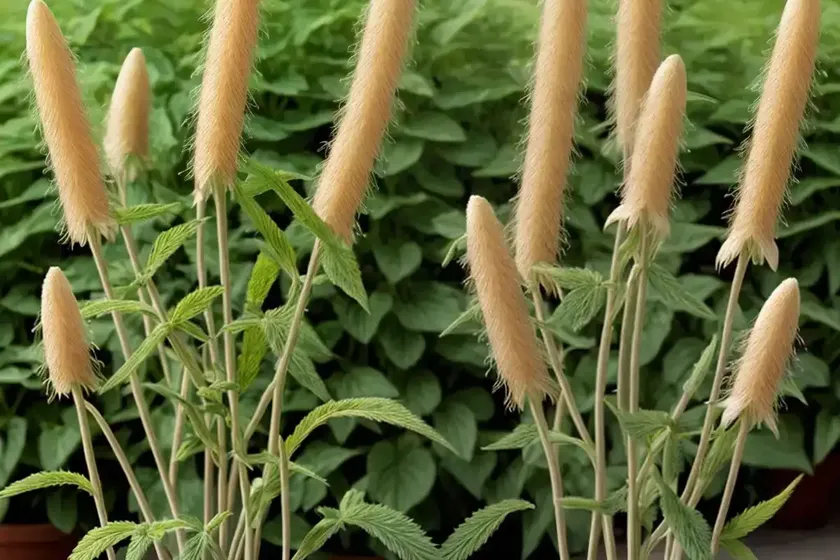
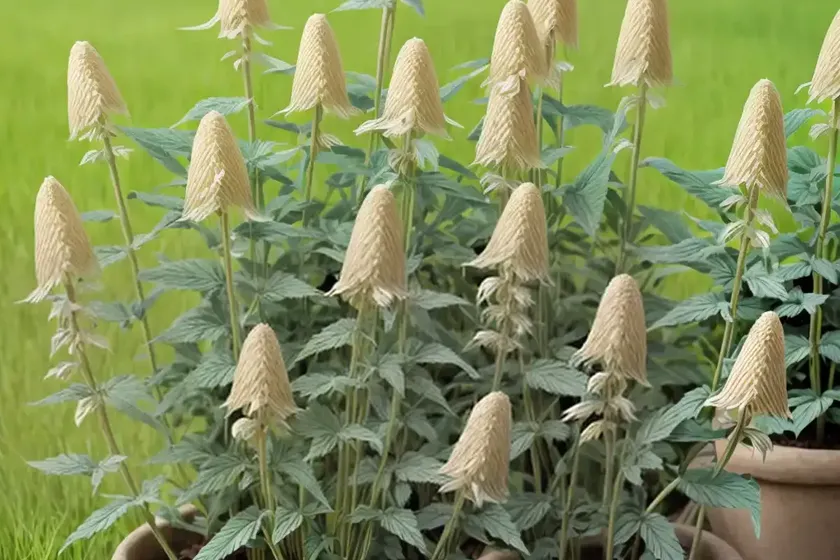
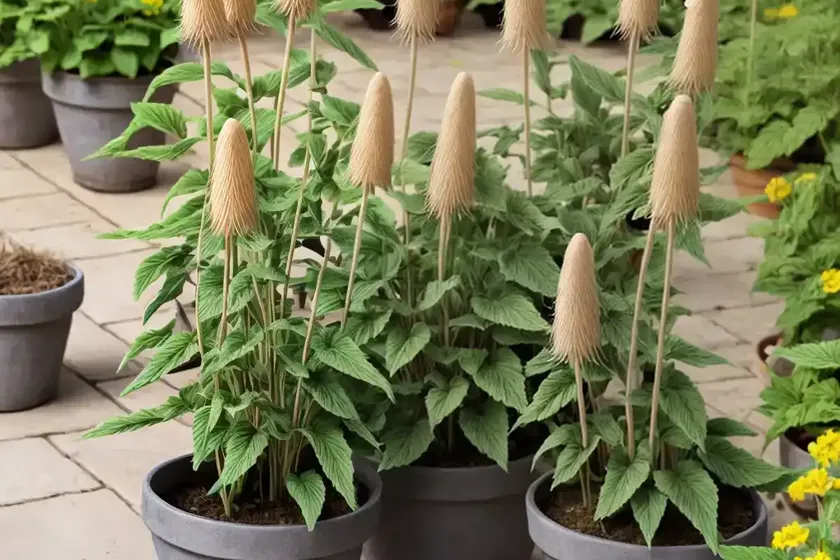
Plants have always fascinated humans with their diversity and unique characteristics. Among these fascinating organisms, the Lampwick Plant (Phlomis Lychnitis) stands out for its beautiful appearance and versatile uses. In this comprehensive guide, we will explore the cultivation, care, and interesting facts about the Lampwick Plant.
What is the Lampwick Plant (Phlomis Lychnitis)?
The Lampwick Plant, scientifically known as Phlomis Lychnitis, is a species of herbaceous perennial plant in the mint family, Lamiaceae. It is native to various regions around the Mediterranean, where it thrives in dry, rocky habitats. This plant is known for its attractive ornamental value, with its unique whorls of bright yellow flowers and striking foliage.
Key Takeaways – Lampwick Plant (Phlomis Lychnitis)
Let’s start with some key takeaways about the Lampwick Plant (Phlomis Lychnitis), focusing on its culture, uses, care requirements, and interesting attributes.
- Culture:
- Native to Mediterranean regions
- Thrives in dry, rocky habitats
- Uses:
- Ornamental plant
- Medicinal purposes
- Water:
- Drought-tolerant once established
- Moderate water needs during the growing season
- Sunlight:
- Thrives in full sun to partial shade
- Fertilizer:
- Minimal fertilization requirements
- Soil:
- Well-draining, slightly alkaline soil
- Pruning:
- Prune to maintain shape and size
- Propagation:
- Easily propagated from seeds or cuttings
- Container Popularity:
- Suitable for container gardening
- Common Diseases:
- Susceptible to fungal diseases in humid conditions
- Common Pests:
- Potential pest issues, especially with aphids
Now, let’s delve into the details of cultivating and caring for the Lampwick Plant, including its water, sunlight, fertilizer, soil, pruning, propagation, container gardening, as well as its popularity, common diseases, and pest management.
Culture
Native Habitat and Region
The Lampwick Plant, or Phlomis Lychnitis, is a native plant to the Mediterranean region. It thrives in dry, rocky habitats and is well-adapted to the arid climate of its natural environment. This plant can be found in countries such as Spain, Portugal, Italy, and Greece, where it enhances the natural beauty of the landscape with its vibrant blooms and striking foliage.
Historical and Cultural Uses
Throughout history, the Lampwick Plant has had various traditional uses. In addition to its ornamental value in gardens and landscapes, the plant has been utilized for its medicinal properties. Its leaves have been employed in traditional herbal medicine for their purported healing effects, particularly in treating skin conditions and minor ailments.
Lampwick Plant (Phlomis Lychnitis) – Care Guide
Water
The Lampwick Plant exhibits excellent drought tolerance once it is established in the garden. However, during its initial establishment and active growth periods, it benefits from moderate watering. In hot and dry climates, regular watering can help maintain the plant’s vitality, ensuring the health of its foliage and flowers.
Sunlight
This plant thrives in full sun to partial shade. It is well-adapted to the sunny Mediterranean climate, where it receives ample sunlight to fuel its growth and blooming. When grown in regions with intense sun exposure, providing partial shade during the hottest part of the day can prevent stress and maintain the plant’s vigor.
Fertilizer
The Lampwick Plant has minimal fertilizer requirements. During its growing season, a balanced, slow-release fertilizer can be applied sparingly to support healthy growth and flowering. It is important not to over-fertilize, as excessive nutrients can lead to lush foliage at the expense of flower production.
Soil
The Lampwick Plant thrives in well-draining, slightly alkaline soil. It is well-adapted to rocky, nutrient-poor soils often found in its native Mediterranean habitat. When cultivating the plant in gardens or containers, providing well-draining soil is crucial to prevent waterlogged conditions, which can lead to root rot and other issues.
Pruning
Pruning the Lampwick Plant is primarily done to maintain its shape and control its size. In late winter or early spring, the plant can be pruned to remove any dead or damaged growth, as well as to shape the foliage. This helps promote a neat and compact growth habit, enhancing the plant’s ornamental appeal in the garden or landscape.
Propagation
Phlomis Lychnitis is easily propagated from both seeds and cuttings. When propagating from seeds, collecting ripe seed capsules and sowing them in well-draining soil in the autumn can yield new plants. Stem cuttings taken in late spring or early summer can also be rooted to produce new specimens. Both methods offer viable means of propagating this beautiful plant.
Container Gardening with the Lampwick Plant
The Lampwick Plant’s attractive appearance, adaptability, and minimal care requirements make it a popular choice for container gardening. Here are some tips for successfully growing the Lampwick Plant in containers:
- Container Selection: Choose a well-draining container with adequate drainage holes to prevent waterlogging.
- Soil: Use a slightly alkaline, well-draining potting mix to replicate its preferred soil conditions.
- Placement: Position the container in a location that receives sufficient sunlight, ensuring the plant’s needs for light are met.
- Watering: Monitor soil moisture and water the plant when the top inch of the soil is dry, adjusting the frequency based on environmental conditions.
- Fertilization: Use a balanced, slow-release fertilizer applied according to the product’s instructions to support the plant’s growth and flowering.
- Maintenance: Regularly check the plant for signs of pests or diseases, and provide the necessary care to maintain its health and vigor.
Popularity and Ornamental Value
The Lampwick Plant has gained popularity among gardeners and landscape enthusiasts for several reasons. It offers a striking visual appeal with its whorls of bright yellow flowers and attractive foliage. Its adaptability to dry, rocky environments and minimal water and maintenance requirements make it an ideal choice for water-wise gardens and low-maintenance landscapes.
Common Diseases and Disease Diagnosis
Although the Lampwick Plant is generally resilient, it can be susceptible to certain diseases, particularly in humid or poorly ventilated conditions. Common diseases that may affect this plant include fungal infections such as powdery mildew and root rot. Regular monitoring of the plant’s foliage and overall health can aid in early detection and prompt treatment of any potential issues.
Common Pests and Pest Management
Pest infestations can pose challenges to the health and vitality of the Lampwick Plant. Aphids are among the potential pests that may affect this plant, feeding on its sap and causing damage to the foliage. Implementing integrated pest management practices, such as encouraging natural predators and regularly inspecting the plant for signs of pests, can help mitigate potential infestations.
Botanist’s Tips for Growing and Caring for the Lampwick Plant
Here are some expert tips for successfully growing and caring for the Lampwick Plant:
- Soil Drainage: Ensure that the plant is not subjected to waterlogged conditions, as good soil drainage is crucial for its health and vigor.
- Sun Exposure: Provide the plant with ample sunlight, especially in cooler climates, to promote robust growth and flowering.
- Pruning Techniques: Use sanitized pruning tools to maintain the plant’s shape and remove any dead or damaged growth.
- Watering Management: Adjust the frequency of watering based on the plant’s specific needs and environmental conditions to prevent both drought stress and waterlogged roots.
- Pest Control: Monitor the plant for signs of pest infestations, and consider natural methods of pest control to minimize the use of chemical treatments.
Fun Facts about the Lampwick Plant
- The common name “Lampwick Plant” is derived from the appearance of the dried stems, which were historically used as wicks for oil lamps.
- Phlomis Lychnitis is known for its drought tolerance, making it an excellent choice for xeriscaping and water-wise landscapes.
- The plant is a magnet for various pollinators, attracting bees, butterflies, and other beneficial insects with its abundant nectar-rich flowers.
Links to External Resources
For more information on the Lampwick Plant (Phlomis Lychnitis) and related topics, consider exploring the following external resources:
- Royal Horticultural Society – Phlomis Lychnitis
- University of California Agriculture and Natural Resources – Integrated Pest Management for Aphids
- Missouri Botanical Garden – Container Gardening Guide
In conclusion, the Lampwick Plant (Phlomis Lychnitis) is a fascinating and valuable addition to gardens and landscapes, offering ornamental beauty, adaptability, and an array of uses. By understanding its cultivation and care requirements, as well as appreciating its unique characteristics, gardeners can successfully incorporate this remarkable plant into their outdoor spaces.
References
- Royal Horticultural Society. (n.d.). Phlomis Lychnitis. https://www.rhs.org.uk/plants/13751/phlomis-lychnitis/details
- University of California Agriculture and Natural Resources. (n.d.). Integrated Pest Management for Aphids. http://ipm.ucanr.edu/PMG/PESTNOTES/pn7404.html
- Missouri Botanical Garden. (n.d.). Container Gardening Guide. https://www.missouribotanicalgarden.org/gardens-gardening/your-garden/help-for-the-home-gardener/container-gardens.aspx


