Phlomis Fruticosa (Jerusalem Sage)
Plants have always been an essential part of our natural world, bringing beauty and life to our surroundings. One such plant is the Phlomis fruticosa.
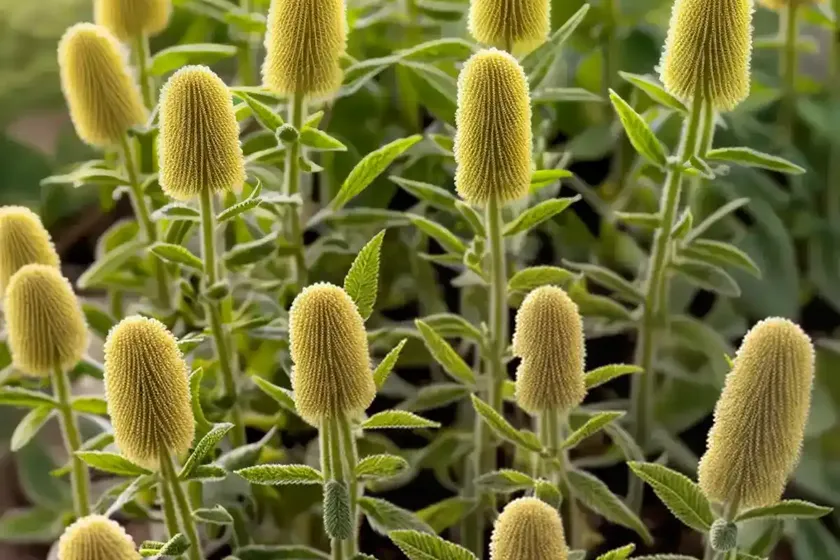
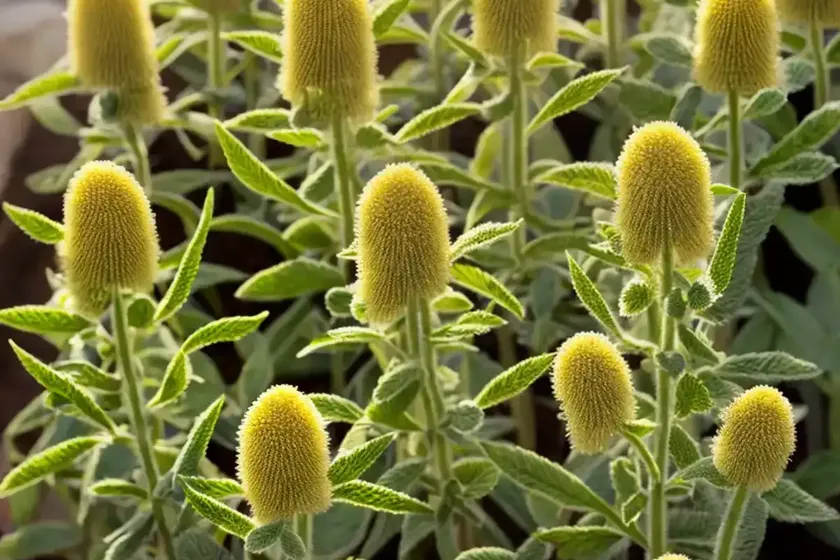
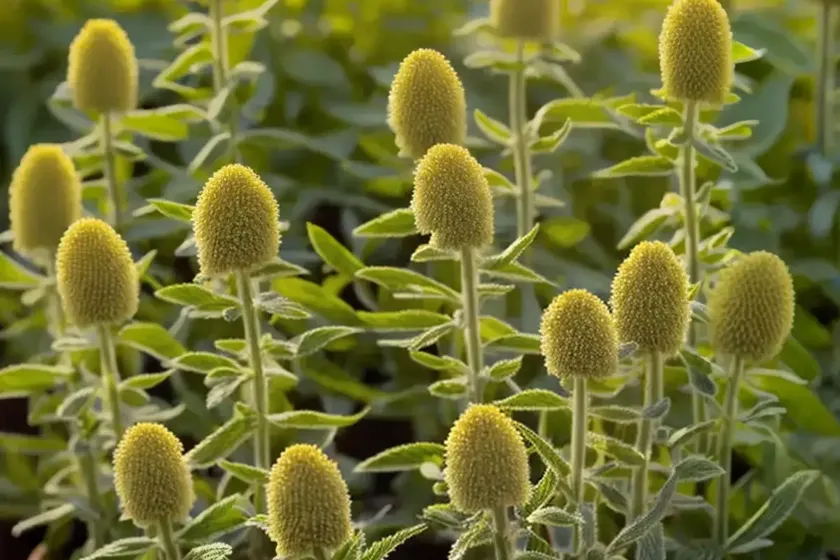
Plants have always been an essential part of our natural world, bringing beauty and life to our surroundings. One such plant is the Phlomis fruticosa, commonly known as Jerusalem Sage. This versatile and resilient plant has captured the attention of gardeners, landscapers, and botanists alike due to its unique features and benefits.
In this comprehensive guide, we will delve into the depths of Phlomis fruticosa, exploring its culture, uses, care requirements, and more. Whether you are new to gardening or an experienced plant enthusiast, this guide will equip you with the knowledge you need to cultivate and care for this remarkable plant.
What is Phlomis fruticosa (Jerusalem Sage)?
Phlomis fruticosa, also known as Jerusalem Sage, is an evergreen perennial shrub that belongs to the Lamiaceae family. This striking plant is native to the Mediterranean region, where it thrives in a variety of climates and terrains. The plant is characterized by its impressive ornamental value, drought tolerance, and medicinal properties, making it a sought-after addition to gardens, landscapes, and natural habitats.
Key Takeaways – Phlomis fruticosa (Jerusalem Sage)
Before we dive into the specific care requirements and uses of Phlomis fruticosa, let’s highlight some key takeaways about this remarkable plant:
- Common Name: Jerusalem Sage
- Botanical Name: Phlomis fruticosa
- Plant Type: Evergreen perennial shrub
- Family: Lamiaceae
- Native Habitat: Mediterranean region
- Notable Features: Drought tolerance, ornamental foliage, medicinal uses
- Uses: Garden landscaping, wildlife gardens, erosion control, herbal remedies
Now that we have an overview of Phlomis fruticosa, let’s explore its various aspects in detail, including its culture, uses, care requirements, and associated benefits.
Culture
Understanding the cultural requirements of Phlomis fruticosa is crucial for successfully growing and maintaining this plant. From its ideal growing conditions to its cultural significance, let’s delve into the cultural aspects of Jerusalem Sage.
Water
Phlomis fruticosa exhibits excellent drought tolerance, making it well-suited for dry and arid environments. While the plant can withstand periods of low water availability, it is essential to provide adequate moisture, especially during its establishment phase. Once established, Jerusalem Sage can thrive with minimal irrigation, making it an ideal choice for water-efficient landscapes and gardens.
Sunlight
Jerusalem Sage thrives in full sun to partial shade, making it adaptable to a wide range of light conditions. When selecting a planting location for Phlomis fruticosa, aim for a spot that receives ample sunlight for optimal growth and flowering. In regions with intense heat, providing some afternoon shade can help protect the plant from excessive heat stress.
Soil
The ideal soil for Phlomis fruticosa is well-draining and moderately fertile. This plant prefers soils with good drainage to prevent waterlogging, especially during the winter months. Additionally, Jerusalem Sage can tolerate a range of soil types, including sandy, loamy, or rocky soils commonly found in its native Mediterranean habitat.
Fertilizer
Phlomis fruticosa is not particularly demanding when it comes to fertilizer requirements. A balanced, general-purpose fertilizer applied in spring can support healthy growth and flowering. However, it is important not to over-fertilize the plant, as excessive nutrients can lead to lush foliage at the expense of its characteristic form and appearance.
Pruning
Pruning plays a pivotal role in maintaining the form and vitality of Phlomis fruticosa. Regular pruning helps remove dead or damaged growth, rejuvenate the plant, and promote a neat and compact shape. The best time to prune Jerusalem Sage is in late winter or early spring before the new growth emerges. As the plant ages, selective pruning can help prevent overcrowding and maintain its overall health.
Propagation
Phlomis fruticosa can be propagated through various methods, including seed propagation, division, and semi-hardwood cuttings. Each propagation method offers unique advantages and challenges, allowing growers to expand their Jerusalem Sage population through propagation. Let’s explore the different propagation techniques for Phlomis fruticosa:
-
Seed Propagation: Collect mature seeds from the plant in late summer, and sow them in well-draining seed-starting mix. Keep the soil consistently moist until the seeds germinate and establish.
-
Division: Divide mature Phlomis fruticosa plants in early spring or fall, ensuring that each division has sufficient roots and shoots. Replant the divisions in suitable locations to encourage rapid establishment.
-
Semi-Hardwood Cuttings: Take semi-hardwood cuttings from healthy, non-flowering shoots in summer, and root them in a well-draining propagation medium. Provide the appropriate conditions for the cuttings to develop roots and transition to independent plants.
Container Popularity
Phlomis fruticosa is well-suited for container cultivation, allowing growers to enjoy its ornamental foliage and attractive flowers on patios, balconies, and other confined spaces. When selecting a container for Jerusalem Sage, opt for a large, sturdy pot with sufficient drainage holes to prevent waterlogging. Container-grown Phlomis fruticosa requires regular watering and occasional fertilization to support its growth and vitality.
Common Diseases
While Phlomis fruticosa is relatively resilient to diseases, it is susceptible to certain issues that may affect its health and appearance. Recognizing and addressing common diseases is essential to ensure the well-being of Jerusalem Sage. The following are some common diseases that may impact Phlomis fruticosa:
-
Powdery Mildew: This fungal disease can manifest as a white powdery coating on the foliage, leading to reduced vigor and aesthetic appeal. To address powdery mildew, ensure proper air circulation around the plant and consider applying fungicidal treatments if the disease persists.
-
Root Rot: Excessive soil moisture or poor drainage can contribute to root rot in Phlomis fruticosa. To prevent this issue, avoid overwatering and cultivate the plant in well-draining soil to maintain healthy root conditions.
Disease Diagnosis
Diagnosing diseases in Phlomis fruticosa involves careful observation of the plant’s symptoms and assessing the environmental factors that may contribute to its health issues. When identifying diseases affecting Jerusalem Sage, consider the following diagnostic steps:
- Inspect the foliage, stems, and roots for any unusual discoloration, spots, or growths.
- Evaluate the environmental conditions, including moisture levels, light exposure, and airflow around the plant.
- Consult with a local horticultural extension service or plant health expert to receive professional guidance on disease diagnosis and management.
Common Pests
In addition to diseases, Phlomis fruticosa may encounter pest infestations that can compromise its growth and vigor. Recognizing common pests and implementing appropriate control measures is crucial to protect Jerusalem Sage from pest-related damage. Some common pests that may affect Phlomis fruticosa include:
-
Aphids: These small, soft-bodied insects can congregate on the new growth and underside of the foliage, causing yellowing and distortion of the leaves. Using insecticidal soaps or horticultural oils can effectively manage aphid populations on Jerusalem Sage.
-
Spider Mites: These minute pests can infest the foliage of Phlomis fruticosa, leading to stippling and webbing on the leaves. Regularly misting the plant and applying predatory mites or insecticidal treatments can help control spider mite infestations.
Botanist’s Tips
As a plant scientist and avid botanist, I have gathered valuable insights and tips for successfully cultivating and caring for Phlomis fruticosa. These botanist’s tips aim to enhance your understanding of Jerusalem Sage and improve your gardening practices:
-
Promote Air Circulation: Proper air circulation is crucial for preventing fungal diseases and maintaining overall plant health. When planting Phlomis fruticosa, ensure that there is adequate space between individual plants to encourage airflow and reduce humidity around the foliage.
-
Mulch Moderately: Applying a layer of organic mulch around the base of Phlomis fruticosa can help conserve soil moisture, regulate temperatures, and suppress weed growth. However, it is important to apply mulch moderately and avoid excessive mulch accumulation, which can lead to moisture retention and potential rotting.
-
Monitor Watering Closely: While Jerusalem Sage is drought-tolerant, it is important to monitor its moisture needs, especially during the establishment phase and prolonged dry spells. Use a combination of visual inspection and soil moisture testing to determine when to water Phlomis fruticosa, ensuring that the soil is allowed to dry slightly between watering sessions.
Fun Facts
Uncover the intriguing and captivating aspects of Phlomis fruticosa with these fun and fascinating facts:
- Wildlife Garden Charm: Jerusalem Sage attracts various pollinators, including bees and butterflies, making it a valuable addition to wildlife gardens and natural habitats.
- Aromatic Leaves: The foliage of Phlomis fruticosa exudes a pleasant, aromatic scent, adding sensory appeal to gardens and outdoor spaces.
- Drought Tolerant Landscaping: Due to its exceptional drought tolerance, Jerusalem Sage is a popular choice for xeriscaping and water-efficient landscaping projects.
Links to External Resources
To further expand your knowledge and exploration of Phlomis fruticosa, consider exploring the following external resources:
- Royal Horticultural Society – Phlomis fruticosa
- Missouri Botanical Garden – Phlomis fruticosa
- University of California – Phlomis fruticosa
- North Carolina State University – Phlomis fruticosa
By leveraging these valuable resources, you can gain a deeper understanding of Jerusalem Sage and its diverse applications in horticulture, landscape design, and ecological conservation.
In conclusion, the versatility and resilience of Phlomis fruticosa make it an exceptional plant with a wide array of uses and benefits. Whether you are drawn to its ornamental value, drought tolerance, or medicinal properties, Jerusalem Sage stands out as a captivating and valuable addition to any garden or landscape. By embracing the insights and recommendations presented in this comprehensive guide, you can embark on a rewarding journey of cultivating and caring for Phlomis fruticosa, unlocking its full potential in your natural environment.
Plant Name: Phlomis fruticosa (Jerusalem Sage)
As a dedicated plant scientist, I am committed to promoting the appreciation and conservation of remarkable plant species such as Phlomis fruticosa. By sharing knowledge and insights about this exceptional plant, we can foster a deeper connection with nature and enhance the beauty of our surroundings. Whether you are a seasoned gardener, a landscape enthusiast, or a nature lover, I invite you to explore and embrace the wonders of Jerusalem Sage, and witness its enduring charm in your own botanical endeavors.


