Philadelphus ‘Avalanche’ (Mock Orange)
Philadelphus ‘Avalanche’, commonly known as mock orange, is a delightful and versatile shrub that holds a special place in the hearts of passionate.
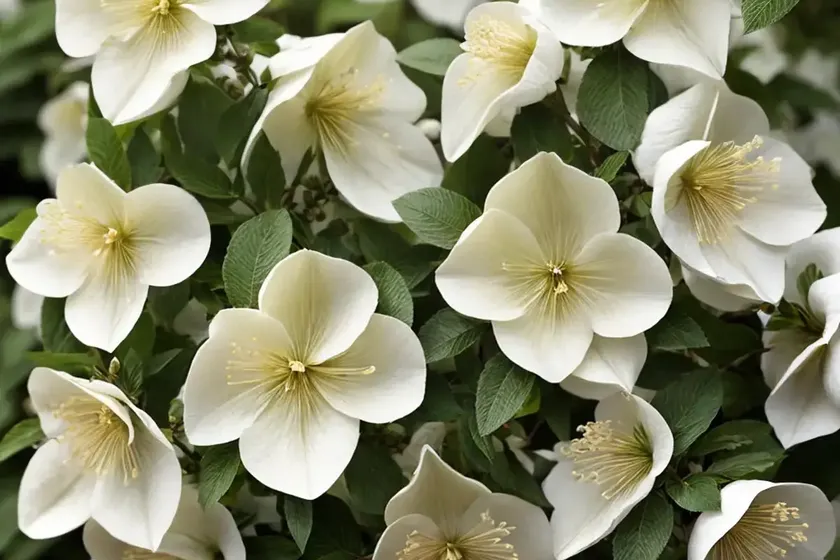
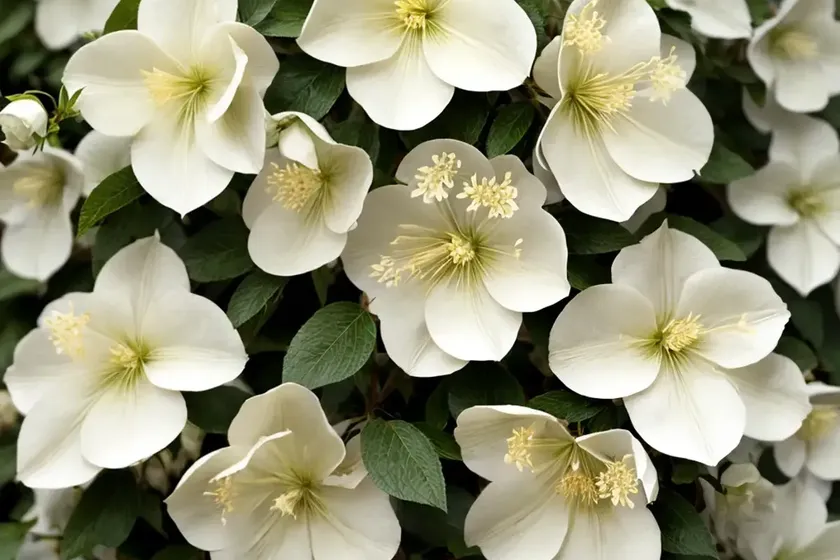
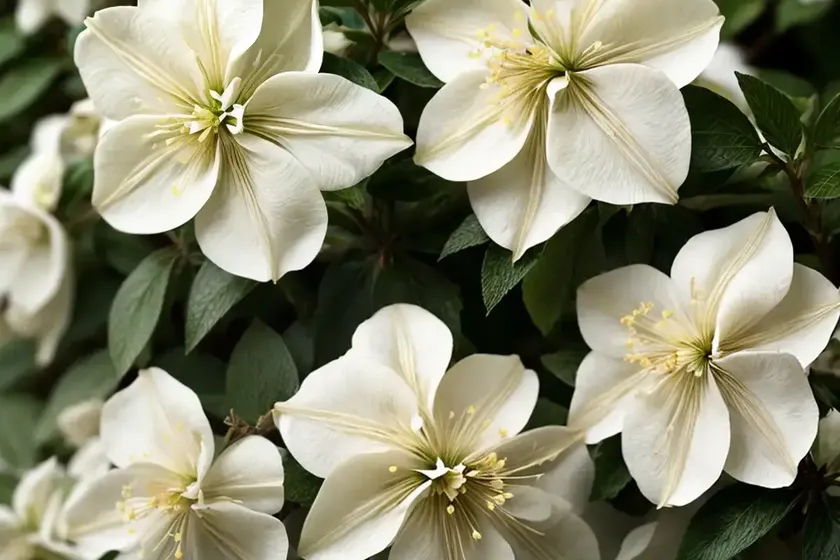
Philadelphus ‘Avalanche’, commonly known as mock orange, is a delightful and versatile shrub that holds a special place in the hearts of passionate gardeners and landscape designers. This plant is prized for its fragrant blossoms, easy-care nature, and ability to adapt to various growing conditions. In this comprehensive guide, we’ll delve into the various aspects of Philadelphus ‘Avalanche’, providing valuable insights into its characteristics, cultivation, care, and its role in garden and landscape design.
What is Plant: Philadelphus ‘Avalanche’ (Mock Orange)?
Philadelphus ‘Avalanche’, belonging to the genus Philadelphus and the Hydrangeaceae family, is a deciduous flowering shrub with an elegant, arching form. This cultivar is renowned for its profusion of fragrant, cup-shaped, white blossoms that resemble the flowers of citrus trees, hence the name “mock orange”. The plant typically blooms in late spring or early summer, enhancing gardens with its intoxicating fragrance and visual appeal.
Philadelphus ‘Avalanche’ Characteristics
The Philadelphus ‘Avalanche’ shrub exhibits several notable characteristics that contribute to its popularity:
- Fragrance: The flowers exude a sweet, citrusy fragrance that permeates the surrounding environment, attracting pollinators and delighting garden enthusiasts.
- Foliage: The deep green leaves provide a lush backdrop for the profusion of blooms, adding visual interest to the plant throughout the growing season.
- Growth Habit: This shrub boasts an arching growth habit, creating an attractive silhouette in the landscape.
- Flowering Season: Philadelphus ‘Avalanche’ typically blooms in late spring to early summer, offering a burst of elegant white flowers that captivate the eye and the senses.
Key Takeaways – Philadelphus ‘Avalanche’ (Mock Orange)
Before delving into the specific aspects of cultivating and caring for Philadelphus ‘Avalanche’, let’s start by summarizing the key takeaways.
Culture
- Philadelphus ‘Avalanche’ thrives in various growing conditions, making it a versatile addition to gardens and landscapes.
- The plant is adaptable to both urban and rural settings, offering a broad range of landscaping possibilities.
Uses
- Mock Orange is highly prized for its ornamental value, serving as a focal point in garden beds, borders, and mixed plantings.
- Its fragrant blooms and attractive foliage make it a popular choice for cut flower arrangements and adding visual and olfactory appeal to indoor spaces.
Water
- While this shrub is relatively drought-tolerant once established, regular watering is essential during the initial growth phase to promote healthy root development.
- Providing consistent moisture, especially during hot and dry periods, ensures prolific flowering and overall plant vitality.
Sunlight
- Philadelphus ‘Avalanche’ flourishes in full sun to partial shade, displaying optimal growth and abundant blooms under these conditions.
- When planted in partial shade, the plant may produce fewer flowers, but its lush foliage compensates for this, offering a visually appealing display.
Fertilizer
- Moderate feeding with a balanced, all-purpose fertilizer in spring promotes healthy growth and prolific flowering.
- Incorporating organic matter into the soil during planting provides essential nutrients and improves overall soil quality, enhancing the shrub’s performance.
Soil
- Well-draining, loamy soil with a slightly acidic to neutral pH is ideal for Philadelphus ‘Avalanche’.
- Amending heavy or compacted soils with organic matter improves drainage, aeration, and nutrient availability, fostering optimal plant health.
Pruning
- Pruning is essential for maintaining the plant’s shape, removing dead or damaged wood, and encouraging vigorous new growth.
- After the blooming period, light pruning helps rejuvenate the shrub and enhances its aesthetic appeal.
Propagation
- Mock Orange can be propagated through softwood or hardwood cuttings, providing an economical means of expanding your plant collection.
- Careful attention to moisture, temperature, and humidity during the propagation process ensures successful establishment of new plants.
Container Popularity
- Philadelphus ‘Avalanche’ is well-suited for container planting, enabling gardeners with limited space to enjoy its beauty and fragrance on patios, balconies, and other outdoor areas.
Philadelphus ‘Avalanche’ (Mock Orange) Care Guide
To cultivate Philadelphus ‘Avalanche’ successfully and harness its full ornamental potential, it’s crucial to provide attentive care and meet its specific cultural requirements. Let’s explore the various aspects of caring for this exquisite shrub.
Water Requirements
Proper watering is essential for the health and vitality of Philadelphus ‘Avalanche’. Here are the key considerations for meeting its water needs:
- Establishment Phase: Newly planted shrubs require regular watering during the first growing season to encourage strong root establishment and vigorous growth. Providing approximately 1 inch of water per week is recommended, adjusting based on local climate and soil conditions.
- Mature Plants: Once established, mock orange is relatively drought-tolerant and can withstand short periods of reduced moisture. However, prolonged drought conditions can impact flowering and overall plant health, necessitating supplemental irrigation during dry spells to support optimal growth and blooming.
Sunlight Preferences
Proper sunlight exposure is vital for promoting robust growth and abundant flowering in Philadelphus ‘Avalanche’:
- Full Sun: Planting in a location that receives full sun (generally defined as 6 or more hours of direct sunlight per day) promotes prolific blooming and ensures vigorous growth. In full sun, the plant exhibits its best performance, producing an abundance of fragrant blossoms and lush foliage.
- Partial Shade: While mock orange can tolerate partial shade, its flowering may be slightly reduced under these conditions. However, the lush green foliage compensates for the lesser floral display, making it an appealing choice for shaded areas.
Fertilization
A balanced approach to fertilization supports the overall health and blooming capacity of Philadelphus ‘Avalanche’:
- Spring Feeding: Apply a balanced, all-purpose fertilizer in early spring before new growth emerges to provide essential nutrients for the upcoming growing season. Incorporating a slow-release formula ensures a steady nutrient supply, supporting sustained growth and abundant flowering.
- Organic Amendments: Amending the planting area with well-rotted organic matter, such as compost or aged manure, before planting enhances soil fertility and nutrient availability. This organic amendment improves soil structure and encourages beneficial microbial activity, creating an optimal environment for the shrub to thrive.
Soil Preferences
The appropriate soil conditions are pivotal for the well-being and longevity of Philadelphus ‘Avalanche’:
- Well-Draining Soil: Ensuring good drainage is crucial for preventing waterlogged conditions that can lead to root rot and other moisture-related issues. Amending heavy or poorly draining soils with organic matter, such as peat moss or compost, enhances soil structure and promotes adequate drainage.
- Soil pH: Mock orange thrives in slightly acidic to neutral soil (pH 6.0 to 7.0). Conducting a soil test before planting helps determine the existing pH level, allowing for targeted amendments if necessary to create an optimal growing environment for the shrub.
Pruning Guidelines
Pruning plays a vital role in maintaining the form, health, and flowering prowess of Philadelphus ‘Avalanche’:
- Post-Blooming Pruning: After the flowering period concludes, conduct light pruning to remove spent blooms, wayward growth, and any damaged or dead wood. This encourages the development of new shoots and promotes a tidy, well-structured appearance.
- Renewal Pruning: Periodic renewal pruning, especially for older, overgrown shrubs, involves selectively removing older stems at ground level to stimulate vigorous new growth and rejuvenate the plant. Timing this rejuvenation pruning right after the flowering season allows ample time for new growth to develop.
Propagation Methods
Expanding your collection of Philadelphus ‘Avalanche’ through propagation offers an economical and rewarding way to cultivate new plants:
- Softwood Cuttings: Propagation from softwood cuttings taken in late spring to early summer offers a reliable method for acquiring genetically identical offspring of the parent plant. Careful attention to moisture and humidity levels during the rooting process ensures successful establishment of new plants.
- Hardwood Cuttings: Hardwood cuttings, taken in late autumn to early winter, can also be utilized for propagation. These cuttings, collected from the current season’s growth, require a longer rooting period but often result in robust, healthy plants once established.
Container Gardening
Philadelphus ‘Avalanche’ adapts well to container cultivation, offering an excellent option for gardeners with limited space:
- Container Selection: Choose a large, sturdy container with adequate drainage holes to accommodate the plant’s root system and facilitate proper soil aeration and moisture management.
- Potting Mix: Use a well-draining potting mix formulated for woody plants and amend it with organic matter to support healthy growth and flowering.
- Care Considerations: Container-grown shrubs necessitate more frequent watering than their in-ground counterparts and may benefit from a balanced liquid fertilizer application during the growing season to bolster their nutrient intake.
Mock Orange Varieties
In addition to the beloved ‘Avalanche’, the world of mock oranges offers a diverse array of captivating varieties, each exhibiting unique characteristics and ornamental traits:
- Philadelphus ‘Belle Etoile’: This variety enchants with its abundant, single, white blossoms bearing a purple basal blotch, exuding a sweet fragrance similar to that of ‘Avalanche’.
- Philadelphus coronarius: Commonly known as sweet mock orange, this species is revered for its pristine white blossoms and powerful, citrusy fragrance, enriching gardens and landscapes with its timeless appeal.
- Philadelphus ‘Manteau D’hermine’: Displaying elegant, double white flowers against a backdrop of deep green foliage, this variety captivates with its refined beauty and enchanting fragrance, adding a touch of sophistication to garden settings.
Benefits of Planting Philadelphus ‘Avalanche’
Cultivating Philadelphus ‘Avalanche’ in your garden offers an array of compelling benefits that make this shrub a standout choice for gardeners and landscape enthusiasts:
- Fragrant Delight: The sweet, citrusy fragrance of the blooms elevates outdoor spaces and indoor arrangements, creating an enchanting sensory experience for garden visitors and indoor occupants alike.
- Easy Care: Mock orange is remarkably low-maintenance once established, requiring minimal intervention beyond regular watering, occasional pruning, and fertilization to maintain its vigor and beauty.
- Ornamental Charm: The profusion of elegant white blossoms and lush foliage enhances the visual appeal of garden beds, borders, and mixed plantings, serving as a striking focal point in landscape designs.
- Wildlife Attractor: The fragrant blooms of Philadelphus ‘Avalanche’ entice a variety of pollinators, such as butterflies and bees, contributing to the ecological vitality of the garden and supporting local biodiversity.
Mock Orange Landscaping Ideas
Integrating Philadelphus ‘Avalanche’ into your landscape design opens up myriad creative possibilities, allowing you to craft visually captivating and aromatically engaging outdoor spaces. Consider the following landscaping ideas to harness the ornamental potential of this exceptional shrub:
- Focal Point Planting: Position ‘Avalanche’ as a focal point in a prominent area of the garden to showcase its elegant form and fragrant blossoms, drawing attention and admiration from visitors.
- Mixed Borders: Pair mock orange with a diverse selection of complementary perennials, shrubs, and ornamental grasses to create dynamic, multi-seasonal borders teeming with color, texture, and fragrance.
- Pollinator Gardens: Cultivate a dedicated pollinator garden featuring ‘Avalanche’ alongside an assortment of nectar-rich flowering plants, fostering a haven for bees, butterflies, and other beneficial insects.
- Fragrance Gardens: Incorporate mock orange into a fragrance garden, blending its intoxicating scent with other aromatic plants to create a sensory oasis that delights the olfactory senses.
Philadelphus ‘Avalanche’ for Gardeners
For gardeners seeking a resilient, visually appealing, and fragrant addition to their outdoor spaces, Philadelphus ‘Avalanche’ ticks all the boxes, offering a host of captivating attributes:
- Versatile Appeal: Mock orange adapts to a broad range of growing conditions, from urban gardens to rural landscapes, making it an adaptable and versatile choice for diverse gardening settings.
- Sensory Delight: The alluring fragrance of its blossoms enriches garden environments with a sweet, citrusy scent, creating an immersive sensory experience for gardeners and visitors alike.
- Low Maintenance: Once established, this shrub requires minimal intervention, allowing gardeners to enjoy its beauty without extensive upkeep or specialized care demands, making it an excellent choice for those with limited time for gardening tasks.
Mock Orange Flowering Season
Philadelphus ‘Avalanche’ typically blooms in late spring to early summer, treating garden enthusiasts to a captivating floral display that enhances outdoor spaces with its elegant beauty and entrancing fragrance. The precise duration of the flowering period may vary based on local climate, environmental conditions, and specific cultivar characteristics.
Philadelphus ‘Avalanche’ Pruning Tips
Pruning plays a crucial role in shaping and maintaining the form and health of Philadelphus ‘Avalanche’. Here are essential pruning tips to guide the proper care of this delightful shrub:
- Post-Flowering Pruning: Conduct light pruning after the blooming period to remove spent blooms, wayward growth, and any damaged or dead wood, promoting a tidy, attractive appearance.
- Rejuvenation Pruning: For older, overgrown shrubs, consider renewal pruning to invigorate the plant by selectively removing older stems at ground level, stimulating robust new growth and enhancing the plant’s overall vigor and floral abundance.
Mock Orange Fragrance
The blossoms of Philadelphus ‘Avalanche’ emit a captivating, sweet fragrance, reminiscent of citrus blossoms, elevating garden environments with their alluring scent. This inherent fragrance makes mock orange a popular choice for enhancing outdoor spaces and indoor arrangements, infusing them with an enchanting, aromatic allure.
Philadelphus ‘Avalanche’ Growth Habits
Philadelphus ‘Avalanche’ exhibits distinct growth habits that contribute to its visual appeal and overall suitability for garden and landscape settings:
- Arching Form: The shrub’s graceful, arching form creates an elegant silhouette, adding a sense of movement and fluidity to the landscape.
- Vigorous Growth: Under favorable growing conditions, ‘Avalanche’ demonstrates vigorous growth, steadily increasing in size and producing an abundance of new shoots and blossoms each season.
Mock Orange Plant Selection
When selecting Philadelphus ‘Avalanche’ for your garden or landscape, consider its specific cultural requirements, such as soil, sunlight, and watering needs, to ensure optimal performance and long-term success. Additionally, evaluate the space available and the intended design and function of the plant within the overall landscape scheme.
Philadelphus ‘Avalanche’ for Wildlife Gardens
The fragrant, nectar-rich blossoms of Philadelphus ‘Avalanche’ serve as a valuable food source for a variety of pollinators, making this shrub an excellent addition to wildlife gardens that aim to support local biodiversity and provide essential resources for beneficial insects.
Mock Orange in Different Climates
Philadelphus ‘Avalanche’ exhibits remarkable adaptability to diverse climates, thriving in a range of growing conditions, from temperate regions to more challenging environments. This versatility makes it a compelling choice for gardeners seeking a resilient, visually appealing shrub for their outdoor spaces.
Philadelphus ‘Avalanche’ Disease Resistance
While mock orange is generally resistant to most pests and diseases, attention to cultural practices, such as proper watering, soil management, and pruning, helps maintain the plant’s vigor and resilience against potential stressors.
Mock Orange as a Privacy Screen
The lush foliage and arching growth habit of Philadelphus ‘Avalanche’ make it a superb choice for creating a natural privacy screen or informal hedge, providing visual separation and enhancing the overall aesthetic of outdoor living spaces.
Philadelphus ‘Avalanche’ Propagation Methods
Propagating Philadelphus ‘Avalanche’ through softwood or hardwood cuttings offers an effective means of expanding your plant collection and sharing this delightful shrub with fellow gardening enthusiasts. Careful attention to environmental conditions and attentive care during the rooting process enhances the success rate of propagation efforts.
Mock Orange Companion Plants
Pairing Philadelphus ‘Avalanche’ with compatible companion plants adds depth, diversity, and visual interest to garden beds and borders, creating harmonious plant combinations that amplify the ornamental appeal of outdoor spaces.
Philadelphus ‘Avalanche’ Container Gardening
Incorporating ‘Avalanche’ into container gardens provides an opportunity for gardeners with limited outdoor space to enjoy the beauty and fragrance of this exceptional shrub on balconies, terraces, and patios, enhancing these settings with its captivating floral display.
Mock Orange for Coastal Gardens
The adaptability of Philadelphus ‘Avalanche’ to various growing conditions extends to coastal gardens, where it thrives in the unique environmental challenges posed by coastal climates, including salt-laden winds and sandy soils.
Philadelphus ‘Avalanche’ Water Requirements
Adequate moisture is essential to support the growth, flowering, and overall vitality of Philadelphus ‘Avalanche’, especially during the establishment phase and periods of prolonged dryness. Understanding the water needs of the shrub helps ensure its sustained health and successful cultivation.
Mock Orange in Full Sun or Shade
While Philadelphus ‘Avalanche’ flourishes in full sun, providing ideal conditions for optimal growth and abundant flowering, it also tolerates partial shade, displaying resilient performance and an attractive foliage display under these conditions.
Philadelphus ‘Avalanche’ Soil Preferences
Meeting the specific soil preferences of Philadelphus ‘Avalanche’ is paramount to establishing an optimal growing environment for the shrub. Well-draining, slightly acidic to neutral soil with good fertility and structure supports its health and ornamental performance.
Mock Orange and Pollinators
The fragrant blossoms of Philadelphus ‘Avalanche’ attract a variety of pollinators, including butterflies, bees, and other beneficial insects, contributing to ecosystem health and supporting local biodiversity in the garden and surrounding landscape.
Philadelphus ‘Avalanche’ Winter Care
Providing suitable care during the winter season ensures the resilience and vitality of Philadelphus ‘Avalanche’, safeguarding the plant against potential cold damage and environmental stressors that may arise during the colder months.
Mock Orange as a Hedge
The vigorous growth habit, lush foliage, and fragrant blooms of Philadelphus ‘Avalanche’ make it an excellent candidate for creating natural hedges that delineate garden boundaries, provide privacy, and enhance the aesthetic appeal of outdoor spaces.
Philadelphus ‘Avalanche’ Landscape Design
In landscape design, Philadelphus ‘Avalanche’ shines as a


