Sweet Mock Orange (Philadelphus Coronarius)
Philadelphus coronarius, more commonly known as sweet mock orange, is a deciduous shrub belonging to the Hydrangeaceae family. This plant is widely.
What is a Sweet Mock Orange (Philadelphus Coronarius)?
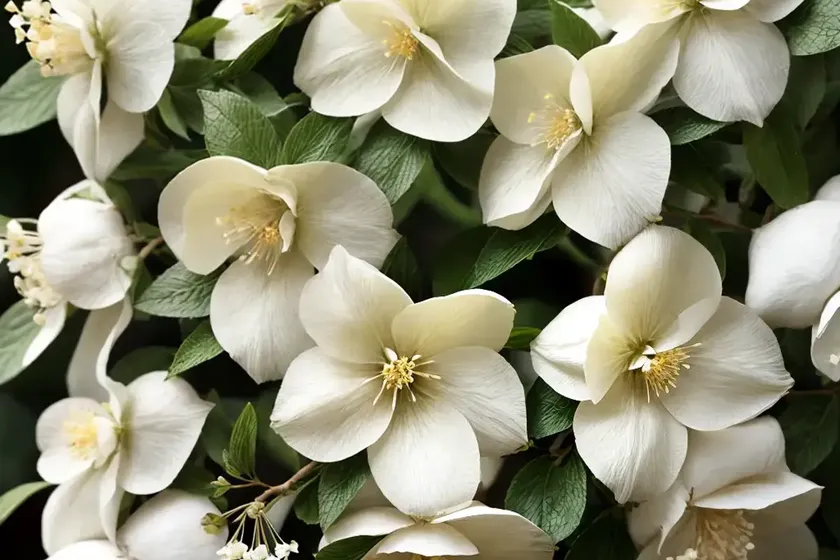
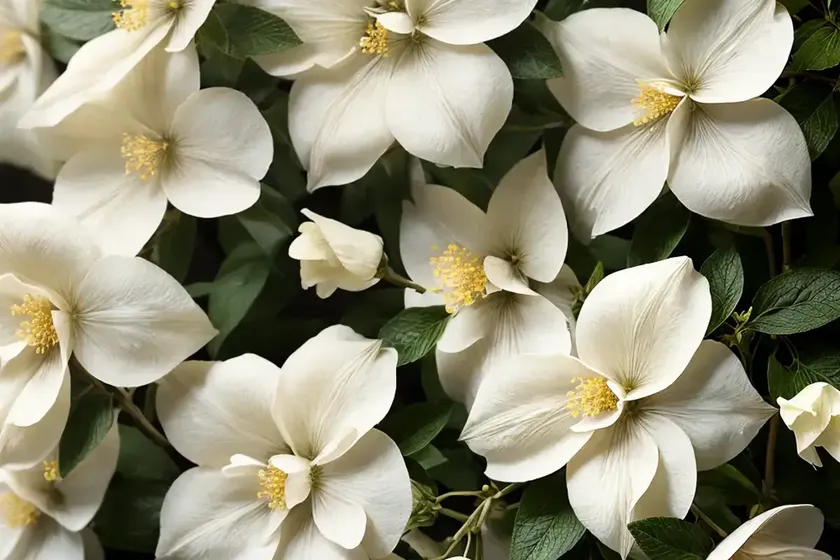
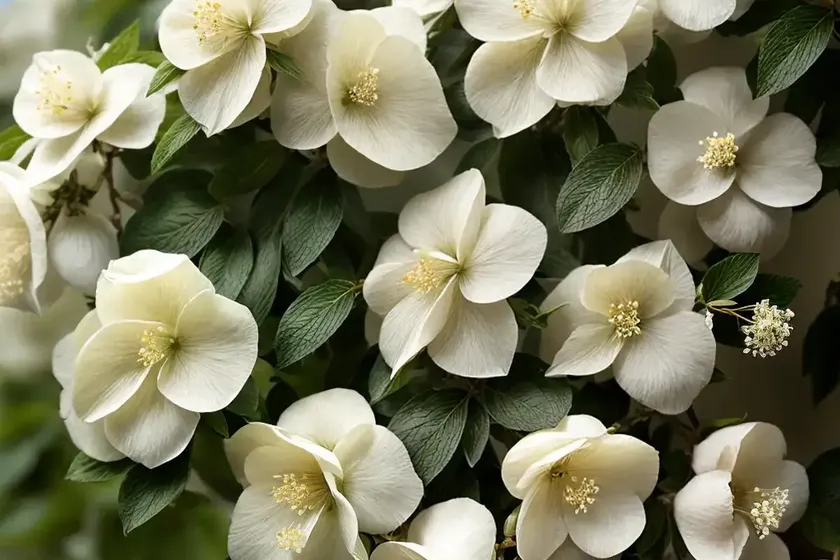
Philadelphus coronarius, more commonly known as sweet mock orange, is a deciduous shrub belonging to the Hydrangeaceae family. This plant is widely recognized for its stunning, aromatic white flowers that exude a sweet, citrusy fragrance, thus earning it the moniker “mock orange.” The genus name Philadelphus is derived from the Greek words “phileo” and “adelphos,” which translate to “loving” and “brother” respectively, indicating the close relationship of the plant’s stamens.
Sweet mock orange is native to Southern Europe, particularly the region stretching from Italy through the Balkans. However, it thrives in temperate climates worldwide and has been naturalized in various locations, including North America. It flourishes in gardens, parks, and woodland areas, serving as an appealing ornamental shrub that captivates with its charming blooms and delightful scent.
Key Takeaways – Sweet Mock Orange (Philadelphus Coronarius)
Before delving into the cultivation, uses, and care of the sweet mock orange plant, let’s outline some key takeaways associated with this captivating shrub.
Cultivation
- Sweet mock orange is a deciduous shrub known for its upright, arching growth habit.
- Its dark green, ovate leaves create an attractive backdrop for the fragrant white blooms.
- The plant typically reaches a height and spread of 6 to 10 feet, and its growth rate is moderate.
- Sweet mock orange thrives in temperate climates and is generally hardy in USDA hardiness zones 4 to 8.
Uses
- The delightful fragrance and ornamental appeal of sweet mock orange make it a popular choice for landscapes, gardens, and parks.
- The flowers can be used in fresh or dried floral arrangements to bring the sweet scent indoors.
Water
- As a general rule, sweet mock orange benefits from regular watering, particularly during dry spells or in the initial stages of growth.
- However, the plant is adaptable and can also endure brief periods of drought once established.
Sunlight
- Sweet mock orange thrives in full sun to partial shade, with about 6 to 8 hours of direct sunlight per day being ideal for robust growth and profuse blooming.
Fertilizer
- Applying a balanced, slow-release fertilizer in spring can provide the necessary nutrients for healthy growth and flowering.
Soil
- The plant prefers well-drained, fertile soil with a slightly acidic to neutral pH.
Pruning
- Pruning can be conducted post-flowering to maintain the desired shape and encourage vigorous growth the following season.
Propagation
- Sweet mock orange can be propagated through softwood cuttings or division, allowing for the easy expansion of its charming presence in the garden.
Container Popularity
- Due to its manageable size and captivating fragrance, sweet mock orange is a sought-after choice for container gardening, adding a touch of elegance to patios and balconies.
Common Diseases
- While generally resilient, sweet mock orange might be susceptible to common plant diseases such as powdery mildew and leaf spot.
Common Pests
- Aphids, scale insects, and spider mites are among the common pests that might affect sweet mock orange. Vigilance and prompt intervention are vital for pest control.
Now that we have glimpsed the essential characteristics and considerations associated with sweet mock orange, let’s explore in more detail the cultivation and care practices for this delightful shrub.
Botanist’s Tips: Cultivating and Caring for Sweet Mock Orange
Water
Proper watering is crucial for the well-being of sweet mock orange, especially during its establishment period and periods of dryness. Here are the key points to consider:
- Establishment: During the initial phases of growth, ensure consistent soil moisture, aiming to keep the root zone evenly moist (but not waterlogged).
- Mature Plants: Once established, sweet mock orange can tolerate short periods of drought. However, regular watering during extended dry spells contributes to better growth and flowering.
Sunlight
Optimal sunlight is essential for encouraging profuse blooming and maintaining vigorous growth. Consider the following guidelines:
- Full Sun: Providing at least 6 to 8 hours of direct sunlight daily is beneficial for promoting abundant flowering and robust foliage.
- Partial Shade: In exceptionally hot climates, some afternoon shade can be advantageous to prevent stress and sunscald.
Fertilizer
While sweet mock orange isn’t excessively demanding in terms of fertility, supplementing the soil with a balanced fertilizer at the right time can bolster its health and blooming potential:
- Spring Feeding: Applying a slow-release, balanced fertilizer in early spring, following the emergence of new growth, can provide the necessary nutrients for the upcoming growing season.
- Avoid Overfeeding: Refrain from excessive fertilization, as it can lead to lush foliage at the expense of flowers and might make the plant vulnerable to certain diseases.
Soil
Sweet mock orange thrives in well-drained, fertile soil with a slightly acidic to neutral pH:
- Drainage: Ensure the planting site provides proper drainage to prevent waterlogging, which can be detrimental to the plant’s roots.
- Soil Amendment: Incorporating organic matter such as compost into the soil during planting fortifies its fertility and texture, offering an ideal growing medium for sweet mock orange.
Pruning
Post-flowering pruning is key to maintaining the enchanting form and encouraging robust growth in subsequent seasons:
- Timing: Prune immediately after the blooming period, typically in early to mid-summer, to avoid compromising the next season’s flower buds.
- Deadheading: Removing spent blooms not only enhances the aesthetic appeal but can redirect the plant’s energy toward the development of new growth and potential subsequent blooms.
Propagation
Sweet mock orange can be propagated through softwood cuttings or division, allowing for the multiplication of its graceful presence in the garden. Here’s how to proceed:
- Softwood Cuttings: Select healthy, non-flowering shoots in late spring or early summer for optimal success in propagation. Remove the lower leaves, dip the cut end in rooting hormone, and plant in a suitable medium.
- Division: During the plant’s dormancy in late winter or early spring, carefully divide the root ball into sections, ensuring that each division possesses viable roots and shoots.
Sweet Mock Orange in Containers
The captivating beauty and sweet fragrance of sweet mock orange make it an excellent choice for container gardening, enabling individuals with limited garden space to enjoy its charm on patios, decks, or balconies. Here’s how to ensure the flourishing of sweet mock orange in a container:
Container Selection
Choosing the right container is crucial for the well-being of sweet mock orange:
- Size: Select a container with ample room for the plant’s root system to spread and develop. A depth of at least 18 inches allows for adequate root growth.
- Drainage: Ensure the container provides sufficient drainage holes to prevent waterlogging, which can lead to root rot and other issues.
Soil and Planting
Optimal soil and proper planting techniques are essential for the success of sweet mock orange in containers:
- Potting Mix: Utilize a well-draining, high-quality commercial potting mix to provide the necessary support and aeration for the plant’s roots.
- Planting Depth: When transferring sweet mock orange into a container, ensure the crown of the plant sits at the same level as it did in its previous location.
Watering and Maintenance
Container-grown sweet mock orange requires attentive care to thrive and bloom abundantly:
- Watering: Regularly monitor the soil moisture and water as needed to maintain even moisture levels, particularly during the plant’s establishment and peak growth periods.
- Fertilization: In containers, sweet mock orange may benefit from periodic fertilization during the growing season, using a balanced, water-soluble fertilizer at half the recommended strength.
Common Diseases and Pests of Sweet Mock Orange
Though generally resilient, sweet mock orange might encounter certain disease and pest issues that can compromise its health and appearance. It’s essential to recognize the signs of ailments and pests and take appropriate measures for their management:
Common Diseases
Powdery Mildew
- Symptoms: The presence of a powdery, white coating on leaf surfaces, often accompanied by leaf distortion and stunted growth.
- Management: Improve air circulation, avoid overhead watering, and consider fungicidal treatments if necessary.
Leaf Spot
- Symptoms: The appearance of dark, water-soaked spots on the leaves, which might enlarge and coalesce over time, leading to premature leaf drop.
- Management: Prune affected plant parts, maintain good sanitation practices, and apply fungicidal remedies if the severity warrants intervention.
Common Pests
Aphids
- Symptoms: Presence of small, soft-bodied insects clustered on tender shoots and undersides of leaves, often accompanied by the formation of sticky honeydew and subsequent sooty mold.
- Management: Use a strong blast of water to dislodge aphids, introduce natural predators such as ladybugs, or consider horticultural oil or insecticidal soap application if populations are high.
Scale Insects
- Symptoms: Formation of waxy or shell-like coverings on stems and leaf undersides, with the insects feeding on plant sap and potentially causing yellowing and weakening of the plant.
- Management: Manual removal of scales, if practical, and application of horticultural oil during the dormant season, targeting the overwintering stages.
Spider Mites
- Symptoms: Presence of tiny, reddish or yellowish webbing on the undersides of leaves, accompanied by stippling, discoloration, and weakening of the plant.
- Management: Increase humidity, which can deter mite infestations, and consider using insecticidal soap or horticultural oil to control populations.
By remaining vigilant and promptly addressing potential issues, gardeners can ensure the long-term health and vitality of sweet mock orange in their landscape.
Fun Facts about Sweet Mock Orange
Discovering intriguing and little-known facts about sweet mock orange can foster a deeper appreciation for this enchanting shrub. Here are a few captivating insights:
- The genus name Philadelphus honors the Ptolemaic ruler and botanist Philadelphus of the Island of Cos, bearing historical significance.
- Sweet mock orange’s fragrance is not limited to its blooms; the leaves, when crushed, also emit a delightful aroma reminiscent of orange blossoms.
- In the language of flowers, sweet mock orange symbolizes purity, innocence, and romantic love, making it a fitting addition to wedding bouquets and floral arrangements.
- Historically, the fragrant flowers of sweet mock orange were utilized in perfumery, adding their sweet scent to various perfumes and cosmetics.
These intriguing tidbits add an element of wonder to the already captivating persona of sweet mock orange, underscoring its significance in horticulture and beyond.
External Resources
To further supplement your knowledge and appreciation of sweet mock orange, consider exploring the following external resources:
- Royal Horticultural Society – Philadelphus coronarius
- Fine Gardening – Philadelphus coronarius (Sweet Mock Orange)
- Missouri Botanical Garden – Philadelphus coronarius
- University of Florida IFAS Extension – Philadelphus coronarius
These resources provide valuable insights, cultivation tips, and in-depth information on sweet mock orange, further enriching your understanding of this charming and fragrant shrub.
In conclusion, sweet mock orange (Philadelphus coronarius) stands as a delightful addition to any garden, captivating with its fragrant blooms, graceful form, and versatile uses. Through mindful cultivation, attentive care, and an appreciation for its ornamental and olfactory appeal, this enchanting shrub can become a captivating focal point, infusing the garden with its sweet, citrusy fragrance and timeless charm. Whether gracing a landscape, adorning a container, or adding grace to floral arrangements, sweet mock orange embodies a timeless allure that continues to captivate gardeners and nature enthusiasts worldwide.
Remember to cherish the sweet mock orange not only for its splendid blooms but also for the fragrant memories it evokes and the timeless elegance it represents in the garden.
Enjoy the aromatic journey with the sweet mock orange, discovering its nuances and allure in every bloom and fragrant breeze it shares with the world.


