Phalaenopsis PAPAGAYO (Moth Orchid)
Phalaenopsis PAPAGAYO, commonly known as the Moth Orchid, is a stunning and popular species of orchid that is cherished for its unique appearance, graceful.
What is Phalaenopsis PAPAGAYO?
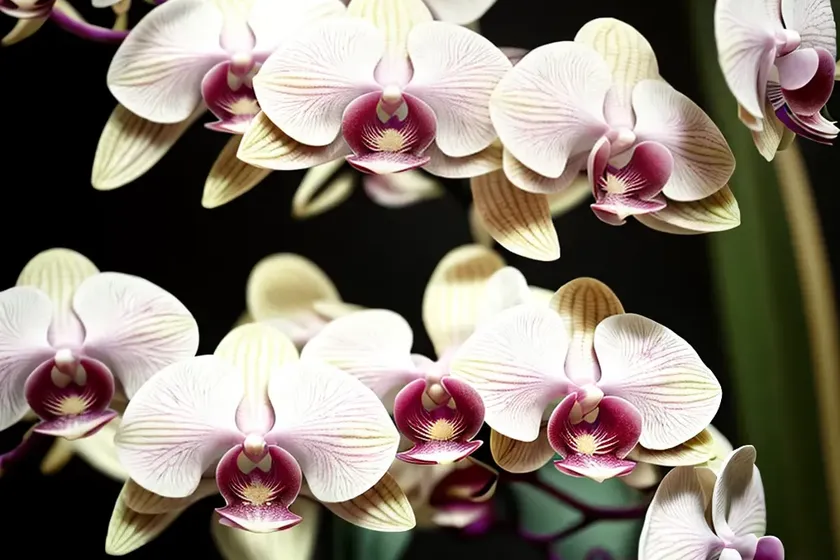
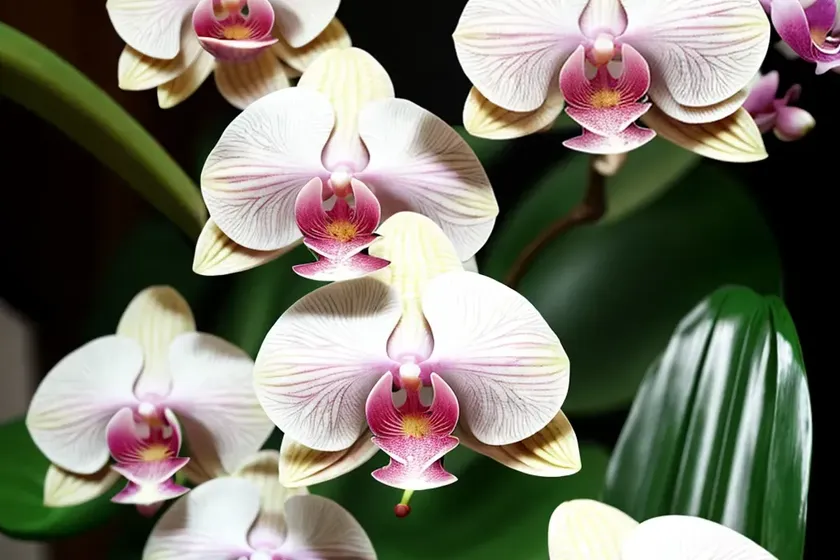
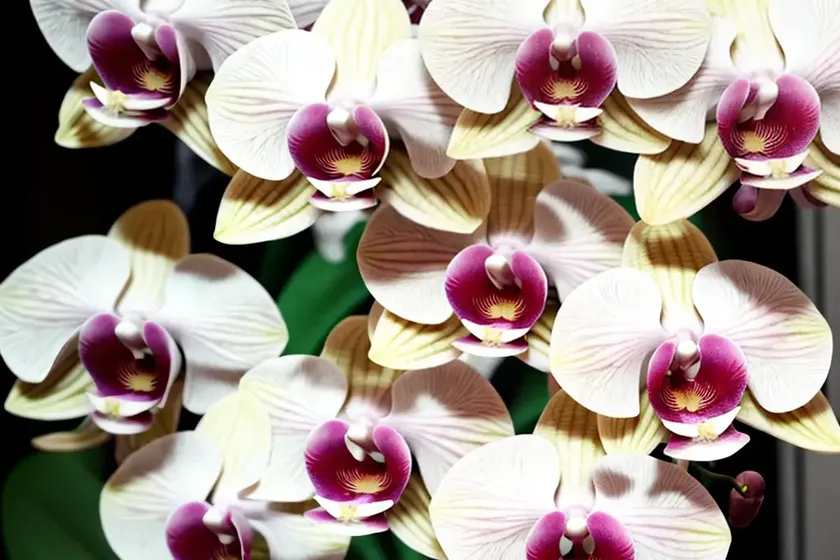
Phalaenopsis PAPAGAYO, commonly known as the Moth Orchid, is a stunning and popular species of orchid that is cherished for its unique appearance, graceful blooms, and ease of care. Belonging to the genus Phalaenopsis, these orchids are native to Southeast Asia, including countries such as Taiwan, China, the Philippines, and Indonesia. With their elegant, butterfly-shaped flowers and long-lasting blooms, Phalaenopsis PAPAGAYO orchids have become a favorite among orchid enthusiasts and horticulturists around the world.
The Phalaenopsis PAPAGAYO species is a part of the diverse and captivating Orchidaceae family, which comprises over 25,000 species and 100,000 hybrids. These plants are prized for their intricate and often fragrant flowers, making them popular choices for both indoor and outdoor cultivation. As a plant scientist and enthusiast, I am thrilled to delve into the world of Phalaenopsis PAPAGAYO, exploring its care, characteristics, and the joy it brings to both amateur and experienced gardeners.
In this comprehensive guide, we will explore the essential aspects of Phalaenopsis PAPAGAYO care, including its cultural requirements, uses, watering needs, sunlight preferences, fertilizer application, soil considerations, pruning techniques, propagation methods, suitable containers, common diseases, pest management, and much more. Whether you are a beginner looking to embark on your orchid-growing journey or a seasoned gardener seeking to broaden your knowledge, this guide will equip you with the insights and tips needed to cultivate and enjoy these marvelous Moth Orchids to the fullest.
Key Takeaways – Phalaenopsis PAPAGAYO (Moth Orchid)
Culture
Phalaenopsis PAPAGAYO orchids thrive in conditions that mimic their natural habitat, providing them with the ideal environment to flourish and bloom vibrantly. Here are some key cultural considerations for nurturing these exquisite orchids:
-
Temperature: These orchids prefer warm temperatures, typically ranging from 70°F to 80°F (21°C to 27°C) during the day and somewhat cooler at night, around 60°F to 65°F (15°C to 18°C). Maintaining this mild and consistent temperature is crucial for the healthy growth and flowering of Phalaenopsis PAPAGAYO orchids.
-
Humidity: Relative humidity levels of 50% and above are beneficial for Phalaenopsis PAPAGAYO orchids. In drier climates or indoor environments, using humidifiers or pebble trays filled with water can help elevate humidity levels and create a more favorable setting for the orchids.
-
Air Circulation: Good air circulation is vital to prevent stagnant air around the orchids, which can lead to fungal and bacterial issues. Gentle air movement, such as from oscillating fans, helps in maintaining a healthy growing environment.
-
Mounting or Potting: Phalaenopsis PAPAGAYO orchids can be grown in pots using specialized orchid mix or mounted on driftwood or tree fern plaques. The choice between potting and mounting largely depends on personal preference and the specific growing conditions available.
Uses
Aside from being stunning ornamental plants, Phalaenopsis PAPAGAYO orchids have various uses and benefits. Their applications encompass both aesthetic and practical purposes, making them valuable additions to any plant collection. Some common uses of these orchids include:
-
Indoor Decoration: With their captivating blooms and elegant foliage, Phalaenopsis PAPAGAYO orchids make alluring additions to interior spaces, adding a touch of natural beauty to homes, offices, and public venues.
-
Gifting: These orchids are often given as gifts due to their enchanting flowers and their reputation as long-lasting, low-maintenance plants. They serve as thoughtful presents for occasions such as birthdays, anniversaries, and housewarmings.
-
Air Purification: Orchids, including Phalaenopsis PAPAGAYO, contribute to indoor air quality by absorbing harmful pollutants and releasing oxygen, promoting a healthier and more invigorating living environment.
-
Therapeutic and Aromatherapy Purposes: Some orchid enthusiasts appreciate the subtle fragrance emitted by certain Phalaenopsis PAPAGAYO varieties, which can offer a calming and sensory experience.
Water
Proper watering is a critical aspect of Phalaenopsis PAPAGAYO care, as these orchids have specific water requirements essential for their well-being. Understanding the nuances of watering is key to preventing issues such as root rot and dehydration. Here are some useful insights on watering Moth Orchids:
-
Water Quality: High-quality water is essential for Phalaenopsis PAPAGAYO orchids. Using distilled or rainwater helps avoid mineral buildup and potential damage to the orchid’s sensitive root system. If tap water is the only available option, allowing it to sit for 24 hours can help dissipate chlorine and other additives.
-
Frequency: The frequency of watering depends on various factors such as the growing medium, environmental conditions, and the orchid’s stage of growth. In general, it is advisable to water Phalaenopsis PAPAGAYO orchids when the growing medium is nearly dry. This typically translates to approximately once a week, but adjustments may be necessary based on individual circumstances.
-
Watering Technique: When watering Phalaenopsis PAPAGAYO orchids, it is best to thoroughly saturate the growing medium and allow excess water to drain away. Subsequently, it is crucial to avoid leaving the orchid sitting in standing water, which can lead to root suffocation and other complications.
Sunlight
Proper light exposure is pivotal for the well-being of Phalaenopsis PAPAGAYO orchids, as it directly influences their growth, flowering, and overall vitality. Understanding the lighting requirements of these orchids is essential for providing them with the optimal conditions they need to thrive. Here are some key pointers for managing sunlight exposure for Moth Orchids:
-
Indirect Light: Phalaenopsis PAPAGAYO orchids prefer bright, indirect light. Placing them near east or west-facing windows is often advantageous, as it allows them to receive the bright, gentled sunlight without being subjected to harsh, direct rays, which can scorch their delicate foliage.
-
Artificial Lighting: In environments with limited natural light, supplemental artificial lighting can be utilized to ensure that Phalaenopsis PAPAGAYO orchids receive adequate illumination for healthy growth. LED or fluorescent grow lights specifically designed for orchids can effectively supplement natural light and enhance plant growth.
-
Light Duration: Providing Phalaenopsis PAPAGAYO orchids with approximately 12 to 14 hours of light daily during their active growth phase is generally beneficial. Adjustments may be made based on the plant’s response to the light provided and the specific conditions of the growing environment.
Fertilizer
Fertilizing plays a pivotal role in sustaining the health and vigor of Phalaenopsis PAPAGAYO orchids, providing them with essential nutrients for robust growth, abundant flowering, and overall resilience. Proper application of fertilizer is imperative for preventing issues such as nutrient deficiencies and excesses. Consider the following recommendations for fertilizing Moth Orchids:
-
Type of Fertilizer: For Phalaenopsis PAPAGAYO orchids, a balanced, water-soluble fertilizer specifically formulated for orchids is typically recommended. These fertilizers are specifically designed to suit the nutritional needs and preferences of orchids, featuring the appropriate ratio of essential macro and micronutrients.
-
Fertilization Schedule: During the active growing season, which often coincides with the warmer months, Phalaenopsis PAPAGAYO orchids benefit from regular fertilization. Applying a diluted fertilizer solution approximately every two to four weeks can help provide the necessary nutrients without overwhelming the plant.
-
Winter Fertilization: As Phalaenopsis PAPAGAYO orchids may experience a period of reduced growth and dormancy in the winter, adjusting the fertilization frequency and strength during this time is advisable. Using a more diluted fertilizer solution or reducing the frequency of applications can accommodate the plant’s slower metabolic rate.
Soil
The choice of growing medium significantly impacts the growth and well-being of Phalaenopsis PAPAGAYO orchids, as it influences factors such as moisture retention, aeration, and root health. Understanding the characteristics of suitable orchid media is essential for providing the best possible growing conditions for these orchids. Here are some considerations when selecting a growing medium for Moth Orchids:
-
Orchid Mix: Orchid-specific potting mixes that provide excellent drainage, aeration, and moisture retention are the most suitable for Phalaenopsis PAPAGAYO orchids. These mixes often consist of materials such as bark, sphagnum moss, perlite, charcoal, and other components that create an ideal environment for orchid roots.
-
Water Retention: The growing medium for Phalaenopsis PAPAGAYO orchids should strike a balance between retaining adequate moisture to support the plants between watering sessions while allowing excess water to drain effectively. This prevents the risk of waterlogged conditions that can lead to root rot.
-
Repotting: Monitoring the condition of the orchid’s growing medium is essential, as it may necessitate repotting every one to three years, depending on the medium’s decomposition and the development of the orchid’s root system. Gently repotting and refreshing the growing medium helps sustain the orchid’s health and vitality.
Pruning
Pruning is an integral aspect of Phalaenopsis PAPAGAYO care, aiding in the maintenance of the plant’s appearance, supporting its overall health, and stimulating future flowering. Proper pruning methods and timing ensure that the orchid thrives and produces vibrant, abundant blooms. Here are some essential insights into pruning Moth Orchids effectively:
-
Bloom Spike Pruning: After the flowering period concludes, trimming the spent bloom spike down to a lower node can encourage the development of new spikes and subsequent blooming cycles. Carefully cutting the spike above a healthy node promotes the orchid’s ability to rebloom.
-
Leaf and Root Maintenance: Removing yellowed, diseased, or damaged leaves helps maintain the orchid’s vitality and prevents the spread of potential issues. Trimming dead or decaying roots during repotting also supports the orchid’s overall root health.
-
Sterilization: Using clean and sterilized tools for pruning is imperative to prevent the introduction of pathogens and infections to the orchid’s tissues. Disinfecting pruning shears and scissors with rubbing alcohol or a suitable sterilizing solution helps safeguard the plant from potential harm.
Propagation
The propagation of Phalaenopsis PAPAGAYO orchids enables enthusiasts to expand their plant collection, share orchids with others, and perpetuate desired characteristics through the generation of new plants. Understanding the various methods of orchid propagation equips individuals with the knowledge and skills needed to reproduce these captivating plants. Here are some key insights into propagating Moth Orchids:
-
Keiki Production: Keiki, or miniature plantlets, are sometimes produced by Phalaenopsis PAPAGAYO orchids along their flower spikes. These small plants can be carefully removed and potted separately once they have developed roots, resulting in new, independent orchid individuals.
-
Stem Cuttings: While less common for Phalaenopsis orchids compared to other orchid varieties, stem cuttings can be utilized for propagation. Selecting a healthy, leafy portion of the stem and establishing it in suitable rooting media can potentially yield new plants, although this method requires expertise and careful attention.
-
Seed Propagation: Orchid seeds are exceedingly small and necessitate specialized techniques, such as in vitro propagation in controlled laboratory conditions, to successfully germinate and develop into mature plants. Orchid seed propagation is a complex and labor-intensive method that is often reserved for professional breeders and researchers.
Container
Selecting the appropriate container for growing Phalaenopsis PAPAGAYO orchids is crucial for providing a suitable environment for the plants’ root system, fostering their growth, and facilitating overall care. The choice of containers influences factors such as aeration, drainage, and moisture retention. Considerations for container selection for Moth Orchids include:
-
Pots and Baskets: Orchid pots with ample drainage holes and slotted sides are commonly used to grow Phalaenopsis PAPAGAYO orchids, allowing for excellent aeration and efficient drainage. Hanging or slatted baskets can also be employed, providing additional air circulation around the roots.
-
Transparency: Transparent or semi-transparent containers can be advantageous for orchid cultivation, as they allow for easy monitoring of root health, moisture levels, and potential issues such as algae growth. Clear containers provide visibility into the root system and the condition of the growing medium.
-
Size Considerations: Choosing a container that comfortably accommodates the orchid’s root system while leaving room for growth enables the plant to thrive without being excessively constricted. A container that is too large can lead to excessive moisture retention, while one that is too small may cause the roots to become congested.
Popularity
Phalaenopsis PAPAGAYO orchids have garnered significant popularity among orchid enthusiasts, horticulturists, and individuals seeking to adorn their living spaces with these alluring plants. The widespread appeal of Moth Orchids can be attributed to several factors, including their enchanting flowers, ease of cultivation, and versatile applications. Here are some reasons why Phalaenopsis PAPAGAYO orchids have captured the hearts of plant enthusiasts:
-
Exquisite Flowers: The distinctive, butterfly-shaped blooms of Phalaenopsis PAPAGAYO orchids captivate the eye with their intricate patterns, vibrant colors, and enduring beauty. The diversity of flower shapes and sizes further adds to their appeal, with each variety offering its unique charm.
-
Longevity: Phalaenopsis PAPAGAYO orchids are renowned for their prolonged blooming periods, with individual flowers lasting several weeks to months. Their ability to produce successive blooms on the same spike prolongs the floral display, providing enduring elegance and visual delight.
-
Adaptability: These orchids adapt well to indoor environments, flourishing in the controlled conditions commonly found in homes, offices, and interiorscapes. Their ability to thrive as houseplants without requiring specialized growing conditions makes them accessible to a wide audience.
-
Low Maintenance: Phalaenopsis PAPAGAYO orchids are considered relatively low-maintenance compared to other orchid species, making them appealing choices for individuals who are new to orchid cultivation or those seeking plants that demand minimal intervention.
-
Varietal Diversity: The extensive range of Phalaenopsis PAPAGAYO varieties and hybrids presents enthusiasts with a wealth of options, encompassing a spectrum of flower colors, patterns, sizes, and growth habits. This diversity allows for an exploration of different forms within the species.
Common Diseases
Like all plants, Phalaenopsis PAPAGAYO orchids are susceptible to certain diseases and ailments that can threaten their health and longevity. Recognizing these common maladies and understanding their management is integral to safeguarding the well-being of the plants. Some prevalent diseases that may affect Moth Orchids include:
-
Root Rot: Often caused by overwatering or inadequate drainage, root rot can lead to the deterioration of the orchid’s root system. Symptoms include mushy, discolored roots and wilting foliage. Proper watering practices and a well-draining growing medium are crucial for prevention.
-
Leaf Spot: Leaf spot diseases manifest as small, discolored lesions on the orchid’s foliage, potentially leading to leaf yellowing and defoliation. Good air circulation and reduced leaf wetness can mitigate the development of leaf spot pathogens.
-
Botrytis Blight: This fungal disease, characterized by the appearance of brown, water-soaked lesions on flowers and leaves, thrives in humid conditions. Proper ventilation and careful handling of the orchid to minimize physical injury can help prevent botrytis blight.
-
Crown Rot: Crown rot affects the crown of the orchid, often resulting from excessive moisture around the base of the plant. Symptoms include browning and softening of the crown tissue, necessitating immediate action to salvage the affected orchid.
Disease Diagnosis
Diagnosing and addressing diseases affecting Phalaenopsis PAPAGAYO orchids is crucial in mitigating the impact of the ailments and promoting the plant’s recovery. Observing and identifying symptoms, coupled with prompt and appropriate intervention, are vital in safeguarding the orchid’s health. Here are some steps for diagnosing and addressing common diseases in Moth Orchids:
-
Symptom Recognition: Periodically inspecting the orchid for symptoms such as abnormal leaf discoloration, spots, lesions, wilting, or unusual growth can help in identifying potential issues. Additionally, monitoring the overall vigor and appearance of the plant aids in recognizing deviations from its typical condition.
-
Research and Consultation: Utilizing reputable resources, such as botanical gardens, university extensions, and authoritative publications, can provide valuable insights into the symptoms observed. Seeking guidance from experienced growers and plant health professionals can further aid in accurate disease diagnosis.
-
Isolation and Treatment: If a disease is suspected, promptly isolating the affected orchid can prevent the spread of pathogens to other plants. Subsequently, employing suitable treatment measures, ranging from cultural adjustments to targeted fungicidal applications, can help manage and resolve the identified disease.
Common Pests
Phalaenopsis PAPAGAYO orchids are also susceptible to attacks by various pests that can compromise their health and appearance. Recognizing common pests affecting Moth Orchids and implementing effective pest management measures is crucial in mitigating the impact of infestations. Some prevalent pests that may trouble these orchids include:
-
Scale Insects: Scale insects, such as the armored scale and soft scale species, can affix themselves to the orchid’s foliage and stems, feeding on sap and potentially causing stunted growth and leaf yellowing. Careful monitoring and targeted control methods are essential for managing scale infestations.
-
Aphids: Aphids, small, sap-sucking insects, can congregate on the tender shoots and buds of Phalaenopsis PAPAGAYO orchids, leading to distorted growth and the transmission of viral diseases. Effective control measures, such as insecticidal soaps, can help mitigate aphid populations.
-
Spider Mites: These minuscule arachnids can inflict damage by feeding on the orchid’s foliage, resulting in stippled, discolored leaves and webbing. Maintaining adequate humidity and employing miticides when necessary can help combat spider mite infestations.
-
Thrips: Thrips are slender, winged insects that may feed on the flowers and leaves of Phalaenopsis PAPAGAYO orchids, causing aesthetic damage and potential transmission of plant diseases. Implementing pest monitoring and employing suitable insecticidal treatments can help manage thrips populations.
Botanist’s Tips
As a plant scientist deeply passionate about Phalaenopsis PAPAGAYO orchids and their cultivation, I am delighted to share some valuable tips and insights that can aid enthusiasts and horticulturists in successfully nurturing these captivating plants. The following recommendations draw from my experience and expertise, offering guidance for the care


