Moth Orchid (Phalaenopsis (group)
Moth orchids, scientifically known as Phalaenopsis, are popular for their beautiful, long-lasting flowers and relatively easy care. They are one of the.
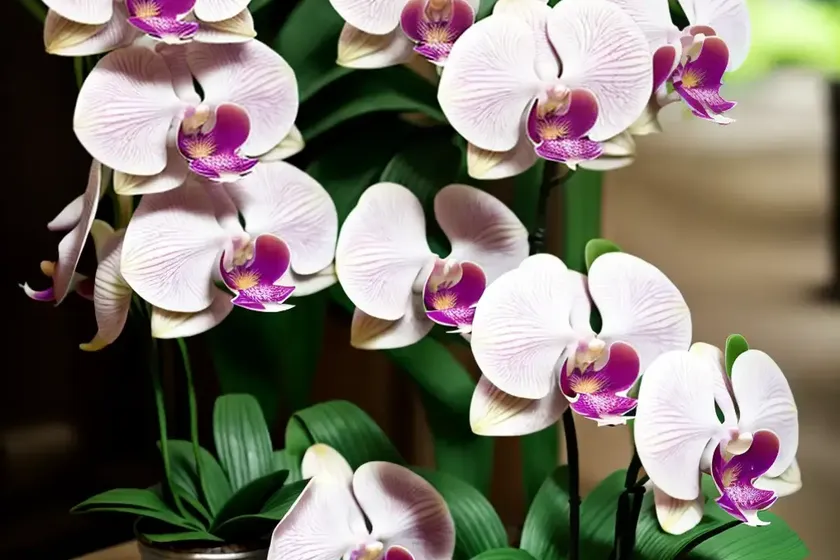
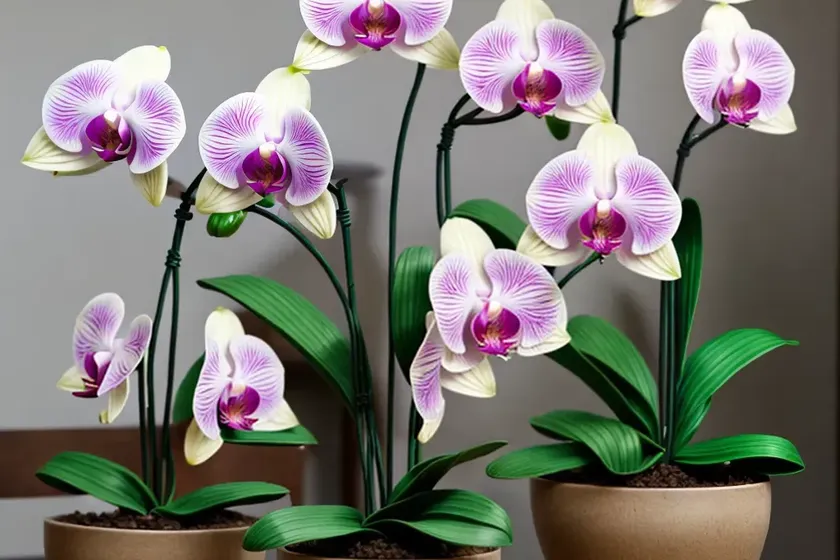
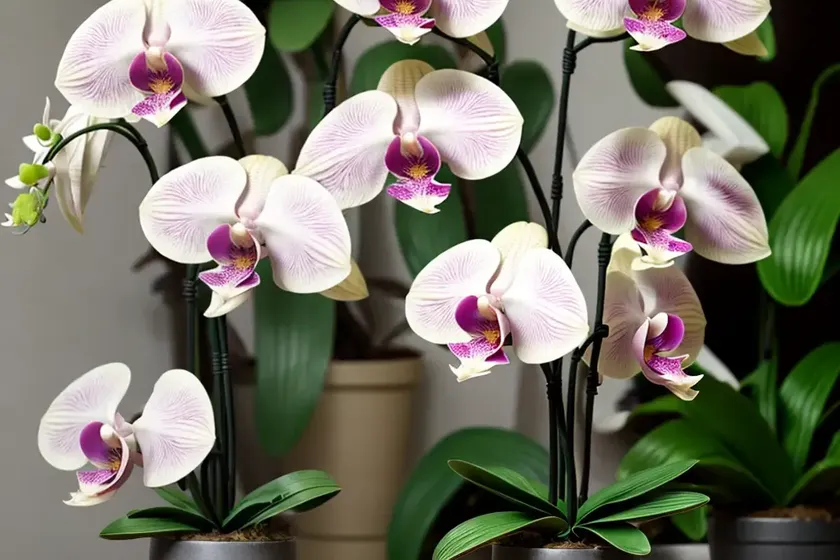
Moth orchids, scientifically known as Phalaenopsis, are popular for their beautiful, long-lasting flowers and relatively easy care. They are one of the most widely grown orchid genera, and their popularity continues to grow among both experienced and novice gardeners. In this comprehensive guide, we will delve into all aspects of cultivating and caring for the moth orchid, including cultural requirements, uses, watering, sunlight, fertilization, soil, pruning, propagation, containers, common diseases, pest management, and more. Whether you are a seasoned orchid enthusiast or new to growing these stunning plants, this guide aims to provide valuable insights to help you successfully cultivate and enjoy the captivating beauty of the moth orchid.
What is a Moth Orchid (Phalaenopsis group)?
Moth orchids, classified under the genus Phalaenopsis, belong to the Orchidaceae family, which is one of the largest families of flowering plants. These orchids are native to Southeast Asia, including countries such as the Philippines, Taiwan, and Australia, and are known for their distinct, arching sprays of flowers that often resemble moths in flight. With their elegant and vibrant blooms, moth orchids have earned a reputation as exquisite and captivating ornamental plants.
Key Takeaways – Moth Orchid (Phalaenopsis group)
Before delving deeper into the various aspects of moth orchid care and cultivation, let’s explore the key takeaways associated with the Phalaenopsis group:
-
Phalaenopsis Orchid: The Phalaenopsis orchid, commonly referred to as the moth orchid, is a diverse group of orchid species and hybrids known for their stunning blooms and ease of cultivation.
-
Moth Orchid Care: Successfully caring for moth orchids involves understanding their specific cultural requirements, including aspects such as watering, sunlight, fertilization, and pest management.
-
Orchids for Beginners: Moth orchids are often recommended for beginners due to their relatively forgiving nature and adaptability to indoor environments.
-
Types of Phalaenopsis Orchids: The Phalaenopsis genus encompasses a wide variety of species and hybrid varieties, offering an array of colors, sizes, and growth habits.
-
Moth Orchid Watering: Proper watering practices, including avoiding waterlogged conditions and ensuring adequate humidity, are essential for maintaining healthy moth orchids.
-
Phalaenopsis Species: While there are native species of Phalaenopsis orchids, hybridization has led to the development of numerous cultivars, expanding the diversity within the group.
-
Moth Orchid Propagation: Propagation methods for moth orchids include division, keiki propagation, and seed germination, providing growers with options for expanding their orchid collection.
-
Phalaenopsis Hybrids: The breeding of Phalaenopsis hybrids has resulted in an extensive assortment of unique and visually striking orchid varieties with varying flower forms and colors.
-
Moth Orchid Blooming: Understanding the factors that promote blooming, such as temperature fluctuations and light exposure, is crucial for encouraging prolific flowering in moth orchids.
-
Phalaenopsis Orchid Varieties: From classic white varieties to intricate patterns and vibrant hues, moth orchids offer an array of captivating varieties that cater to diverse aesthetic preferences.
-
Moth Orchid Fertilization: Providing balanced fertilization at appropriate intervals is essential for sustaining the growth and flowering potential of moth orchids.
-
Phalaenopsis Orchid Diseases: Being vigilant against common orchid diseases and promptly addressing any signs of infection is an integral part of preserving the health of Phalaenopsis orchids.
These key takeaways provide a glimpse into the multifaceted world of moth orchids and the essential considerations associated with their successful cultivation. As we proceed, we will explore each of these aspects in detail to equip you with comprehensive insights and practical guidance for caring for these captivating orchids.
Culture of Moth Orchids
Uses
Moth orchids have gained widespread popularity as beloved ornamental plants, adorning homes, offices, and special events with their graceful and long-lasting flowers. Their alluring blooms make them highly sought-after as decorative elements, gifts, and focal points in floral arrangements. Additionally, the cultural allure of moth orchids extends to their significance in horticultural exhibitions, where enthusiasts and growers showcase the diverse array of hybrid varieties and species within the Phalaenopsis group.
Water
Proper watering practices play a pivotal role in maintaining the health and vigor of moth orchids. These orchids are particularly sensitive to waterlogged conditions, as excessive moisture around their roots can lead to root rot and other detrimental consequences. On the other hand, insufficient watering can result in dehydration and hinder the orchid’s growth and flowering potential.
Moth Orchid Watering Guidelines
- Water thoroughly but allow the growing medium to approach dryness before the next watering.
- Aim to water the orchid in the morning to allow ample time for any excess moisture to evaporate from the potting medium and foliage.
- Consider the environmental factors, such as temperature and humidity, to adjust the frequency of watering as needed.
- Opt for a well-draining potting mix to facilitate proper water retention and prevent waterlogged conditions.
Sunlight
Proper light exposure is crucial for the growth and blooming of moth orchids. While they thrive in bright, indirect light, they are susceptible to sunburn if exposed to intense, direct sunlight for prolonged periods. Understanding the light requirements of moth orchids and strategically managing their exposure can promote robust growth and prolific flowering.
Moth Orchid Sunlight Requirements
- Provide bright, indirect light, such as that found on an east- or west-facing window, to ensure optimal photosynthesis and flowering.
- Shield the orchids from intense midday sun, particularly during the hotter months, to prevent foliage burns and heat stress.
- Consider using sheer curtains or blinds to diffuse direct sunlight while maintaining the necessary brightness for the orchids.
Fertilizer
Regular fertilization is essential for sustaining the growth, development, and flowering of moth orchids. By supplying vital nutrients in a balanced formulation, orchid fertilizers support the orchids’ nutritional requirements and contribute to robust growth and vibrant blooms.
Moth Orchid Fertilization Guidelines
- Utilize a balanced, water-soluble orchid fertilizer, formulated at half or quarter strength, during each watering session.
- Limit the frequency of fertilization during the orchid’s resting period and adjust the formulation to align with the specific growth phase.
- Consider using specialized orchid fertilizers with elevated potassium content to promote flowering and overall plant vigor.
Soil
The choice of potting medium significantly impacts the growth, hydration, and nutrient uptake of moth orchids. An appropriate potting mix offers the necessary aeration, drainage, and stability to support healthy root growth and minimize the risk of moisture-related issues.
Moth Orchid Potting Medium
- Utilize a well-draining, porous potting mix designed specifically for epiphytic orchids, such as a blend of fir bark, sphagnum moss, and perlite.
- Opt for a medium texture that strikes a balance between water retention and aeration to maintain the ideal moisture levels for the orchid roots.
- Consider alternatives to traditional potting media, such as semi-hydroponic culture or mounts, to cater to the distinct growth habits and preferences of moth orchids.
Pruning
Pruning serves as a maintenance practice and can aid in promoting healthier growth, enhancing flowering, and managing potential issues such as damaged or diseased plant parts. While moth orchids do not require extensive pruning, occasional trimming can contribute to their overall appearance and vitality.
Moth Orchid Pruning Tips
- Remove spent flower spikes by snipping them back to the base to redirect the plant’s energy towards new growth and potential reblooming.
- Trim damaged or desiccated roots using clean, sharp shears to maintain the orchid’s root system and prevent potential disease spread.
- Address any diseased or deteriorating foliage promptly to mitigate the risk of infection and support the orchid’s overall health.
Propagation of Moth Orchids
Propagation methods enable growers to expand their orchid collection and cultivate new plants from existing specimens. Moth orchids offer several viable approaches to propagation, each with its unique advantages and considerations.
Moth Orchid Propagation Techniques
-
Division: Dividing mature orchids at the time of repotting presents an opportunity to create new plants from established clumps, ensuring that each division retains viable roots and growth points.
-
Keiki Propagation: Keikis, or miniature plantlets that develop along the flower spikes of moth orchids, can be carefully detached and potted to initiate independent growth.
-
Seed Germination: Orchid seeds, obtained through pollination and seed pod development, offer a means of cultivating new hybrids and species, albeit requiring specialized propagation conditions and patience.
Container Popularity
Moth orchids are often showcased in an array of container options, ranging from traditional pots to innovative mounts and decorative vessels. The diverse range of containers caters to both aesthetic preferences and the specific growth habits of these epiphytic orchids.
Common Containers for Moth Orchids
- Orchid Pots: These specialty pots with ample drainage and ventilation are tailored to the needs of epiphytic orchids, providing a conducive environment for healthy root growth.
- Mounts: Natural or artificial mounts, such as cork bark or tree fern, offer a unique presentation and accommodate the orchids’ epiphytic nature by allowing their roots to cling to the surface.
- Decorative Vessels: Orchids are often displayed in decorative containers, such as ceramic pots or glass vases, to accentuate their ornamental appeal and complement various interior settings.
Common Diseases of Moth Orchids
The health and vitality of moth orchids can be compromised by various diseases, ranging from fungal and bacterial infections to physiological disorders. Understanding the signs, symptoms, and appropriate management strategies for common orchid diseases is crucial for safeguarding the well-being of these captivating plants.
Common Orchid Diseases
- Root Rot: Excessive moisture and poor drainage can lead to the onset of root rot, characterized by mushy, discolored roots and weakened overall plant health.
- Botrytis Rot: Botrytis cinerea, a fungal pathogen, can cause lesions and tissue decay in orchid flowers and foliage, particularly in humid or poorly ventilated conditions.
- Leaf Spot: Bacterial and fungal pathogens can manifest as circular lesions or discoloration on the orchid leaves, potentially spreading and impacting the plant’s photosynthetic capacity.
- Crown Rot: Moisture accumulation in the crown of the orchid, where the leaves meet the stem, can trigger crown rot, posing a severe threat to the orchid’s vitality.
Disease Diagnosis and Management
Accurate diagnosis and timely intervention are crucial for addressing orchid diseases effectively and preventing their spread to other plants. By recognizing the specific symptoms and employing appropriate control measures, growers can mitigate the impact of diseases and promote the recovery of affected orchids.
Orchid Disease Diagnosis and Management
- Sanitation: Implement meticulous hygiene practices, such as sterilizing tools and removing affected plant parts, to minimize disease transmission and progression.
- Cultural Adjustments: Modify cultural practices, such as watering frequency and environmental conditions, to create an inhospitable habitat for disease development and propagation.
- Targeted Treatments: Apply suitable fungicides, bactericides, or systemic interventions to combat specific orchid diseases while minimizing adverse effects on the orchids and surrounding flora.
Common Pests Affecting Moth Orchids
Moth orchids are susceptible to pest infestations by a range of insects, mites, and other arthropods, which can compromise the orchids’ health and vitality if left unchecked. Recognizing the signs of pest activity and employing effective pest management strategies are essential for preserving the pristine appearance and well-being of these orchids.
Moth Orchid Pests
- Aphids: These soft-bodied insects feed on the orchid’s sap, leading to stunted growth, deformed foliage, and the development of sticky honeydew residue.
- Spider Mites: Infestations of spider mites can result in webbing, stippled leaves, and decreased photosynthetic efficiency, particularly in hot and dry environments.
- Scale Insects: Scale pests attach to the orchid’s stems and foliage, draining vital sap and leaving behind characteristic scales and waxy coverings.
Pest Management Strategies
Integrated Pest Management (IPM) for Moth Orchids
- Regular Monitoring: Routinely inspect the orchids for signs of pest activity, such as visible pests, webbing, or stippling, to detect infestations at an early stage.
- Biological Controls: Introduce natural predators or parasitoids, such as ladybugs or predatory mites, to regulate pest populations and maintain ecological balance.
- Targeted Treatments: Employ insecticidal soaps, horticultural oils, or specific pesticides to manage pest infestations while minimizing the impact on beneficial organisms and the environment.
Botanist’s Tips for Caring for Moth Orchids
Moth Orchid Care Guidelines
- Stable Temperature: Maintain consistent, moderate temperatures to provide an optimal environment for moth orchids, minimizing temperature extremes and fluctuations.
- Adequate Humidity: Enhance humidity levels by employing humidifiers, pebble trays, or grouping plants to promote healthy growth and mitigate the risk of desiccation.
- Balanced Nutrition: Provide a balanced, well-rounded diet of essential nutrients through regular fertilization to support the orchids’ growth and blooming potential.
- Aeration and Ventilation: Ensure adequate air circulation and ventilation to prevent stagnant air and humidity buildup, reducing the risk of disease and pest issues.
Fun Facts About Moth Orchids
- Longevity: Moth orchids are known for their enduring blooms, with some flowers lasting for several months under favorable conditions.
- Adaptive Roots: Orchids have specialized aerial roots that play a vital role in nutrient uptake, hydration, and anchorage, adapting to diverse growing environments.
- Hybrid Diversity: The extensive hybridization efforts within the Phalaenopsis group have yielded an extensive array of unique flower colors, patterns, and forms, reflecting the group’s diversity.
- History and Symbolism: Orchids have been revered for centuries and carry symbolic meanings of love, beauty, and refinement in various cultures and traditions.
Links to External Resources
Are you interested in delving deeper into the world of moth orchids? Explore the following resources for additional insights and information:
- American Orchid Society: The American Orchid Society offers an array of educational resources, articles, and cultivation guides tailored to orchid enthusiasts.
- Royal Horticultural Society – Orchids: The Royal Horticultural Society provides comprehensive guidance on growing and caring for orchids, including specific Phalaenopsis varieties.
- Orchid Board: Engage with a vibrant online community of orchid enthusiasts and experts to exchange knowledge, experiences, and valuable tips for moth orchid care.
Conclusion
Moth orchids, encompassing the diverse Phalaenopsis group, enchant and captivate enthusiasts with their resplendent blooms and adaptable nature. Understanding the cultural requirements, uses, watering, sunlight, fertilization, soil, pruning, propagation, containers, common diseases, and pest management strategies associated with these orchids is essential for fostering their health and longevity. By drawing upon the insights shared in this comprehensive guide, you are equipped with the fundamental knowledge and practical guidance necessary to successfully cultivate and appreciate the allure of moth orchids. Whether you are venturing into orchid cultivation for the first time or seeking to deepen your expertise, the enchanting world of Phalaenopsis orchids invites you to embark on a rewarding journey of discovery and horticultural delight.
Remember, the beauty of moth orchids lies not only in their exquisite blooms but in the nurturing and care that we offer them, forging a lasting connection between grower and plant in a harmonious celebration of nature’s splendor. Happy growing!


