Salix Nigra (Black Willow)
Plants have been an integral part of human civilization since time immemorial. Apart from being visually appealing, plants have a plethora of practical.
Plants have been an integral part of human civilization since time immemorial. Apart from being visually appealing, plants have a plethora of practical uses ranging from providing food and medicine to controlling erosion and enhancing landscapes. In this blog post, we will delve into the intricate details of a particular plant species, Salix nigra, commonly known as Black Willow. We will explore its characteristics, uses, ecological importance, cultivation techniques, and much more. So, without further ado, let’s jump into the world of Salix nigra, the Black Willow.
What is Salix Nigra (Black Willow)?
Salix nigra, or the Black Willow, is a deciduous tree that belongs to the family Salicaceae. This medium to large-sized tree is native to eastern North America, with a range extending from New Brunswick and Ontario in the north to Texas and Florida in the south. Black Willow is commonly found in wetland habitats such as swamps, riverbanks, and floodplains. The species has adapted to a wide range of environmental conditions, making it a versatile and resilient plant.
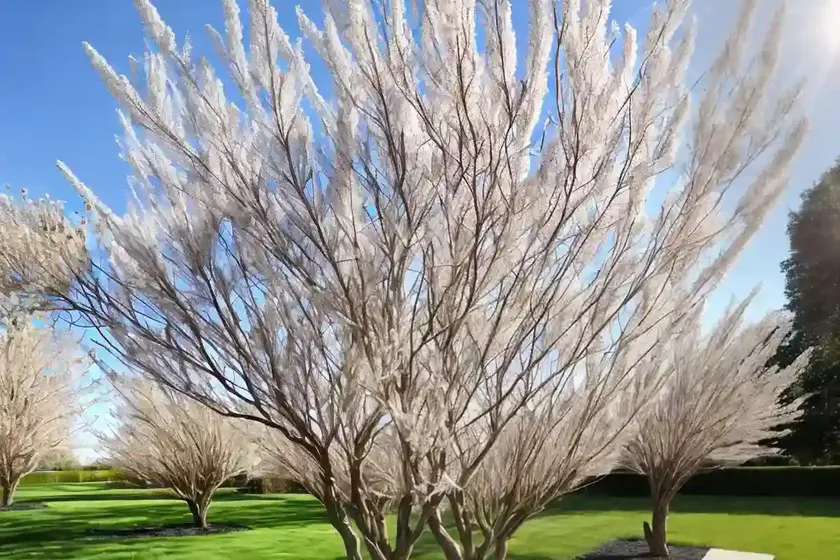
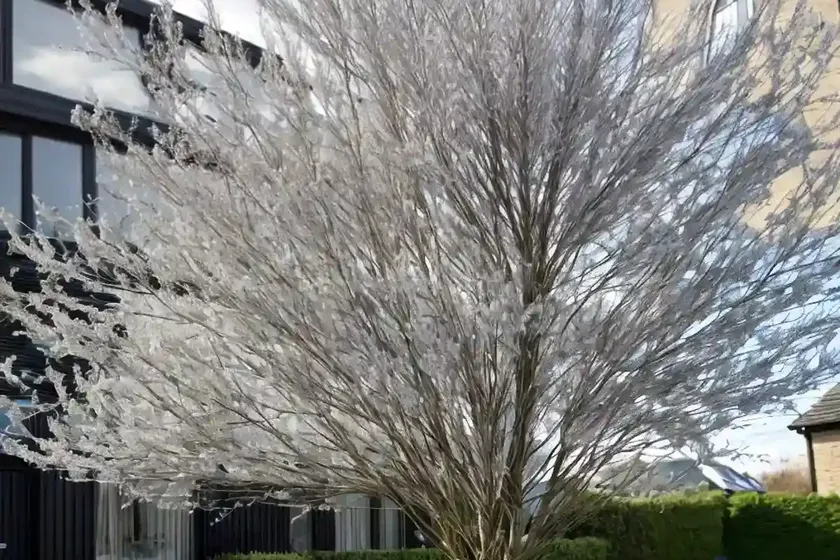
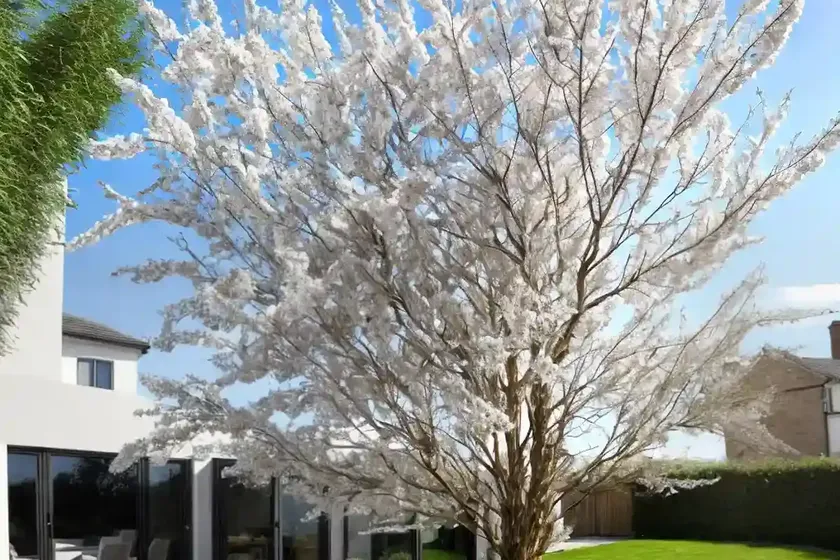
Black Willow is characterized by its long, narrow leaves; slender branches; and furrowed, dark gray to black bark, which gives the tree its common name. It is known for its rapid growth and attractive, graceful appearance, making it a popular choice for landscaping and ecological restoration projects.
Key Takeaways – Salix Nigra (Black Willow)
Before we dive deeper into the characteristics and cultivation of Salix nigra, let’s take a quick look at the key takeaways regarding this fascinating plant:
- Common Name: Black Willow
- Scientific Name: Salix nigra
- Family: Salicaceae
- Native Range: Eastern North America
- Habitat: Wetlands, riverbanks, floodplains
- Characteristics: Long, narrow leaves; furrowed, dark gray to black bark
- Uses: Ecological restoration, landscaping, timber production, medicinal purposes
- Adaptations: Tolerant of a wide range of environmental conditions
- Growth Rate: Rapid
- Cultural Significance: Folklore, traditional medicine, ecological role
- Conservation Status: Least Concern (IUCN)
Now that we have an overview of Black Willow, let’s delve into each aspect in detail to gain a comprehensive understanding of this remarkable plant.
Culture
Water
Salix nigra is well-adapted to wetland environments and exhibits a high tolerance for fluctuating water levels. It thrives in soil that is consistently moist, making it an ideal choice for areas with periodic flooding or high water tables. However, it can also survive in drier conditions once established, though it may exhibit reduced growth rates and overall health.
Sunlight
Black Willow is a light-demanding species and performs best when planted in full sunlight. It requires at least 6 hours of direct sunlight per day to support its vigorous growth and overall well-being. In shady conditions, the tree may become leggy and less dense, impacting its aesthetic appeal and potentially reducing its ecological impact.
Fertilizer
As a species native to wetland habitats, Salix nigra is adapted to nutrient-rich soils. In most cases, it does not require additional fertilization when planted in its natural habitat or in landscapes with similar soil conditions. However, if the soil is nutrient-poor, a balanced, slow-release fertilizer can be applied during the growing season to support healthy growth.
Soil
Black Willow thrives in a variety of soil types, including loamy, sandy, and clay soils. It is commonly found in soils with high organic content and exhibits a preference for moderately acidic to neutral pH levels. The species is well-suited to poorly-drained soils and is often utilized in phytoremediation projects to mitigate the impacts of polluted or contaminated environments.
Pruning
Pruning of Salix nigra is typically minimal, particularly in natural or wild settings where the tree’s growth habits are left undisturbed. In landscaping and urban environments, light pruning may be necessary to remove dead or damaged branches, maintain a desired shape, or control the tree’s size. When pruning Black Willow, it is important to avoid excessive cutting or shaping, as the species is resilient and often thrives best when left to grow naturally.
Propagation
The propagation of Salix nigra can be achieved through various methods, including:
-
Seed Propagation: Black Willow produces small, light seeds that are dispersed by wind. To propagate the species from seeds, collect mature cones in late spring to early summer and sow them in a prepared seedbed. Ensure consistent moisture and provide shade for young seedlings during the first growing season.
-
Cutting Propagation: Hardwood cuttings taken from healthy, disease-free branches can be utilized to propagate Black Willow. Select 8- to 12-inch cuttings and plant them in a well-draining, moist rooting medium. Maintain high humidity and provide bottom heat to encourage root development.
-
Division: In some cases, Black Willow can be propagated through division of its root system. This is commonly done to propagate multiple plants from a single individual or to rejuvenate older, declining specimens.
Container Popularity
Salix nigra is well-suited for container cultivation, particularly in landscapes where its spread needs to be controlled or in areas with limited space. The species’ adaptability to various soil types and its overall resilience make it a favorable choice for container gardening. When grown in containers, Black Willow can be used to enhance patios, decks, and other outdoor spaces, providing a visually appealing and ecologically valuable addition to the landscape.
Common Diseases
Disease Diagnosis
Like many plant species, Salix nigra is susceptible to certain diseases, particularly when grown in stressed or suboptimal conditions. Common diseases that may affect Black Willow include:
-
Canker Diseases: These fungal infections can cause sunken areas, or cankers, to develop on the tree’s trunk and branches. Canker diseases often result from wounds or stress and can lead to dieback and decline if not managed promptly.
-
Root Rot: Excessive soil moisture or poor drainage can lead to root rot in Black Willow. This condition is caused by fungal pathogens and can result in wilting, yellowing foliage, and overall decline in the tree’s health.
-
Powdery Mildew: A common affliction of many plant species, powdery mildew can affect the leaves of Black Willow, resulting in a characteristic white, powdery growth on the leaf surface. This fungal disease can diminish the tree’s aesthetic appeal and, in severe cases, impact its overall vigor.
Disease Management
To mitigate the impact of diseases on Salix nigra, it is essential to employ good cultural practices, including:
-
Proper Watering: Ensure that the tree receives adequate moisture without being waterlogged, as overly wet conditions can exacerbate the development of root rot and other fungal diseases.
-
Pruning Practices: Regularly inspect and prune the tree to remove dead, diseased, or damaged branches. This helps improve air circulation and reduces the risk of disease spread.
-
Site Selection: Plant Black Willow in well-draining soil and avoid areas prone to waterlogging, particularly in poorly-drained urban environments. Proper site selection can help prevent the onset of root rot and other soil-borne diseases.
Common Pests
Salix nigra is relatively resistant to many pests due to its natural chemical defenses and adaptability to diverse environments. However, some pests may still pose a threat to the health of Black Willow, including:
-
Aphids: These tiny insects feed on the sap of the tree, often causing distorted growth and the formation of sticky honeydew on the leaves.
-
Willow Leaf Beetles: The larvae of these beetles feed on the leaves of Salix species, potentially resulting in defoliation and reduced vigor.
Pest Management
Integrated pest management (IPM) strategies can be employed to minimize pest-related issues in Black Willow. These strategies may encompass:
-
Biological Control: Encourage natural predators of pests, such as ladybugs and lacewings, to help keep populations in check.
-
Mechanical Control: Handpick and remove pests when feasible, particularly in the case of smaller infestations. Pruning affected branches may also help reduce pest pressure.
-
Horticultural Oils and Soaps: These products can be utilized to suffocate soft-bodied pests like aphids, thereby reducing their numbers without resorting to chemical treatments.
Botanist’s Tips
Adaptation and Resilience
Salix nigra’s adaptability and resilience make it a valuable addition to both natural and cultivated landscapes. Its ability to thrive in diverse soil and moisture conditions, as well as its rapid growth rate, position Black Willow as a species with immense ecological and aesthetic potential.
Wildlife Habitat
The presence of Black Willow plays a vital role in supporting diverse wildlife species. The tree provides shelter, nesting sites, and food sources for a wide array of organisms, including birds, insects, and mammals. By incorporating Salix nigra into landscapes, we can create and enhance wildlife habitats, promoting biodiversity and ecological balance.
Erosion Control and Soil Stabilization
Due to its extensive root system and tolerance for wet soils, Salix nigra is effective in preventing soil erosion and stabilizing riverbanks and shorelines. When strategically planted in riparian zones and other vulnerable areas, Black Willow helps protect against the destructive forces of water, contributing to the maintenance of healthy aquatic ecosystems.
Fun Facts
- Black Willow is one of the primary host plants for the caterpillars of the Viceroy butterfly (Limenitis archippus).
- The flexible, slender branches of Salix nigra have been historically used in basket weaving and the construction of traditional crafts.
- The bark of Black Willow has been employed in the creation of natural dyes, yielding dark hues ranging from brown to black.
Links to External Resources
For further exploration of Salix nigra and related topics, the following external resources provide valuable information and insights:
- USDA Plants Database
- Lady Bird Johnson Wildflower Center
- Missouri Botanical Garden
- IUCN Red List of Threatened Species
In conclusion, Salix nigra, the Black Willow, stands as a compelling example of a plant species with multifaceted ecological, cultural, and practical significance. Its adaptability, rapid growth, and diverse uses underscore its value in a wide range of contexts, from ecological restoration and erosion control to landscaping and traditional crafts. By understanding and appreciating the unique attributes of Black Willow, we can harness its potential to enrich and sustain our natural and built environments.
With this in-depth exploration of Salix nigra, we hope to foster a deeper appreciation for this remarkable tree and inspire further inquiry into the rich tapestry of plant life that surrounds us.
“`
I hoped that you found the information provided on Salix nigra (Black Willow) valuable and insightful. Should you have any further questions or require additional information, please do not hesitate to reach out.
Happy planting!
References
- Dirr, Michael A. Manual of Woody Landscape Plants: Their Identification, Ornamental Characteristics, Culture, Propagation and Uses. Stipes Publishing, 2009.
- Gilman, Edward F., et al. Salix nigra: Black Willow. University of Florida IFAS Extension, 1999.
- Harris, Richard W., et al. Plant Identification Terminology: An Illustrated Glossary. Spring Lake Publishing, 2016.
- Sternberg, Guy, and James Wilson. Native Trees for North American Landscapes: From the Atlantic to the Rockies. Timber Press, 2004.
- Watson, Gwen-Alyn Hoheisel. Willows: The Genus Salix. Timber Press, 2015.
Note: The information provided in this blog post is for educational and informational purposes only. It is not intended as a substitute for professional advice or guidance in plant cultivation and management. Always consult with qualified professionals for specific plant care recommendations and best practices.


