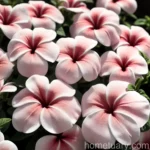
All About Petunia ‘Easy Wave Violet’
What is a Petunia?
Petunia ‘Easy Wave Violet’ is a vigorous, spreading variety of petunia that is highly prized for its vibrant violet-colored blooms. Belonging to the Solanaceae family, petunias are characterized by their trumpet-shaped flowers and are popular choices for adding color to gardens, containers, and hanging baskets. The ‘Easy Wave Violet’ cultivar is particularly sought after for its easy-care nature and prolific flowering habit.
Key Takeaways
- Plant Name: Petunia ‘Easy Wave Violet’
- Family: Solanaceae
- Common Name: Petunia
- Cultivar: Easy Wave Violet
- Color: Violet
- Growth Habit: Spreading
Culture
Uses
Petunia ‘Easy Wave Violet’ is utilized for a variety of landscaping and gardening purposes, including:
– Garden Beds: Adds vibrant color to flower borders and beds.
– Containers: Ideal for container plantings, including hanging baskets, window boxes, and patio containers.
– Ground Cover: Acts as a spreading ground cover to fill in bare areas.
– Pollinator Attraction: Attracts butterflies and hummingbirds, enhancing the ecological balance of gardens.
Water
- Watering Needs: Requires regular watering, ensuring the soil is consistently moist but not waterlogged.
- Watering Frequency: During hot and dry periods, watering may be needed daily, while in cooler weather, less frequent watering is sufficient.
- Watering Technique: Direct water to the soil at the base of the plant, avoiding wetting the foliage to prevent fungal diseases.
Sunlight
- Sunlight Requirements: Thrives in full sun to partial shade, with a minimum of 6 hours of direct sunlight per day for optimal flowering.
- Sunlight Adaptability: Can tolerate some shade but will produce fewer blooms in such conditions.
Soil
- Soil Type: Prefers well-draining, fertile soil with a slightly acidic to neutral pH (6.0-7.0).
- Soil Amendment: Incorporating organic matter such as compost or well-rotted manure can improve soil fertility and structure.
- Soil Moisture: Ensuring good drainage is crucial to prevent waterlogging, which can lead to root rot.
Fertilizer
Fertilization Schedule
- Regular Feeding: Utilize a balanced, water-soluble fertilizer every 2-3 weeks during the growing season to support healthy growth and abundant flowering.
- Application Method: Dilute the fertilizer as per the manufacturer’s recommendations and apply it to the soil around the plant, avoiding direct contact with the leaves.
Pruning
- Deadheading: Regularly remove spent flowers to encourage continuous blooming and prevent seed formation, which can divert the plant’s energy away from flowering.
- Trimming: Occasionally trim back leggy or overgrown stems to promote a compact and bushy growth habit.
Propagation
- Propagation Method: Easy Wave Violet petunias can be propagated from stem cuttings or through division in early spring as new growth begins.
Container Popularity
Container Gardening Tips
- Container Selection: Choose a spacious container with adequate drainage holes to accommodate the vigorous growth habit of Easy Wave Violet petunias.
- Growing Medium: Utilize a well-draining potting mix formulated for flowering annuals, ensuring it remains evenly moist.
Common Diseases
Disease Diagnosis
Petunias, including the Easy Wave Violet cultivar, are susceptible to several diseases, including:
1. Botrytis Blight (Gray Mold): Caused by the Botrytis cinerea fungus, this disease leads to grayish mold on flowers and leaves during humid conditions.
2. Powdery Mildew: Characterized by a white, powdery coating on the foliage, powdery mildew is caused by various fungal species.
3. Root Rot: Excessive soil moisture can lead to root rot, resulting in wilting and yellowing of foliage.
4. Viral Diseases: Various viruses can cause stunted growth and irregular patterns or discoloration on the leaves.
Common Pests
The Easy Wave Violet petunia is prone to attacks from pests such as:
– Aphids: Small, sap-sucking insects that congregate on new growth, causing leaf distortion and honeydew secretion.
– Spider Mites: Tiny arachnids that feed on plant sap, leading to stippled, discolored foliage.
– Thrips: Minute insects that cause scarring and distortion of flower buds and leaves.
Botanist’s Tips
Fun Facts
- The name “petunia” is derived from the French word “petun,” which means “tobacco,” reflecting the plant’s historical association with tobacco use.
- Petunias are native to South America, where they were first cultivated by the indigenous tribes for their ornamental and medicinal properties.
- The Easy Wave Violet cultivar is renowned for its mounding, spreading growth habit, making it an ideal choice for landscapes and containers.
Links to External Resources
For more information on growing and caring for Petunia ‘Easy Wave Violet’, check out the following resources:
– Gardening Know How – Petunia Care
– Royal Horticultural Society – Petunia Growing Guide
In conclusion, Petunia ‘Easy Wave Violet’ is a stunning and versatile plant that can brighten up any garden or patio with its vibrant violet blooms. With the right care and maintenance, these petunias can thrive in various settings, ranging from traditional flower beds to hanging baskets and containers, making them a popular choice for both experienced and novice gardeners. Understanding their cultural requirements, addressing common diseases and pests, and utilizing proper propagation and pruning techniques can ensure the successful growth of these captivating plants. Whether used as standalone beauties or as part of mixed plantings, the Easy Wave Violet petunia is sure to add a touch of vibrancy and charm to any garden landscape.